Farmers in southern Hungary endured long, exhausting work to rescue red pepper crops for paprika production during Europe’s driest summer, while constrained irrigation and labour shortages made the effort harder. Hungary’s paprika acreage has plunged from 13,029 hectares in 1979 to 1,410 hectares in 2024, squeezed by cheap imports and mounting climate pressures. Kalocsa’s annual fair highlighted paprika’s cultural importance, even as producers and officials grapple with how to preserve this iconic, labour‑intensive crop.
Hungary’s Paprika At Risk: Farmers Battle Drought, Cheap Imports and Labour Shortages
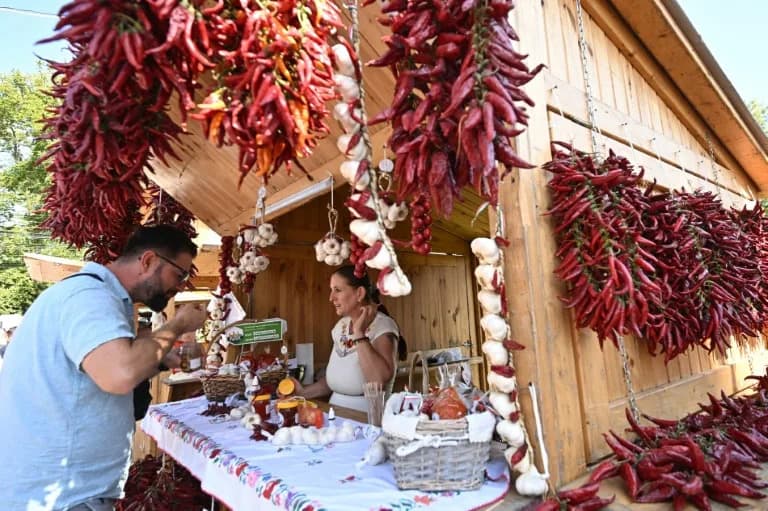
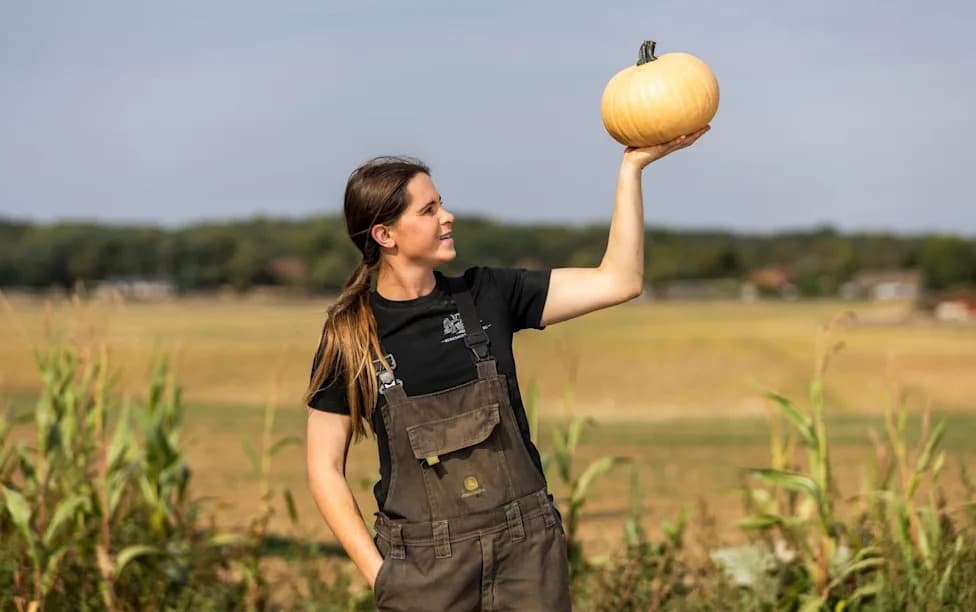
Nikoletta Pajsan Nagy sells paprika products at the annual town fair in Kalocsa (Attila KISBENEDEK)
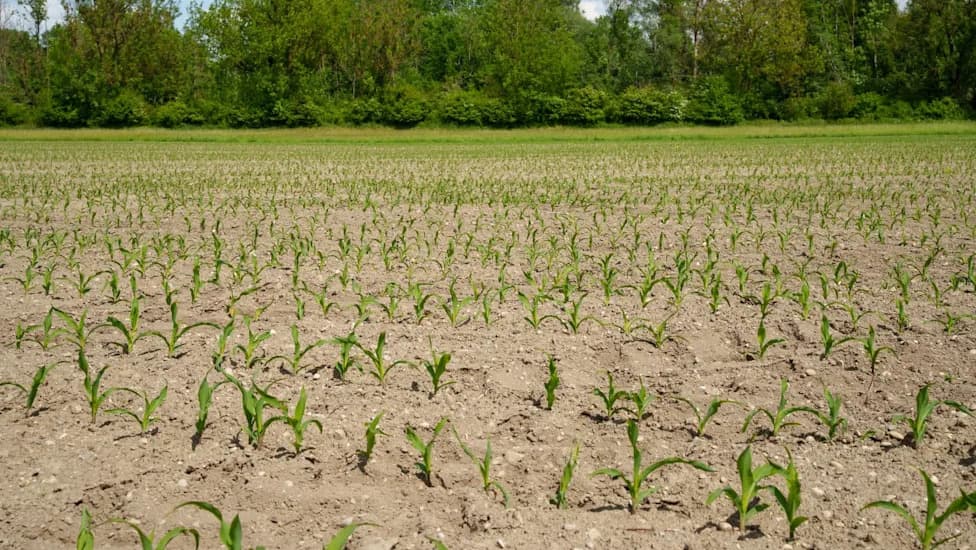
Working from before dawn until midnight, southern Hungarian farmers Nikoletta Pajsan Nagy and Laszlo Pajsan fought Europe’s driest recorded summer to protect their red peppers—the raw ingredient for Hungary’s signature spice, paprika. With power lines running across much of their two-and-a-half-hectare (six-acre) plot and preventing large-scale irrigation, the couple resorted to intensive hand work, repeatedly loosening the soil to keep plants alive.
“I was absolutely convinced that we'd have to take on part-time jobs because they'd burn out,” Pajsan Nagy, 44, told AFP while selling the family’s paprika at the annual town fair in Kalocsa. After grueling 20-hour days, she added, the crop nevertheless came back “bigger and more beautiful than in previous years. It was a miracle.”
Falling Acreage and Rising Pressures
Paprika cultivation in Hungary has fallen dramatically over recent decades. The area under cultivation peaked at 13,029 hectares in 1979 and had fallen to just 1,410 hectares by 2024, according to official statistics. Small producers say they are being squeezed by a mix of cheap imports, intensifying climate impacts and shrinking seasonal labour pools.
Climate And Competition
Robert Braj, an adviser at Dutch-owned BWA Kft—one of Hungary’s leading seasoning manufacturers—points to longer droughts, more extreme heatwaves and the spread of new pests and diseases as key obstacles for growers. Hungary, along with other EU states, recorded its driest summer since 1901 and its second-hottest on record, the national weather service HungaroMet reported.
Labour Shortages and Shifting Livelihoods
Labour shortages compound the problem. Paprika seller Agnes Toth recalled that her family once farmed six hectares; today they manage about three because seasonal hands are scarce. “A family couldn't make a living from this anymore... Everyone has a full-time job. I'm a teacher, my brother is a firefighter,” she told AFP.
“There are longer droughts, more extreme heatwaves, while new pests and diseases are spreading.”
— Robert Braj, BWA Kft adviser (AFP)
Cultural Roots And Local Resilience
The annual Kalocsa fair—held in one of Hungary’s historic paprika regions—demonstrated the spice’s enduring cultural importance. Stalls were strung with dried red peppers and the air filled with stews and fish soups richly seasoned with bright red paprika. The pepper, native to the Americas, took hold in Hungary’s sunny river plains near Kalocsa and Szeged in the 16th century; those two regions now benefit from the EU’s Protected Designation of Origin status.
Ethnographer Imre Romsics says paprika became a potent symbol of Hungarian identity in the 19th century alongside folk dress and craft traditions. Yet experts warn that younger generations cook fewer traditional dishes and favor quicker meals—reducing demand for labour-intensive, locally produced paprika.
Policy And The Road Ahead
Hungary’s Agriculture and Food Economy Ministry says it aims to strengthen producers' competitiveness but has not yet announced concrete new measures to reverse the long-term decline in acreage. Growers and industry advisers urge more targeted support, investment in irrigation-friendly infrastructure where possible, and policies to level the playing field against low-cost imports.
Reporting contributed by AFP. Names and figures cited are from interviews and official Hungarian statistics.
Help us improve.