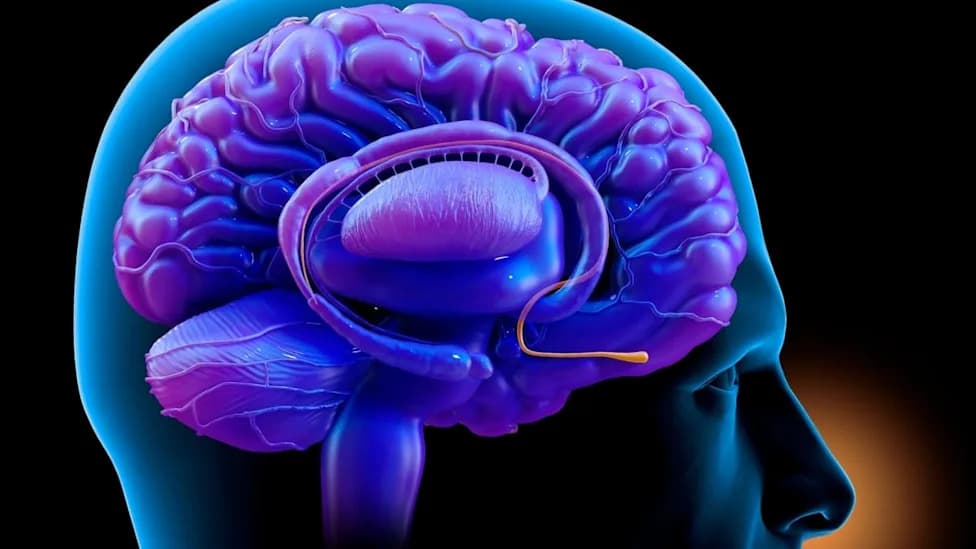
Researchers report that ketamine anesthesia triggers microglia in female mice to increase contact with neurons and promote synapse formation, indicating a transient window of brain plasticity during recovery. Single‑cell sequencing (~37,000 cells) implicated activation of the stress‑response gene Fkbp5 in microglia, driven by rising corticosterone. Blocking FKBP51, knocking out Fkbp5, or lowering microglial density prevented the effect. The study raises important questions about sex‑specific responses to anesthesia and the clinical implications for ketamine use.
Ketamine Spurs Female‑Specific Brain Remodeling in Mice, Study Finds
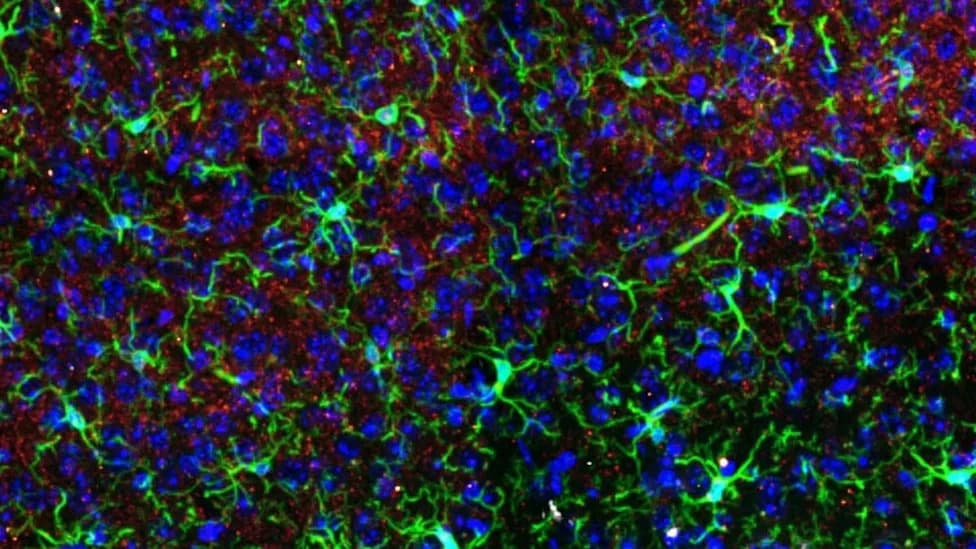
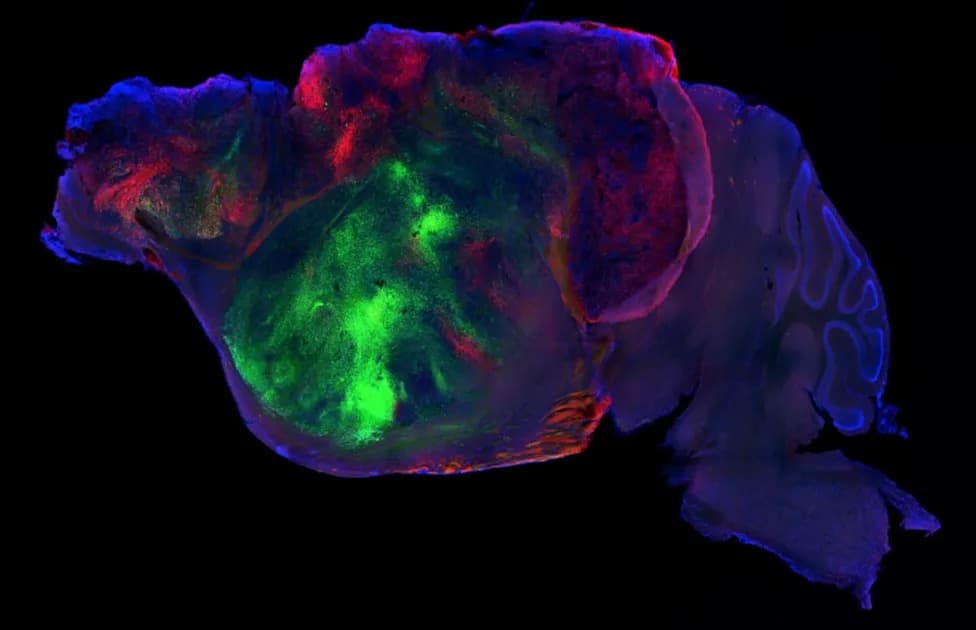
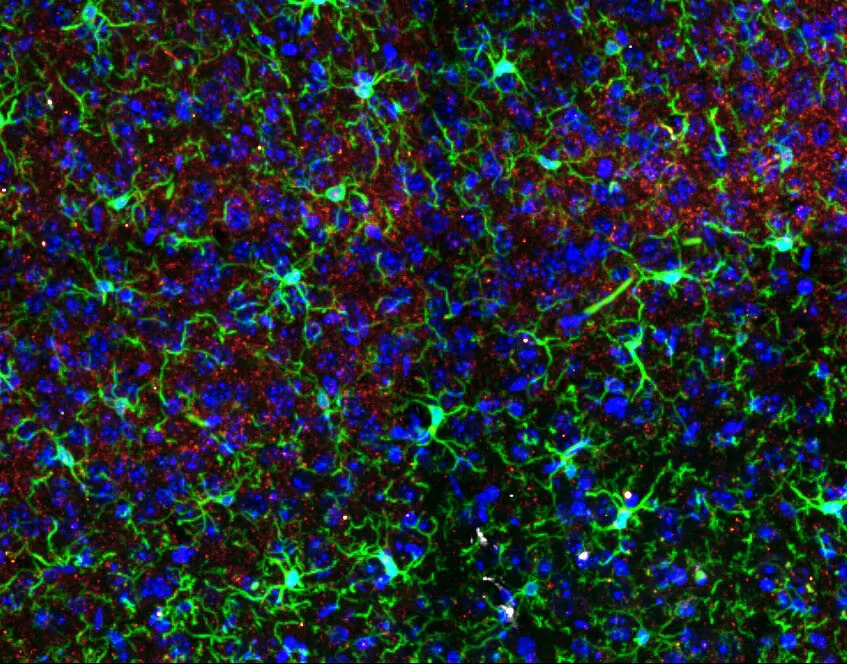
An image of microglia, in green, which comprise the nervous system's resident, primary immune cells, which perform essential tasks like 'cleaning' the brain. (Siegert group/ISTA)
Anesthesia remains surprisingly mysterious despite roughly 170 years of clinical use. A new mouse study published in Science Advances reveals an unexpected, sex‑specific effect of ketamine: the drug triggers microglia‑driven remodeling of neural circuits — but only in females.
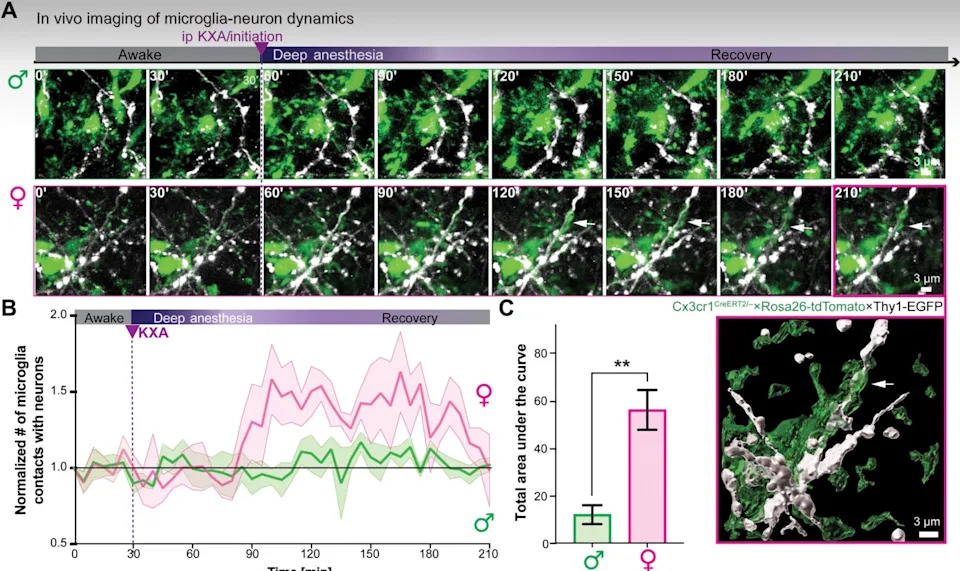
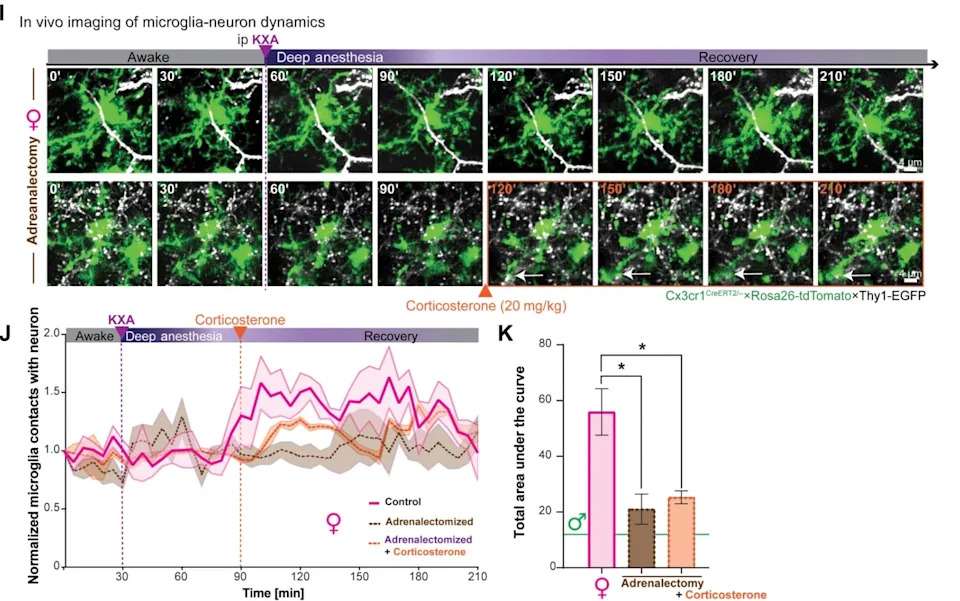
In vivoimaging in the mouse visual cortex, alongside a graph showing the interactions between microglia and neurons.(Venturino et al.,Science Advances, 2026)
What the Researchers Found
Using in vivo imaging through cranial windows in the mouse visual cortex, the team observed that, about an hour after ketamine anesthesia, microglia — the brain's resident immune cells — extend processes and increase physical contact with neurons in female mice. These intimate microglia–neuron interactions were associated with increased synapse formation, suggesting a transient window of heightened brain plasticity during the post‑anesthesia recovery period (up to ~48 hours).
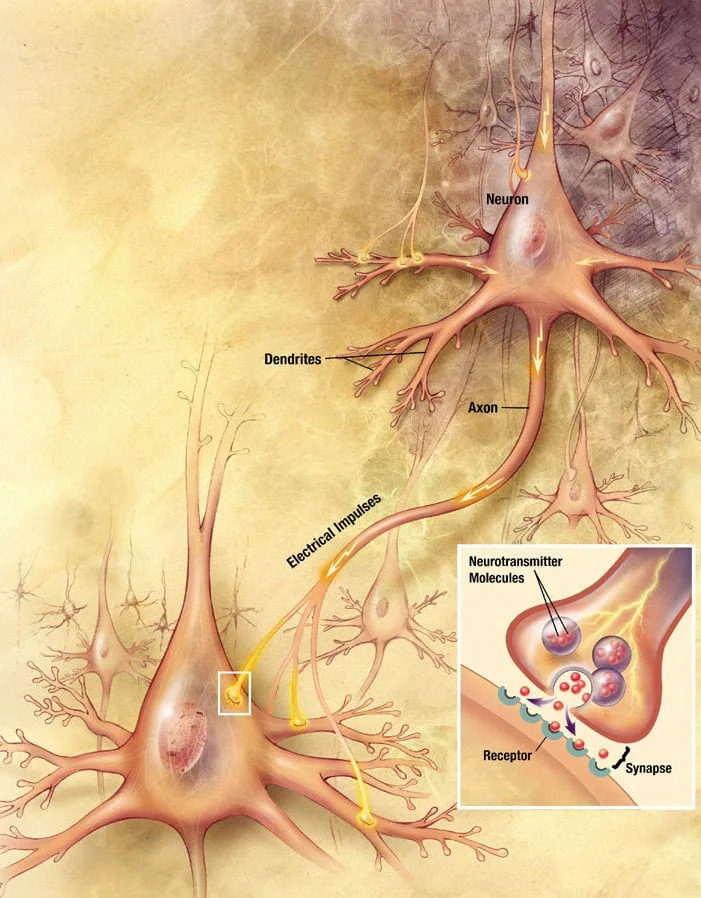
An illustration showing how neurons communicate, with the synapse detailed in the inset.(Christy Krames, MA, CMI, for US National Institutes of Health, National Institute on Aging/Wikimedia Commons)
How It Works: A Hormone‑Gene Interaction
The authors combined live imaging with single‑cell sequencing of nearly 37,000 brain cells and focused on changes across roughly 2,000 genes. Their data point to a hormone–gene pathway: corticosterone levels rise during recovery from anesthesia, and in female mice this surge specifically activates the stress‑response gene Fkbp5 in microglia. Fkbp5 encodes FKBP51, a protein that modulates cellular stress signaling and, according to the study, promotes microglia–neuron engagement and synaptogenesis.
An image showing microglia (green) as they're embedded throughout different brain layers (orange), in the mouse visual cortex.(Siegert group/ISTA)
Key Experiments Supporting Causality
- Pharmacological blockade of FKBP51 prevented the microglial response and the associated synaptic changes in females.
- Genetic inactivation (knockout) of Fkbp5 produced a similar suppression of the effect.
- Dietary manipulation that reduced microglial density (a special chow given for one week prior) blocked the ketamine‑induced remodeling.
- Adrenalectomy (removal of adrenal glands) blunted the microglial response to ketamine; restoring corticosterone by injection reinstated it — supporting corticosterone as a central hormonal mediator.
Sex Differences and Open Questions
Male mice did not show the same rapid microglia‑driven remodeling. The reasons remain unclear: males might have a delayed response, use different cellular mechanisms, or be influenced by distinct hormonal milieus. The researchers note that circulating sex hormones partially influence the effect but do not fully explain it.
Injecting a certain antagonist substance that inhibits Fkbp51 prevents the microglia response and plasticity in the brains of female mice. A knockout (or inactivation) of this gene in a specialized mouse line produced a similarly inhibitory effect.(Venturino et al.,Science Advances, 2026)
Implications
Because ketamine is used both as an anesthetic and as a treatment for depression, these findings raise important translational questions. Plasticity can be beneficial (for recovery or antidepressant effects) but, if excessive or improperly timed, might contribute to adverse neuropsychiatric outcomes. The authors call for further studies to determine whether similar sex‑dependent mechanisms occur in humans and to evaluate clinical implications for anesthesia practice and ketamine‑based therapies.

Subscribe to ScienceAlert's free fact-checked newsletter
“We didn't expect to see this; it was a surprising finding,” says Sandra Siegert (ISTA), the study's senior author. “How drug effects differ between males and females is important to know in order to offer the best treatment,” the team emphasizes.
Study Source: Venturino et al., Science Advances (2026).
Help us improve.