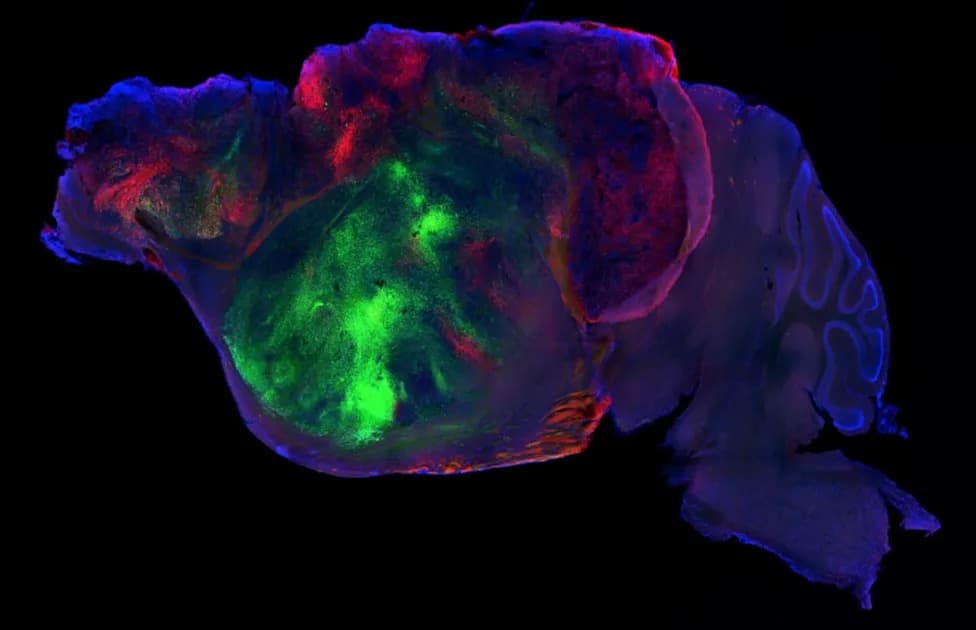
A new PNAS study in male mice maps a nose‑to‑brain pathway by which nasal airflow frequency shapes anxiety‑like behavior. Olfactory sensory neurons drive a circuit from the olfactory bulb through the perirhinal cortex to the posterior basolateral amygdala; slow nasal rhythms reduced anxiety, while faster rhythms increased it. Chemogenetic silencing removed the effect, and two weeks of controlled slow nasal airflow lowered anxiety‑like behaviors. The findings suggest a potential mechanism for breath‑based anxiety regulation, but translation to humans requires more research.
Mouse Study Maps a Nose‑to‑Brain Circuit: How Nasal Breathing Frequency Can Dial Anxiety Up Or Down
(Science Photo Library/Canva)
Anxiety disorders are the world’s most common mental-health conditions, affecting an estimated 359 million people globally. While controlled-breathing exercises are widely used to calm anxiety, the exact neural mechanisms behind their effects have been unclear.

A group practicesnadi shodhana pranayama(alternate nostril breathing) on the International Day of Yoga in Kolkata, India, in 2017. (Biswarup Ganguly/Wikimedia Commons/CC BY 3.0)
In a new study published in the Proceedings of the National Academy of Sciences (PNAS), researchers describe a previously unidentified "nose-to-brain" neural circuit in male mice that links the frequency of nasal airflow to anxiety-like behavior. The findings provide a potential biological explanation for why slow nasal breathing often feels more calming than mouth breathing, and suggest a mechanism by which breath-based practices may influence emotion.
YouTube Thumbnail
What the Study Found
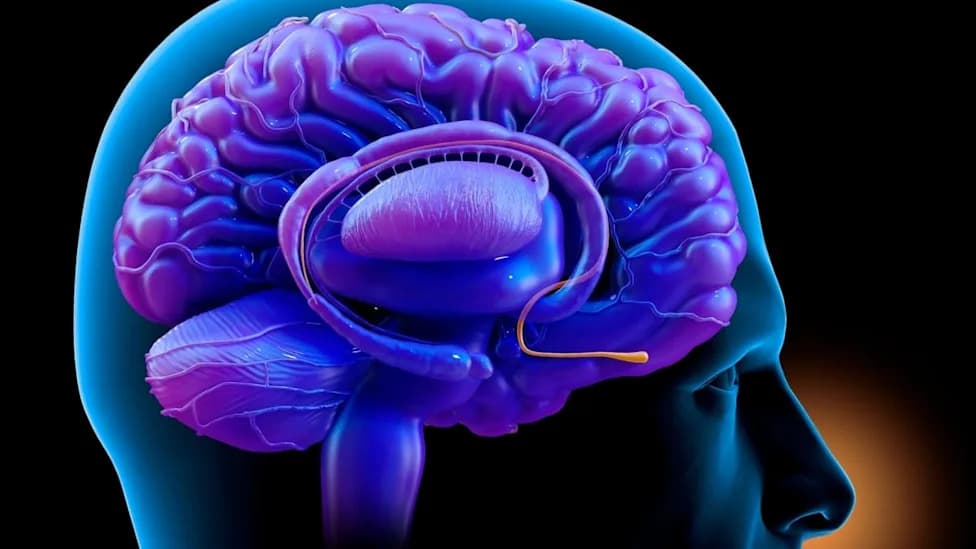
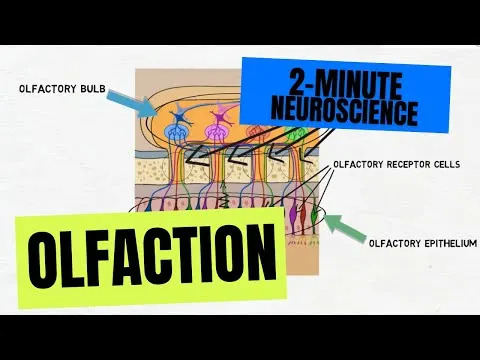
The team showed that olfactory sensory neurons (OSNs) in the nasal cavity — which detect both odors and the mechanical flow of air — relay inhalation signals to mitral cells in the olfactory bulb. From there, activity travels to long‑projecting interneurons in the perirhinal cortex and ultimately to glutamatergic neurons in the posterior basolateral amygdala, a brain region strongly implicated in emotional processing and anxiety.
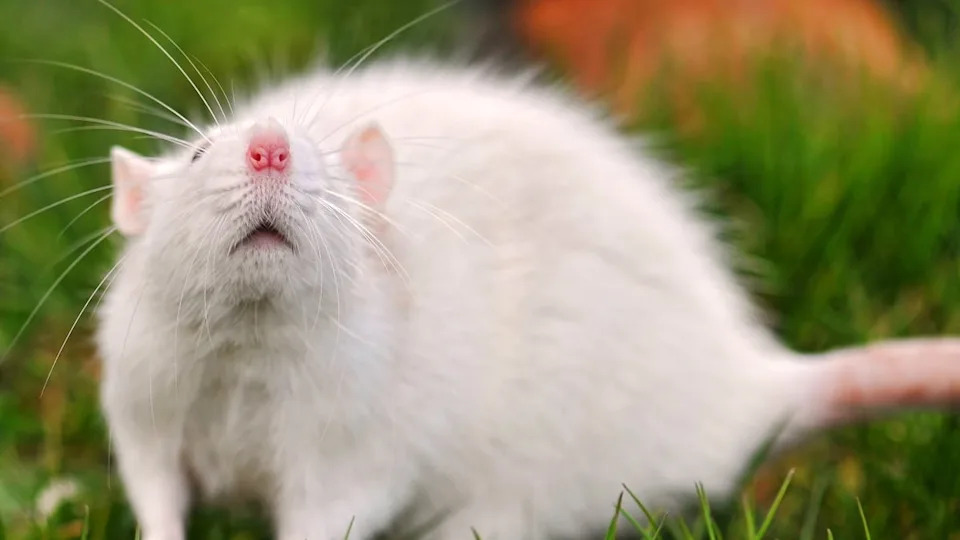
Nasal airflow regulates anxiety-like behavior in rodents. (Tambako the Jaguar/Flickr/CC BY-ND 2.0)
Crucially, the pathway modulates anxiety-like behavior in a frequency-dependent and bidirectional manner: low-frequency nasal stimulation reduced anxiety-like measures in mice, whereas high-frequency stimulation tended to increase anxiety-like behaviors. The authors report that slow nasal respiration roughly half the animals’ normal breathing rate produced calming effects in their experimental conditions.

Subscribe to ScienceAlert's free fact-checked newsletter
How the Researchers Tested the Circuit
To map and manipulate this pathway the researchers used a broad toolkit including optogenetics and chemogenetics to control specific neuron populations; electrophysiology and fiber photometry to record neural activity; controlled nasal airflow via implanted cannulas; behavioral tests for anxiety-like responses; and viral tracing to chart circuit connections.
"This implies the existence of a nonconscious body‑brain interaction for breathing‑emotion regulation, in addition to volitional control," the authors write, noting that both top‑down and bottom‑up breathing signals can affect emotion.
Additional Evidence and Manipulations
Chemogenetic silencing of the olfactory-bulb-to-perirhinal-cortex projection abolished the relationship between nasal sensory frequency and anxiety regulation, supporting the pathway’s causal role. Conversely, targeted activation or inhibition produced anti‑anxiety or pro‑anxiety outcomes, respectively. In a behavioral intervention, mice exposed to a two‑week regimen of controlled slow nasal airflow showed restored neural patterns and reduced anxiety‑like behavior.
Why This Matters
The study offers a plausible biological route by which nasal breathing can entrain brain activity and influence mood — lending mechanistic weight to breath-centered practices found across cultures (for example, pranayama and meditation) and to clinical breathing protocols used to manage anxiety.
Limitations And Cautions
Important caveats temper the findings. Experiments were performed only in male mice, used experimental stress paradigms, and relied on tightly controlled optogenetic and airflow manipulations that differ from natural human breathing. Whether the same circuit operates in humans, in females, or under real-world conditions remains to be established. The authors and commentators call for further research before translating these results into clinical recommendations.
Overall, the work identifies a specific nasal-to-limbic pathway that can bidirectionally shape anxiety-like behavior in mice and highlights nasal respiration frequency as a physiologically meaningful variable worth exploring for noninvasive anxiety interventions.
Help us improve.