Bluesign updated its core 2026 chemical lists, with major revisions focused on PFAS — the persistent "forever chemicals" used for water-, oil- and stain-resistance in textiles. The updates align Bluesign limits with recent French, Swedish and EU regulatory moves, clarify testing approaches and distinguish PFAS from fluorinated non-PFAS dyes. Three lists (RSL, BSSL, BSBL) guide sourcing, finished products and chemical inputs, with phased compliance deadlines in 2027 and 2028, and additional tightening of limits for flame retardants, colorants, metals and jewelry components.
Bluesign Tightens 2026 Chemical Rules, Aligns PFAS Limits With New EU, French and Swedish Standards

Bluesign Aligns PFAS Limits With New Standards
Bluesign, the independent textile sustainability organization, has released updated editions of its core chemical lists for 2026. The revisions incorporate the latest toxicological and ecological research, reflect new global regulations and analytical methods, and include guidance from the Chemical Expert Group — a panel of specialists from Bluesign System Partner companies that evaluates substances and sets exposure and use limits.
Major Focus: PFAS
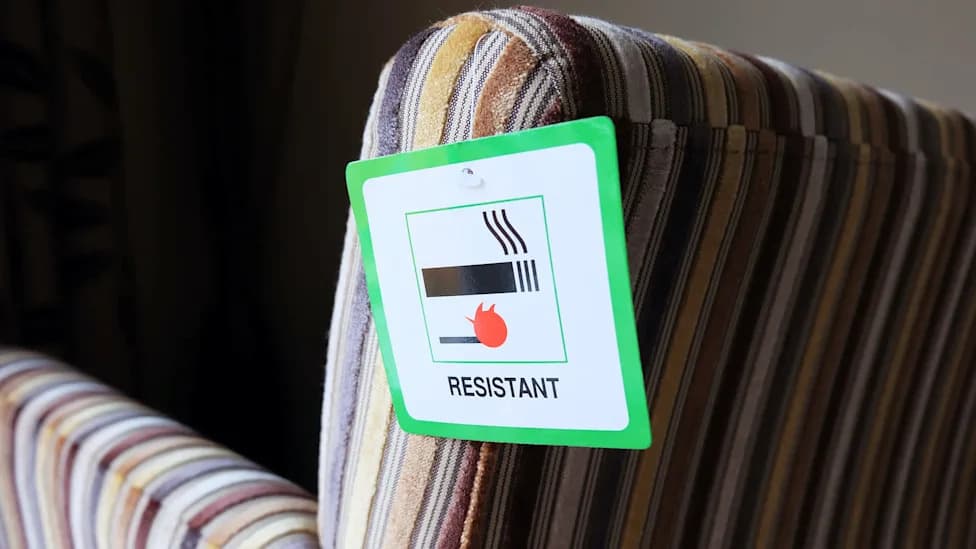
The most significant changes target per- and polyfluoroalkyl substances (PFAS), commonly known as "forever chemicals." PFAS are synthetic compounds used since the 1950s in textiles for water-, oil- and stain-resistance. Because they degrade extremely slowly, PFAS persist in the environment, and growing scientific evidence has raised concerns about potential human health impacts.
Bluesign has expanded its PFAS phase-out chapter, updated recommended testing methodologies to improve detection and management, and clarified the distinction between PFAS and fluorinated non-PFAS dyestuffs — noting that some reactive dyes contain fluorine atoms but do not meet PFAS criteria.
Regulatory Alignment and Drivers
Regulatory developments in 2026, including measures adopted by multiple U.S. states and European countries, prompted these changes. Bluesign says its revised limits now align with recent French and Swedish PFAS restrictions and the broader European Union proposals under discussion.
What Each List Does
Bluesign maintains three separate lists to guide manufacturers, brands and chemical suppliers:
- Bluesign Restricted Substances List (RSL) — A consumer-safety reference for brands and retailers when purchasing and testing finished goods.
- Bluesign System Substances List (BSSL) — Defines safety limits for substances that may remain in finished textile products.
- Bluesign System Black Limits (BSBL) — Sets threshold values for substances present in chemical formulations used during production (e.g., dyes and auxiliaries).
Each list includes a change log documenting newly added substances, tightened limits and other revisions.
Phased Implementation Deadlines
The updated requirements have phased implementation dates: the BSBL (chemical inputs) must be effective by no later than 1 July 2027, while the BSSL and RSL (finished products and purchasing) are required to be effective by no later than 1 July 2028.
Other Notable Revisions
Across the lists, Bluesign has also introduced new restrictions on certain flame retardants and colorants, tightened limits for specific chemicals and metals, and defined substance limits for jewelry components. The organization published updated analytical testing recommendations to improve consistency and accuracy in compliance verification.
Industry Impact and Support
Bluesign works with organizations across global supply chains to promote responsible textile production. The standard aims to improve chemical management, strengthen worker health and safety, reduce environmental impacts and encourage sustainable manufacturing — outcomes that Bluesign says can also lower production costs and increase competitiveness and innovation for partner facilities.
Help us improve.