Wisconsin's Democratic gubernatorial primary has narrowed to Francesca Hong, a self-described democratic socialist, and David Crowley, a pragmatic county executive, amid volatile polling and heavy outside spending. Hong has surged by emphasizing progressive policies and a moratorium on new data centers; Crowley is pitching regulation and developer concessions as a centrist alternative. With roughly half of Democrats undecided and Republican Tom Tiffany well funded, Tuesday's primary will test whether moderates can block a leftward nominee ahead of November.
Chaotic Wisconsin Primary: Moderates Rush To Block a Democratic Socialist
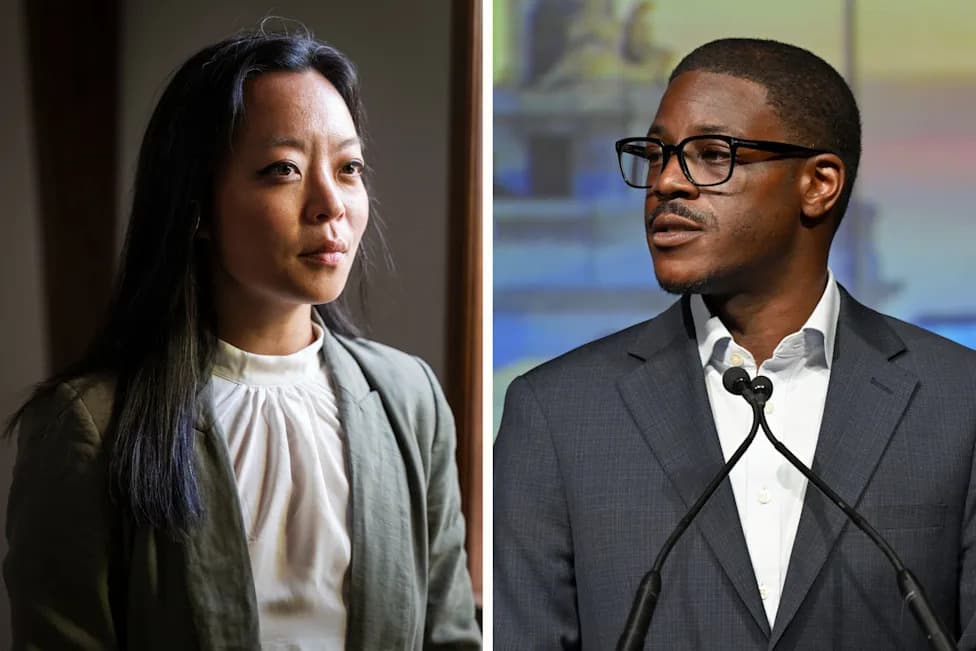
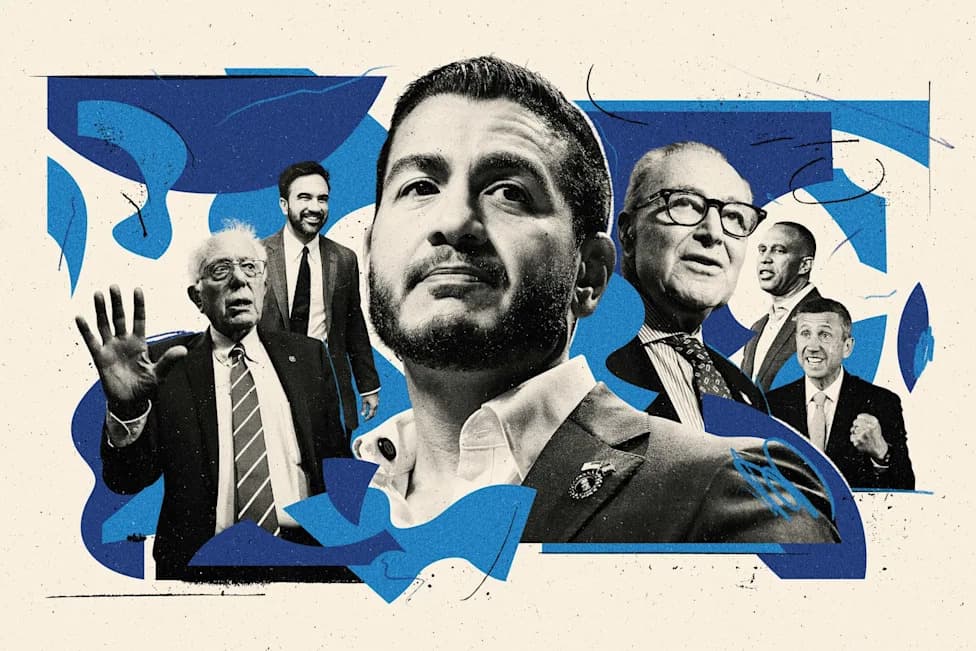
—Sara Stathas—The Washington Post/Getty Images; Daniel Boczarski—WisDems/Getty Images
Wisconsin's Democratic gubernatorial primary has turned into one of the most unpredictable contests of the 2026 cycle, narrowing to two very different finalists: Francesca Hong and David Crowley. With roughly half of Democratic voters still undecided, large outside spending and sharp disagreements over policy, Tuesday's primary could determine whether moderates can prevent a leftward nominee ahead of a high-stakes November general election.
How the Field Unraveled
The race opened up when the popular incumbent governor announced he would not seek a third term. His lieutenant governor and a former lieutenant governor both briefly entered the contest but then withdrew—one amid campaign finance problems and the other after allegations tied to a MeToo-style scandal.
The Finalists
Francesca Hong is a self-described democratic socialist and state assembly member who has surged in the polls despite concerns about her general-election viability. She has drawn controversy for past social media posts that appeared to advocate abolishing the police and dismissing Thanksgiving as a celebration of colonialism—positions she has since walked back. Hong has embraced a progressive agenda and seized on popular concerns about new data centers.
David Crowley, the county executive of Wisconsin's largest county, presents himself as a pragmatic, steady manager. His campaign suffered a bizarre moment when he suspended his bid, booked a vacation to Jamaica, then canceled the trip and re-entered the race 10 days later with the outgoing governor's endorsement. "The one thing that I've learned is to buy travel insurance," Crowley said between campaign stops.
Money, Outside Influence And Electability Fears
National Democrats have rallied around Crowley as a more electable alternative, worried that Hong's label and some past statements could make the general election harder to win in a competitive state. Outside spending has already reshaped the contest: the single biggest spender so far is a group tied to the Republican Governors Association that is spending to elevate Hong.
Fundraising disparities deepen Democrats' worries. Republican Tom Tiffany, the presumptive GOP nominee, has raised more than $15 million—helped in part by a $10 million transfer from the state Republican Party. By contrast, Democrat Mandela Barnes raised roughly $1.4 million before leaving the race.
Data Centers: The Key Policy Flashpoint
A defining policy debate in the primary centers on data centers and AI infrastructure. Wisconsin's cool climate and existing infrastructure make it attractive to big server farms, but public opposition has surged. Marquette Law School polling shows opposition among Wisconsin Democrats to new data centers rose from 56% last October to 88% last month; opposition among all state voters climbed from 55% to 76% over the same period.
Hong has proposed a statewide moratorium on new data centers under a plan she calls "Control-Alt-Delete," tapping into the growing environmental and community concerns. Crowley opposes a blanket ban, advocating instead for strict regulation, full cost recovery and extracting concessions from developers to benefit local governments, schools, farmers and small businesses. "All data centers are not all created equal," he said. "Our job is to make sure that these data centers are paying their way, that they're paying for the full energy costs, that they're paying for the infrastructure and grid upgrades."
Polls, Undecideds And The Closing Stretch
Polling this cycle has been volatile—Michigan's recent tightening served as a cautionary example for Democrats in the Midwest. In Wisconsin, surveys suggest Democrats still have a path to hold the governor's office, but the largest single bloc among Democratic primary voters remains the undecided group: about half had not yet picked a candidate heading into the final days.
Crowley says the messy primary reflects broader national dynamics: "The Democratic Party, we have been reacting and responding so much to Donald Trump, that he is defining us for us, and that we've been playing defense for so long that we've forgotten what it means to be on the offense." Whether pragmatic appeals or progressive activism will carry the day remains uncertain. Crowley returned to the race after intense outreach from party leaders and now campaigns with urgency. When polls close on Tuesday, Democrats will learn whether moderates can coalesce to deny the nomination to a candidate from the left or whether Hong's insurgent surge holds.
Bottom line: With money, messaging and a pivotal policy fight over data centers shaping perceptions of electability, Wisconsin's Democratic primary is a high-stakes, unpredictable test for a party torn between pragmatism and progressive momentum.
Help us improve.