State Senator Scott Wiener removed an AI chatbot ad mocking opponent Connie Chan after critics— including Chan and Nancy Pelosi—called the content sexist and racist for placing fabricated language into the mouth of a woman of color. The controversy revived scrutiny of Wiener's earlier vote for AB 2839, a proposed ban on certain deepfakes that a federal court later struck down. The episode adds to other campaign flashpoints, including debate over Wiener's comments on the Gaza war and his housing legislation, and highlights broader concerns about AI in political advertising.
Scott Wiener Pulls AI Chatbot Ad After Allegations Of Sexism And Racism; Deepfake Vote Fuels Hypocrisy Claims
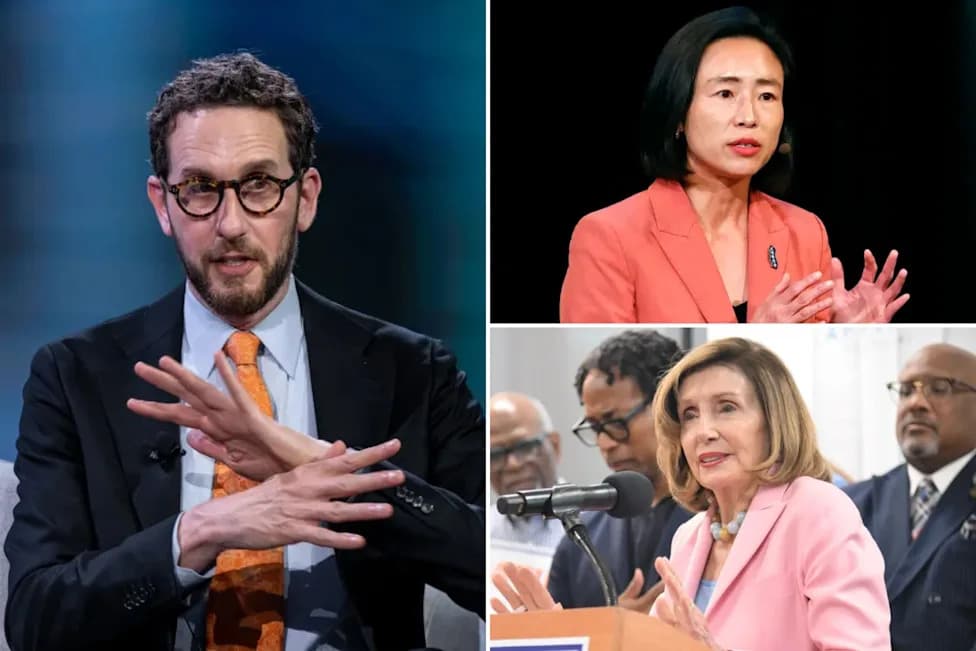
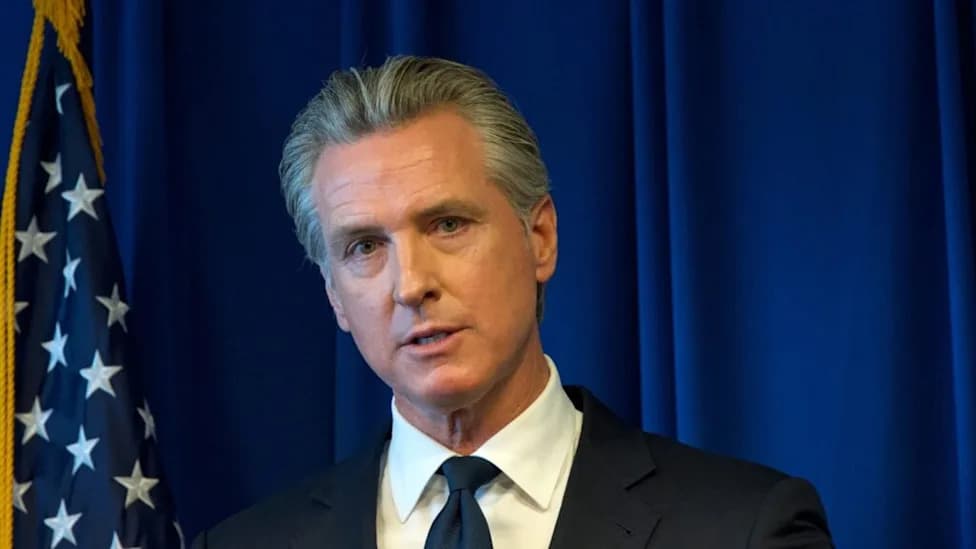
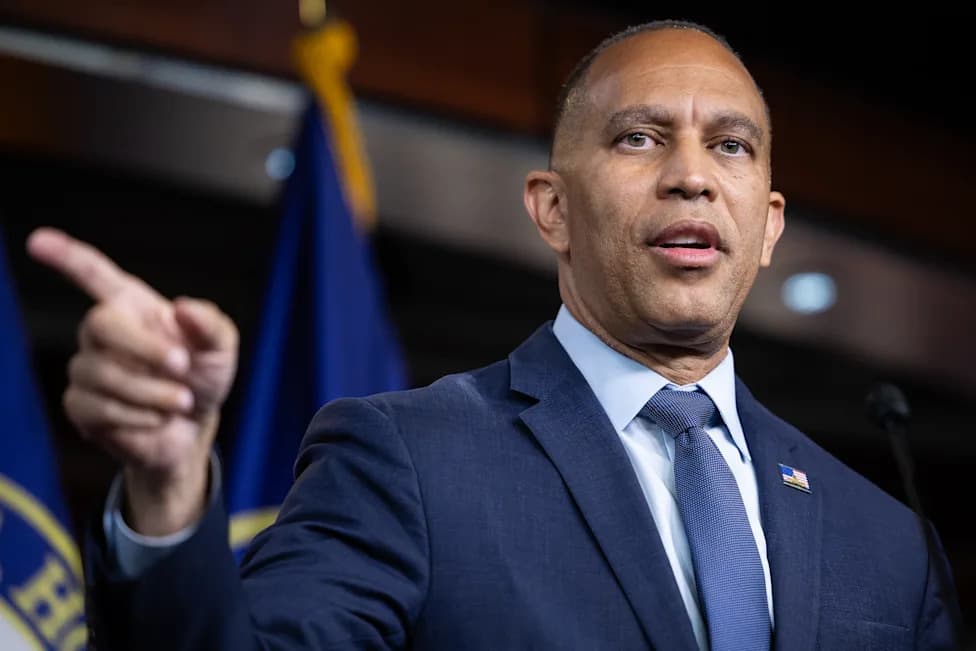
An image collage containing 3 images, Image 1 shows State Senator Scott Wiener speaking at the Bloomberg Tech conference, Image 2 shows Connie Chan debates for San Francisco's Congressional District 11 seat, Image 3 shows U.S. Rep. Nancy Pelosi speaking at a healthcare rally in Ferguson, Missouri
State Senator Scott Wiener removed an AI-driven chatbot and associated campaign ad after critics, including his opponent Connie Chan and former House Speaker Nancy Pelosi, said the bot put insulting, fabricated words into the mouth of a woman of color. The episode has intensified scrutiny of Wiener's campaign tactics and raised broader questions about the use of artificial intelligence in political messaging.
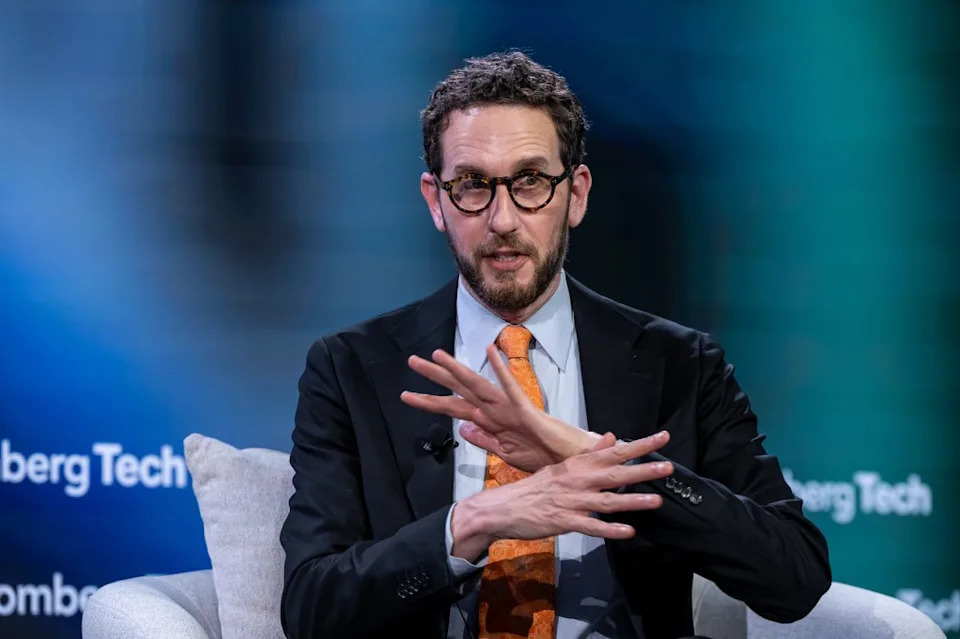
State Senator Scott Wiener launched an AI chatbot mocking his opponent Connie Chan. Both are facing off for Nancy Pelosi's congressional seat. Bloomberg via Getty Images
What Happened
Wiener deployed an AI chatbot to portray Chan as a "not in my backyard" (NIMBY) politician who opposes most housing projects. After public backlash and accusations that the content was sexist and racist, the campaign took the chatbot down and said it would not continue using that material.
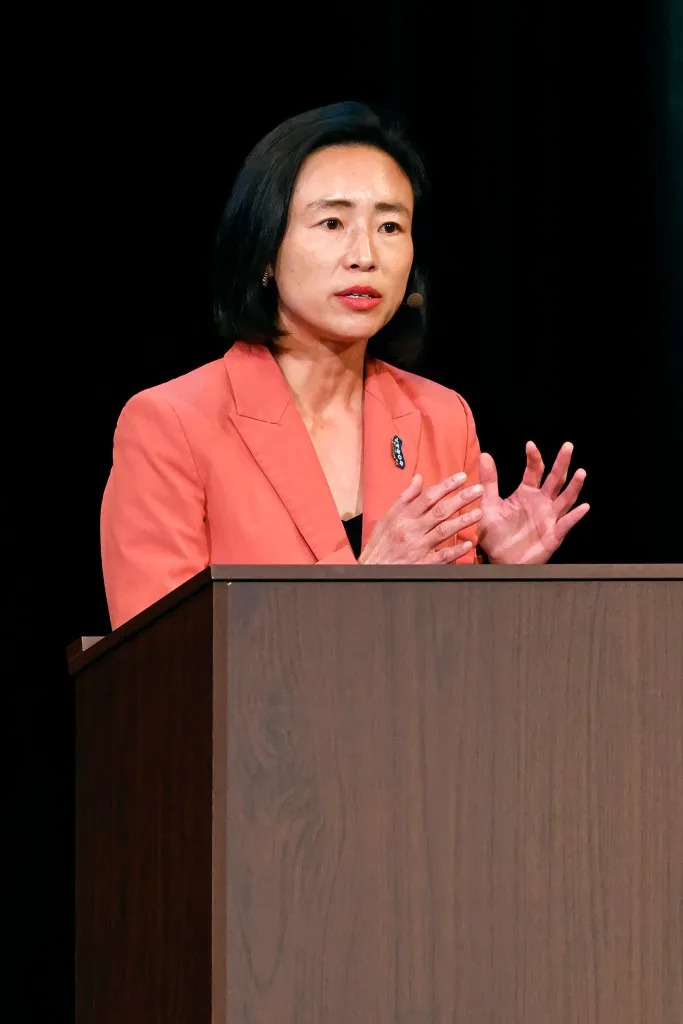
Chan and Pelosi both slammed the ad as sexist and racist, because it put words in the mouth of a woman of color. San Francisco Chronicle via Getty Images
Why Critics Objected
Opponents argued the chatbot ad crossed a line by fabricating language and tone for a candidate who is a woman of color, which they described as both sexist and racially insensitive. Independent observers also flagged the tactic as emblematic of growing concerns about AI-generated political content and misinformation.
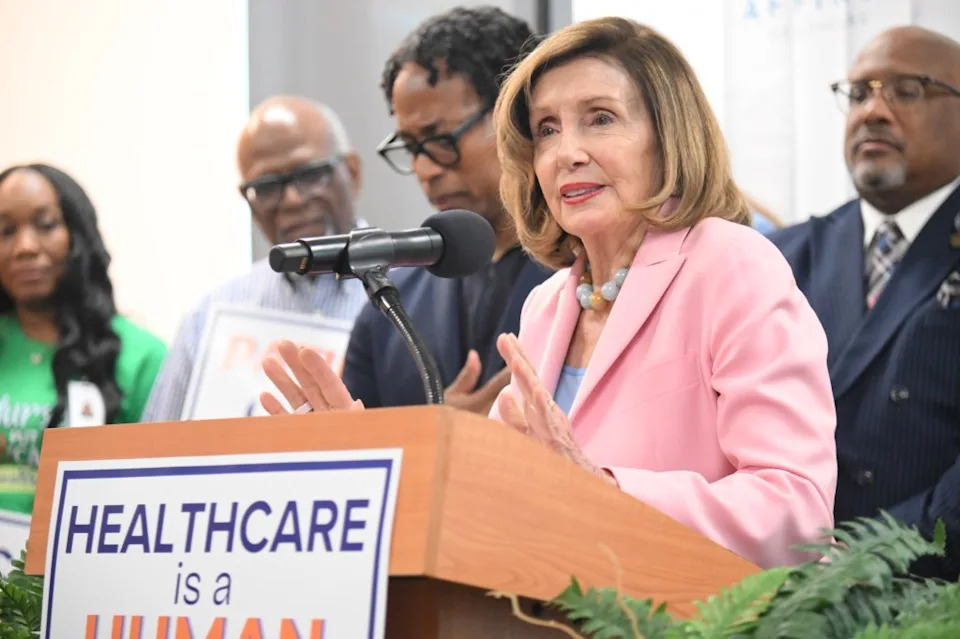
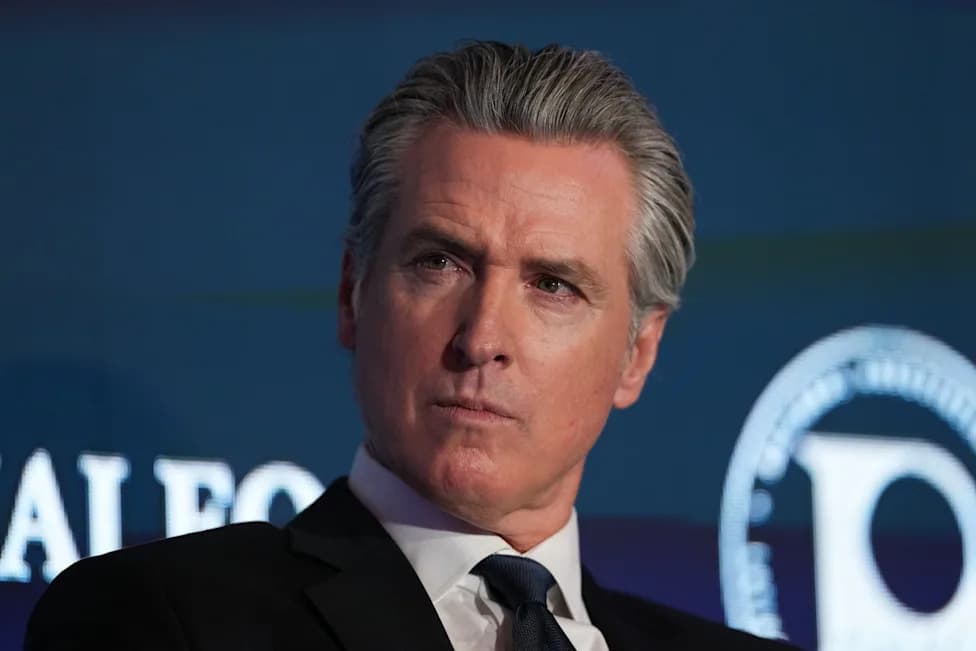
Wiener had voted for AB 2839, the bill that banned "deepfake" videos of politicians before and after elections. AP Photo/Michael Thomas
Legal And Political Context
Critics pointed to Wiener's earlier vote for AB 2839, legislation that sought to ban certain "deepfake" videos of political candidates near elections; that law was later struck down by a federal court on First Amendment grounds. Opponents labeled Wiener's chatbot ad hypocritical given his prior support for limits on manipulated digital media in campaigns.
Other Campaign Controversies
The chatbot flap compounds previous controversies in Wiener's campaign. During the primary, Wiener described the recent Gaza war as a "genocide," a characterization that drew criticism and prompted debate. Some critics say Wiener shifted positions on Israel to appeal to left-leaning activists who could influence the race, an accusation he and his allies dispute.
Housing And Policy Issues
Wiener is a prominent pro-housing voice in California and authored SB 79, which critics say could encourage taller housing near transit hubs. Supporters argue transit-oriented development is a practical response to the state's affordability crisis; opponents say such plans are unpopular outside dense urban areas and raise concerns about neighborhood change.
What This Means For The Race
The episode highlights several themes shaping the contest to replace Nancy Pelosi: the tone and tactics of campaigns, how candidates use emerging technologies, and how past policy positions are used as political ammunition. Voters will weigh these controversies alongside policy positions as the November election approaches.
Bottom line: The chatbot incident has amplified scrutiny of Wiener’s judgment and campaign strategy, while renewing debates about AI, political speech, and accountability in modern campaigns.
Help us improve.