A seven-minute jailhouse call recorded days after Duane “Keefe D” Davis’s 2023 arrest appears to capture him acknowledging authorship of the memoir Compton Street Legend. Prosecutors plan to use the clip alongside the book, interviews and other evidence to challenge the defense’s claim that a ghostwriter wrote the memoir. Davis has pleaded not guilty; his attorney contends the prosecution’s case is weak, but the audio may be used to question Davis’s credibility as the Las Vegas trial opens.
7-Minute Jail Call Could Undermine Duane “Keefe D” Davis’s Defense in Tupac Murder Trial
ZUMAPRESS.com / MEGAZUMAPRESS.com / MEGA
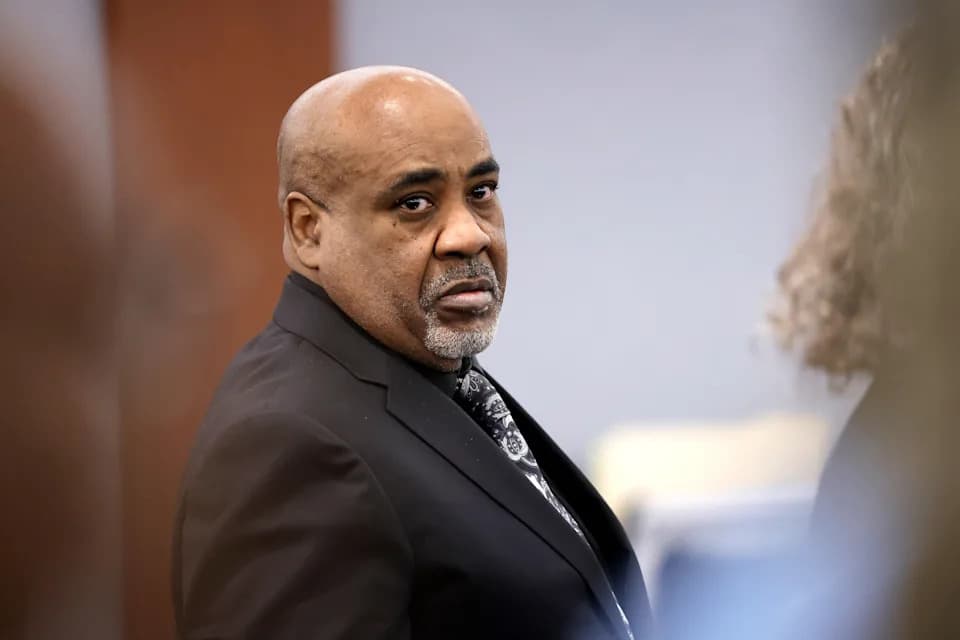
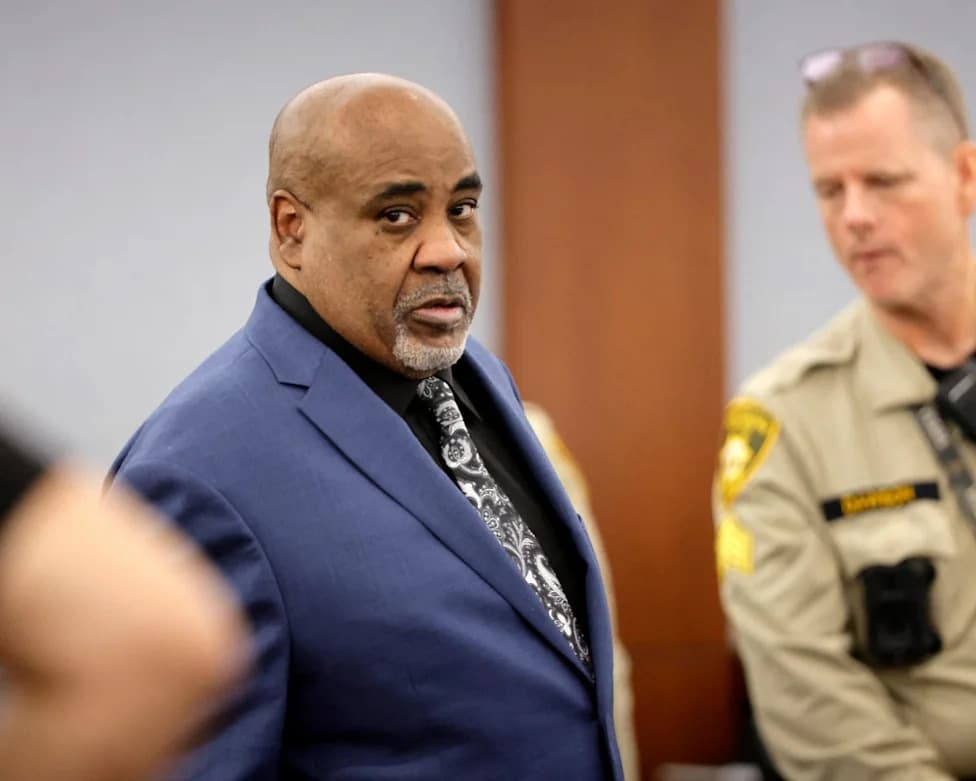
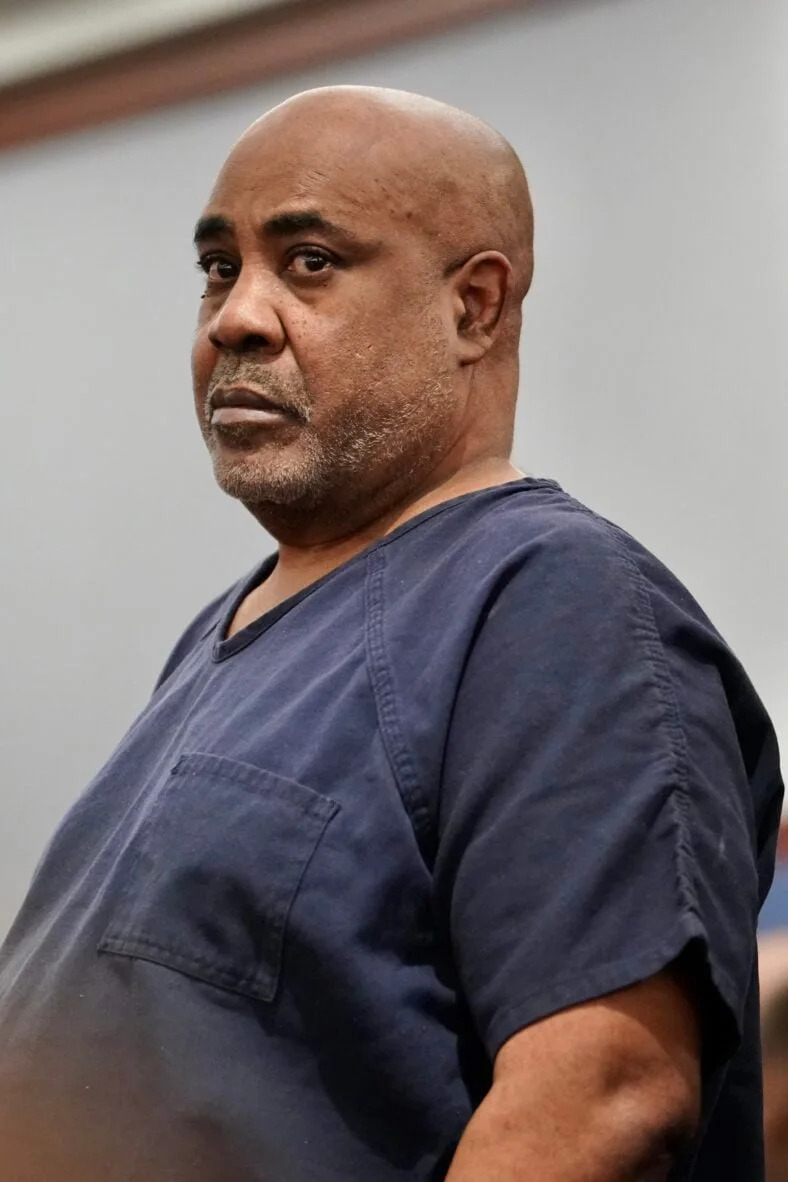
A newly surfaced seven-minute jailhouse call may complicate Duane “Keefe D” Davis’s defense as he prepares to stand trial in Las Vegas over the 1996 murder of Tupac Shakur. Prosecutors say the recording, obtained days after Davis’s 2023 arrest, includes a brief exchange in which Davis appears to acknowledge authoring the memoir Compton Street Legend — a point the defense has long denied, attributing the book to a ghostwriter.
The US Sun / MEGA
The Recording And Its Significance
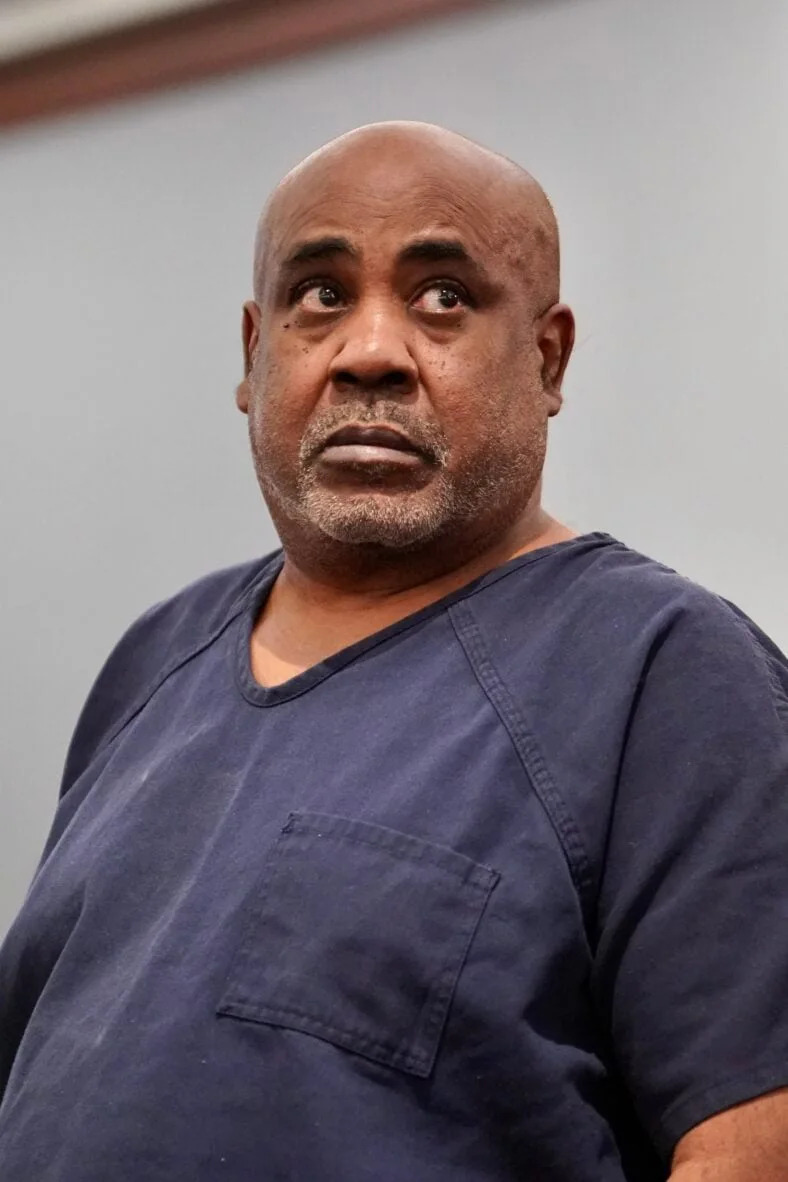
According to reports citing audio obtained by The New York Post, an unidentified woman described as a longtime companion asks Davis, “What’s this book they say you wrote?” He replies, “Oh, yeah, I did.” That short statement, prosecutors contend, could be paired with the memoir, public interviews and other evidence to challenge the defense’s claim that the book’s admissions were not Davis’s own words.
The US Sun / MEGA
“Oh, yeah, I did.” — Exchange attributed to Duane “Keefe D” Davis in the recorded jail call (reported by The New York Post)
What The Defense Says
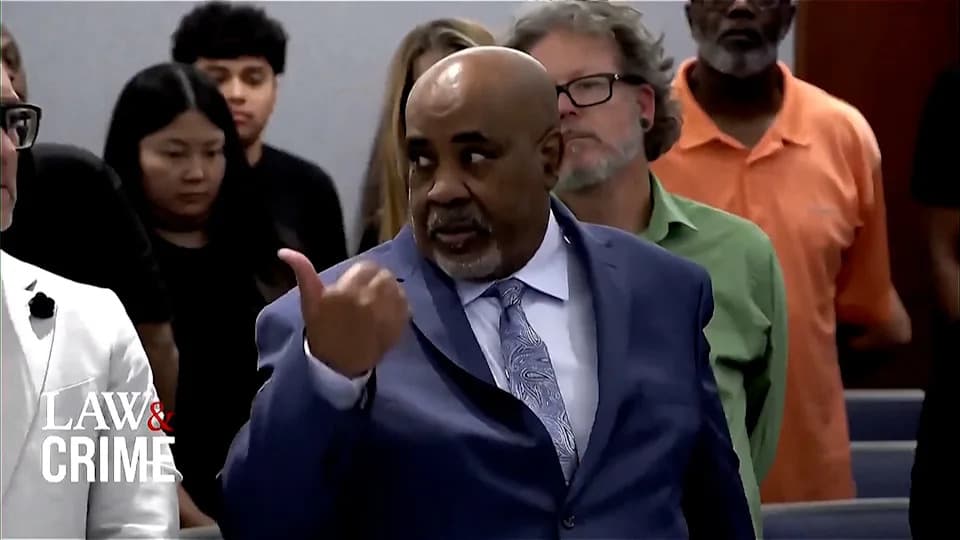
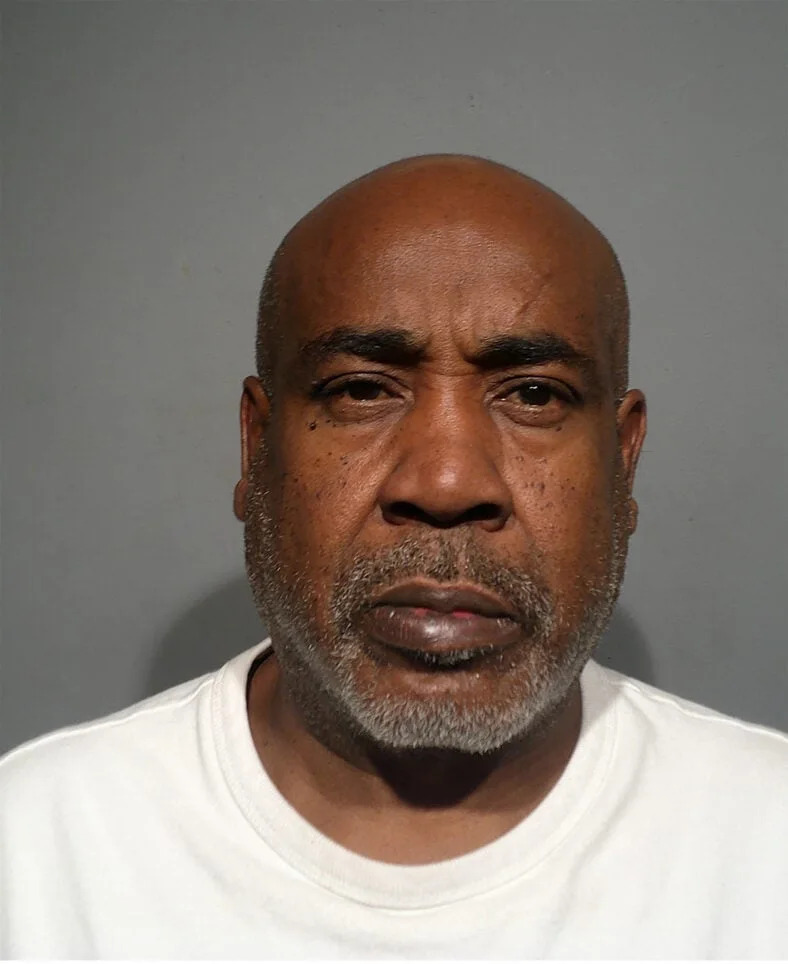
Davis has pleaded not guilty. His attorney, Michael Sanft, has described the Clark County District Attorney’s case as weak and has sought to distance Davis from passages in the memoir by saying the book was produced by a ghostwriter. Sanft declined to comment about the recording to The Post.
LVMPD/MEGA
Context Of The Case
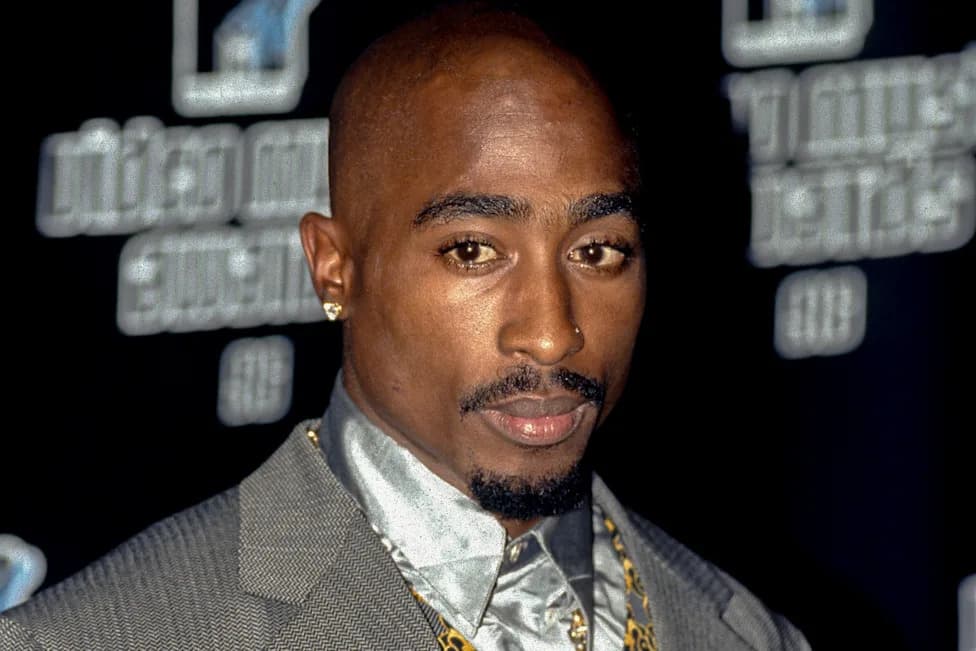
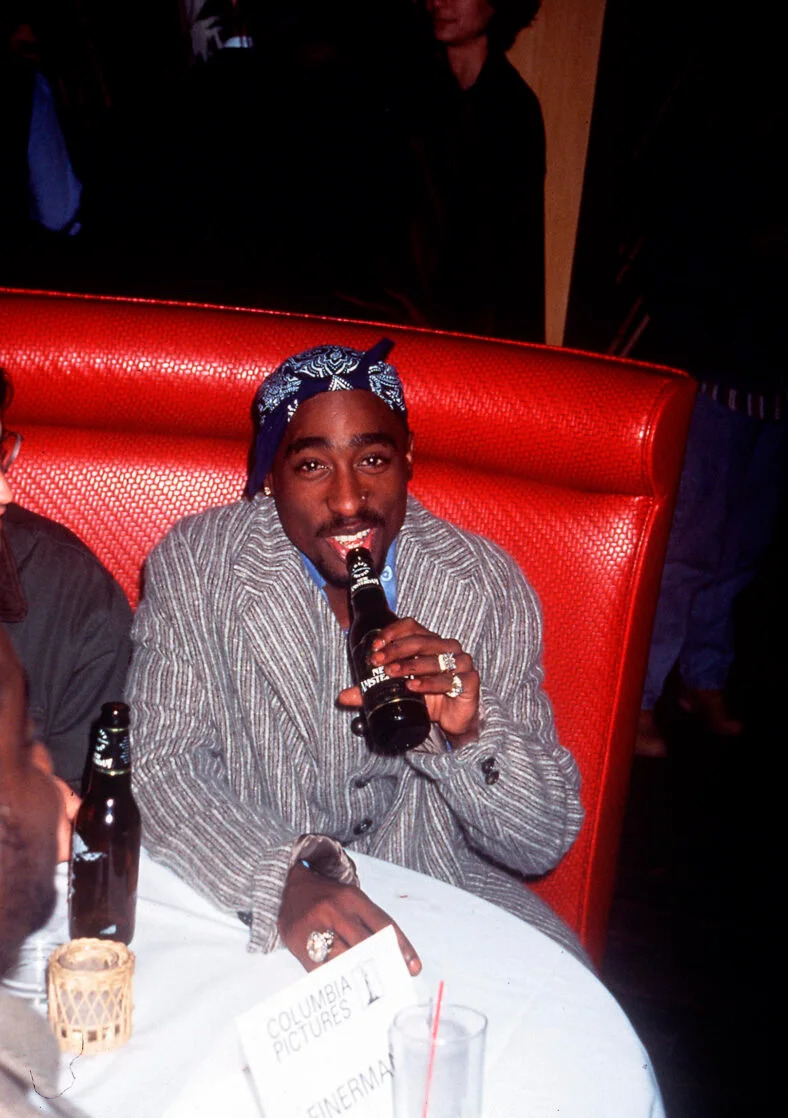
Tupac Shakur was shot on September 7, 1996, while riding in a BMW driven by Death Row co-founder Marion “Suge” Knight after attending a Mike Tyson fight at the MGM Grand. Earlier that night, Shakur and members of his entourage were involved in a physical confrontation with Orlando Anderson in the hotel lobby. In his memoir, Davis recounts that a group went looking for Shakur and Knight following Anderson’s beating; prosecutors allege Davis was a front passenger in a white Cadillac used in the subsequent drive-by shooting.
ZUMAPRESS.com / MEGA
The memoir describes a 40-caliber Glock being present in the Cadillac; law enforcement sources quoted by The Post have said the front passenger had such a weapon. Shakur was struck multiple times and died six days later at age 25. Davis has long blamed Anderson for the shooting; Anderson was killed in an unrelated gang shooting in 1998. Two other men alleged to have been in the Cadillac have also died, leaving Davis and Knight as the only living figures publicly tied to the incident.
LVMPD/MEGA
Additional Threads Prosecutors May Use
The recorded call also reportedly references former LAPD detective Greg Kading, who publicly linked Davis to the slaying in his 2011 book Murder Rap, and connects Davis to several individuals expected to be relevant at trial, including Devonta “Dirt Rock” Lee, who testified to the grand jury and may appear as a witness.
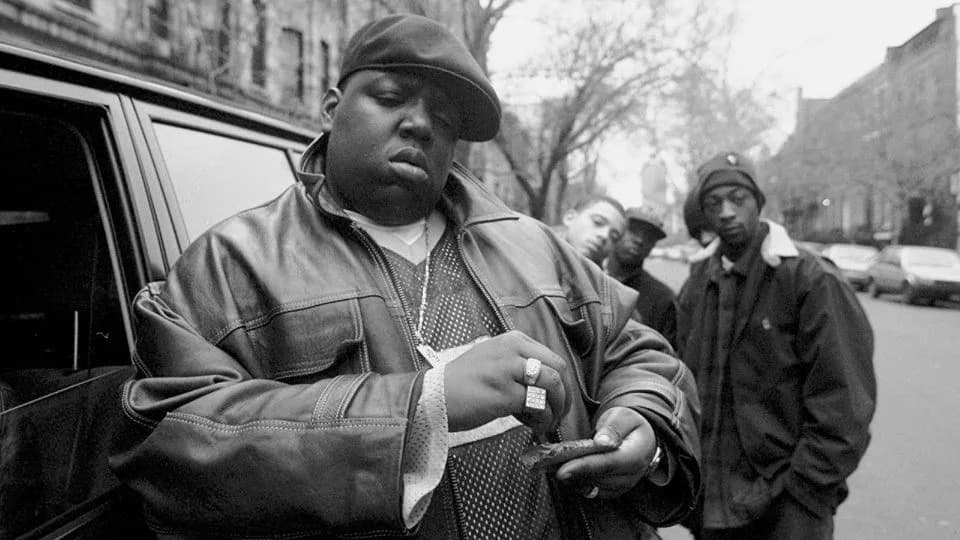
Earlier, Davis cooperated with investigators probing the 1997 murder of Christopher “The Notorious B.I.G.” Wallace and provided information under a proffer agreement. Officials say that agreement limited the use of statements made in that protected interview but did not shield public statements Davis later made in his memoir or media appearances.
Upcoming Trial
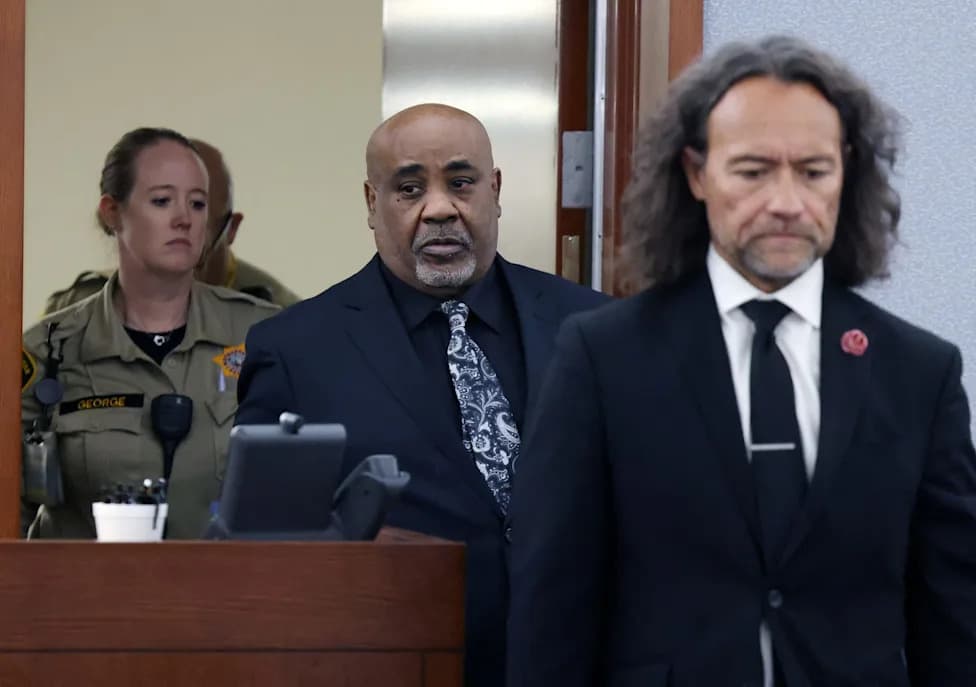
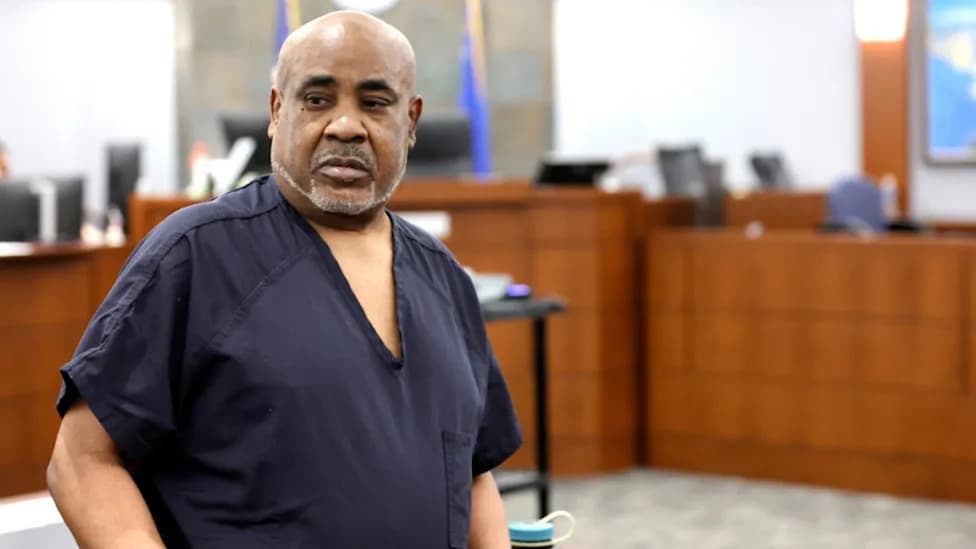
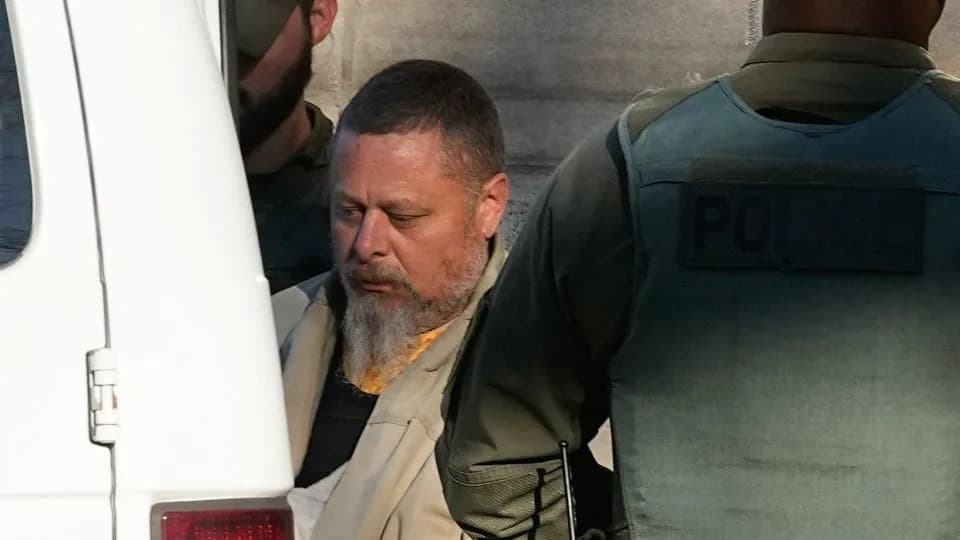
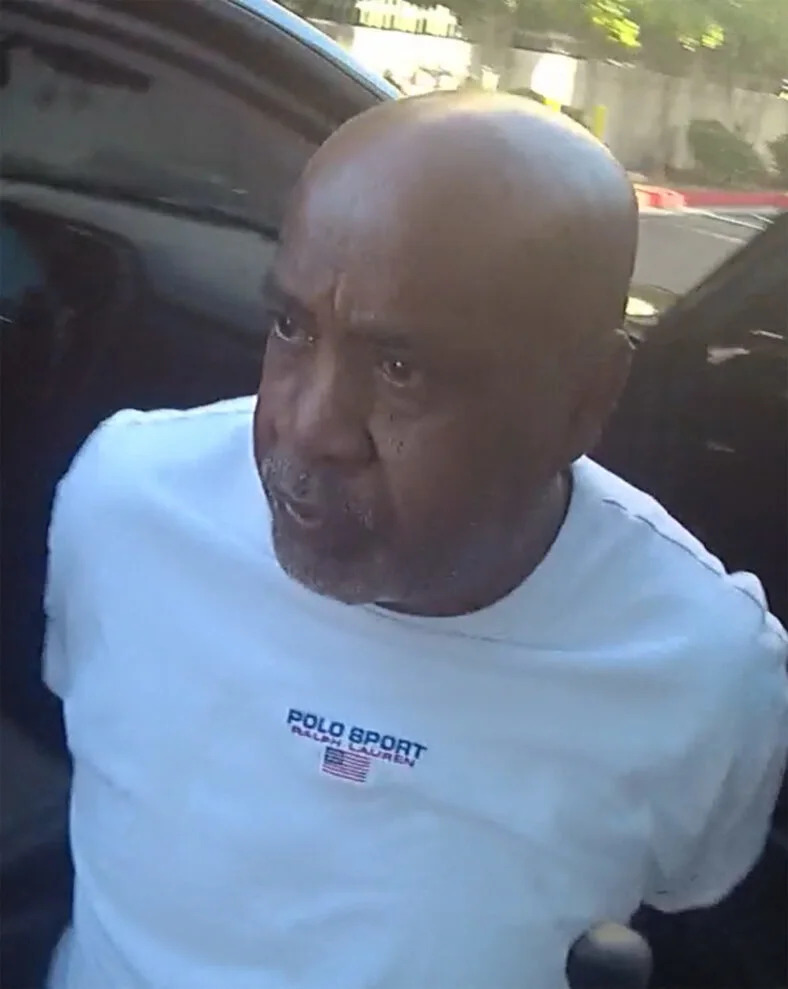
Davis was arrested outside his Henderson, Nevada home on September 29, 2023. Prosecutors have indicated they will offer the jail call as part of a broader evidentiary package to challenge the defense narrative and to impeach credibility ahead of the trial’s opening in Las Vegas. The recording alone does not prove guilt, but it may be used to undermine claims that Davis did not author or endorse the memoir’s account.
Sources: Reporting has cited The New York Post, The Post, and other outlets that obtained audio and law-enforcement statements.
Help us improve.