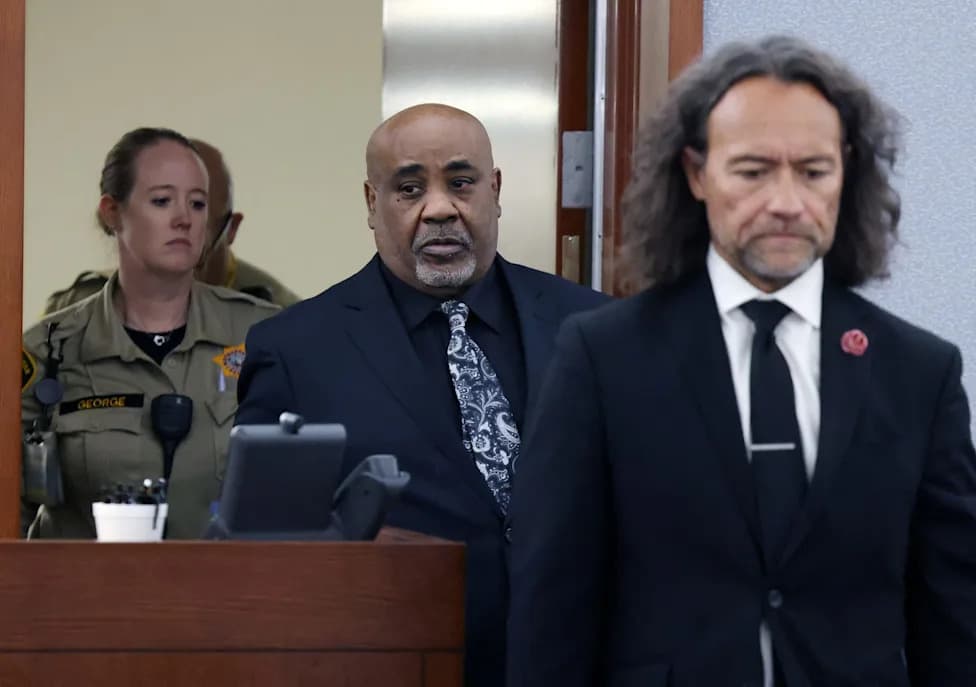
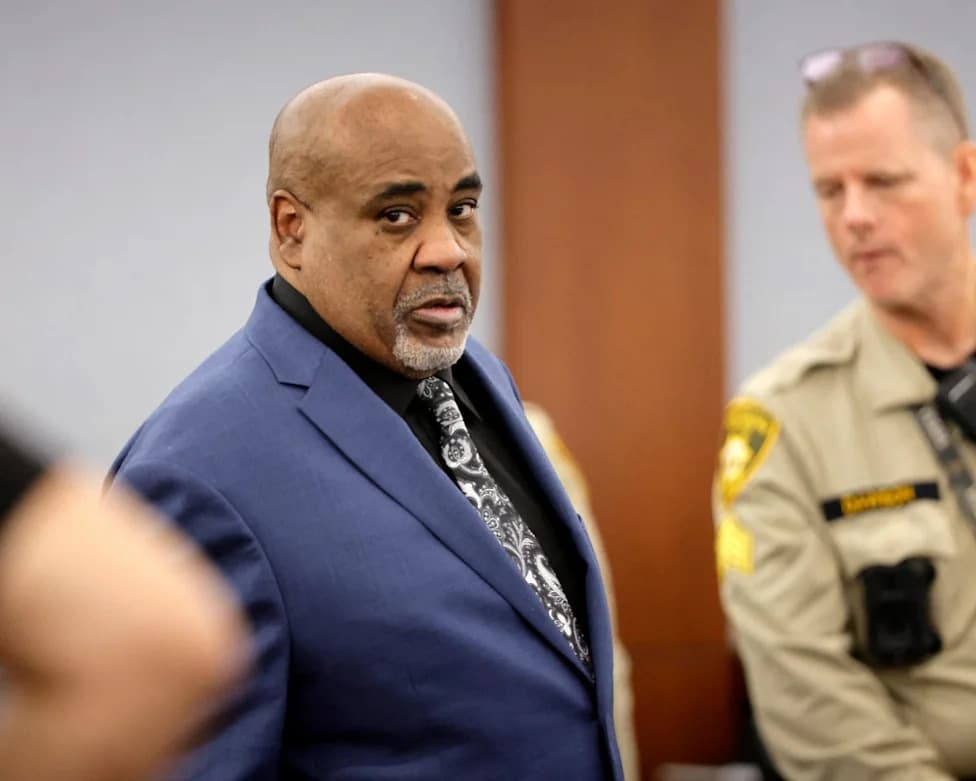
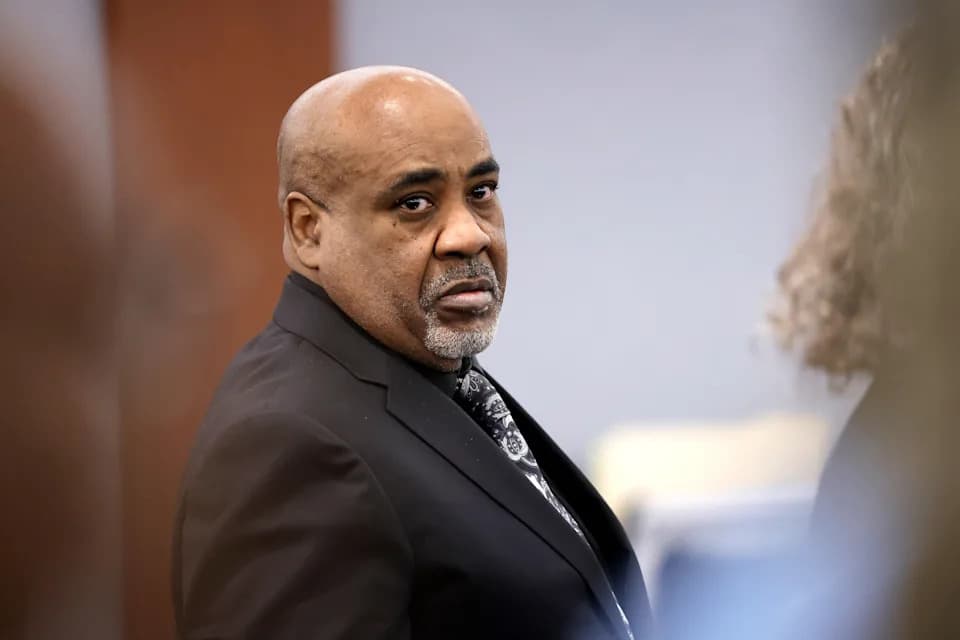
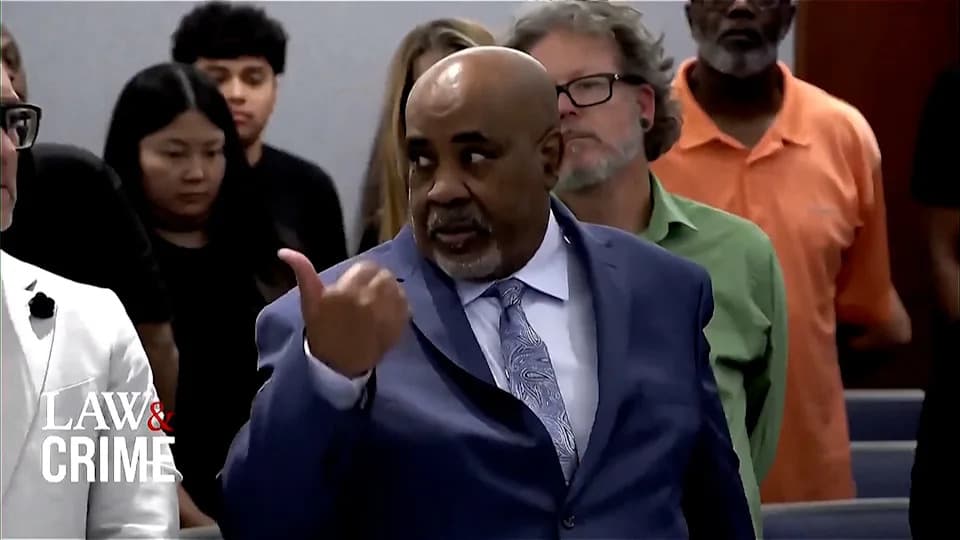
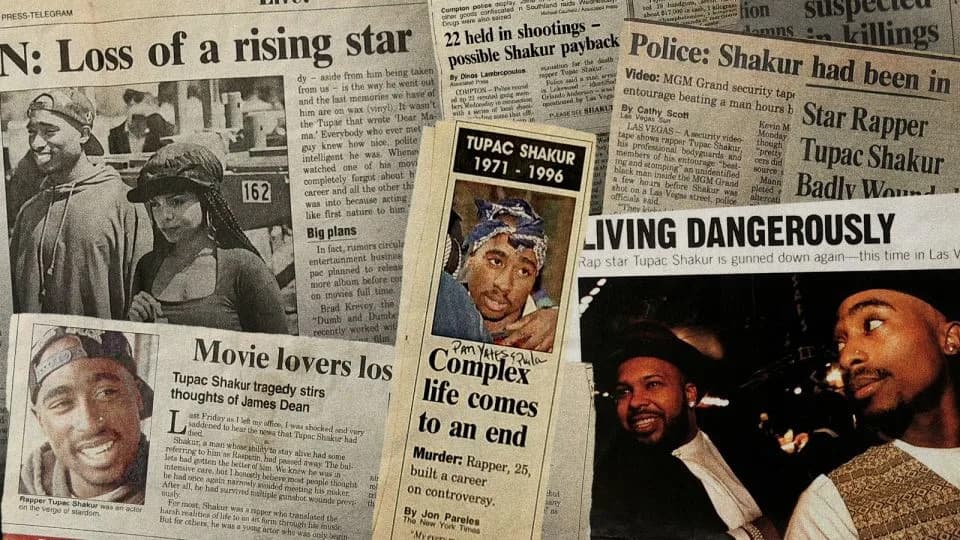
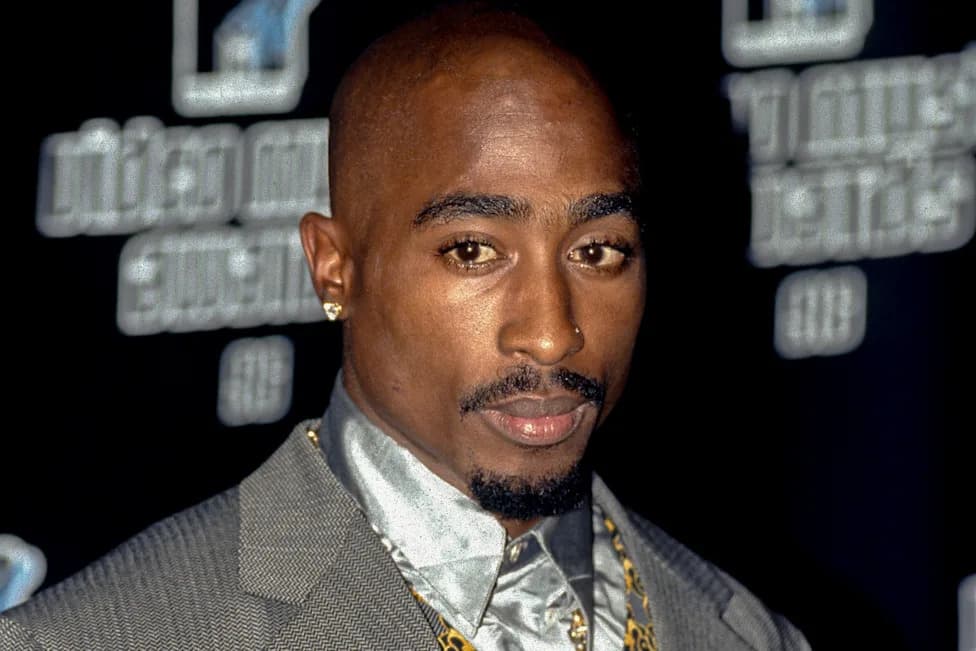
Duane "Keffe D" Davis was convicted last month of first-degree murder in the 1996 Las Vegas shooting that killed Tupac Shakur, nearly 30 years after the attack. Prosecutors relied heavily on Davis's own memoir and proffer interviews, while several other alleged participants have since died. Maurice "Mopreme" Shakur has filed a pending wrongful death suit, but family and observers say legal closure cannot replace the life and potential lost. The conviction is a milestone, but many describe the outcome as incomplete and emotionally insufficient.
Three Decades Later: Tupac’s Death Brings Conviction — But Many Say Justice Is Incomplete
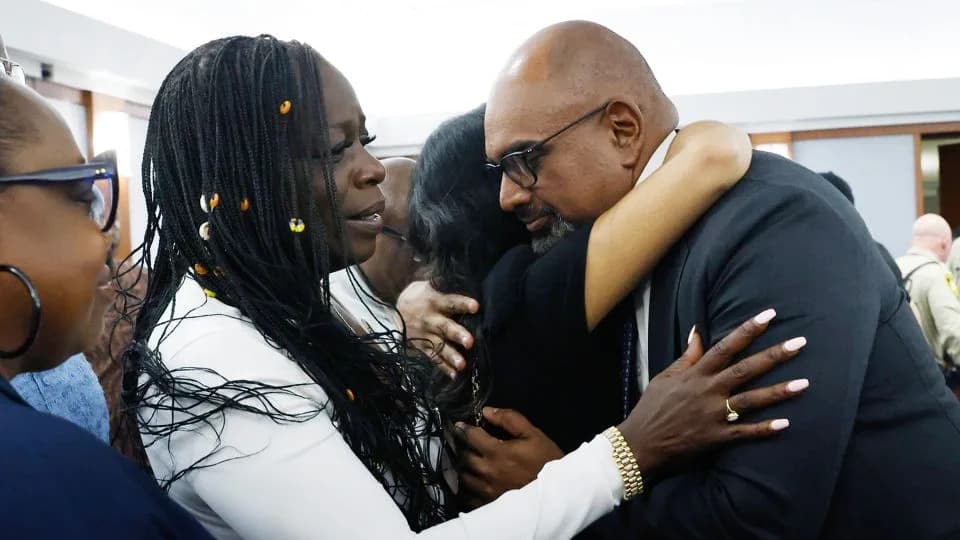
Friends and family members of rapper Tupac Shakur, including his sister Sekyiwa Shakur (second from left) line up to hug Chief Deputy District Attorney Binu Palal (right), after a jury found Duane Davis guilty of first-degree murder. - Bizuayehu Tesfaye/Las Vegas Review-Journal/AP
Nearly 30 years after Tupac Shakur was fatally shot in Las Vegas, a criminal conviction has finally been secured — but for many friends, family and fans the legal outcome feels partial and late.
Conviction After Decades
Duane "Keffe D" Davis was convicted last month of first-degree murder in the 1996 killing of Tupac Shakur. Prosecutors say Davis rode in the white Cadillac from which shots were fired at the BMW carrying Death Row Records co-founder Marion "Suge" Knight and Shakur, who was a front-seat passenger. Knight was grazed; Shakur was struck multiple times, including a wound that pierced a lung. He died six days later.
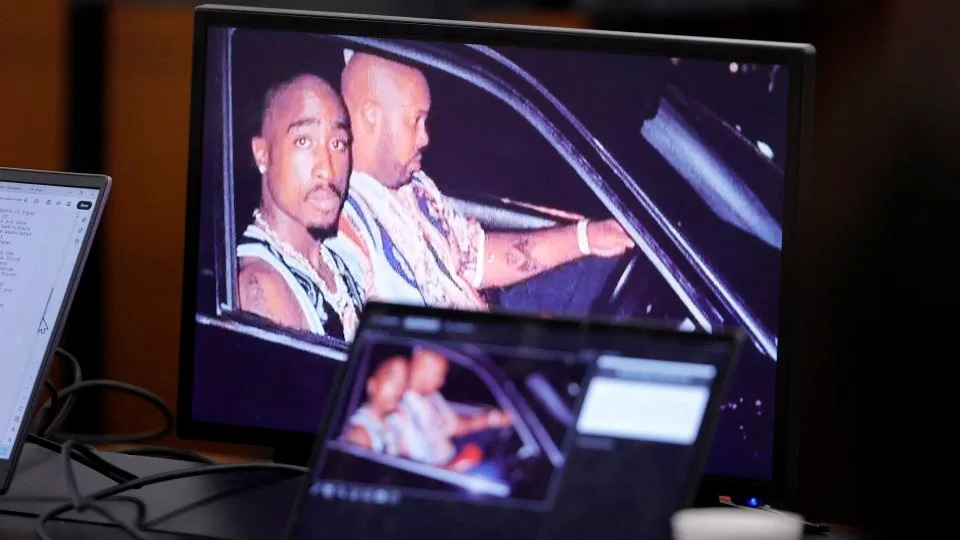
Tupac Shakur (left) and Marion "Suge" Knight are seen in a photo taken before the shooting. The photograph was shown during closing arguments in the murder trial of Duane Davis, who was convicted last month. - Steve Marcus/AFP/Getty Images
Evidence and Controversy
Much of the prosecution's case leaned on Davis's own statements — including a 2016 co-authored memoir and recorded interviews he gave to investigators in 2008 and 2009 under a proffer agreement. In that book, Davis described his role in the shooting; at trial his attorney argued he hadn't written parts of the book and exaggerated details to sell copies. Legal experts note that proffer interviews, sometimes called "Queen for a Day" statements, can be complex evidentiary tools with limited protections.
Others Linked To The Case
Authorities have identified other alleged occupants of the Cadillac as Orlando "Baby Lane" Anderson (Davis's nephew), Deandre "Big Dre" Smith and Terrence "Bubble Up" Brown. Anderson, who had a physical altercation with Shakur earlier that night and has long been suspected of involvement, denied culpability in a 1996 interview and was himself killed in 1998. Smith and Brown have also died, according to Las Vegas police. To date, Davis is the only person criminally charged in the murder.
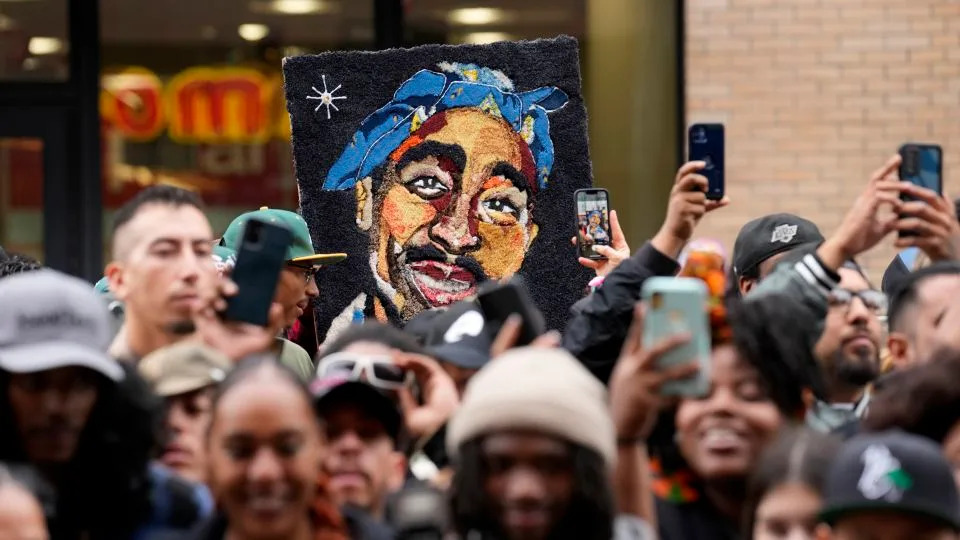
An image of Tupac Shakur appears among fans during a ceremony honoring Shakur with a star on the Hollywood Walk of Fame in Los Angeles in 2023. - Chris Pizzello/Invision/AP
Reactions And Unfinished Business
Reactions to the conviction were mixed. Some took solace in seeing any accountability after three decades; others called the verdict hollow because it cannot restore the life and potential lost. Author Jeff Pearlman said Shakur was more than an artist — he carried an ethos of speaking up against authority — and lamented what might have been. P. Frank Williams, who produced a 2017 documentary on the case, said the killing robbed the world of both artistic talent and potential social leadership.
"The justice I would like, I will never get. I want my brother back," — Maurice "Mopreme" Shakur, Tupac's stepbrother.
Civil Case And Ongoing Questions
Beyond the criminal trial, Maurice "Mopreme" Shakur filed a wrongful death lawsuit earlier this year naming Davis and other unnamed defendants, saying there remain individuals not yet held accountable. The civil case seeks to press those claims, but family members acknowledge that legal rulings cannot replace Tupac himself.
Legacy
Shakur left an enduring cultural legacy: hit records such as "Dear Mama" and "California Love," acting roles in films like Juice and Poetic Justice, and a posthumous body of work that continued to build his influence. For many, the recent conviction is a milestone in a long story — an important but incomplete chapter in a tragedy that permanently altered hip-hop and the lives of those who knew him.
Help us improve.