The Indiana Court of Appeals heard arguments from Richard Allen's attorney seeking a new trial in the 2017 Delphi murders, asserting confessions were obtained while Allen suffered psychosis in solitary confinement and that a police sketch that did not resemble him was withheld. Judges probed why the trial excluded defense experts on alleged ritual markers and ballistics and why certain audio evidence of Allen was not played for jurors. Prosecutors maintain Allen's statements and timeline evidence point to his guilt; the appeals court will issue a ruling later.
Man Serving 130 Years Seeks New Trial, Says Confessions Came During Psychosis; Appeals Court Probes Withheld Sketch and Excluded Experts
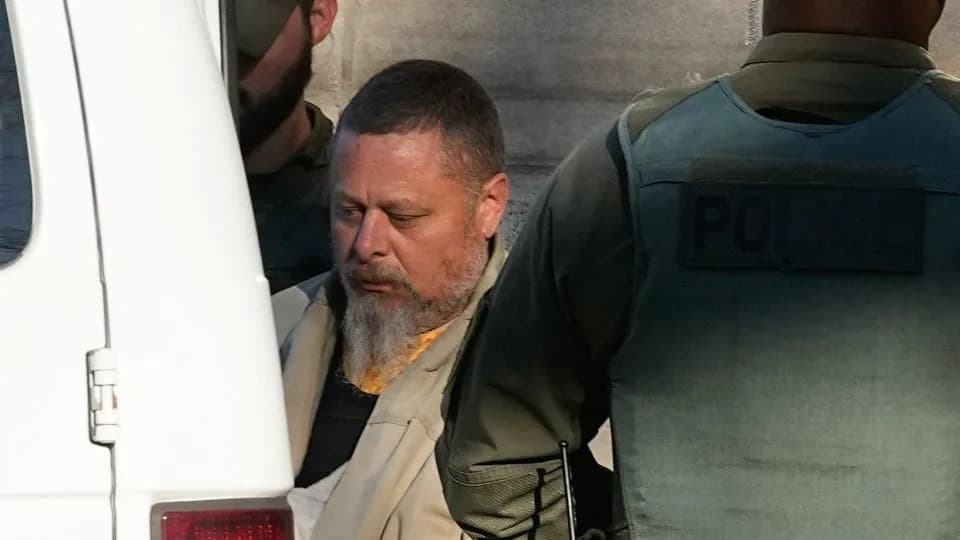
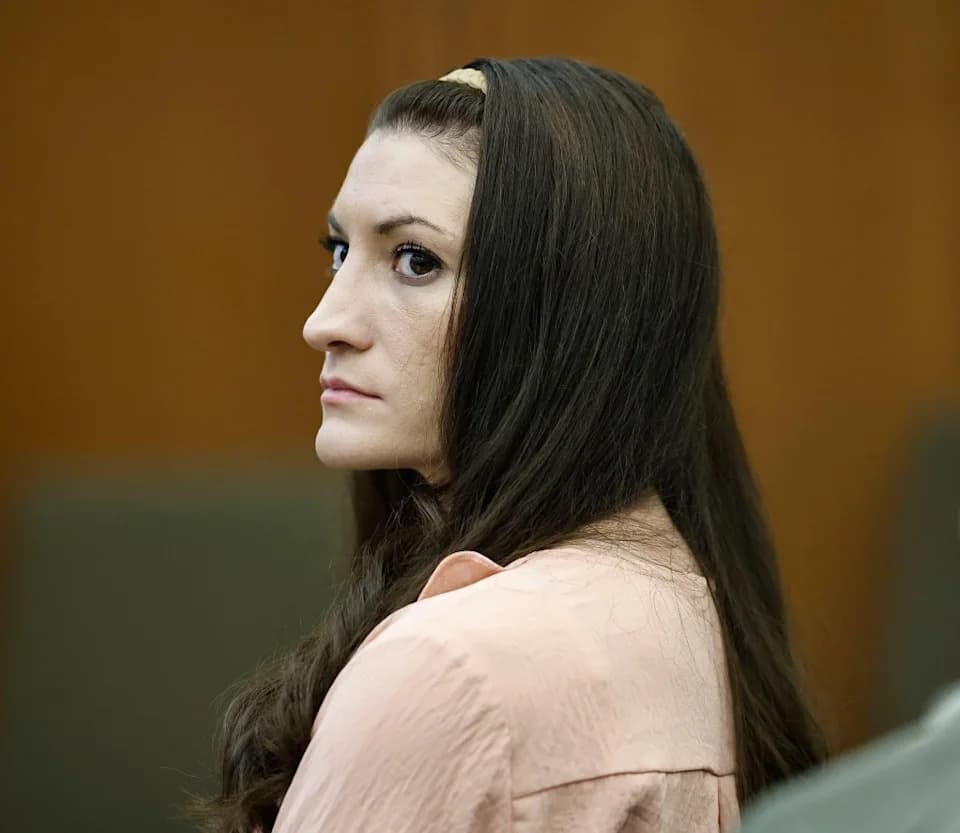
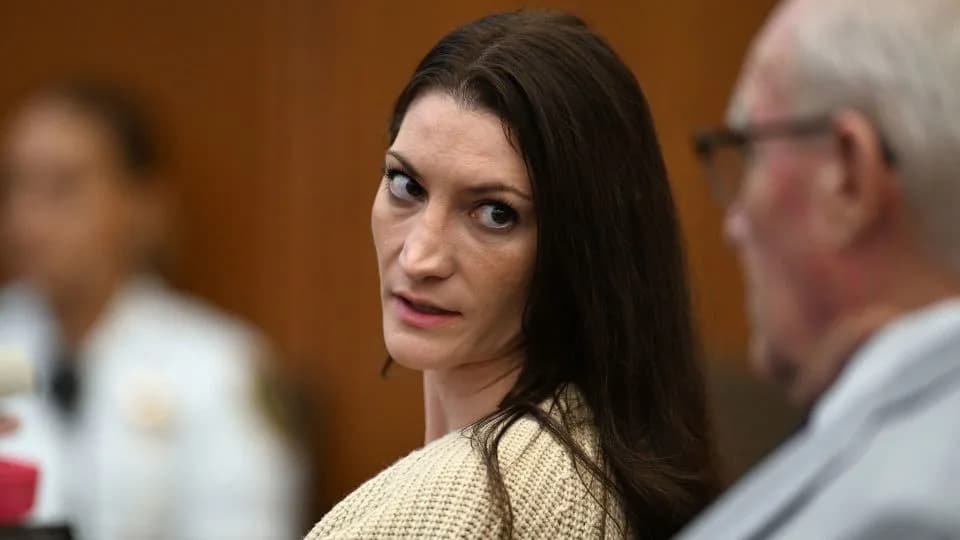
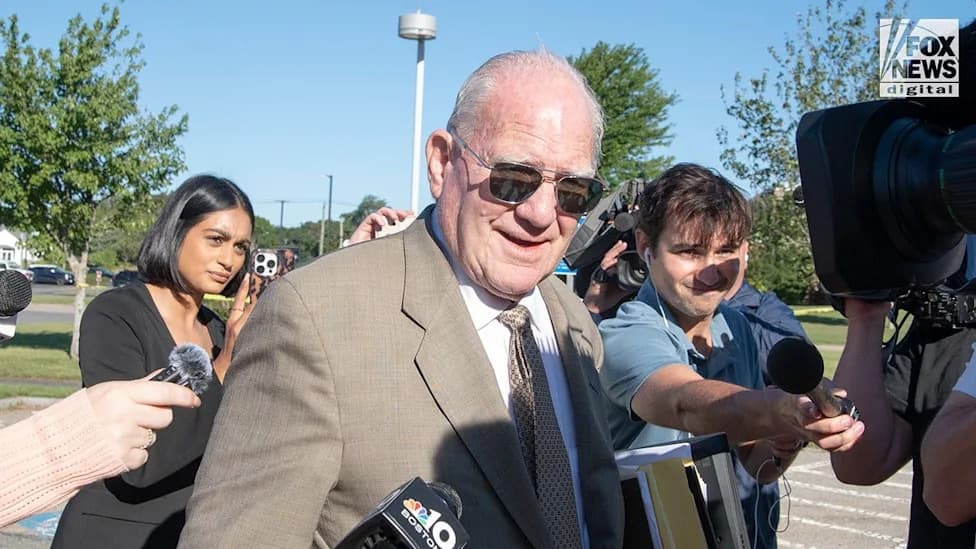
Officers escort Richard Allen out of the Carroll County Courthouse on November 22, 2022, in Delphi, Indiana. - Darron Cummings/AP/File
An attorney for Richard Allen, who is serving a 130-year prison sentence after his 2024 conviction in the killings of two Indiana teens, asked the Indiana Court of Appeals to grant a new trial, arguing police relied on confessions made while Allen suffered psychosis and withheld potentially exculpatory evidence.
Background
Allen was convicted in 2024 in the deaths of Abigail "Abby" Williams, 13, and Liberty "Libby" German, 14. The girls' bodies were found on February 13, 2017, down a steep embankment from an abandoned railroad trestle on a hiking trail near Delphi. Both victims had their throats cut; branches were strewn over the bodies, one girl was found nude and the other was wearing the first victim's clothes. Authorities reported no evidence of sexual assault.
Arguments Before the Appeals Panel
At a hearing before a three-judge panel, defense attorney Mark Leeman argued investigators were focused on securing a conviction and relied on statements obtained after Allen’s mental state deteriorated while he was held in solitary confinement. Leeman also said a police sketch of a man seen near the trail was not shown to jurors and that the sketch did not resemble Allen.
"We live in a world where one or two things happen here," Leeman told the court. "A pharmacy tech with no criminal history goes out for a walk... and decides to gruesomely murder two girls. Or, we live in a world where the police through confirmation bias failed to find the right guy."
Indiana Deputy Attorney General Ellen Meilaender told the panel that Allen supplied the strongest evidence against himself when he admitted to police he had been on the trail where the girls were found, though he denied seeing them. "Allen denied seeing Abby and Libby there, even though the timeline evidence indisputably shows he must have done so, which was consciousness of guilt," Meilaender said.
Key Legal Issues Raised
- Confessions and Mental State: Defense says Allen’s confessions occurred after severe psychological decline in solitary confinement and while he experienced psychosis; prosecutors say some statements coincided with Allen viewing evidence.
- Withheld Sketch: The defense contends a police sketch of someone seen near the trail was not turned over to the defense and that the sketch did not resemble Allen.
- Excluded Expert Testimony: Judges questioned why the trial court barred a defense expert who would have testified that the scene showed signs consistent with ritualistic violence and another expert who would have challenged testimony that markings on an unfired bullet could be uniquely tied to Allen’s gun.
- Evidence Presented to Jurors: The appeals panel asked why jurors were shown video of Allen’s unusual behavior but were not played audio in which Allen purportedly made grandiose or delusional claims.
Evidence and Trial Contentions
Prosecutors told the appeals court that Allen admitted he had been on the trail and that timeline evidence supports the conclusion he must have seen the girls, which they say indicates consciousness of guilt. Prosecutors also presented expert testimony that an unspent bullet found between the victims had been "cycled through" Allen's handgun, a point the defense wanted to challenge.
The defense emphasized there was no eyewitness who explicitly identified Allen as the man seen in the short video recorded by one victim, and said no fingerprint, DNA, or other forensic evidence tied Allen directly to the scene. They maintain that prolonged isolation led to mental deterioration and false confessions.
What Comes Next
The three-judge panel repeatedly questioned whether any trial errors would have been harmless given the totality of the state’s evidence. The judges did not issue a ruling at the hearing and said they will announce a decision at a later date.
Case Facts Recap
The girls were dropped off that afternoon and never reached a planned pickup point. One victim captured a short video of a man nearby who is heard saying, "Down the hill." Prosecutors allege Allen, armed with a gun, forced the girls off the trail and initially intended to rape them before killing them; defense attorneys dispute those claims and argue alternative theories should have been considered at trial.
Help us improve.