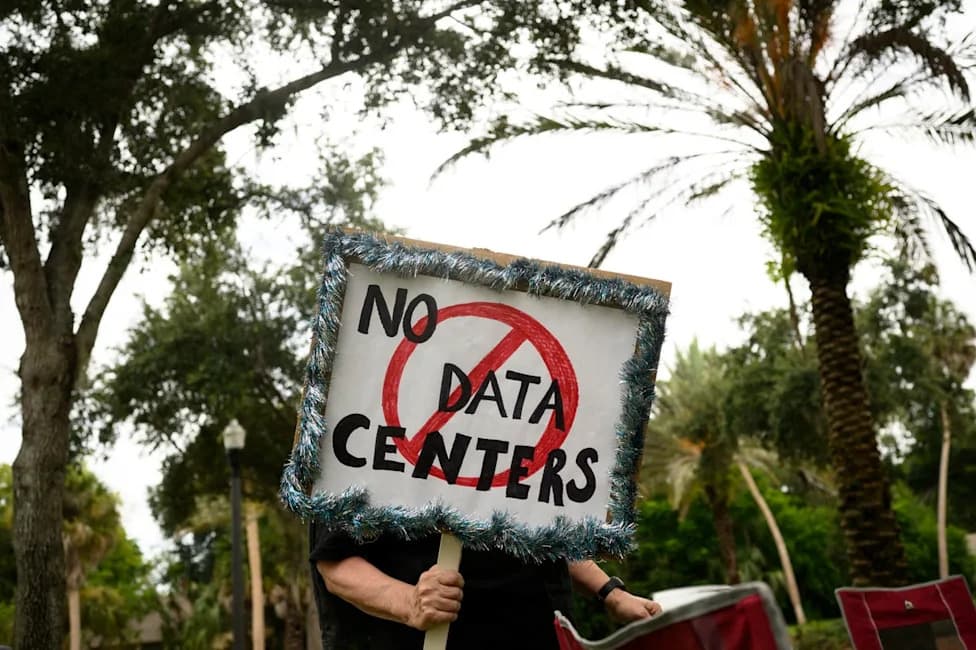
Political fights over expanding data centers have become a central issue in the Kansas governor's race, cutting across traditional party lines. Nearly 40 facilities already operate in the state while more projects and tax-break proposals remain under review. Voter concerns center on large energy and water demands, 20-year tax incentives, and whether local communities — not state politicians — should decide the trade-offs. Campaigns and regulators are recalibrating as public opposition grows.
Data Center Backlash Upends Kansas Governor's Race — Voters Worry About Water, Power and Tax Breaks
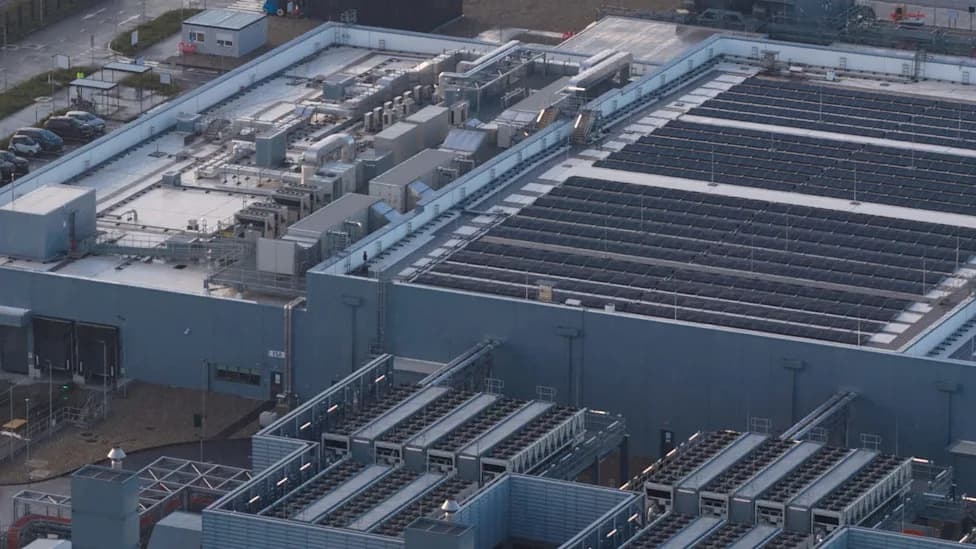
Photo Credit: iStock
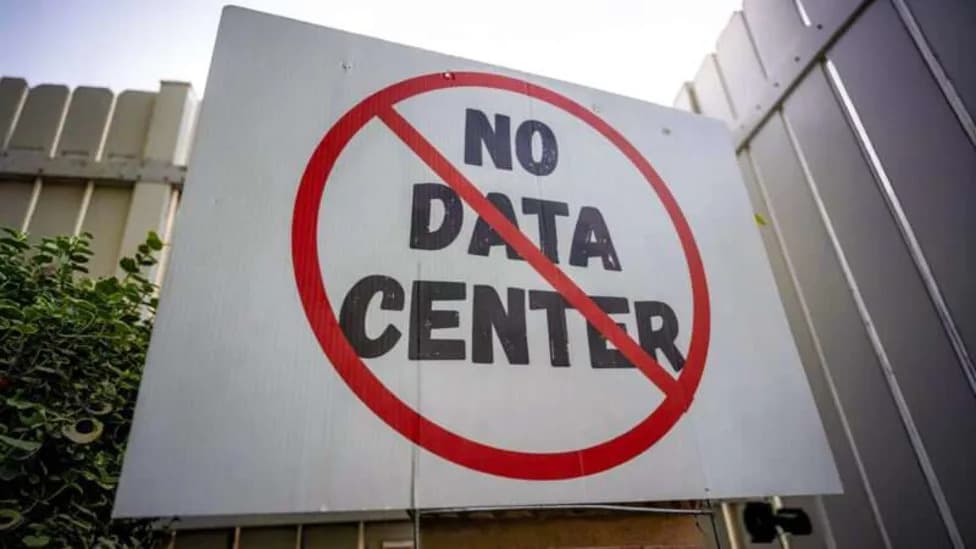
In Kansas, disputes over the rapid expansion of data centers have moved to the forefront of the governor's race, transforming a technical development-policy discussion into a broad political issue that crosses party lines.
What’s at Stake
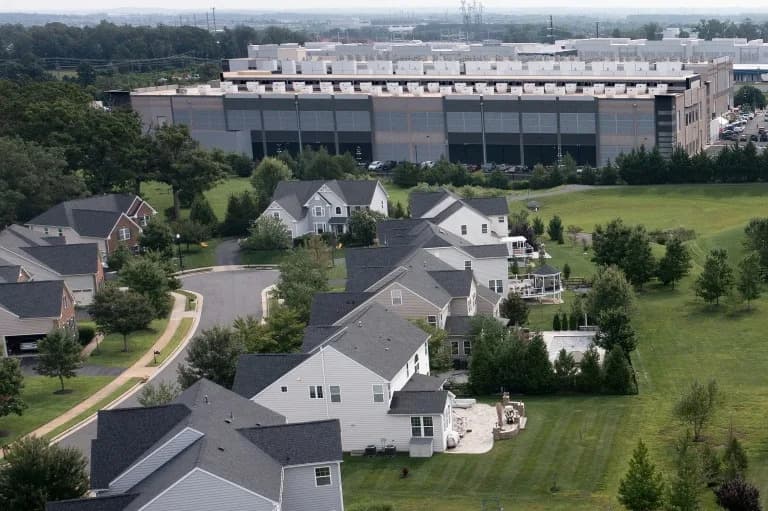
Kansas already hosts nearly 40 data centers, and several new proposals remain under review. Supporters highlight economic investment and technology jobs; critics argue the facilities place heavy demands on local water supplies, electricity systems and municipal budgets — especially when projects come with tax incentives that can last up to 20 years.
Politics And Polling
According to Politico, the backlash has scrambled conventional partisan alignments ahead of the primaries. Republican Philip Sarnecki has spent more than $300,000 targeting State Senate President Ty Masterson for backing a 2025 law that broadened data center development. State Sen. Cindy Holscher, who also supported that law, has since called for a moratorium on new projects. Among her critics is Democratic candidate Ethan Corson, who is endorsed by outgoing Governor Laura Kelly.
"It's bleeding across both primaries and it's blurring traditional party stances," said Bob Beatty, a political science professor at Washburn University, attributing the shift to a growing "fear around AI."
Broader Concerns
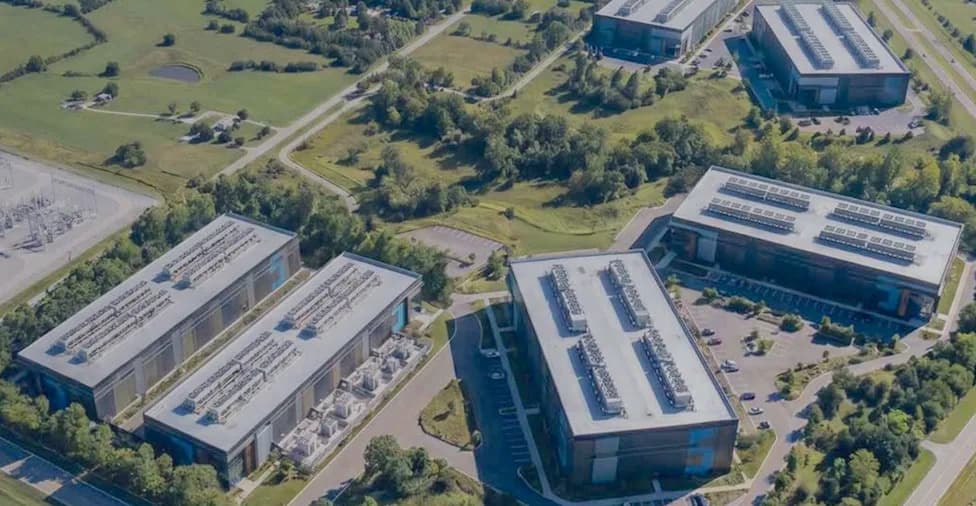
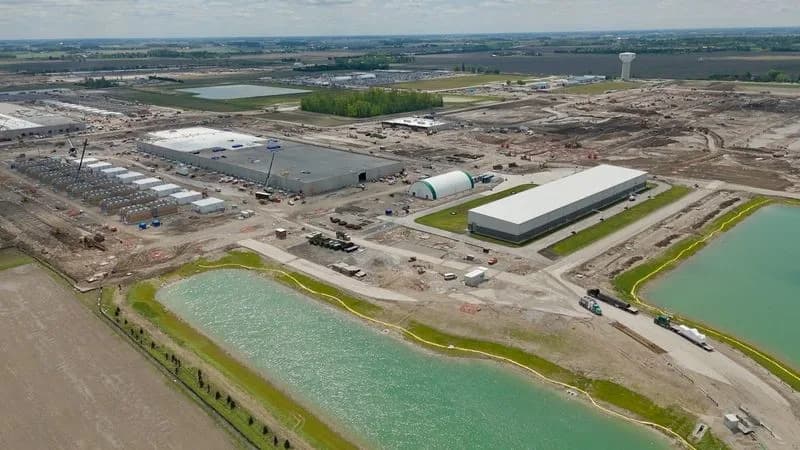
Data centers form the physical backbone of the digital economy, storing massive volumes of information and powering cloud services and artificial intelligence tools. But they require large amounts of electricity and, in many cases, significant volumes of water for cooling. The AI boom intensifies pressure on the electric grid because training and operating advanced models can sharply increase energy demand.
Critics warn of higher energy and water consumption, potential security vulnerabilities and the possibility that ordinary consumers could face higher utility bills if communities must pay for costly grid upgrades.
Policy Responses And Local Control
The political backlash could prompt lawmakers and regulators to demand tougher reviews of future projects — including closer scrutiny of water use, power demand, grid upgrades and whether long-term tax incentives make sense for individual communities. Local public hearings, county meetings and state regulatory filings will be key in determining project costs, required safeguards and who bears financial and infrastructure risks.
"Ultimately, these decisions should be made by communities, not by politicians in Topeka," Ethan Corson said in a statement to Politico.
Help us improve.