The World Weather Attribution team at Imperial College London found that human-driven warming made the hot, dry and windy conditions behind Canada’s 2026 wildfires about two or more times more likely. Comparable fire-weather now appears roughly every 2–6 years in the Northwest Territories and every 6–15 years in Ontario, versus less than once every 40 years without climate change. The 2026 season burned about 9.4 million acres by early August, disproportionately impacted First Nation communities, and produced hazardous PM2.5 smoke levels — underscoring the urgency of cutting fossil-fuel emissions and improving protections for vulnerable communities.
Study: Canada's 2026 Wildfire Weather Now Far More Frequent — Climate Change Doubled The Risk
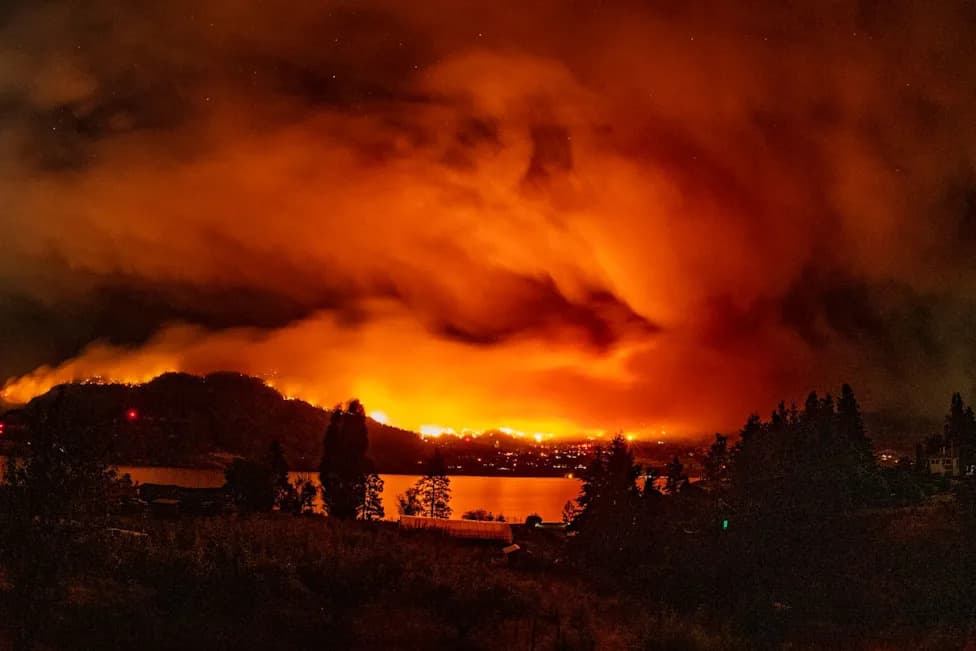
Photo Credit: iStock
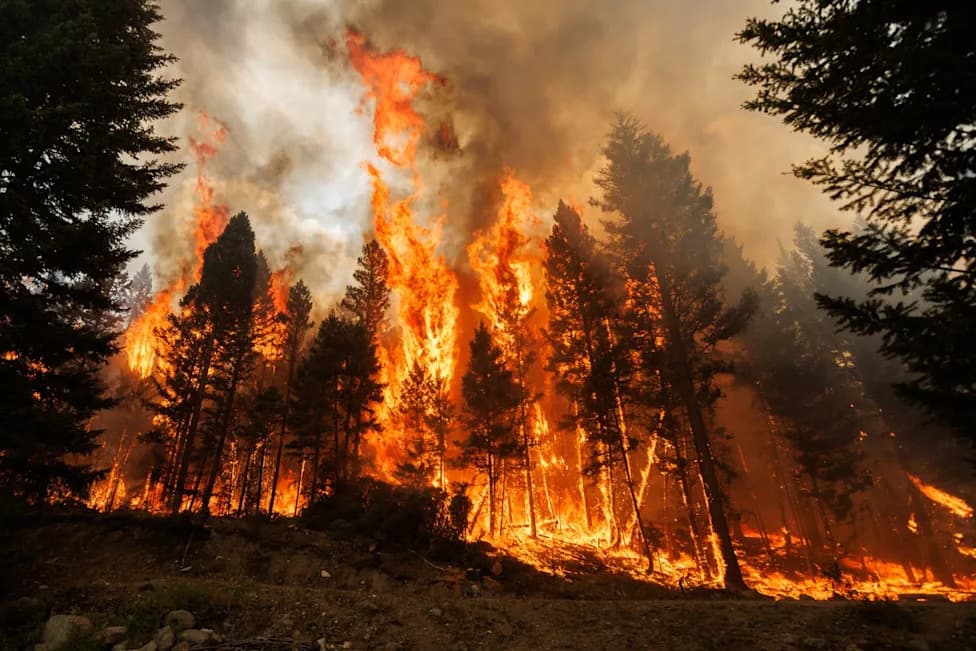
A new analysis by the World Weather Attribution team at Imperial College London links the extreme 2026 wildfires in Ontario and Canada’s Northwest Territories to human-driven warming. The researchers conclude that fossil fuel–driven climate change made the hot, dry and windy conditions that fueled the 2026 season roughly two or more times more likely than they would have been under pre-industrial conditions.
The study finds that repeated spells of intense heat, prolonged dryness and heavy lightning activity combined to intensify fires through July 2026. From observational records, the team estimates comparable "fire-weather" now appears about every 2–6 years in the Northwest Territories and every 6–15 years in Ontario. By contrast, those same combinations of extreme heat, dryness and wind would have been expected less than once every 40 years without climate change.
Scope of the 2026 season. By early August 2026 roughly 9.4 million acres had burned in Canada — well above the 30-year annual average of 6.7 million acres for 1994–2023 — and the authors flagged the "exceptionally rapid rate" at which burned area accumulated, especially during abrupt blowups in northwestern Ontario.
Disproportionate impacts on Indigenous communities. The report notes that First Nation communities were disproportionately affected: 13 Ontario communities, most small and remote First Nations settlements, were placed under evacuation orders. The authors emphasize that evacuations can be especially traumatic for Indigenous populations because they can cause property loss, interrupted access to hunting grounds and traplines, and can revive the historical trauma associated with forced displacement.
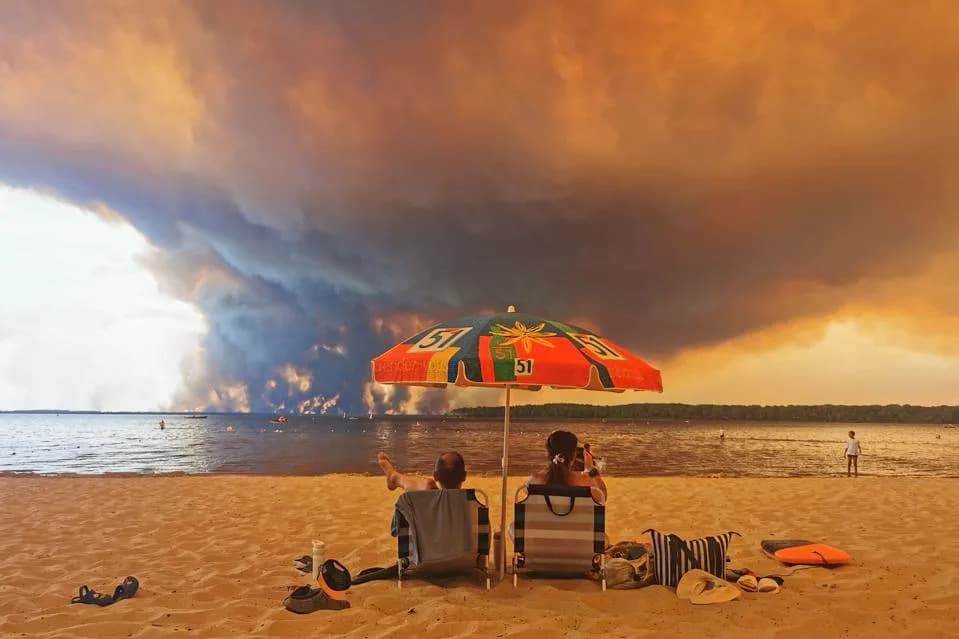
Air quality and health risks. Smoke was a major additional hazard: the report cites PM2.5 index values considered hazardous above 300, with some parts of North America topping 1,000 during 2026 smoke events. The team also referenced a 2025 study estimating that PM2.5 exposure from the 2023 Canadian wildfires contributed to approximately 5,400 acute deaths and 64,300 chronic deaths across North America and Europe.
What attribution studies provide. Attribution analyses are designed to give policymakers and the public timely scientific evidence about the role of human-induced climate change in extreme events. As report co-author Friederike Otto — a professor at Imperial College London’s Centre for Environmental Policy — explained at a media briefing: "The doubling might sound very little, but the impacts of that are really, really strongly non-linear, so a small change makes a huge difference for an ecosystem, and a community."
Policy implications. United Nations climate chief Simon Stiell used the report’s findings to urge a faster transition away from fossil fuels toward cleaner energy and to call for stronger protections for communities already bearing the heaviest impacts, including Indigenous peoples on the front lines.
Bottom line: The study underscores that climate change is already making extreme fire-weather far more common in large parts of Canada, increasing the frequency of dangerous wildfire seasons and amplifying risks to health, ecosystems and vulnerable communities.
Help us improve.