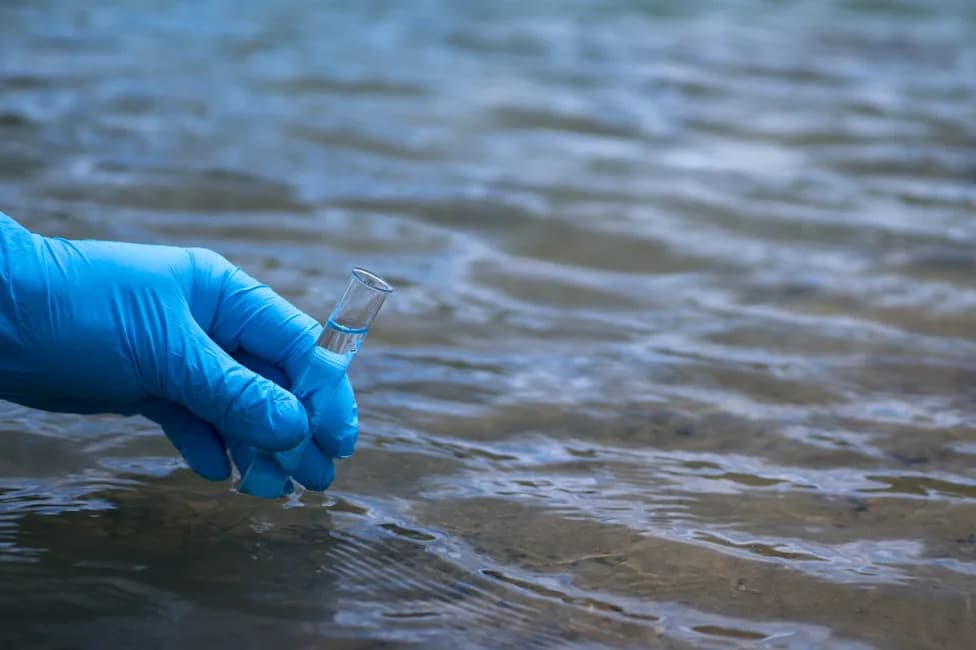
Fresh figures from the Environment Agency (EA), reported by UPI, show England's rivers, lakes and coastal waters remain heavily polluted: only 14% of assessed waters achieved a "good" ecological rating, and every site failed to meet the chemical safety standard.
Key Findings
The EA identified PFAS — so-called "forever chemicals" — and phosphate linked to sewage and agricultural runoff as the primary contaminants. Overall ecological conditions were poor: lakes fared worst, with just 7% judged in good condition, while 15% of rivers received a good rating. The EA also found roughly half of rivers exceeded safe phosphate limits.
Why This Matters
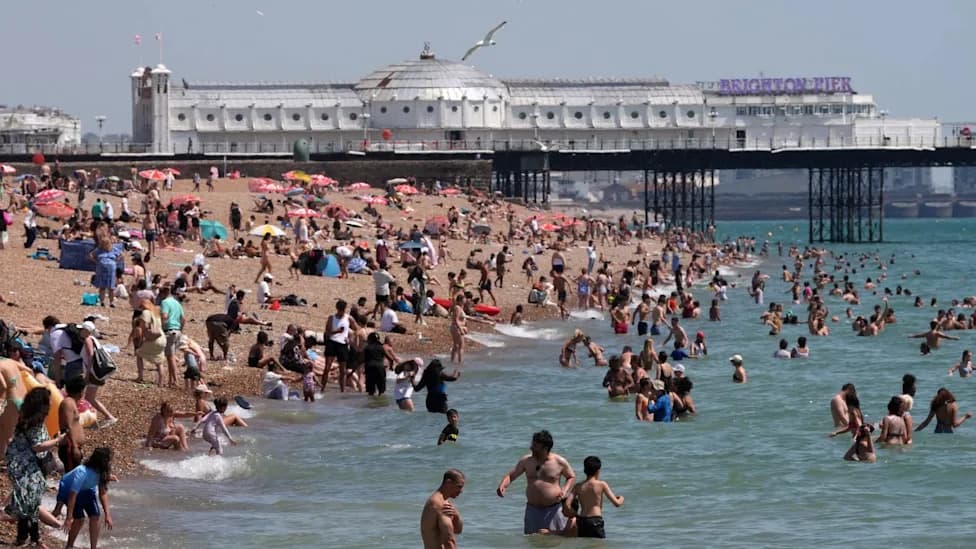
Polluted waters affect swimming, fishing and wildlife, and raise the cost and complexity of treating water for public supply. Persistent chemicals like PFAS break down very slowly, while sewage and farm runoff can fuel algal blooms and damage ecosystems that communities and local economies depend on.
Accountability, Timescales And Responses
The Office for Environmental Protection (OEP) has opened an investigation into the government and the EA after warning the country is likely to miss its 2027 target of getting 77% of waters into good ecological condition by a "considerable margin." The EA has cautioned it could take nearly 40 years for English waters to reach good chemical status, in part because long-lasting pollutants persist for decades.
Environment Secretary Angela Eagle said the findings show the need for "fundamental reform" across the sector, while noting the government has introduced laws to hold water companies legally accountable and overseen record investment tied to a decade-long, $30 billion water cleanup programme. Campaigners argue that investment and regulation have not gone far enough.
"England's rivers are among the filthiest in Europe, poisoned by sewage from polluting, profit-driven water companies and by industrial-scale agriculture," said River Action, as reported by UPI.
Greenpeace U.K. called for faster action on both sewage and agricultural pollution. Ami McCarthy, Greenpeace U.K.'s head of politics, said: "Water companies must be made to take responsibility for their part, but pollution from agriculture is now one of the biggest drivers of environmental damage in U.K. rivers."
What The EA Is Doing
The EA said it is working to identify which chemicals are present across rivers, groundwater and catchments, and to trace pollution sources so targeted measures can be developed. Regulators, environmental groups and industry will need to coordinate to reduce inputs of PFAS and nutrient pollution if improvements are to accelerate.
Implications: Without stronger controls on chemical discharges, sewage incidents and agricultural runoff, England faces prolonged ecological decline in key waterways and higher costs for water treatment and habitat restoration.