Major visa and travel rules changed in 2026, and many will reshape applications by 2027. Key shifts include a wage-weighted H-1B lottery and a new employer fee, ETIAS rollout with a €20 fee and mandatory screening by April 2027, EB-5 regulatory reforms with a Sept. 30, 2026 grandfathering window and an inflation-linked increase in 2027, scaled-back European golden visas, and proposed limits on international students' duration of stay and OPT. Applicants should act quickly to preserve existing benefits.
5 Visa Programs That Will Look Very Different by 2027 — Act Now Before Rules Change

Image credits: Unsplash
Visa rules rarely shift overnight, but 2026 was an exception. Government agencies on both sides of the Atlantic quietly rewrote key requirements that govern work, investment and travel. Many applicants are already feeling the effects in current filings. Some changes were years in the making; others arrived with little warning. Timing is the common thread: by 2027 several major immigration and travel programmes will operate under rules that look very different from those in place just two years earlier.
The H-1B Visa: From Pure Lottery To Wage-Based Weighting
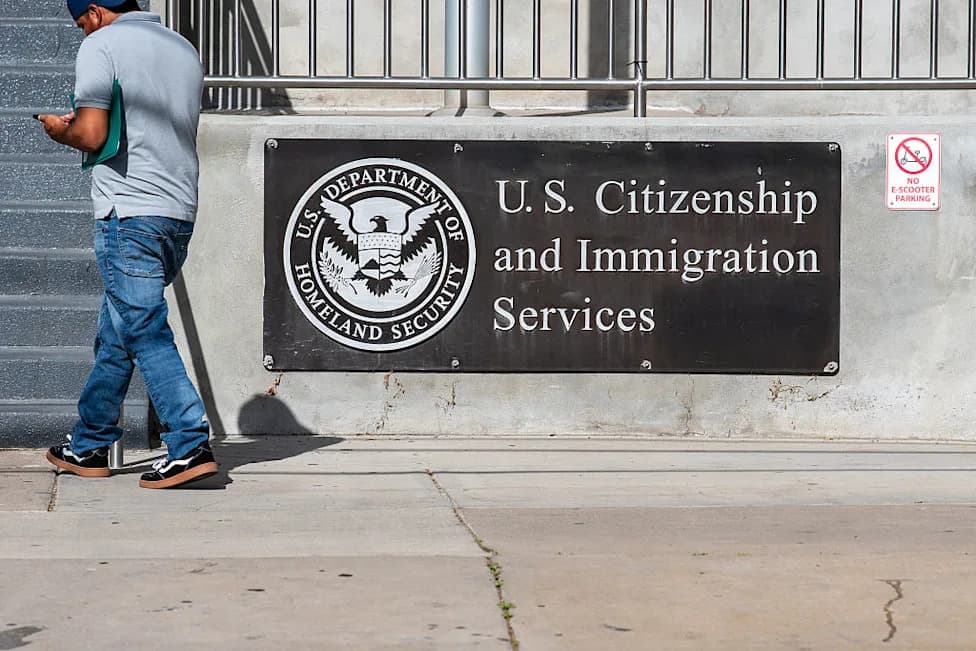
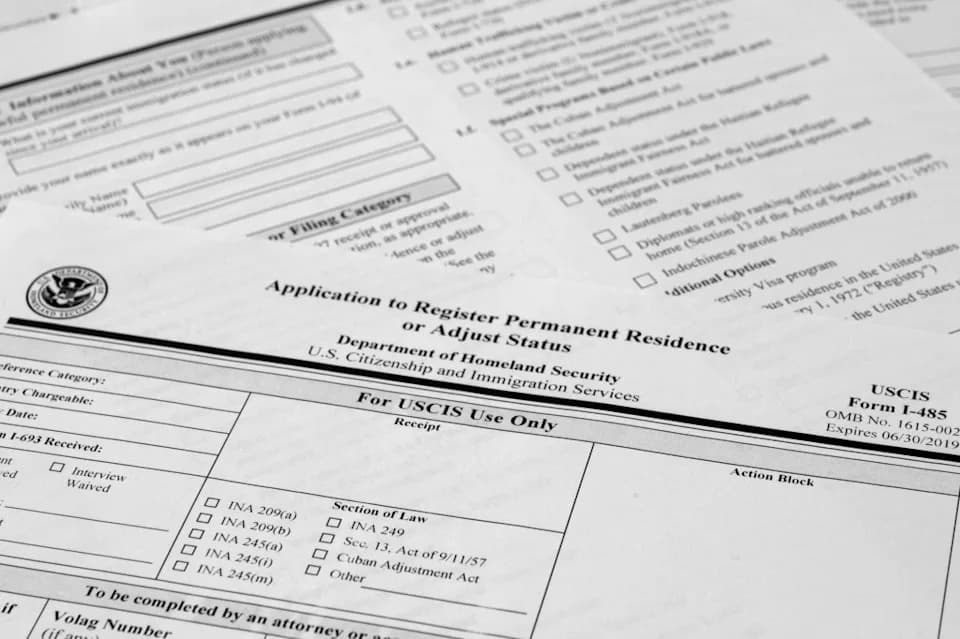
For decades the H-1B selection relied on a random lottery: employers submitted registrations and USCIS selected winners by chance. That system now includes a wage-weighted element. The Department of Homeland Security published a final rule on Dec. 29, 2025, establishing a weighted selection process effective Feb. 27, 2026. If FY2027 registrations exceed the statutory cap, USCIS will assign each registration between one and four entries based on the prevailing wage level the offered salary meets or exceeds, increasing the odds for higher-paid offers.

The H-1B visa: from random lottery to wage-based ranking (Image Credits: Pixabay)
At the same time, a September 2025 policy introduced a significant employer cost: a $100,000 fee on the admission of some new H-1B hires. Combined, the weighted-lottery system and the added fee shift incentives toward higher salaries and away from low-cost offshore staffing models.
ETIAS And Schengen Entry: The End Of Visa-Free Simplicity
Travel into much of Europe has long been straightforward for citizens of the U.S., U.K., Canada and other visa-exempt countries. That ease is changing with the rollout of the European Travel Information And Authorisation System (ETIAS) and the Entry/Exit System. EU Home Affairs ministers endorsed a revised timetable on March 5: ETIAS is expected to go live in Q4 2026 and — after a roughly six-month transition — become mandatory around April 2027.

ETIAS and Schengen entry: the end of visa-free simplicity (Image Credits: Pexels)
The fee has been set at €20 and authorisations will generally be valid for multiple years and tied to a specific passport. By late 2027, many visa-exempt travellers will need prior online screening and a paid ETIAS authorisation before boarding.
The EB-5 Investor Visa: Costlier And Under Tighter Oversight
The EB-5 programme, which awards U.S. green cards to foreign investors who finance job-creating projects, entered a period of regulatory activity in 2026. DHS and USCIS published a Notice of Proposed Rulemaking on July 2, 2026, to implement the EB-5 Reform And Integrity Act of 2022 more fully. The proposal increases oversight of regional centers, tightens evidence standards for job creation, and broadens the government's authority to shut down problematic projects.

The EB-5 investor visa: costlier and under tighter scrutiny (Image Credits: Pexels)
Timing and money matter. There is a grandfathering deadline of Sept. 30, 2026, and an inflation-linked adjustment scheduled for Jan. 1, 2027. Drafts and commentary projected a possible new investment range in the neighborhood of $900,000–$937,500, though final figures depend on the completed rule and could differ from prior thresholds. Investors filing before the fall 2026 cutoff may be able to preserve earlier terms, so the window to act under older rules is narrowing.
Europe's Golden Visas: Fewer Routes And Longer Timelines
Residency-by-investment programmes across southern Europe have been scaled back. Spain terminated its Golden Visa programme effective April 3, 2025. Portugal ended its popular real‑estate route in October 2023 and in mid‑2026 extended the general path to citizenship from five years to ten — a change that applies broadly, not only to former golden-visa routes. Greece remains a key option for property-based residency, but minimums have risen: certain urban and high-demand areas now require investments around €800,000.

Europe's golden visas: fewer routes, longer timelines (Image Credits: Unsplash)
By 2027, the golden-visa landscape will likely include fewer countries, higher minimum investments, and longer waits for citizenship than early applicants expected.
International Students: Changes To Duration Of Status And Post-Study Work
International students in the United States have long benefited from the "duration of status" policy, which lets them remain enrolled without repeated short-term renewals. In August 2025 DHS proposed replacing that approach with fixed admission periods. If finalized, the rule would make extensions subject to government approval and could make it harder for students in programmes longer than four years to remain without extra paperwork.

How I Got My Visa to France (Featured Image)
Work authorisation after graduation is also under pressure. Optional Practical Training (OPT) permits most international graduates 12 months of work in their field, with a 24-month STEM extension available for qualifying degrees. An upcoming administration rule has been signalled that could limit or eliminate OPT and/or STEM OPT, removing a common bridge from study to H-1B employment and forcing students to rethink how they plan U.S. study and career paths.
What This Means For Applicants
Taken together, these changes show a clear pattern: policymakers in the U.S. and EU are trading simplicity and speed for tighter screening, higher costs and longer timelines — whether to protect domestic wages, manage housing markets, or address security concerns. Anyone with a pending filing, or planning to apply, faces a shrinking window to act under the current rules. Consult qualified counsel or official government guidance before filing to understand which deadlines and thresholds may affect you.
Help us improve.