Summary: DHS has proposed ending the discretionary 60-day grace period that allows many H-1B and related visa holders to remain in the U.S. after job loss. The change would apply to several visa categories, affect thousands of workers annually, and could impact hundreds of thousands of dependents. Public comments are open for 60 days; DHS says the move favors U.S. workers and reduces administrative burden, while advocates warn it risks forcing families to leave.
DHS Proposes Ending 60-Day Grace Period for H-1B and Other Work Visas — Major Shift for Skilled Workers
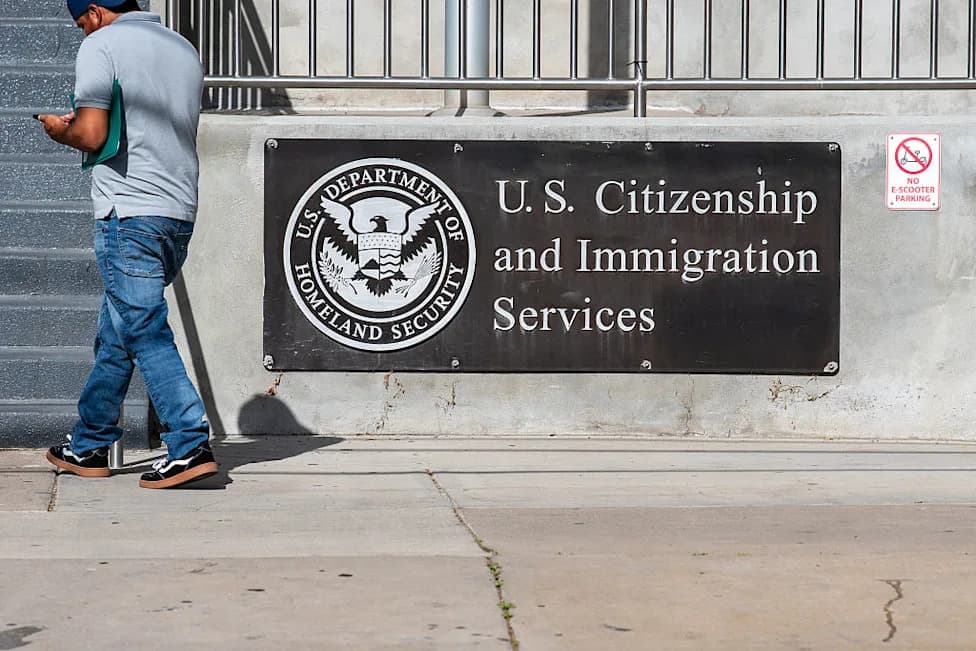
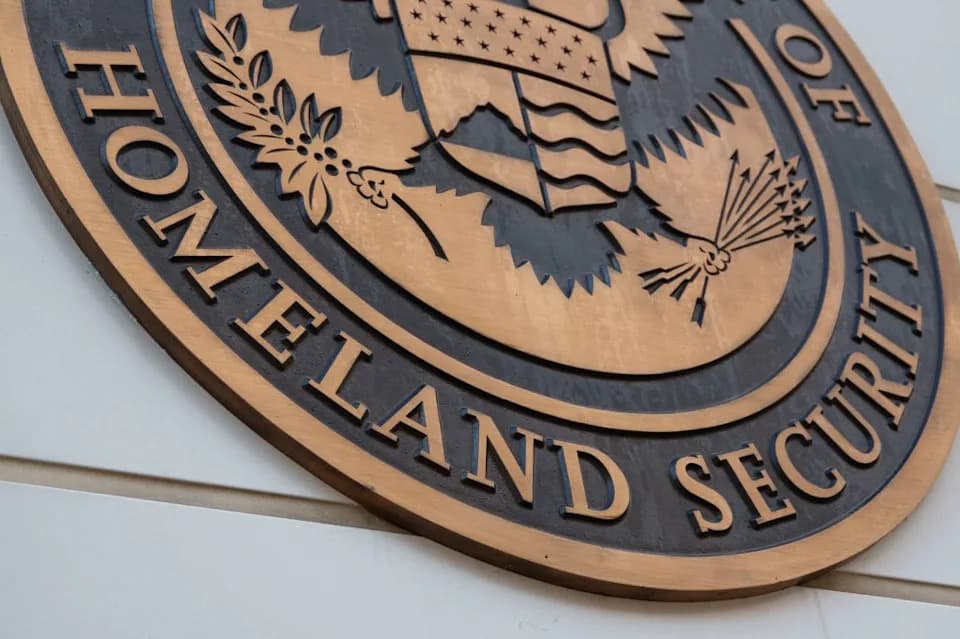
A pedestrian walks past an exterior sign and official seal identifying the U.S. Citizenship and Immigration Services (USCIS) field office building in Salt Lake City, Utah, on Aug. 21, 2026. —Charles-McClintock Wilson—NurPhoto/Getty Images
The Department of Homeland Security (DHS) has proposed eliminating the discretionary 60-day grace period that allows many H-1B and related visa holders to remain in the United States after losing employment, a Federal Register notice published Friday shows.
What the Proposal Would Change
Under the draft rule, foreign workers whose legal status is tied to a specific employer would be immediately subject to removal if they no longer work for that employer, unless they secure a new authorized status without relying on the current 60-day window. DHS says the change "restores a direct relationship between an alien's nonimmigrant status and the specific employment or activity that formed the basis of his or her admission" and will reduce administrative burden.
Who Would Be Affected
The proposed elimination of the grace period would apply to H-1B visa holders and several other categories that have benefitted from the 60-day allowance since early 2017, including:
- E-1 (treaty traders) and E-2 (treaty investors)
- L-1 (intracompany transferees for managers and executives)
- O-1 (individuals of extraordinary ability)
- TN (Canadian and Mexican professionals under USMCA)
- H-1B1 (Chile and Singapore) and E-3 (Australia)
Numbers and DHS Rationale
DHS estimates that nearly 4,000 workers per year use the grace period to file a new nonimmigrant petition after a layoff or resignation, and that more than 99% of those users are H-1B holders. The department reviewed roughly 1.9 million petitions and applications from Oct. 1, 2017, through May 20, 2026, to determine instances where the 60-day rule might apply.
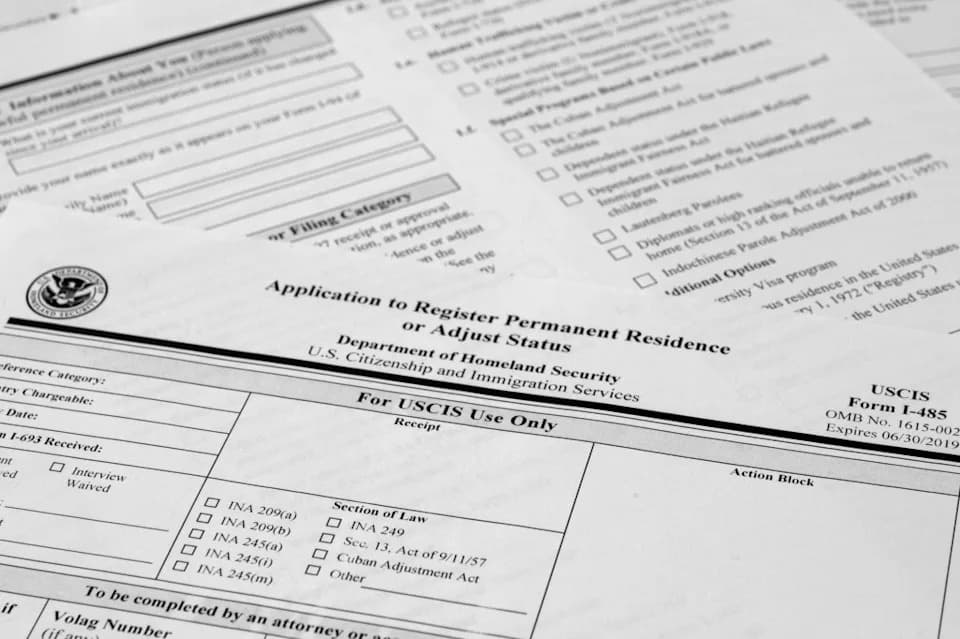
DHS contends removing the discretionary window would favor U.S. workers by encouraging employers to hire U.S. applicants, follow necessary sponsorship procedures (I-129), or reassign duties to current employees. Officials also say eliminating the grace period will reduce the administrative work associated with assessing discretionary extensions.
Potential Consequences
Advocates and immigration groups warn the proposal could force thousands of skilled workers and their families to leave the U.S. if they cannot quickly secure new sponsorship or change status. FWD.us estimates about 730,000 H-1B holders live in the United States along with roughly 550,000 dependent family members, many of whom could be affected if principal applicants lose status.
Context and Recent H-1B Changes
Since 1990 the H-1B program has admitted hundreds of thousands of skilled foreign workers, with nationals of India representing the largest share and China second, according to a U.S. Citizenship and Immigration Services report. Congress currently caps new H-1B visas at 65,000 annually, with an additional 20,000 reserved for advanced-degree holders.
The administration has already reshaped H-1B policy in recent years: replacing the traditional lottery with a weighted selection favoring higher-paid, higher-skilled applicants, and proposing new fees — including a proposed $103,265 fee for certain petitions and an expansion of a $4,000 biometric and security fee to cover some extension applications for employers with many foreign workers. A separate attempt to impose a $100,000 fee was blocked by a court.
Next Steps
The public comment period on the proposal is open for 60 days. If finalized, this would represent one of the most significant reversals in U.S. nonimmigrant employment policy since the 60-day allowance was introduced in early 2017. Stakeholders including employers, immigration advocates, and affected workers are expected to submit comments and may challenge the change if it is adopted.
Bottom Line: The proposal would reduce flexibility for many skilled foreign workers and could accelerate departures of principal visa holders and their families if they cannot quickly secure new sponsorship.
Help us improve.