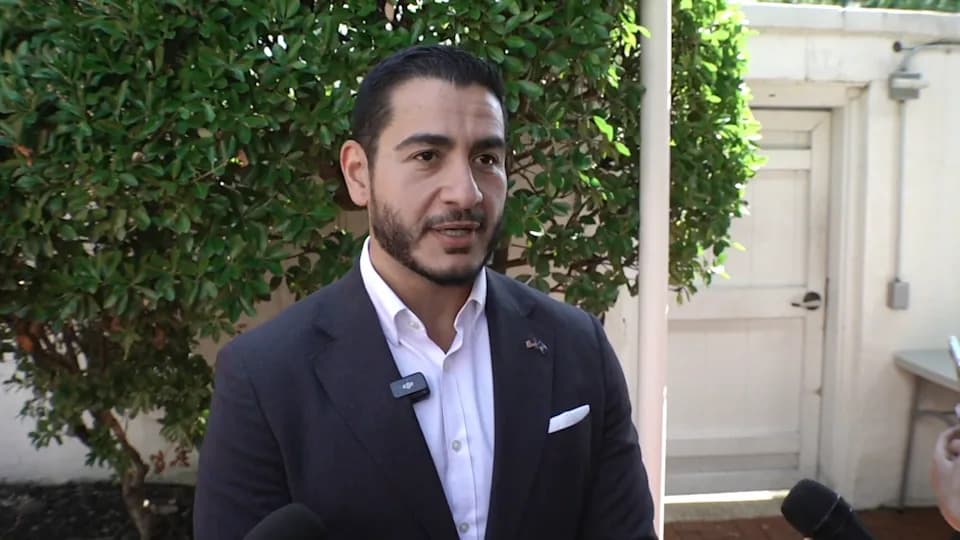
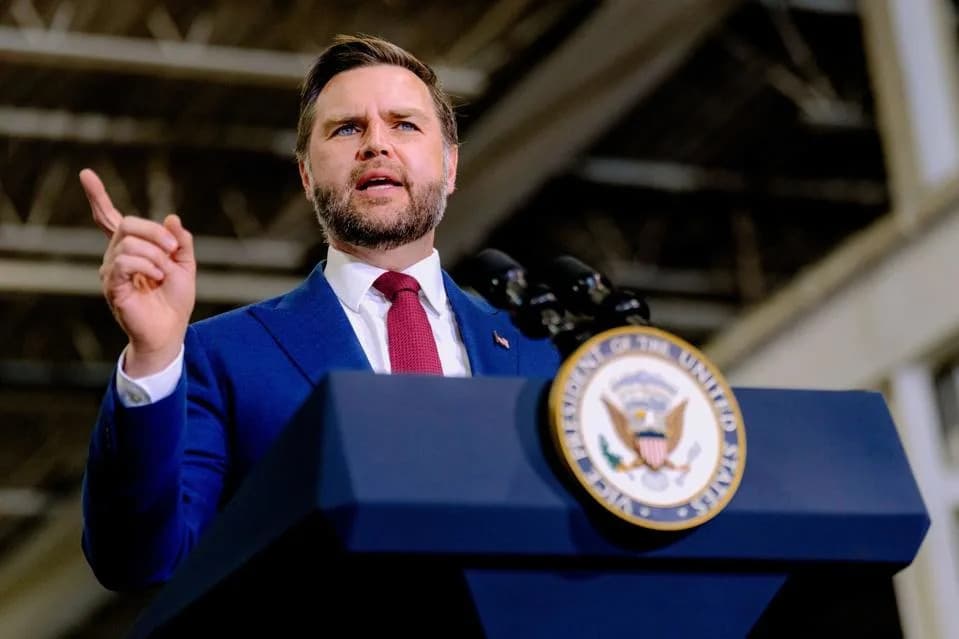
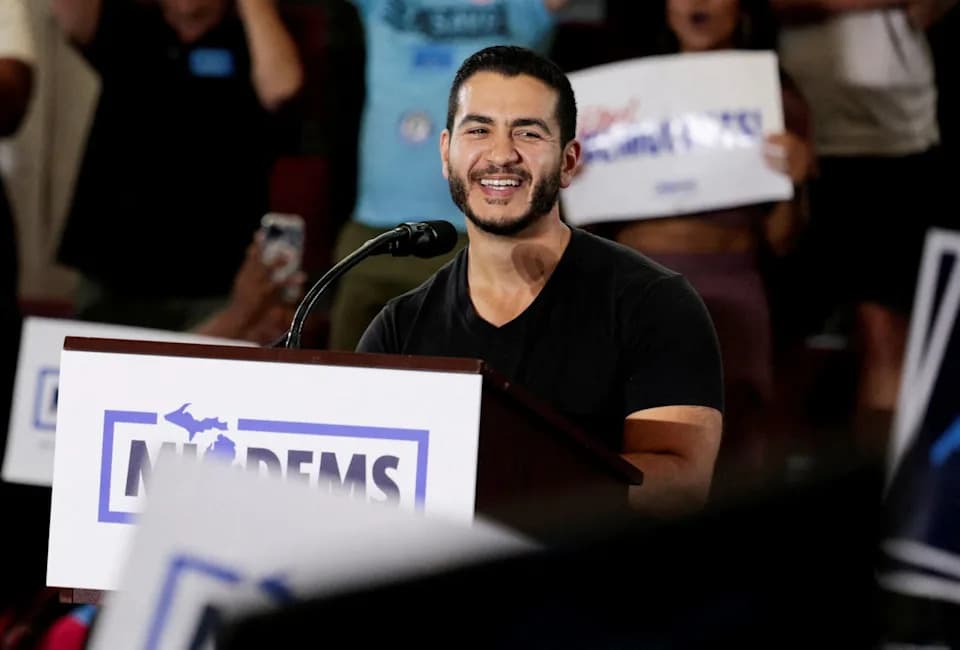
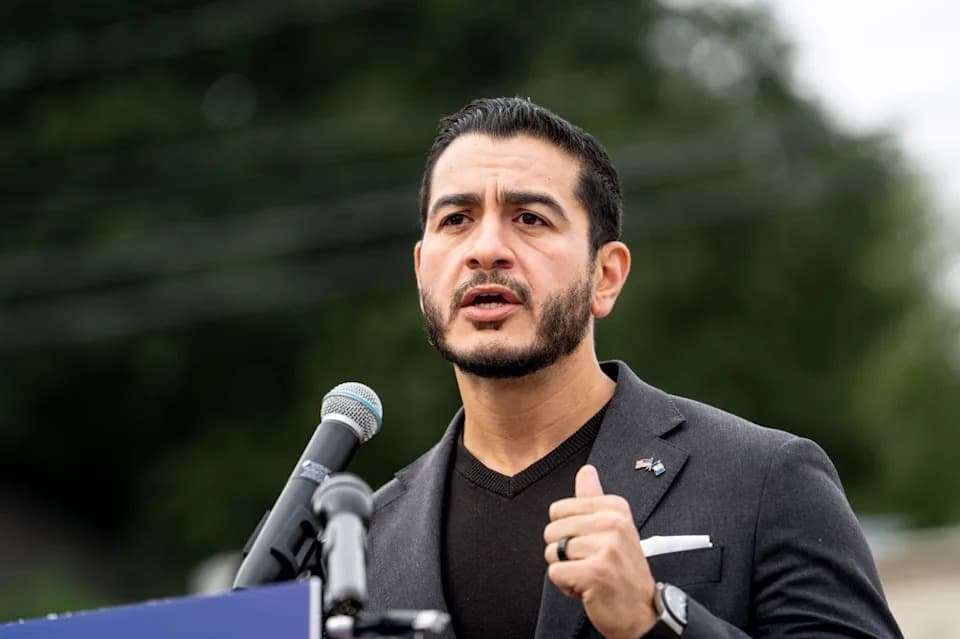
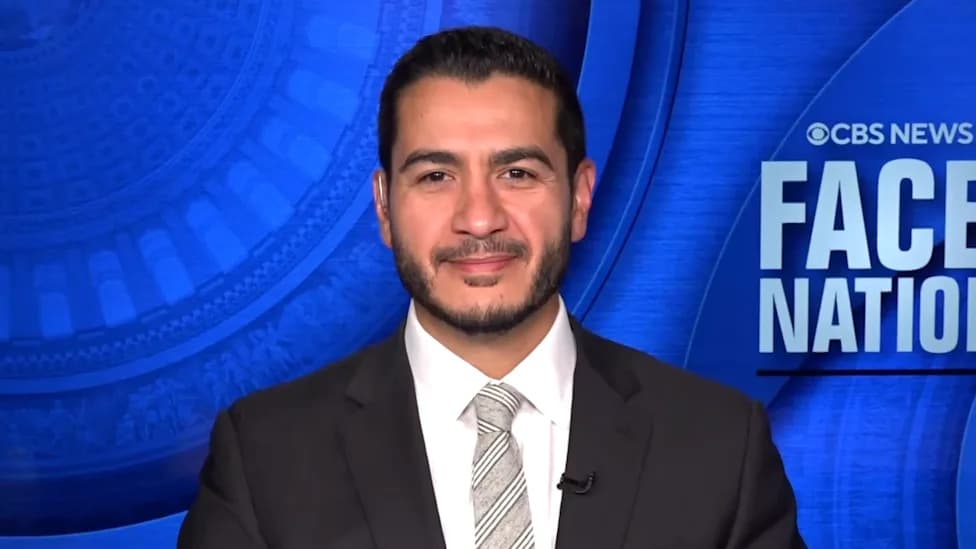
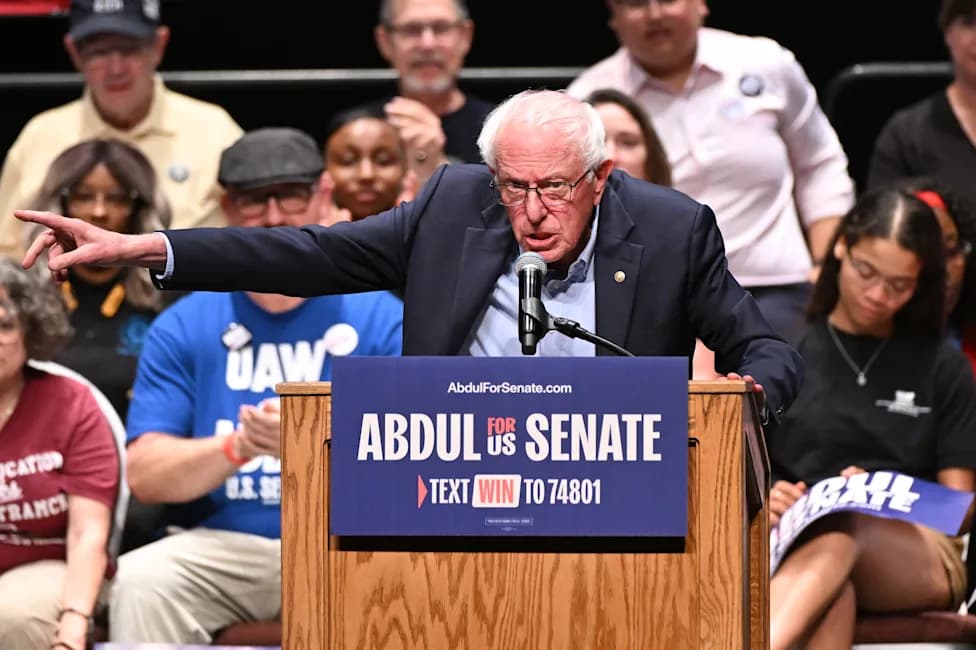
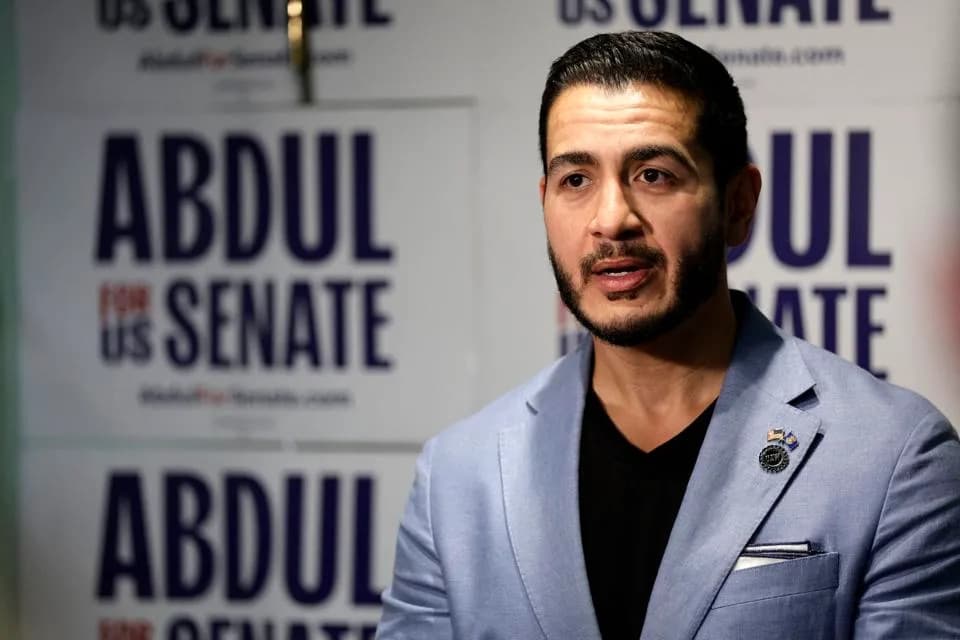
Sen. J.D. Vance attacked Michigan Democratic nominee Abdul El‑Sayed on Fox News, calling him a fake "working‑class hero" supported by "wealthy white liberals." El‑Sayed narrowly defeated Rep. Haley Stevens by 14,893 votes in a tight primary and will face Republican Mike Rogers in a potentially pivotal Senate race. Reuters reporting shows a divided coalition: Stevens did better in more working‑class and Black counties, while El‑Sayed performed strongly with white, college‑educated voters, younger liberals and Arab American communities. El‑Sayed campaigned on Medicare for All, campaign finance reform, ending unconditional aid to Israel and opposed sweeping tariffs; his operation included roughly 12,000 volunteers and over 500 events.
Sen. J.D. Vance Calls Michigan Nominee Abdul El‑Sayed a 'Fake' Working‑Class Hero Ahead Of Senate Race

JD Vance Attacks Michigan Senate Primary Winner Abdul El-Sayed as Fake 'Working-Class Hero' Backed By 'Wealthy White Liberals'
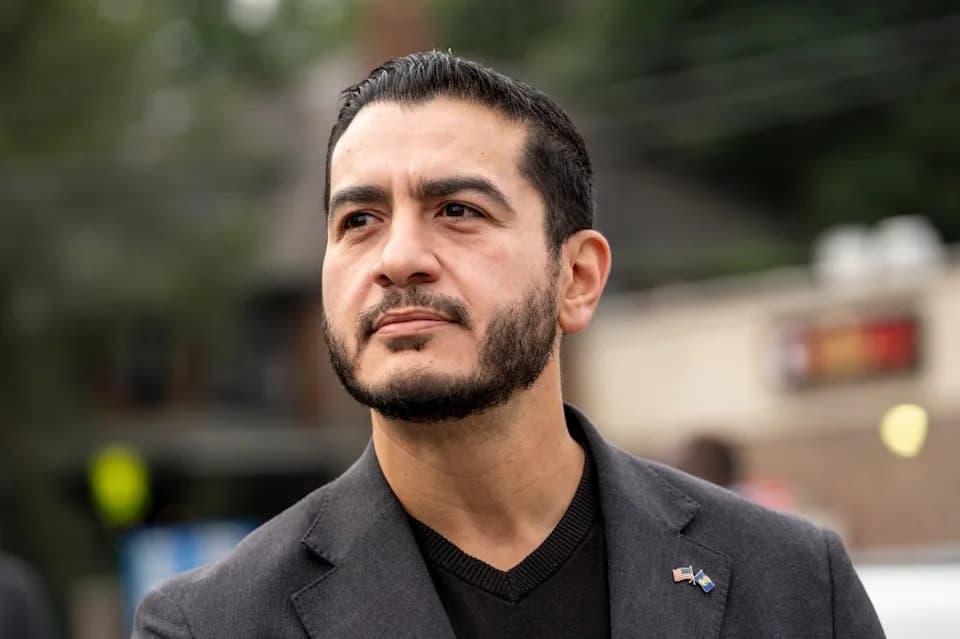
Republican Sen. J.D. Vance on Wednesday criticized Michigan Democratic Senate nominee Abdul El‑Sayed, saying El‑Sayed portrays himself as a "working‑class hero" while relying on support from what Vance described as "wealthy white liberals." Vance made the remarks during an appearance on Fox News with Laura Ingraham, arguing that El‑Sayed lacks a genuine working‑class constituency in Michigan.
Vance's Critique
"El‑Sayed, he's this guy who holds himself out as a working‑class hero… He doesn't have a constituency among the working class,"Vance said, also warning that El‑Sayed's positions on immigration, trade and the economy would hurt Michigan workers. He further argued that elements of the progressive movement embrace "radicals" who, in his words, "hate even the idea of private property ownership."
Primary Results And Campaign Strength
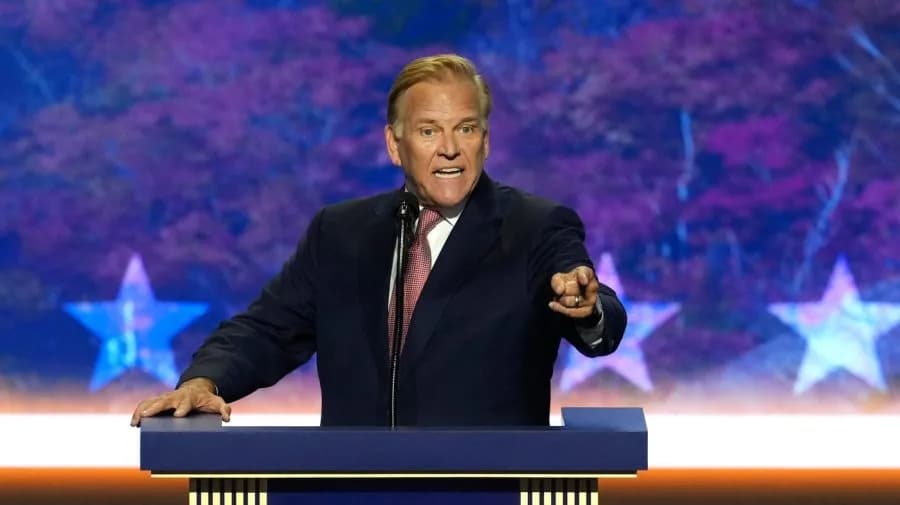
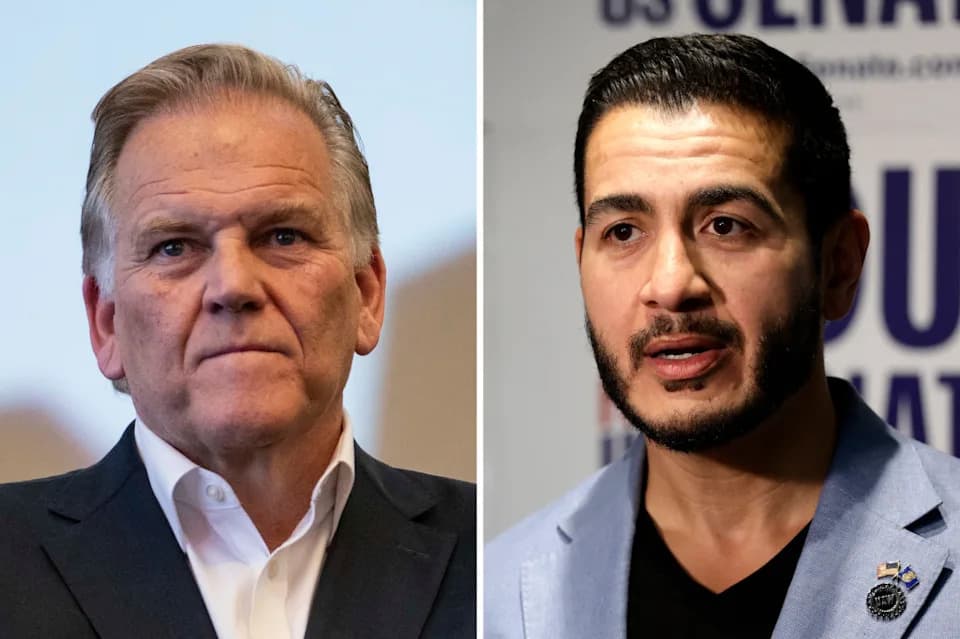
The comments followed El‑Sayed's narrow primary victory over Rep. Haley Stevens (D‑Mich.). The Associated Press called the race when El‑Sayed led by 14,893 votes — just under one percentage point — out of roughly 1.5 million ballots cast. El‑Sayed will face Republican Mike Rogers in the general election, in a contest that could affect control of the U.S. Senate.
Reporting from Reuters paints a more complex picture of El‑Sayed's coalition: Stevens reportedly did better in counties with larger working‑class and Black populations, while El‑Sayed fared better among white, college‑educated voters. El‑Sayed also drew support from younger liberal voters and Michigan's Arab American communities.
Campaign Organization And Platform
El‑Sayed built a volunteer operation of roughly 12,000 people, visited more than 110 cities and held over 500 events. He campaigned on progressive policies including Medicare for All, campaign finance reform and ending unconditional U.S. military aid to Israel, and he withstood about $60 million in outside spending during the primary.
On specific policy positions, El‑Sayed has advocated for abolishing U.S. Immigration and Customs Enforcement (ICE) and has opposed broad tariffs that could raise costs for consumers — an important debate in Michigan's auto‑centered economy. Former President Donald Trump has credited tariffs with helping manufacturing, while industry groups warn widespread auto duties could increase vehicle prices and disrupt supply chains.
Reactions And Next Steps
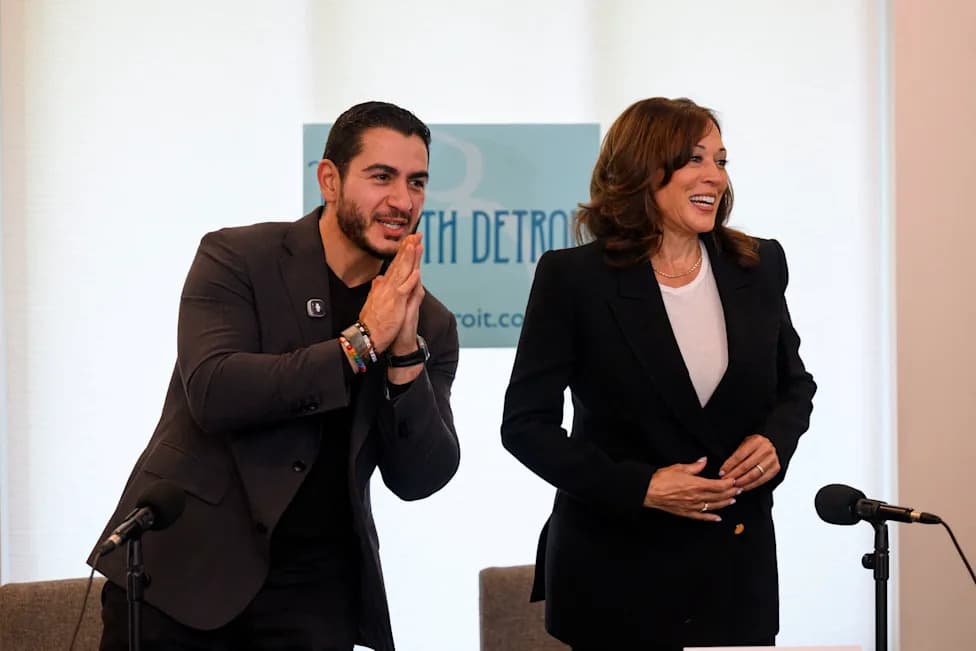
Republicans have labeled El‑Sayed "extreme," while prominent Democrats, including Rep. Haley Stevens and Senate Minority Leader Chuck Schumer (D‑N.Y.), pledged to unite behind the Democratic nominee. El‑Sayed responded to the primary campaign's divisions by saying, "Whatever differences that we might have had in the primary, they pale in comparison to what unifies us."
Image via Shutterstock
Help us improve.