Kamala Harris campaigned with Abdul El‑Sayed in Detroit to help heal Democratic divisions and boost support ahead of the November midterms. El‑Sayed emphasized economic issues and targeted Wayne County's Black electorate while acknowledging the party's 2024 challenges with Arab‑American and Muslim voters over Israel policy. He will face Trump‑backed Republican Mike Rogers in a closely watched Senate race and dismissed GOP claims that the visit signaled Democratic weakness.
Kamala Harris Joins Abdul El‑Sayed in Detroit to Rebuild Democratic Coalition Ahead of Midterms
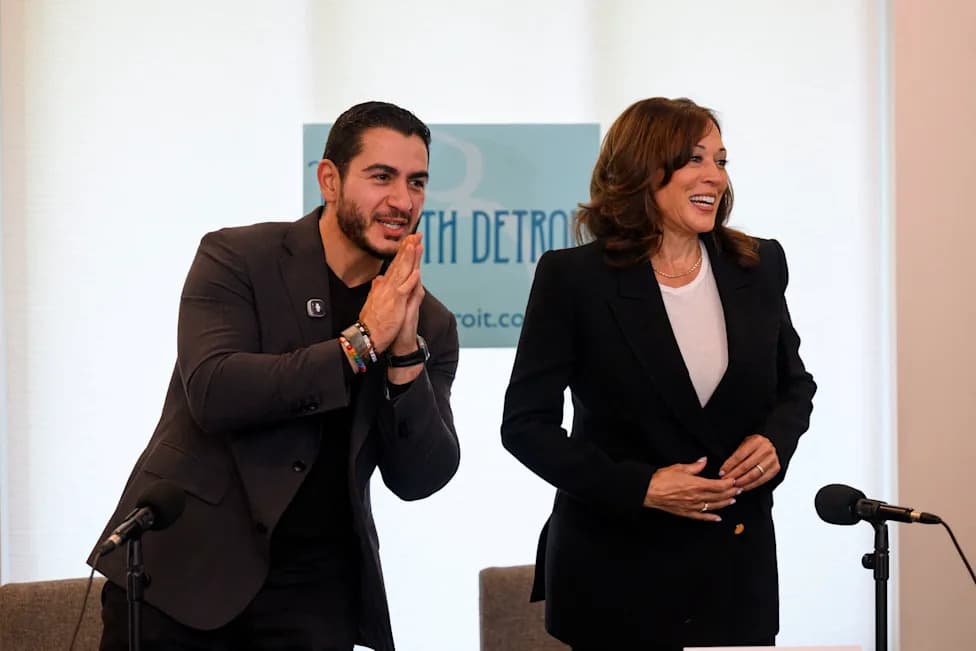
Democratic Senate candidate Abdul El-Sayed and former US Vice President Kamala Harris participate in a roundtable discussion about reproductive health at Birth Detroit in Detroit, Michigan, on September 22, 2026 [David Guralnick/Getty Images via AFP]
Former Vice President Kamala Harris joined Democratic Senate candidate Abdul El‑Sayed in Detroit as part of a high‑profile effort to mend internal party divisions and shore up support in Michigan ahead of the November midterm elections.
Visit Aims to Rebuild a Broader Coalition
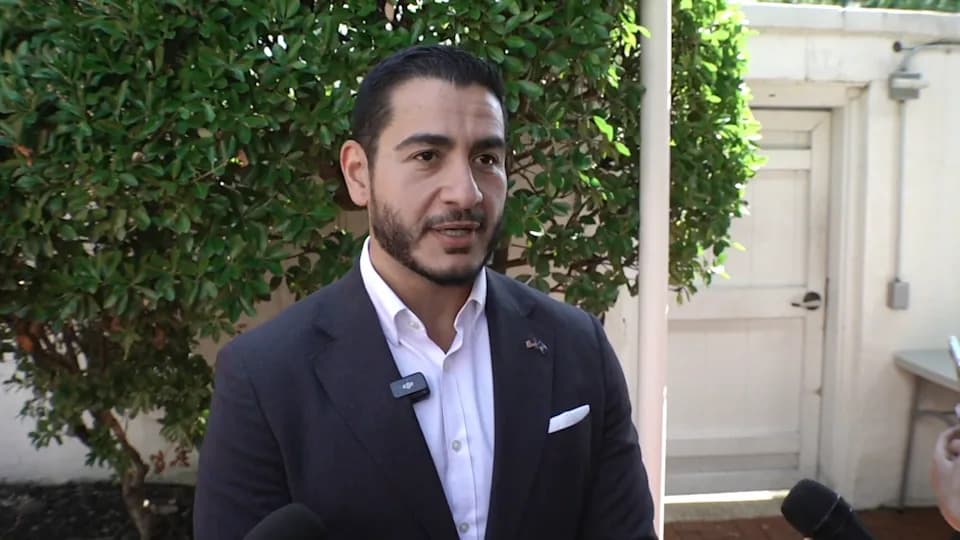
El‑Sayed welcomed Harris's appearance as an opportunity to bring Democrats back together after a bruising primary and a challenging 2024 cycle in the state. "We're building an electoral coalition here," he said, stressing that economic issues must be the centerpiece of the campaign.
"We don't have to agree on everything to understand what is at stake," El‑Sayed said. "The only way forward is by doing the hard work of bringing people into the same room and moving together."
Political Context
The visit comes after a hotly contested August primary in which El‑Sayed faced four‑term Representative Haley Stevens, who had strong backing from the Democratic establishment and pro‑Israel political action committees. That primary exposed deep fissures within the party over policy and outreach.
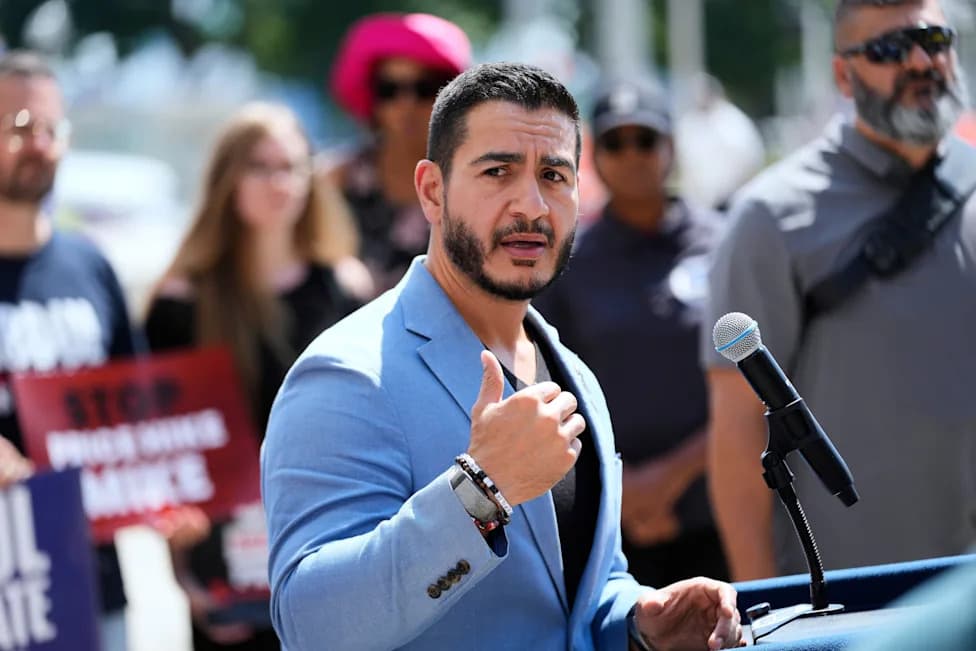
El‑Sayed and Harris focused the Detroit appearance on Wayne County, Michigan's largest Democratic stronghold and home to a predominantly Black electorate — a constituency El‑Sayed failed to carry in the August primary. He is emphasizing shared economic priorities as a pathway to broaden his appeal across diverse communities.
Party strategists and community leaders have pointed to the 2024 cycle in Michigan, where disagreements over Israel policy and continued U.S. support for Israel led some Arab‑American and Muslim voters to distance themselves from Democrats. That shift is seen as a factor in the party's weaker performance in parts of the state.
Looking Ahead to November
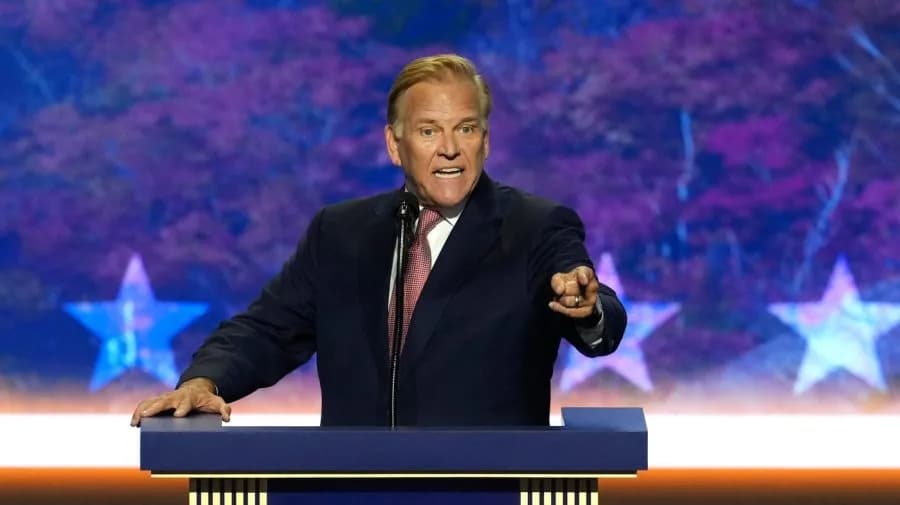
El‑Sayed will face former Representative Mike Rogers, the Trump‑backed Republican nominee, in November. Rogers' campaign framed Harris's visit as a sign of Democratic weakness; El‑Sayed rejected that characterization at the Detroit event, saying building a winning coalition requires confronting differences directly rather than avoiding them.
Throughout the stop, both Harris and El‑Sayed stressed economic concerns — jobs, wages and cost‑of‑living pressures — as the unifying message they hope can bring the party's disparate constituencies together ahead of the midterms.
Help us improve.