As children across the U.S. head to kindergarten, Cleveland's public health director warns that declining vaccination coverage endangers students. Only 76% of incoming Cleveland kindergarteners met state immunization requirements for 2025–26, leaving nearly 1,000 children unprotected. The city has expanded free and school-based vaccination services to recover ground lost after pandemic disruptions, and the author urges renewed, nonpartisan federal leadership to combat misinformation and strengthen local efforts.
Our Kids Can't Afford to Politicize Vaccines: Restoring Clear National Leadership
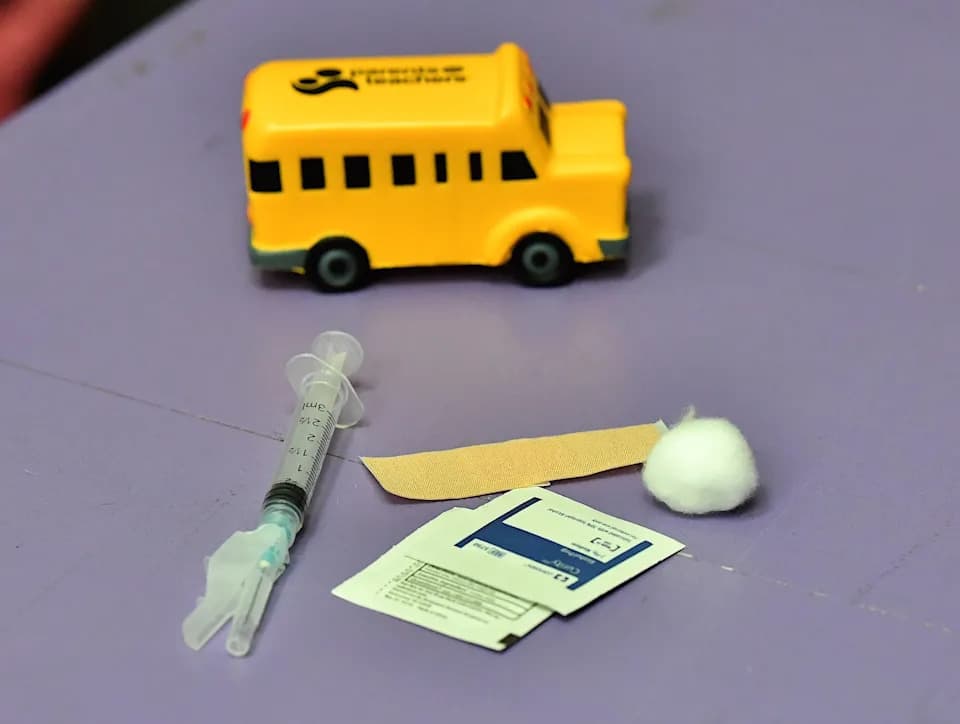
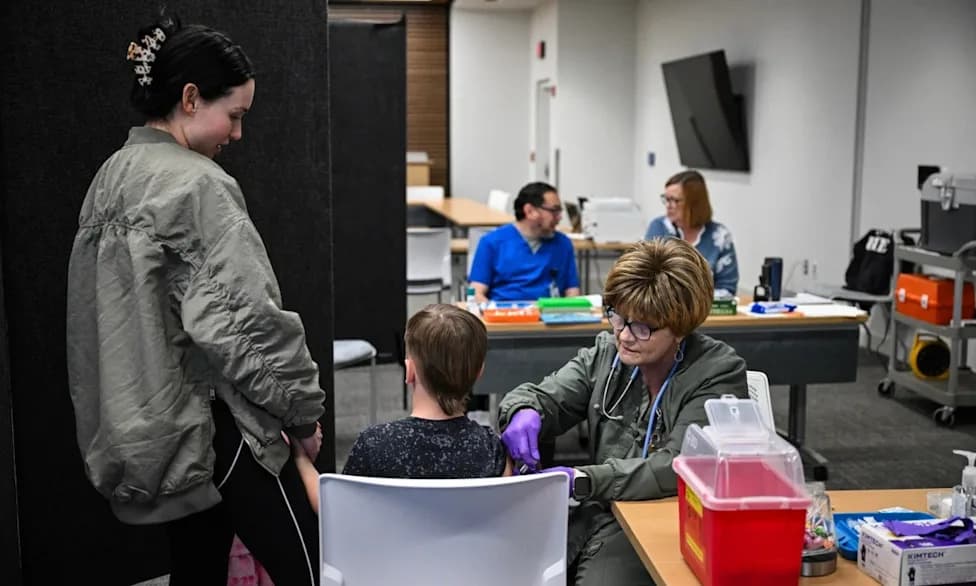
The Wichita Falls-Wichita County Public Health District in Texas offers free back-to-school immunizations on Aug. 1, 2026.
In the coming weeks, millions of children across the United States will step into classrooms for their first day of kindergarten — backpacks on their shoulders, nerves and excitement mingling with bright smiles. For most families, this milestone should usher in a school year protected by one of public health's greatest achievements: routine childhood vaccination.
As a father and Cleveland's director of public health, I see both the joy of that first day and the work behind the scenes to make sure children begin the year healthy. Across the country, local health departments labor daily to increase vaccination coverage, but we're laboring uphill without the steady, nonpartisan federal leadership on vaccine policy that communities once relied on.
Local Progress, Persistent Gaps
In Cleveland, only 76% of incoming kindergarteners met Ohio's immunization requirements for the 2025–26 school year — roughly 1,000 children left unprotected against measles, polio and whooping cough. Two years earlier, just 68% met those requirements; bringing preventive care into neighborhoods and schools helped push that number up, but the work isn't finished.
It is important to note that widespread organized refusal is not the primary barrier here: fewer than 2% of Cleveland kindergartners have nonmedical exemptions. The larger problem is the disruption caused by the COVID-19 pandemic, which interrupted routine pediatric care, led families to miss well-child visits and disconnected many from their usual sources of preventive services.
Actions We're Taking
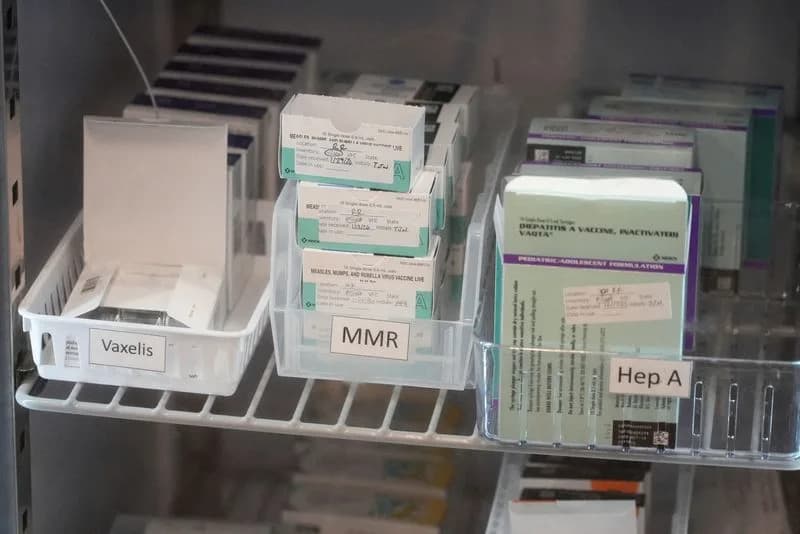
To close gaps, our department offers free vaccines for children and low-cost vaccines for adults every week across the city. Local health systems run clinics in several schools to deliver immunizations and basic preventive care at no cost to students and families. Ohio's health department has been a vital partner, providing funding, technical assistance and an online dashboard that lets us monitor vaccination rates by school.
Meet families where they are. That's the guiding principle behind these efforts — bringing vaccines into neighborhoods and schools so no child misses out because of access, cost or logistics.
Why National Leadership Matters
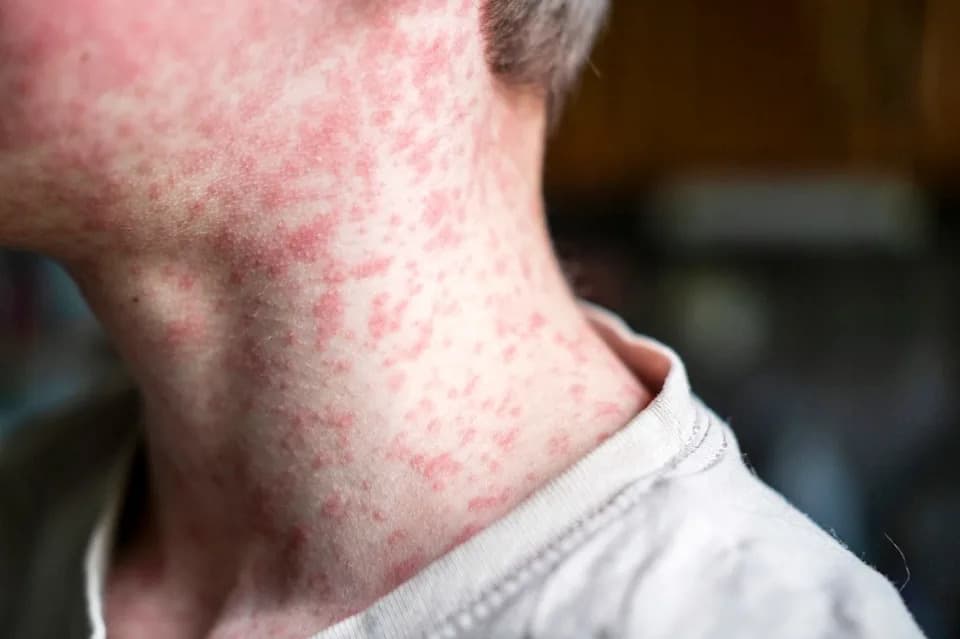
The United States has reported more measles cases in the past 18 months than in the previous 25 years combined. Hundreds of children have been hospitalized and two children have died from preventable illnesses. When national health leaders speak clearly, consistently and without political overtones, they amplify the outreach of pediatricians, school nurses and local health departments. When they don't, local teams must shoulder the burden of countering misinformation and rebuilding confidence on their own.
Cleveland has been fortunate to avoid major outbreaks recently, but luck is not a strategy. Local public health can and will continue to do its part — expanding access, tracking vaccination coverage and working with families. Yet infectious diseases do not respect school boundaries, city limits or state lines. It's time for leaders in Washington to restore the clear, nonpartisan vaccine leadership communities need to protect children everywhere.
David Margolius, MD, Director of Public Health for the City of Cleveland and Chair-Elect of the Big Cities Health Coalition.
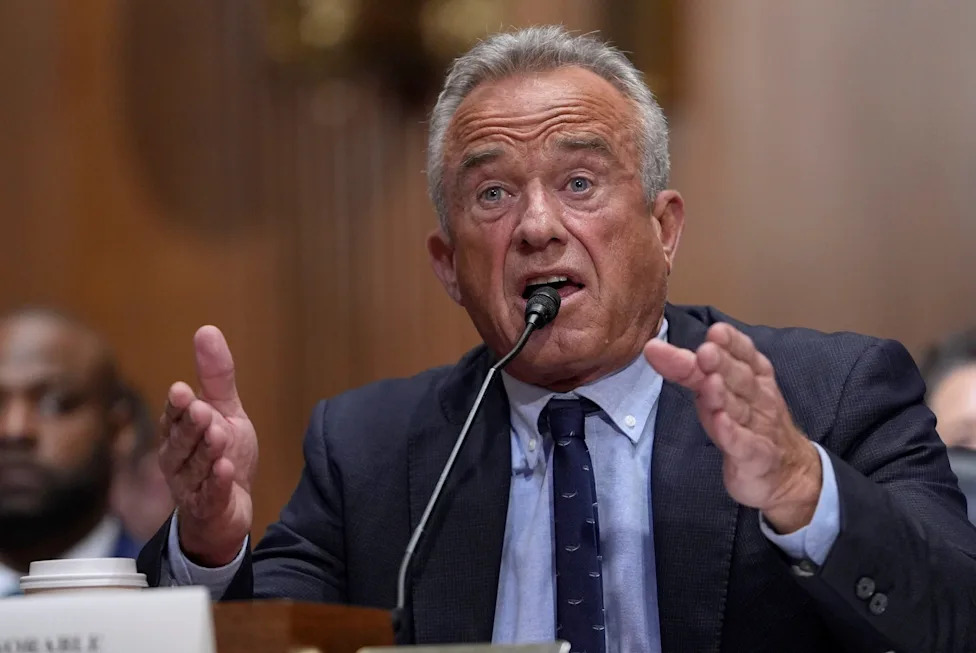
Robert F. Kennedy, Jr., Secretary of Health and Human Services, testifies about the health care agenda for the Trump administration in front of the Senate Committee on Finance in Washington, D.C., on September 4, 2025.(Jack Gruber, USA TODAY)
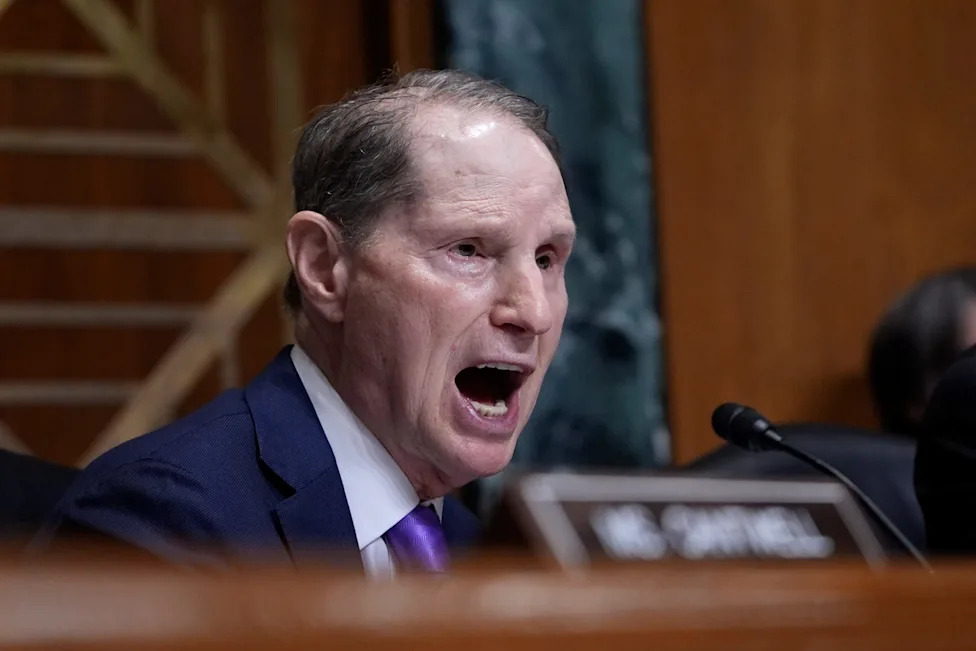
Sen. Ron Wyden (D-OR) questions Robert F. Kennedy, Jr., Secretary of Health and Human Services, as he testifies about the health care agenda for the Trump administration in front of the Senate Committee on Finance in Washington, D.C., on September 4, 2025.(Jack Gruber, USA TODAY)
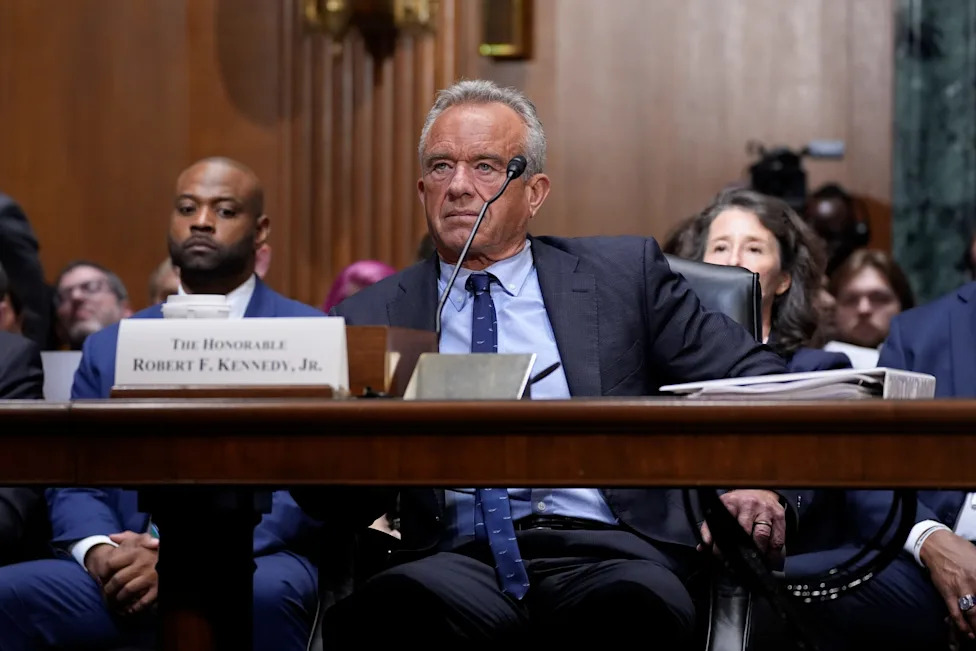
Robert F. Kennedy, Jr., Secretary of Health and Human Services, testifies about the health care agenda for the Trump administration in front of the Senate Committee on Finance in Washington, D.C., on September 4, 2025.(Jack Gruber, -USA TODAY)
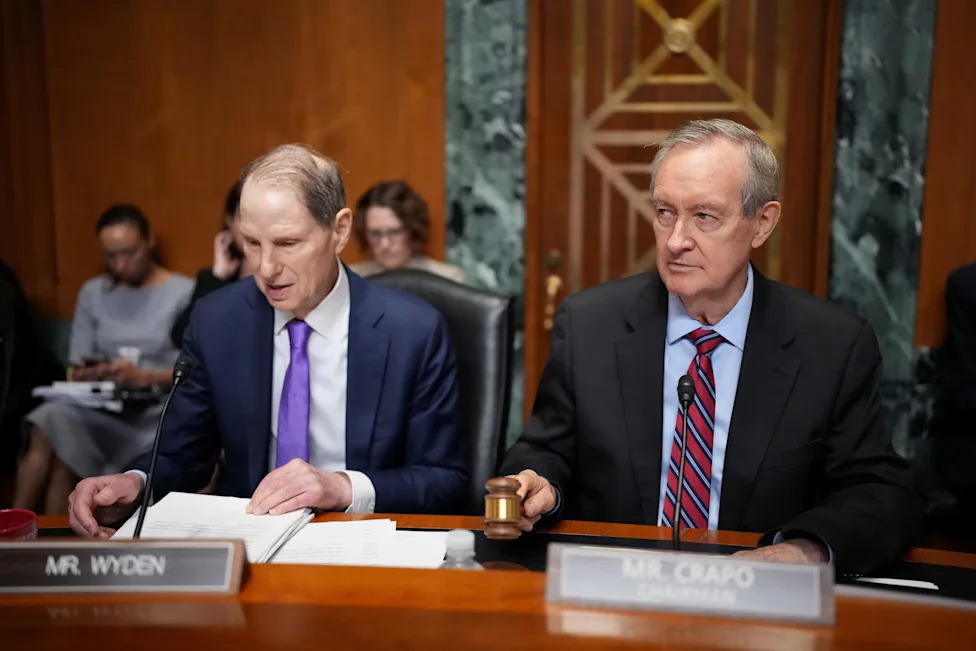
Senate Finance Committee Chairman Sen. Mike Crapo (R-ID) (R) and Ranking Member Sen. Ron Wyden (D-OR) preside over a hearing with Health and Human Services Secretary Robert Kennedy Jr. at the Dirksen Senate Office Building on September 4, 2025 in Washington, DC. The committee met to hear testimony on President Trump's 2026 health care agenda.(Andrew Harnik, Getty Images)
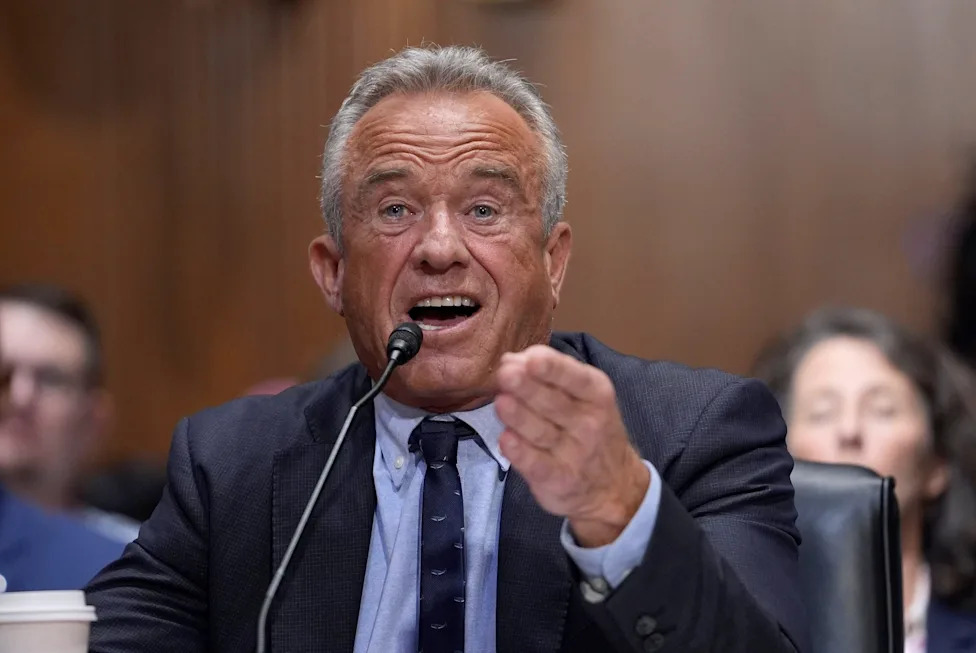
Robert F. Kennedy, Jr., Secretary of Health and Human Services, testifies about the health care agenda for the Trump administration in front of the Senate Committee on Finance in Washington, D.C., on September 4, 2025.(Jack Gruber, USA TODAY)
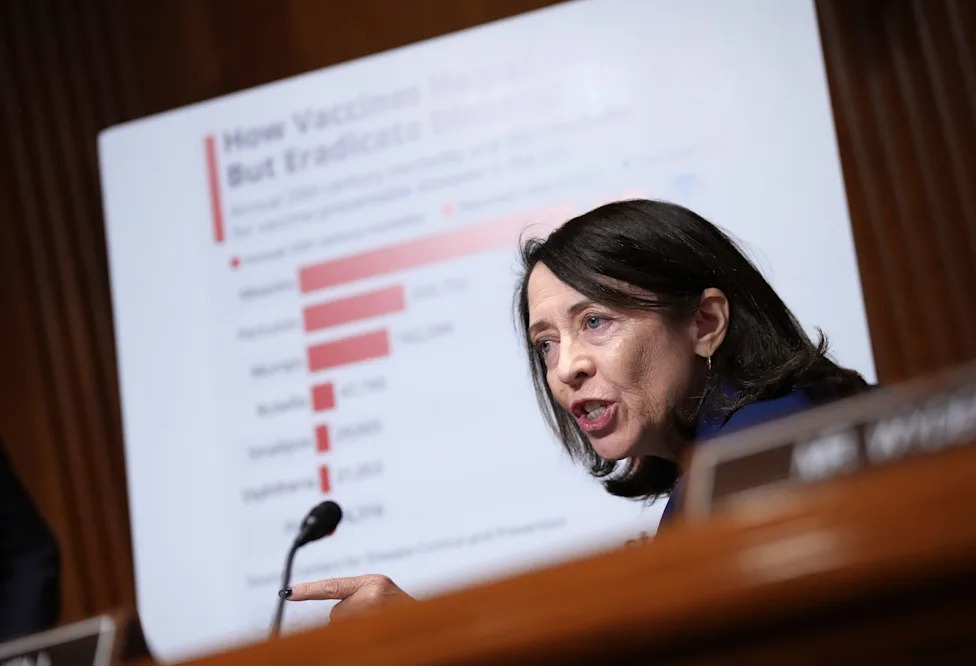
Sen. Maria Cantwell (D-WA) questions Health and Human Services Secretary Robert Kennedy Jr. during a Senate Finance Committee at the Dirksen Senate Office Building on September 04, 2025 in Washington, DC. The committee met to hear testimony on President Trump's 2026 health care agenda.(Andrew Harnik, Getty Images)
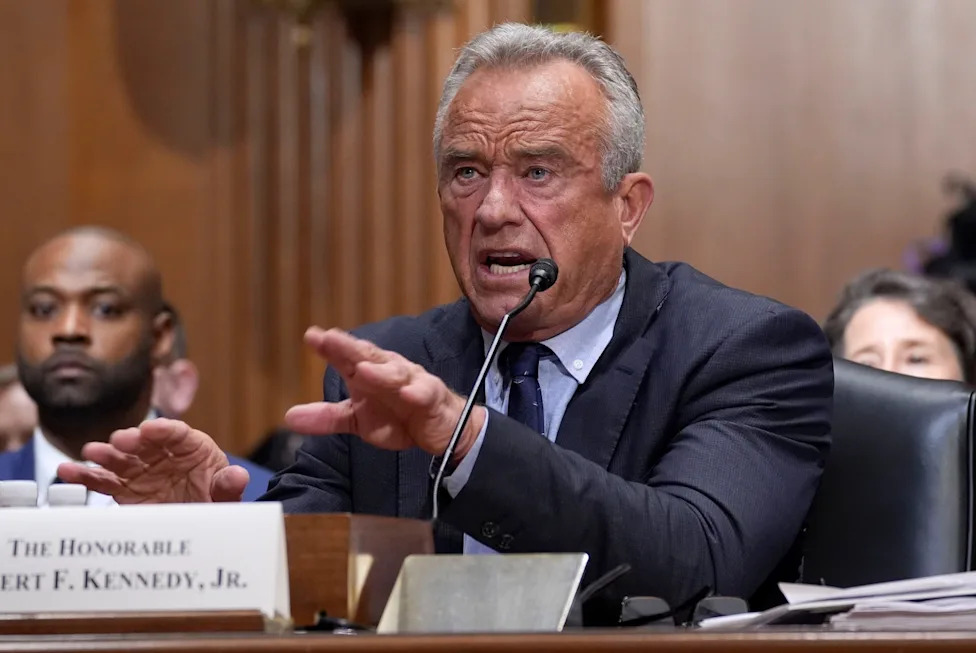
Robert F. Kennedy, Jr., Secretary of Health and Human Services, testifies about the health care agenda for the Trump administration in front of the Senate Committee on Finance in Washington, D.C., on September 4, 2025.(Jack Gruber, USA TODAY)
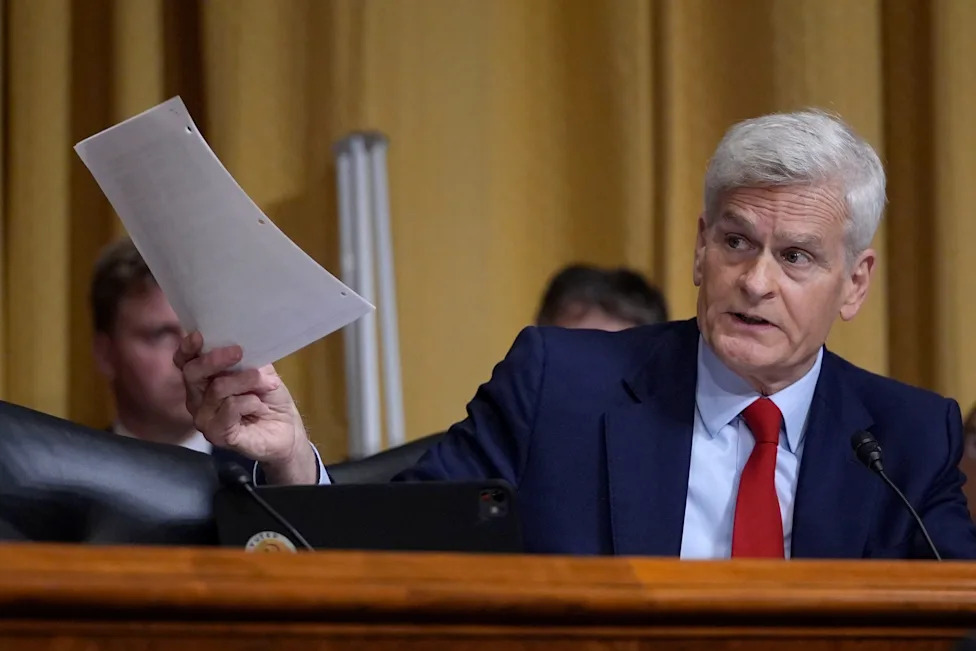
Sen. Bill Cassidy, (R - LA), questions Robert F. Kennedy, Jr., Secretary of Health and Human Services, as he testifies about the health care agenda for the Trump administration in front of the Senate Committee on Finance in Washington, D.C., on September 4, 2025.(Jack Gruber, USA TODAY)
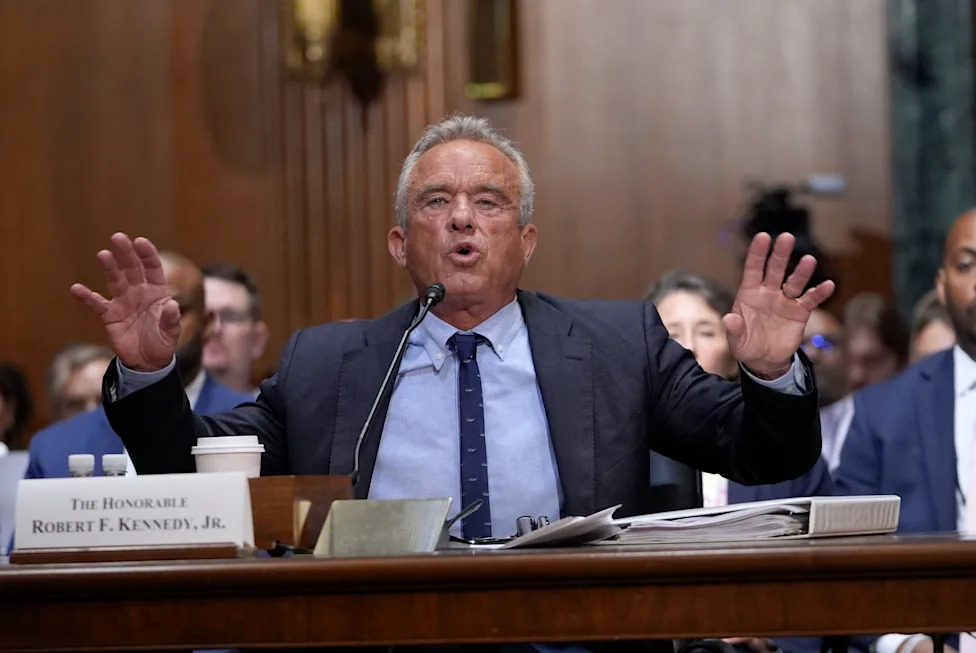
Robert F. Kennedy, Jr., Secretary of Health and Human Services, testifies about the health care agenda for the Trump administration in front of the Senate Committee on Finance in Washington, D.C., on September 4, 2025.(Jack Gruber, USA TODAY)
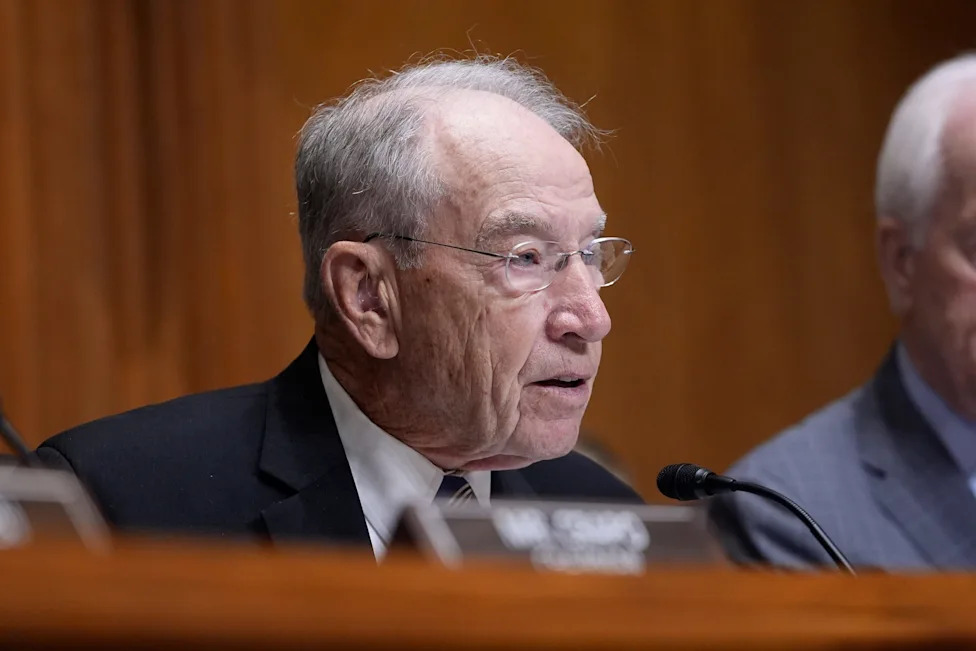
Sen. Chuck Grassley, (R - IA) speaks as Robert F. Kennedy, Jr., Secretary of Health and Human Services, testifies about the health care agenda for the Trump administration in front of the Senate Committee on Finance in Washington, D.C.Y(Jack Gruber, Jack Gruber-USA TODAY)
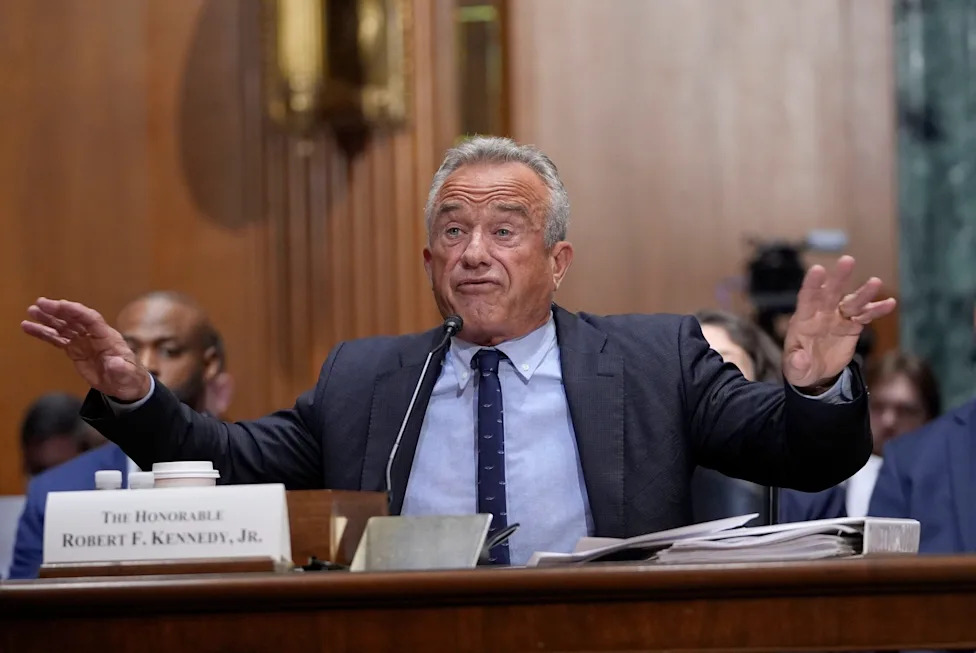
Robert F. Kennedy, Jr., Secretary of Health and Human Services, testifies about the health care agenda for the Trump administration in front of the Senate Committee on Finance in Washington, D.C., on September 4, 2025.(Jack Gruber, USA TODAY)
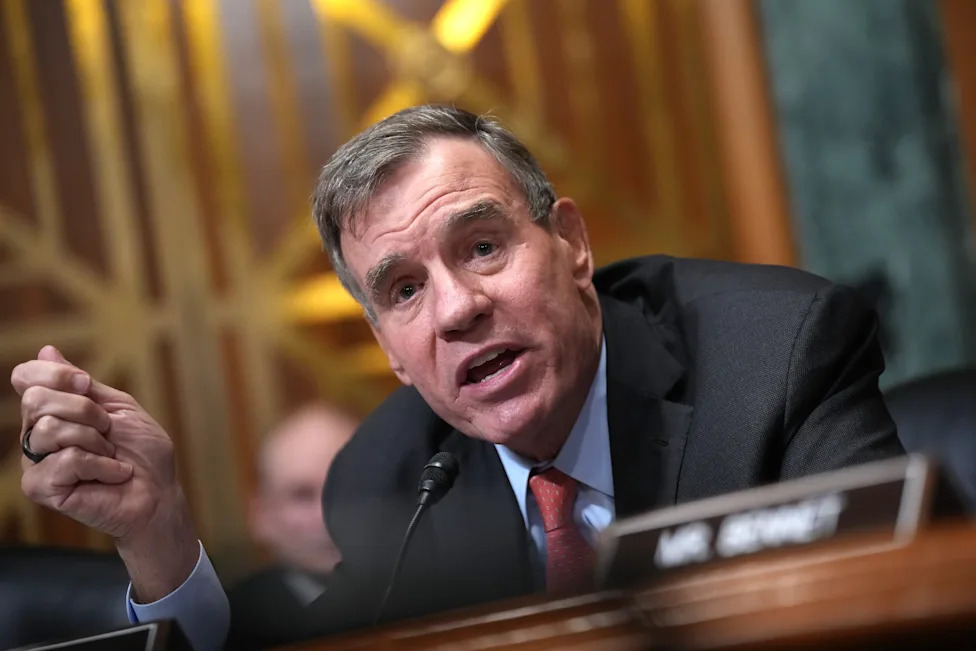
Sen. Mark Warner (D-VA) questions Health and Human Services Secretary Robert Kennedy Jr. during a Senate Finance Committee at the Dirksen Senate Office Building on September 4, 2025 in Washington, DC.(Andrew Harnik, Getty Images)
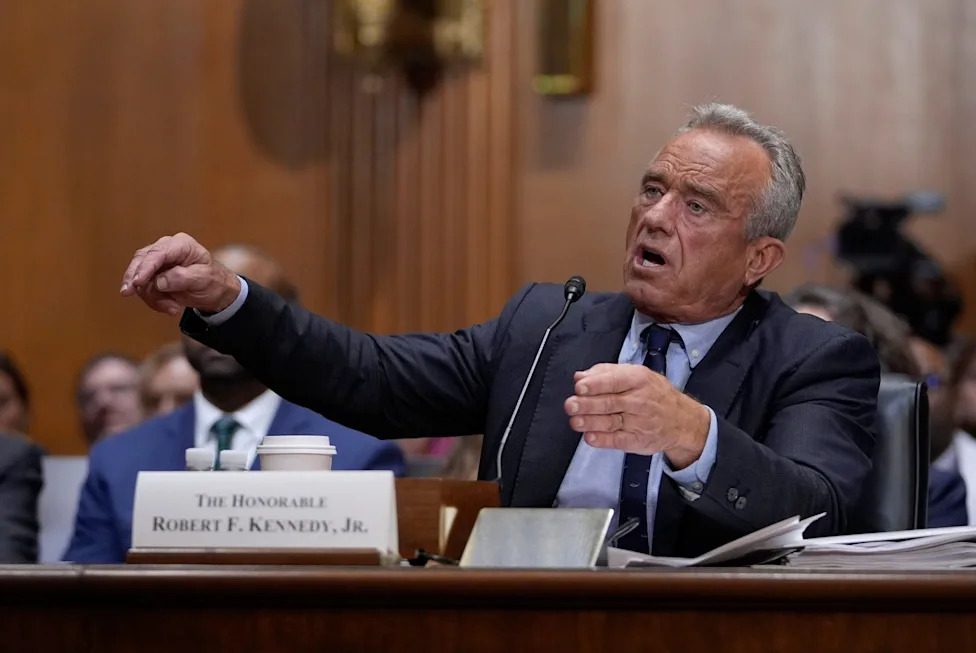
Robert F. Kennedy, Jr., Secretary of Health and Human Services, testifies about the health care agenda for the Trump administration in front of the Senate Committee on Finance in Washington, D.C., on September 4, 2025.(Jack Gruber, USA TODAY)
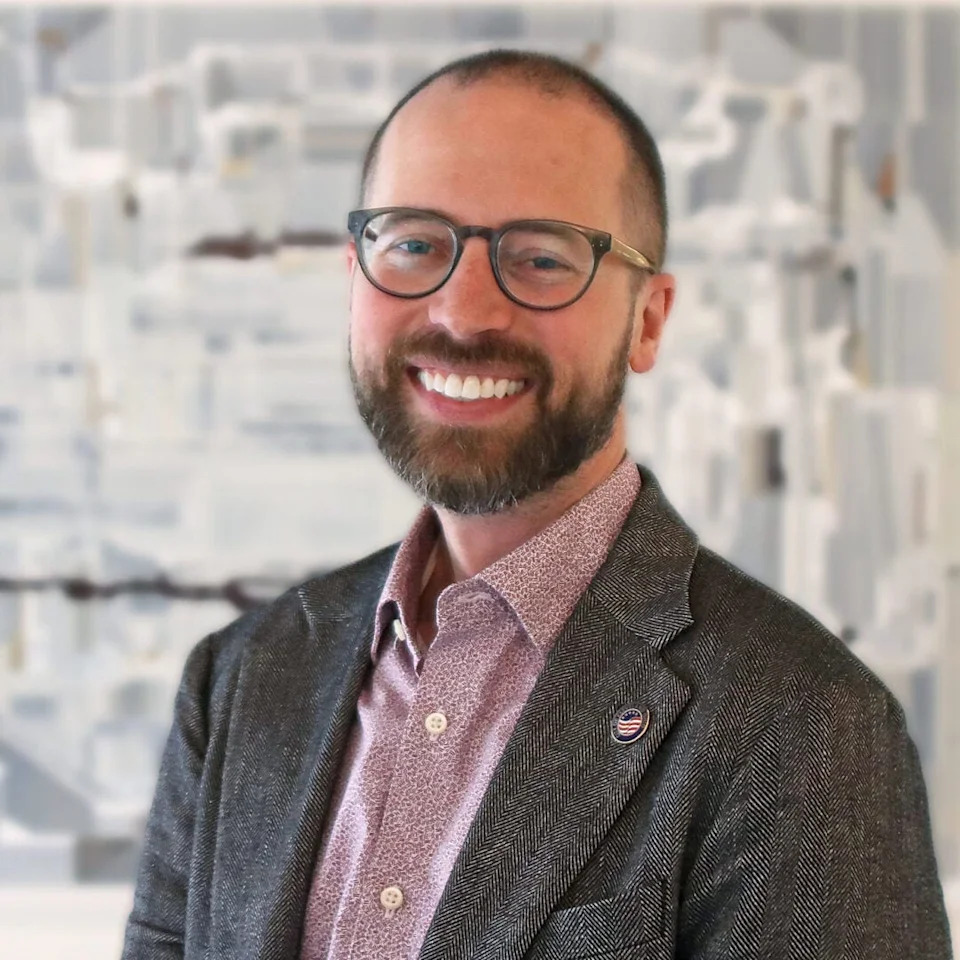
David Margolius, MD, is the director of public health for the Cleveland and chair-elect of the Big Cities Health Coalition.
Help us improve.