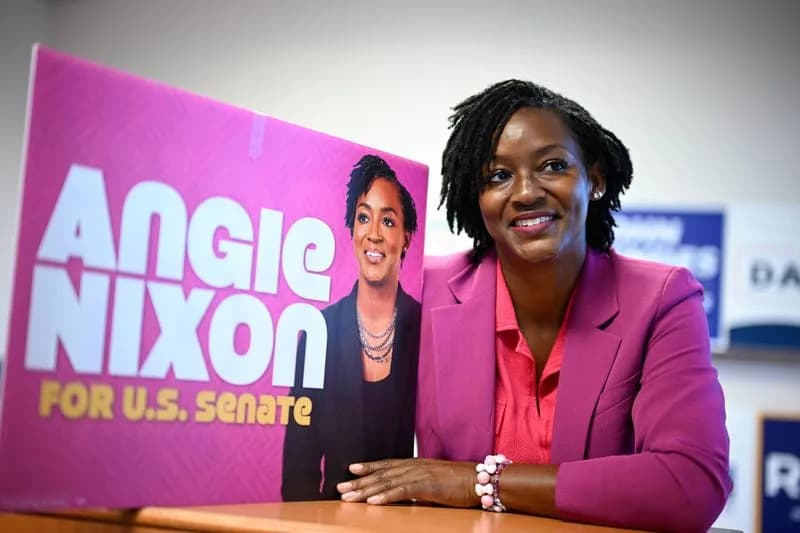
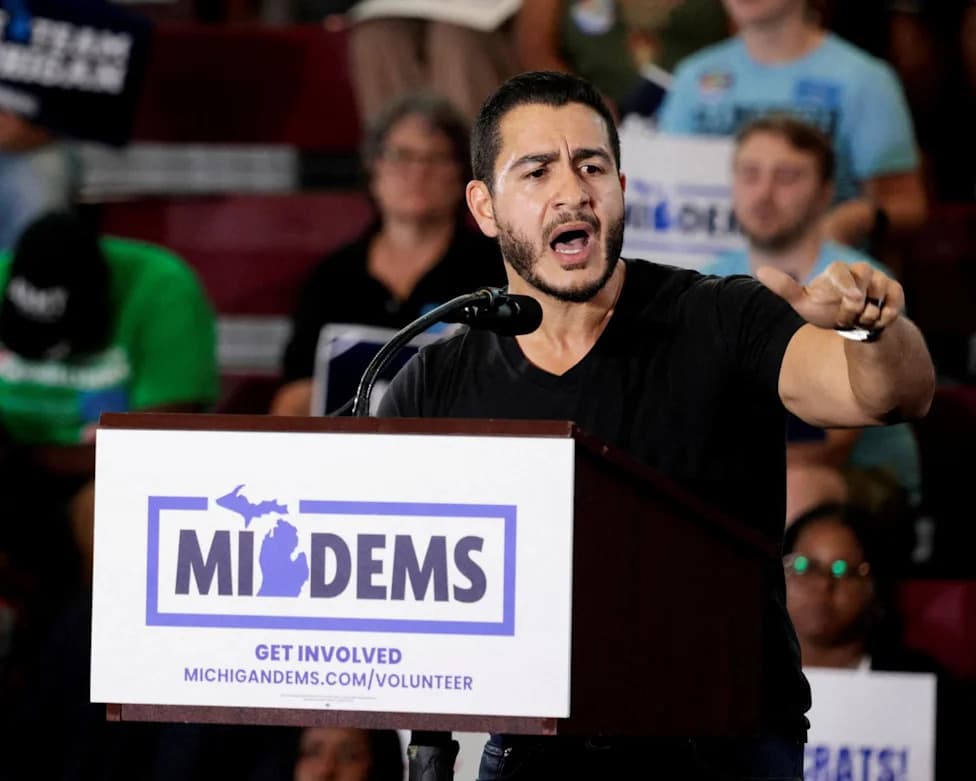
The article critiques the widespread, vague use of the word "establishment" to explain this week’s primary results in Michigan, Missouri, Kansas, Virginia, Washington and Tennessee. Drawing on experience in campaigns and media, the author argues that the term is applied to very different actors — from party leaders and donors to volunteers and community organizers — and that this imprecision obscures who actually holds power. Using Malcolm X’s precise historical usage as a contrast, the piece asks when insurgents become the establishment and calls for more precise language. The author pledges to ask "Who?" every time the term is invoked for the next 90 days to force clearer political conversation.
Don't Make Me Define 'The Establishment': What This Week's Primaries Really Mean

When voters say they’re rejecting “the establishment,” who are they talking about?
This week’s primary results in Michigan, Missouri, Kansas, Virginia, Washington and Tennessee spawned the same shorthand from commentators, candidates and voters: "the establishment." But that single word masks more than it clarifies.
On MS NOW’s election-night coverage I asked a simple question: Who exactly is "the establishment"? The answer I heard most often was that it "means different things to different people." That may be true — and precisely why the label is a problem.
Words matter in politics. When we say voters rejected or embraced "the establishment," we should be able to identify whether we mean national party leadership, major donors, campaign consultants, incumbent officeholders, county party chairs, longtime volunteers or community organizers. Those actors occupy different places in our political ecosystem and wield different kinds of influence. Lumping them together flattens important distinctions and produces misleading explanations.
Usage Has Become Elastic
Critiques of an entrenched ruling class are longstanding — Malcolm X deployed the term more than six decades ago, and he used it to name specific people and institutions. Today, by contrast, "establishment" has become a catchall for whatever or whoever stands in the way of a speaker's desired change. Progressives and conservatives, Democrats and Republicans, all claim to battle "the establishment." But are they talking about the same targets?
When Do Insurgents Become Establishment?
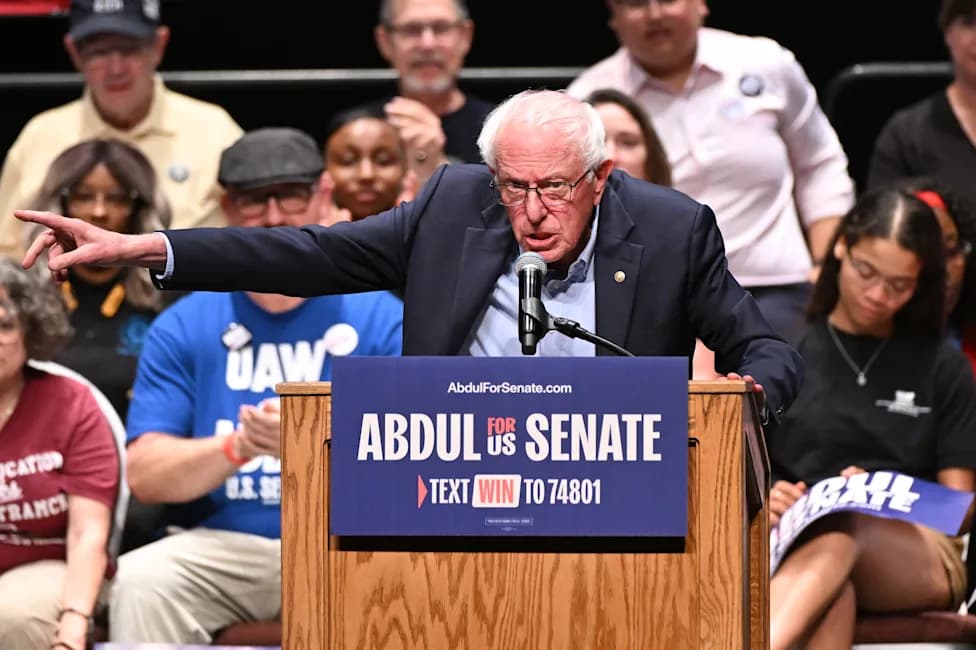
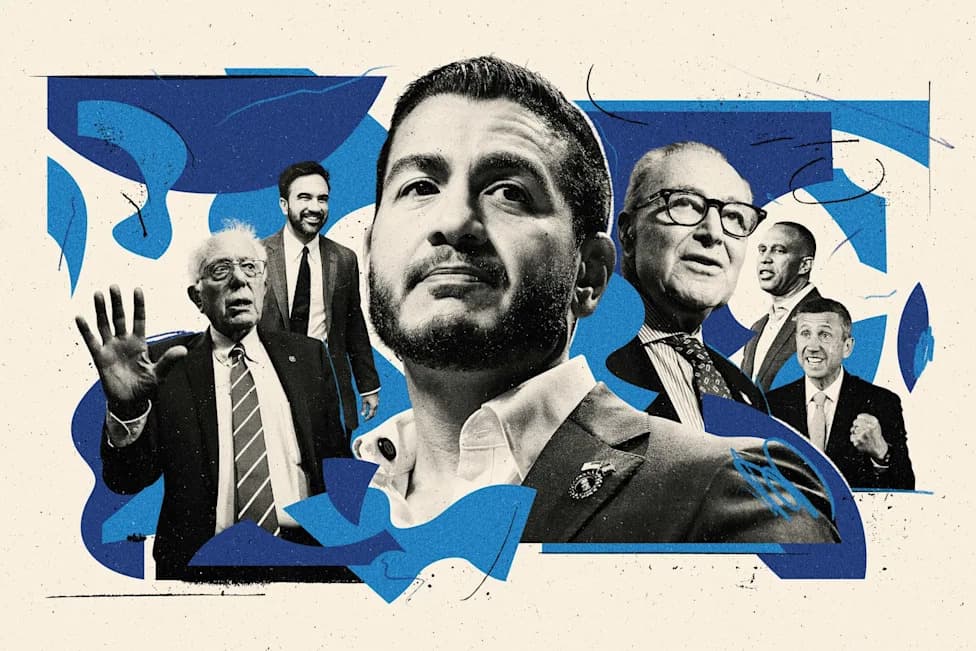
Consider Sen. Bernie Sanders. Many view him as an insurgent, yet he has served in Congress since 1991 and in the Senate since 2007. At what point does a challenger accrue the institutional power that makes them part of the establishment? After one term? Three? The answer matters: whether we call someone "establishment" affects how we interpret who won or lost at the ballot box.
Why Precision Matters
Political debate depends on shared definitions. If one analyst means party leaders, another means big donors, and a third means community elders, they are making different claims about the same vote totals. That lack of common language fuels confusion, misinformation and competing realities — which we've already seen play out across American public life.
"If we can't agree on what we're describing, how can we possibly have an honest conversation about what's actually happening?"
For the next 90 days I’m making a small, public commitment: each time I hear someone invoke "the establishment," I will ask one follow-up question — Who? Who exactly are you naming?
It’s a modest step toward restoring clarity to our political conversation. If journalists, strategists and voters insist on precision rather than shorthand, we'll be better equipped to understand not just who won or lost, but why those results unfolded the way they did.
Help us improve.