A genetic study of 605 Plasmodium falciparum samples from 15 Ethiopian districts (2019–2023) finds a complex, geographically variable mix of drug-resistance markers. Chloroquine markers persist in 61.2% of 492 classified samples and sulfadoxine–pyrimethamine markers in 42.8% of 453 samples, while artemisinin partial-resistance markers appear in 10% of 572 samples overall (48.6% in one district). A lumefantrine-associated pattern was detected in 93% of 483 classified samples. The authors recommend region-specific genomic surveillance and linking genetic data to clinical outcomes to guide interventions.
Ethiopia’s Malaria Parasite Is Accumulating Complex Drug-Resistance Mutations, Study Finds
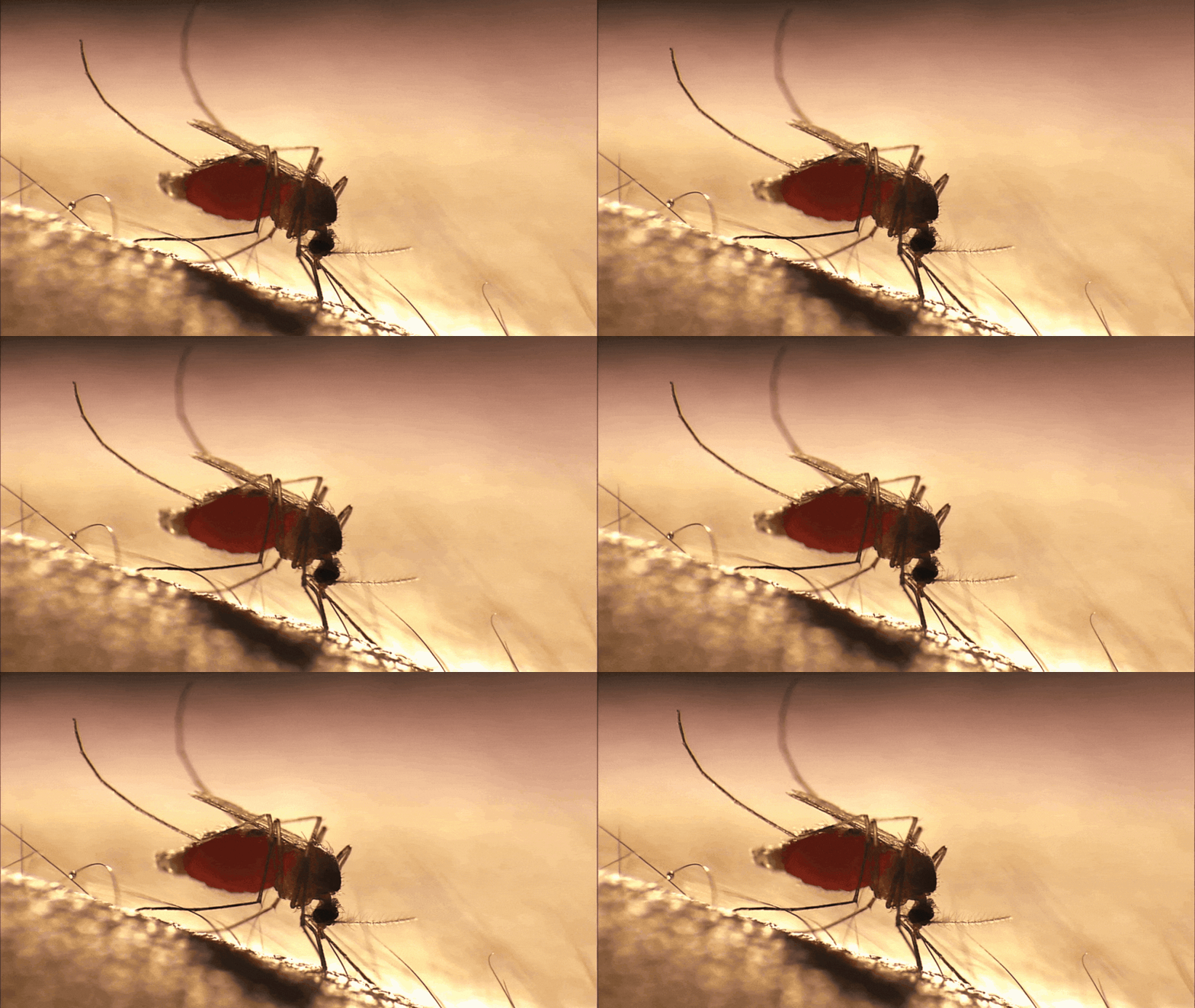
Malaria parasites are spread to people by infected mosquitoes. (Imazins/Image Bank Films/Getty Images)
Microbial evolution functions like an arms race: as one organism develops a defense, another evolves ways to overcome it. That rapid adaptability becomes especially dangerous when pathogens apply it to the medicines we rely on.

YouTube Thumbnail
A new genetic analysis of Plasmodium falciparum—the parasite that causes the most lethal form of malaria—shows this organism is accruing a worrying mix of mutations associated with resistance to both retired and current antimalarial drugs.
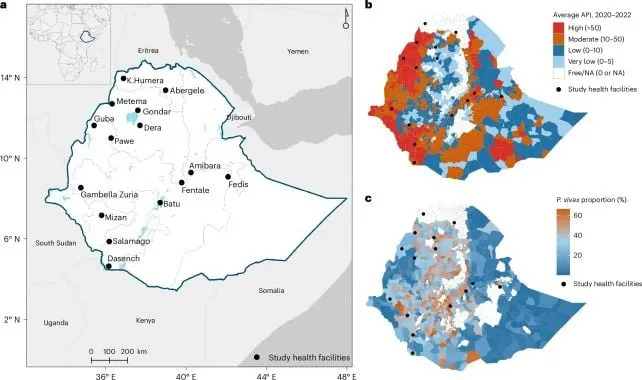
A map showing where the samples were collected, malaria intensity, and malaria parasite overlap. (Letebo et al.,Nat. Microbiol., 2026)
Study Overview
An international team led by Alemayehu Letebo (Armauer Hansen Research Institute, Ethiopia) and Leen N. Vanheer (London School of Hygiene and Tropical Medicine, UK) sequenced drug-resistance genes from 605 P. falciparum samples collected across 15 Ethiopian districts between 2019 and 2023. The sampled districts span varying malaria transmission intensities and differing overlap with P. vivax, a separate malaria species that remains chloroquine-susceptible and circulates in the same regions.
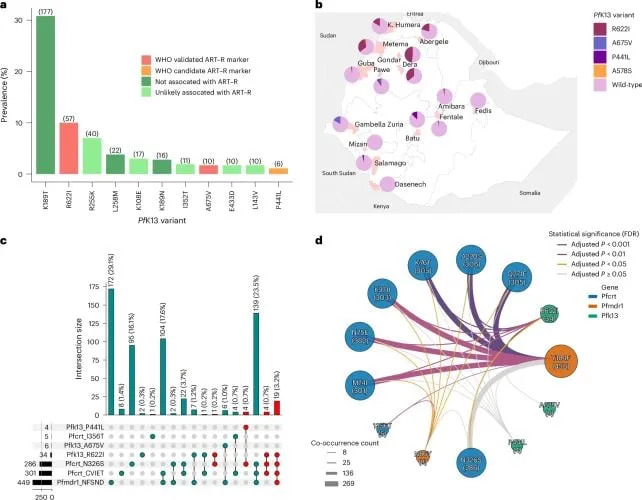
Graphs detailing the prevalence, geographic spread, and co-occurrence of the resistance mutations. (Letebo et al.,Nat. Microbiol., 2026)
Key Findings
The genetic data reveal a patchwork of resistance across Ethiopia rather than a single, uniform pattern:

Subscribe to ScienceAlert's free fact-checked newsletter
- Chloroquine-resistance markers persisted in 61.2% of 492 successfully classified samples, despite chloroquine having been withdrawn for P. falciparum decades ago.
- Sulfadoxine–pyrimethamine resistance markers were detected in 42.8% of 453 samples, even though that combination has not been used for malaria in Ethiopia since 2005.
- The principal genetic marker for artemisinin partial resistance appeared in 10% of 572 samples overall, but prevalence varied sharply by location, reaching 48.6% in one district.
- A genetic pattern linked to reduced sensitivity to lumefantrine—one partner drug in the frontline artemether-lumefantrine regimen—was observed in 93% of 483 classified samples.
Alarmingly, different resistance markers often co-occur within the same parasites. For example, parasites with chloroquine-resistance markers had more than threefold higher odds of also carrying artemisinin partial-resistance markers, raising the prospect of combined resistance pressures on current therapies.
“These findings underscore the dual challenge of persistent resistance to discontinued drugs and rising threats to current frontline therapies,” the authors write, stressing the need for more nuanced surveillance and tailored interventions.
Limitations
Crucially, this study reports genetic markers associated with resistance rather than directly measuring clinical treatment failure or patient-level drug efficacy. Genetic signals indicate risk and direction but do not by themselves confirm reduced drug effectiveness in the field.
Implications and Recommendations
The results point to important public-health actions: the authors urge integrated, region-specific surveillance that monitors both P. falciparum and P. vivax, wider use of whole-genome sequencing, and longitudinal studies that link genomic markers to clinical outcomes. Such targeted monitoring will help guide local treatment policies and preserve the effectiveness of current antimalarial regimens.
The full study is published in Nature Microbiology.
Help us improve.