Researchers report the first pan-drug-resistant (PDR) Candidozyma auris isolate from Africa, recovered from a surgical-site infection in Nairobi. Genome sequencing found mutations in ERG11, CDR1, FKS1, and a stop-gain in FUR1, explaining resistance to azoles, echinocandins, amphotericin B, and flucytosine. The mutation profile differs from a 2022 New York PDR case, suggesting possible independent evolution. Authors urge enhanced genomic surveillance and rapid diagnostics to limit spread in healthcare settings.
Rare Pan-Drug-Resistant Candida Strain Found in Nairobi — First Case in Africa

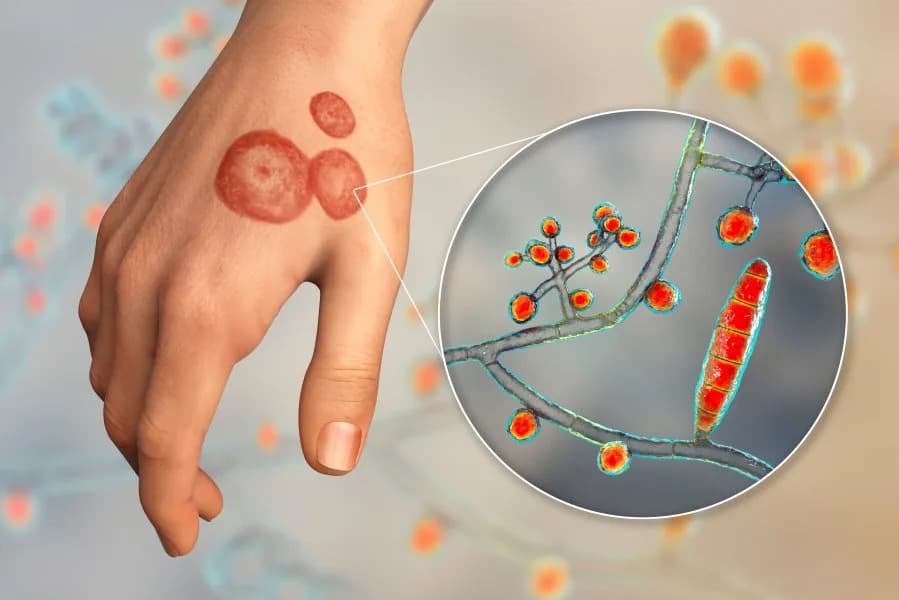
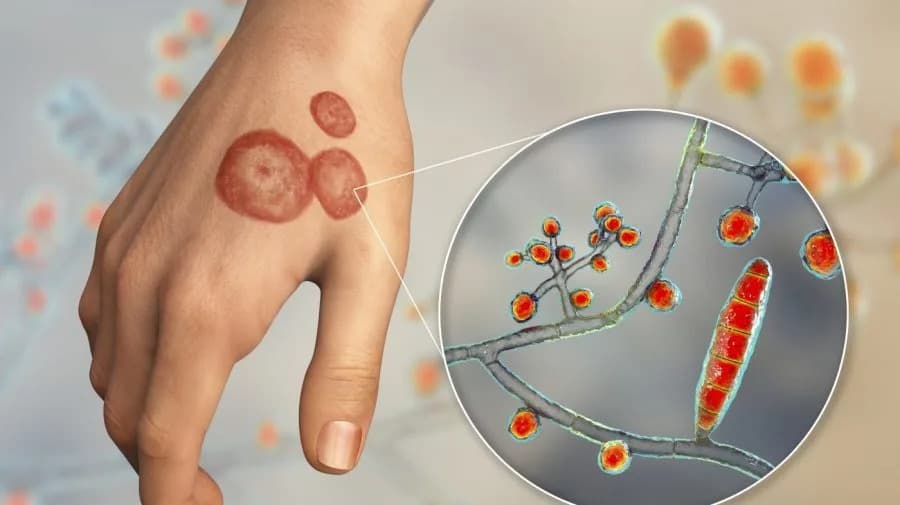
(Juan Gaertner/Science Photo Library/Getty Images)
Researchers have identified a rare strain of the fungus Candidozyma auris that is resistant to all four major classes of antifungal drugs — the first such case documented in Africa.
The isolate was recovered from a surgical-site infection in a 28-year-old woman following elective surgery at a hospital in Nairobi, Kenya. Laboratory testing showed in vitro resistance to azoles (for example, fluconazole), echinocandins (caspofungin and micafungin), amphotericin B, and flucytosine — a profile the authors classify as pan-drug-resistant (PDR).
Genomic Clues to Resistance
To investigate how this isolate became resistant, the research team sequenced its entire genome. They identified multiple genetic changes already linked to drug resistance: alterations in ERG11 and CDR1 (associated with azole resistance), a mutation in FKS1 (linked to echinocandin resistance), and a stop-gain mutation in FUR1 (which affects processing of flucytosine).
Crucially, the Kenyan strain’s mutation pattern differs from the previously reported pan-drug-resistant C. auris isolate identified in New York in 2022. That raises the possibility that pan-drug resistance evolved independently in multiple locations, although importation between regions cannot be ruled out.
YouTube Thumbnail
Why This Matters
C. auris is an emerging healthcare-associated fungal pathogen first described in 2009. It has spread to 60+ countries across six continents, can persist in healthcare environments, transmits between patients, and has been linked with high mortality in some invasive infections (reported ranges of roughly 30–50% in certain settings). In 2022, the World Health Organization designated C. auris a critical-priority fungal pathogen because of its combination of transmissibility and drug resistance.
Authors' recommendations: Strengthen fungal genomic surveillance, expand rapid diagnostic capacity in hospitals, and improve stewardship and access to effective antifungal therapies — especially in regions where newer drugs may be limited.
Unanswered Questions
The investigators could not determine whether the patient’s prior antifungal treatments selected for resistance. Medical records indicate she received several antifungal drugs during care, but dosing and treatment-duration details were incomplete, preventing firm conclusions about treatment-driven evolution in this case.
For now, pan-drug-resistant C. auris remains extremely rare. Still, the organism’s ability to spread in hospitals and to acquire and accumulate resistance mutations makes even isolated PDR cases a serious public-health concern. The study documenting this isolate appears in Scientific Reports.
Note: Candidozyma auris was previously classified as Candida auris; some sources and clinical labs may still use the earlier name.
Help us improve.