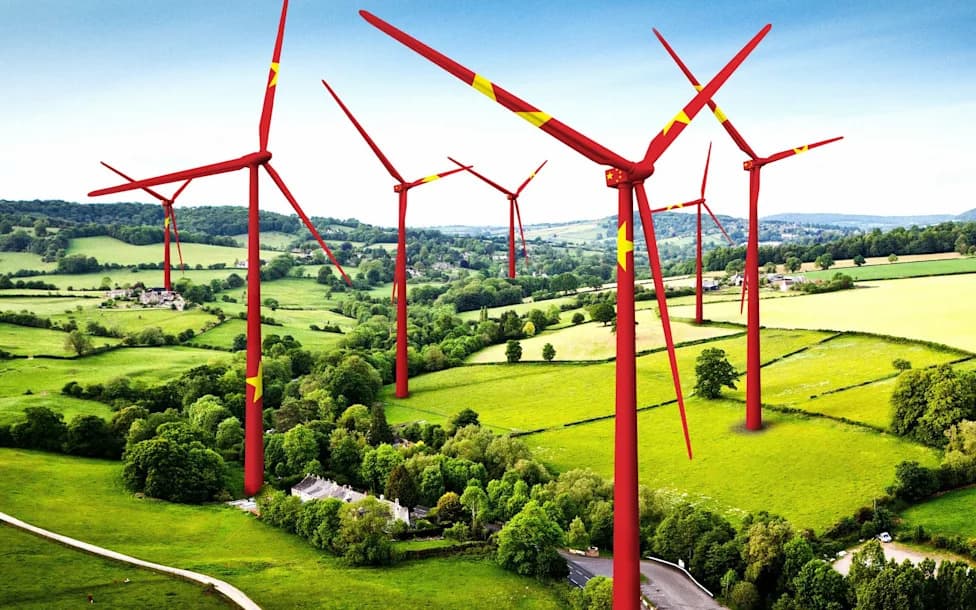
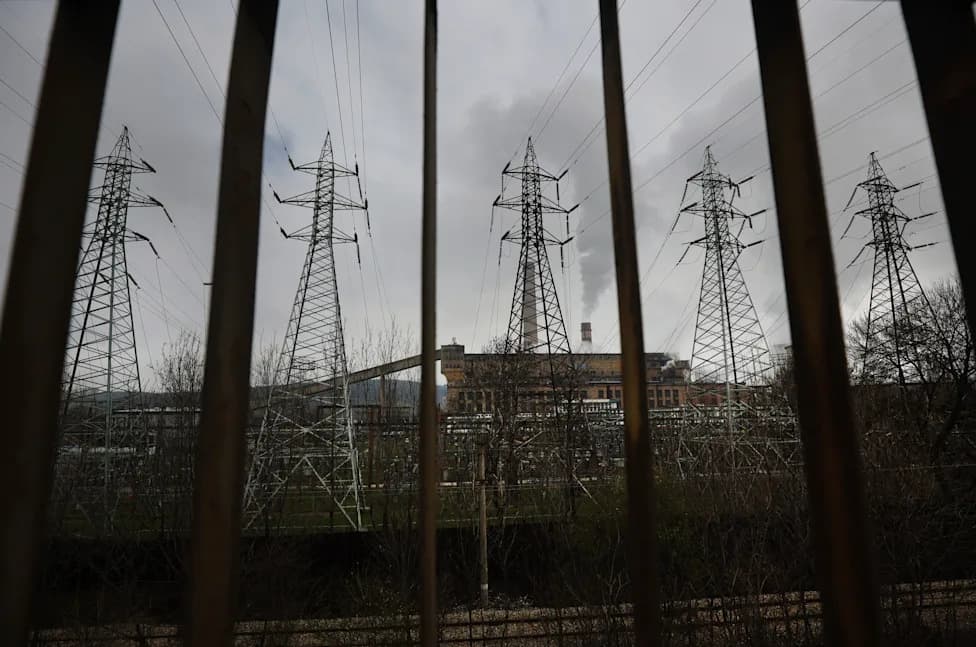
Europe has elevated energy storage to a strategic priority as it seeks to secure power supply while integrating more wind and solar. In June, EU ministers agreed to roughly triple storage capacity by 2030, beginning with approximately 30–35 GW of additional capacity by 2028 (current baseline about 55 GW; analysts estimate ~200 GW needed by 2030). Policymakers are now backing long‑duration solutions—such as iron‑air batteries—because lithium‑ion systems typically provide only around four hours of storage. Early commercial deals, including a 1 GWh iron‑air contract, could help reduce imports and improve grid resilience if scaled successfully.
EU Moves To Triple Energy Storage By 2030 — Betting On Long‑Duration Batteries
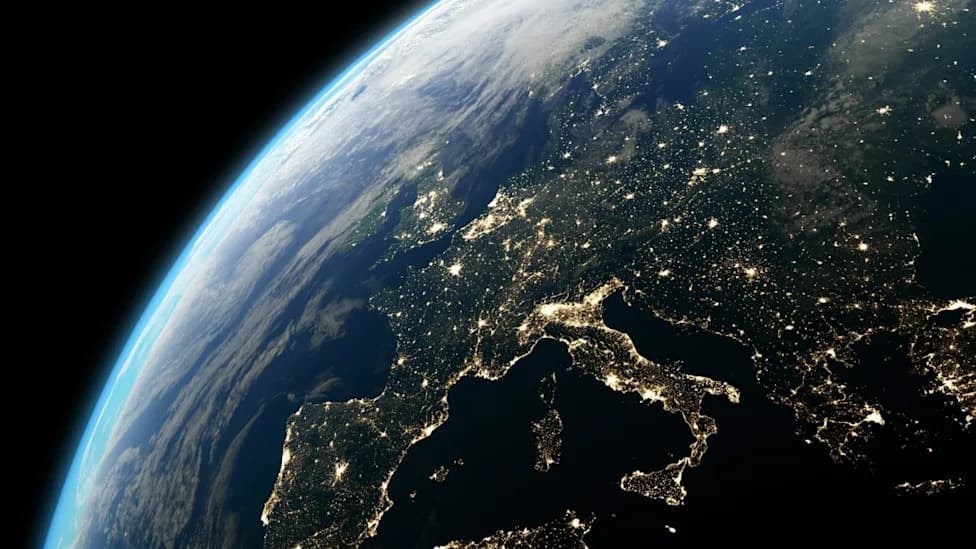
EU Locks In Plan To Triple Energy Storage Capacity By 2030
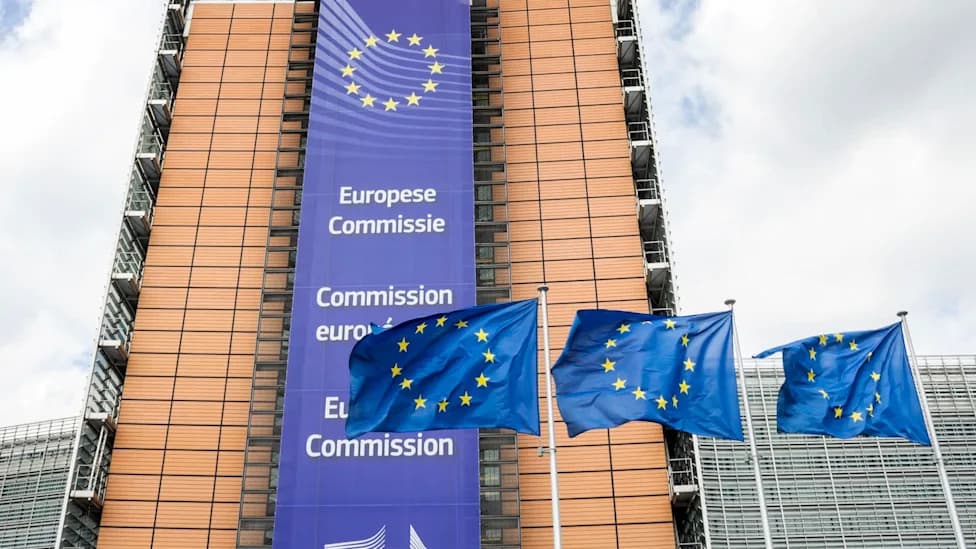
Europe is accelerating a major shift in energy policy: storage is no longer an afterthought but a central pillar of the continent’s strategy to bolster energy security and integrate more renewables. After the third energy shock in four years exposed gaps in domestic supplies and backup systems, EU ministers agreed in June to rapidly expand storage capacity to help shield the bloc from shortages, grid failures and geopolitical supply shocks.
Why storage matters now
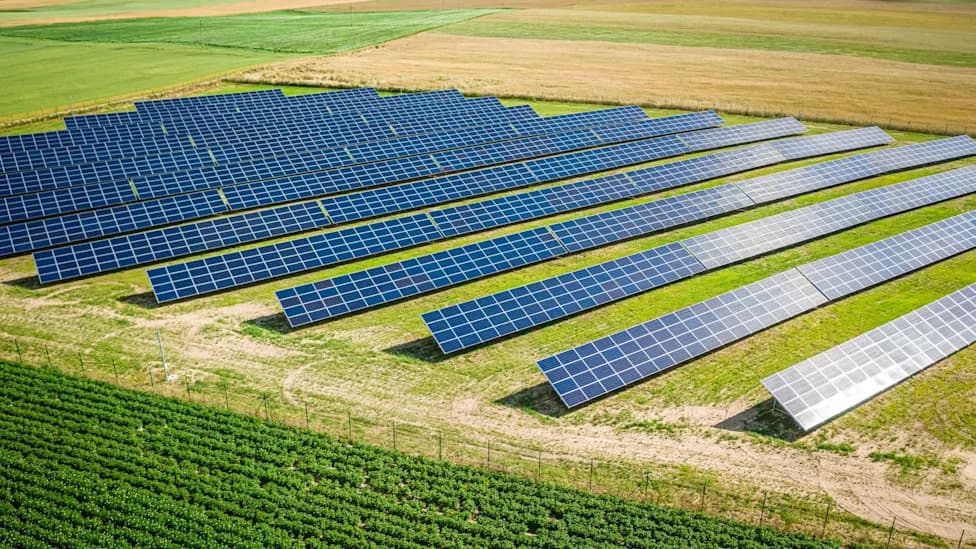
Higher shares of intermittent wind and solar are changing how electricity is produced and consumed. When output from wind and solar doesn’t line up with demand, markets and grids face extreme volatility. Energy storage smooths those imbalances by shifting clean power across hours, days or even weeks—but only if the right types and amounts of storage are deployed.
The political push
In June, EU energy ministers reached a landmark agreement to roughly triple the bloc’s storage capacity by 2030, starting with plans to add about 30–35 GW of additional storage by 2028. That is a significant ramp-up from the bloc’s current baseline: roughly 55 GW of installed storage capacity today versus many analysts’ estimate of roughly 200 GW needed by 2030. (Note: GW measures instantaneous power capacity while GWh measures stored energy; both metrics matter for system planning.)
Short‑duration vs. long‑duration storage
Most deployed battery systems today are lithium‑ion, which are well suited to shifting energy over hours—for example, storing solar output from midday to evening. However, lithium‑ion batteries are typically economical for durations of around four hours. To bridge multi‑day wind lulls or prolonged low‑solar periods, long‑duration storage technologies are needed.
A promising bet: iron‑air batteries
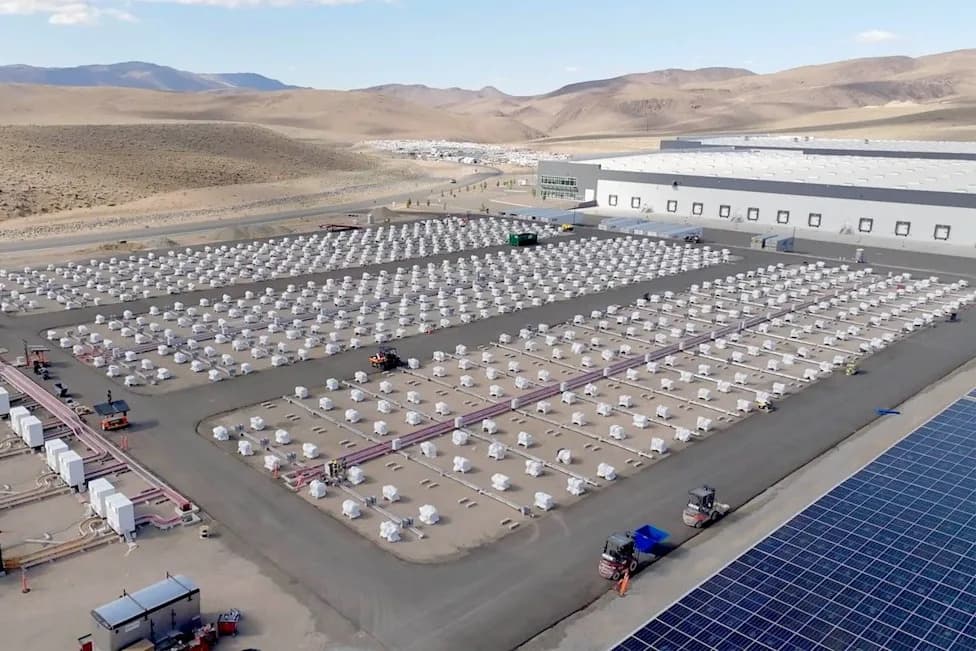
One emerging option is iron‑air storage. Netherlands‑based Ore Energy recently announced a 1 GWh contract to deploy modular iron‑air systems with a European energy supplier. Iron‑air cells use abundant materials (iron, water and air) and can, in theory, provide multi‑day storage durations—potentially four days or more—if scaled successfully. The systems are shipped in modular 40‑foot containers and can be linked to scale capacity.
"Short‑duration batteries alone can't fix this. They shift solar by a few hours, but wind‑heavy European grids need storage that works across days, not hours." — Aytaç Yilmaz, Ore Energy CEO
If long‑duration technologies like iron‑air can be commercialized economically and deployed at scale, they could transform Europe’s ability to rely on renewables while reducing dependence on imported fossil fuels. Today renewables supply roughly 44% of EU electricity, but the bloc still imports about 55% of its total energy (including oil and gas), and gas storage levels remain a concern—sitting near just half of typical capacity in the face of disrupted imports.
Implementation challenges
Scaling storage at the required pace will involve regulatory reforms, faster permitting, financing support and industrial scaling of nascent technologies. The EU is shifting storage from a niche enabler to a delivery priority, but turning political commitments into gigawatts and gigawatt‑hours on the grid by 2030 will be a major test.
Bottom line
The EU’s plan to triple storage capacity by 2030, and early commercial deals for long‑duration systems, mark a strategic pivot: storage is now central to Europe’s clean‑energy transition and its defense against supply shocks. Success will depend on rapidly deploying both short‑ and long‑duration solutions at scale and speed.
Help us improve.