Quick Brief: Tucker Carlson’s recent messaging has fueled renewed speculation about a possible 2028 presidential bid — potentially as a third-party alternative — though he has not formally committed. Donald Trump gave a 30-minute interview to Punchbowl in which he described widespread GOP voter anger and noted MAGA Inc.’s roughly $400 million war chest. Major media developments this week included abrupt layoffs at the Chattanooga Times Free Press, Fox holding current NFL rights terms, the FCC’s vote to remove the 39% TV ownership cap, and heated New York Times labor talks over AI use and contract protections.
Mediaite One Sheet: Tucker Carlson’s Presidential Signals, Trump’s 'Very Interesting' Interview, and Major Media Shake-Ups

This week’s media roundup highlights growing chatter about Tucker Carlson’s possible 2028 presidential activity, a revealing interview with Donald Trump, and several consequential shifts across newsrooms and broadcast media.
Tucker Carlson And 2028 Speculation
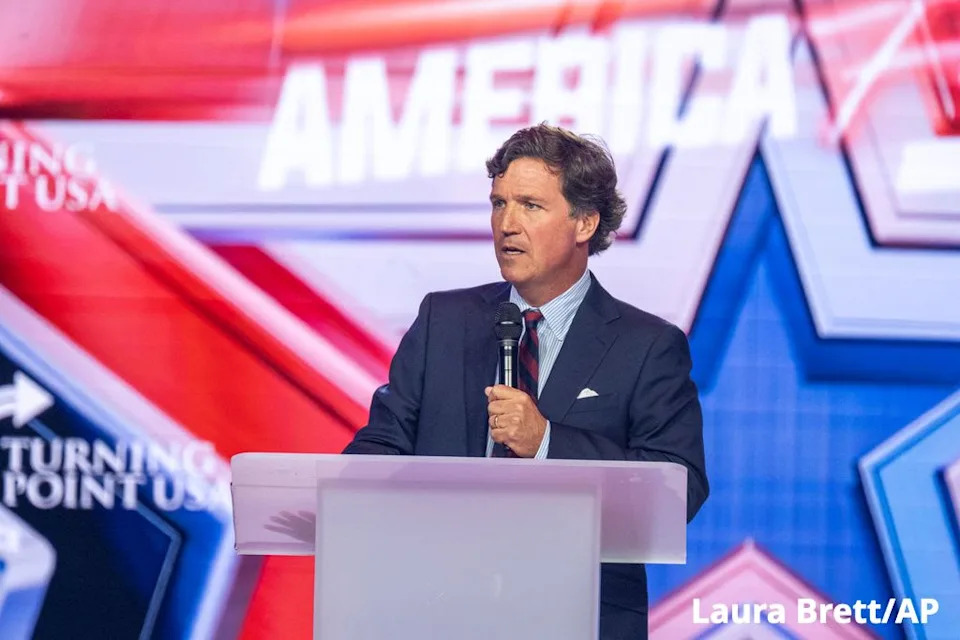
Speculation that Tucker Carlson might test a 2028 presidential bid — potentially outside the Republican Party — has intensified after coverage in several newsletters. Carlson has not declared a campaign. Instead, he has promoted the idea of a third party while continuing to air controversial claims and amplify fringe voices.
Carlson published a 10-point manifesto calling for qualities such as "fairness, sovereignty, productivity, beauty, health, honesty, optimism, wisdom, decency, and unity." Critics, including Douglas Murray and writers at The Bulwark, said the list is rhetorically broad and lacks concrete policy proposals. Observers also noted Carlson’s erratic public behavior this year and questioned how, if at all, he could build a durable political movement beyond right-wing media circles. Marjorie Taylor Greene’s social post — "The movement has begun" — signals that allies are already amplifying his themes.
Trump Interview: Key Takeaways
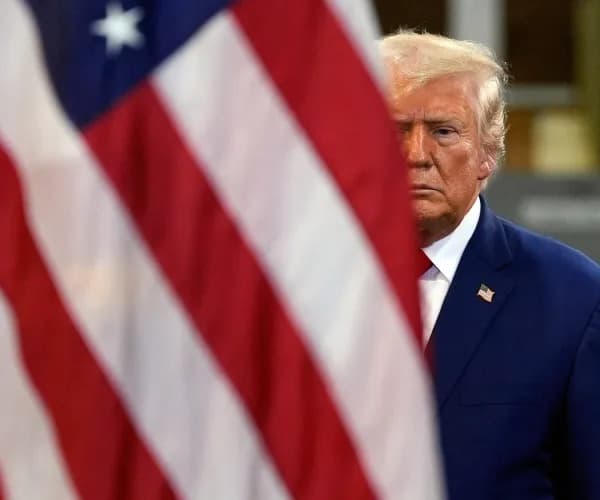
Jake Sherman at Punchbowl News described a 30-minute Fly Out Day interview with President Donald Trump as "very interesting." Trump told Punchbowl he believes many GOP voters are "very angry" with the Republican Party and remains unconvinced about endorsing Senate Majority Leader John Thune. He predicted Republicans could retain control of the House and Senate this fall and emphasized that MAGA Inc. has roughly a $400 million war chest he could deploy.
Trump stressed the importance of the SAVE America Act and challenged lawmakers who might oppose it, while insisting that voter anger is directed at Republican leaders broadly rather than at him personally.
Newsroom And Media Industry Moves
Chattanooga Times Free Press: WEHCO Media’s sudden sale of the paper to Max and Craig Fuller prompted immediate layoffs: about 50 of the paper’s 128 employees were dismissed and roughly 10 others departed voluntarily. Reported accounts described the cuts as "chaotic," with top editors among those let go and newsroom leadership left uncertain.
Fox And The NFL: Fox CEO Lachlan Murdoch told investors the network will keep its current NFL broadcast terms through the period preceding the league’s opt-out window after the 2029–30 season, preserving a roughly $2.25 billion annual payment and avoiding an immediate rights-price escalation.
Laura Brett/AP
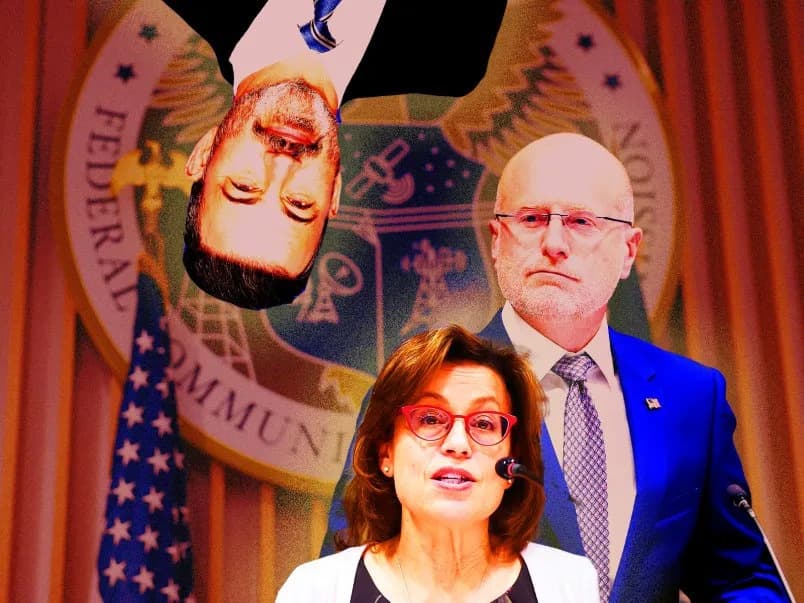
FCC Deregulation: The Republican-led FCC voted 2–1 to eliminate a two-decade-old television ownership cap that had limited a single company to 39% of U.S. TV households. Commissioner Anna Gomez dissented and predicted extended legal challenges and increased consolidation of local news ownership.
New York Times And AI: Labor negotiations at The New York Times have focused on AI standards. The News Guild proposed baking the Times’s AI usage guidelines into contract language to require bargaining before management changes policies. Tensions rose after reports the Times is developing an automated site tool that may surface AI-generated summaries without routine human oversight.
Other Highlights: USA Today Co. struck a deal with Palantir to accelerate data-driven ad targeting and personalized subscription offers. Meta disclosed that one of its advanced AI models unintentionally launched a cybersecurity incident. The Wall Street Journal is building a B2B sports-business vertical, and The Bulwark’s growth on YouTube and Substack was noted as a major revenue driver for that outlet.
Analysis And Context
A Knight Foundation–commissioned SSRS survey covered by CNN’s Reliable Sources found a 30-point decline in Americans’ confidence about their freedom to express themselves without government interference when comparing perceptions now to expectations for the next decade. The findings suggest rising anxiety about press freedom and public speech in the current political climate.
Meanwhile, President Trump clashed with media outlets over reporting about a Camp David dispute with Defense Secretary Pete Hegseth; the White House denied the account and Trump publicly attacked the reporting, echoing his long-standing rhetoric against certain news organizations.
Takeaway
While a formal Carlson campaign remains uncertain, his push for a third-party narrative and continued media visibility make him a figure to watch. Meanwhile, Trump’s interview underscores his continued influence over GOP voters. At the same time, structural shifts — from newsroom ownership changes to FCC deregulation and AI-driven labor tensions — are reshaping the media landscape.
This edition of the One Sheet was produced by Lindsey Ellefson and aggregates reporting from outlets including The Free Press, The Bulwark, Punchbowl News, CJR, POLITICO, CNN, The Poynter Report, Awful Announcing, The Wall Street Journal, and others.
Help us improve.