Jimmy Kimmel published an interview with Texas Senate candidate James Talarico on YouTube instead of airing it on ABC amid increased scrutiny from FCC Chair Brendan Carr. CBS's The Late Show With Stephen Colbert made a similar choice after Carr signaled an inquiry into ABC's The View. FCC Commissioner Anna Gomez called the pattern a campaign of censorship that pressures broadcasters into self-censorship. The developments occur alongside wider 2026 midterm politics, including proposals for voter payments and contentious local races over AI infrastructure and election-administration battles.
Kimmel, Colbert and Disney Move Interviews Online as FCC Pressure Sparks Self-Censorship Concerns
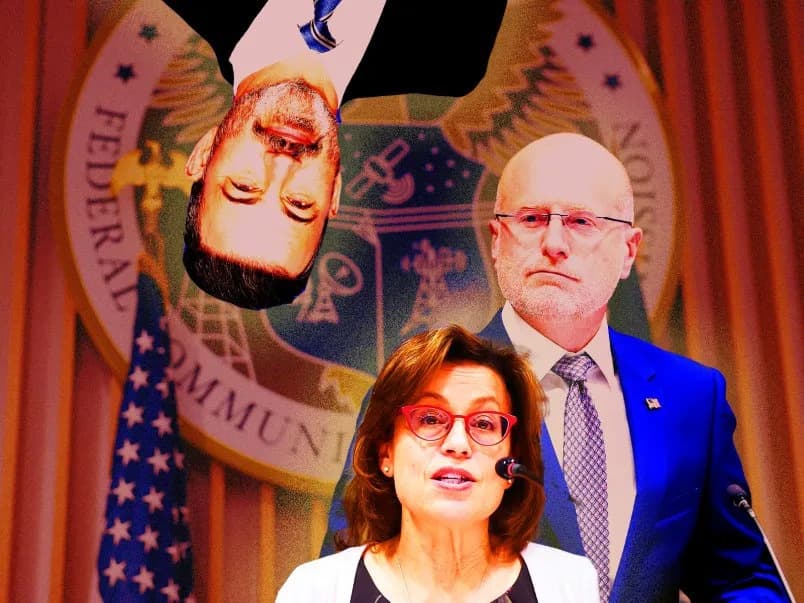
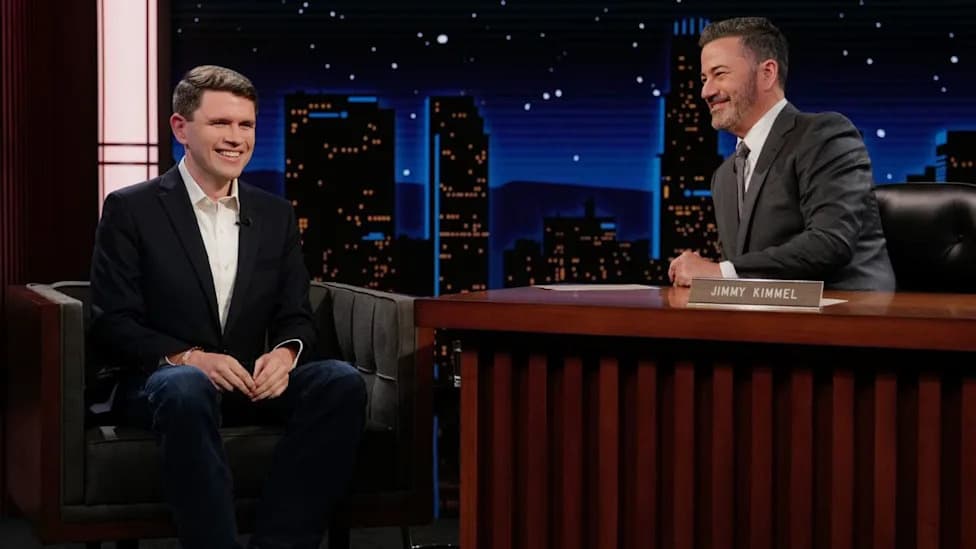
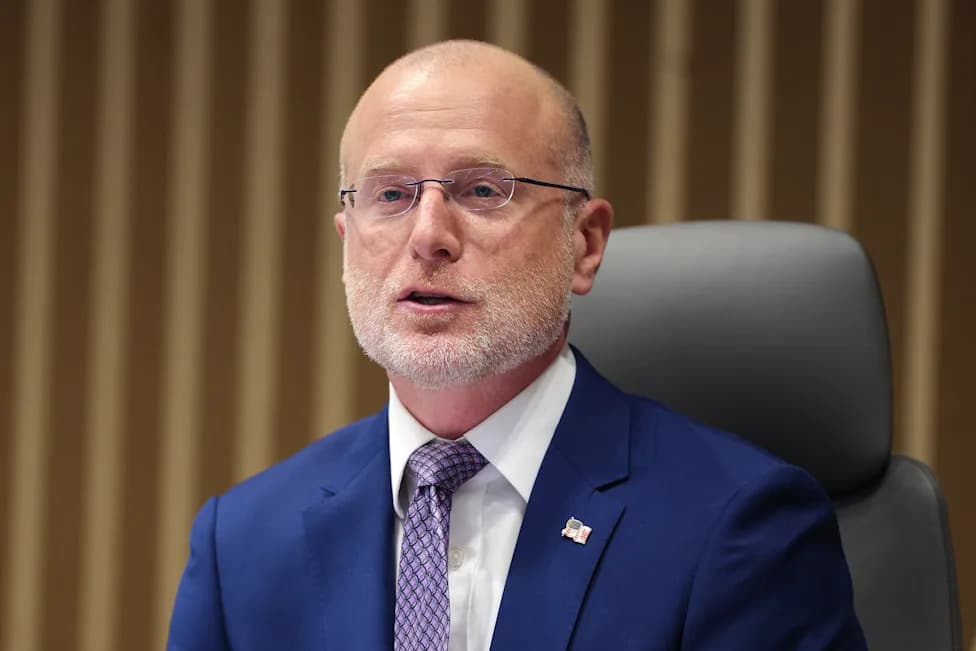
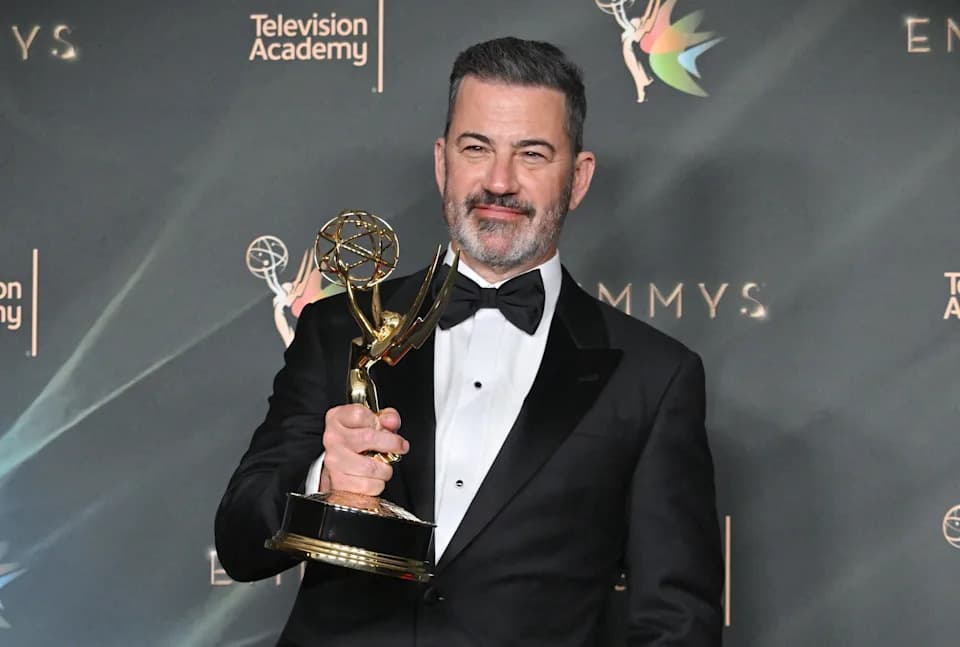
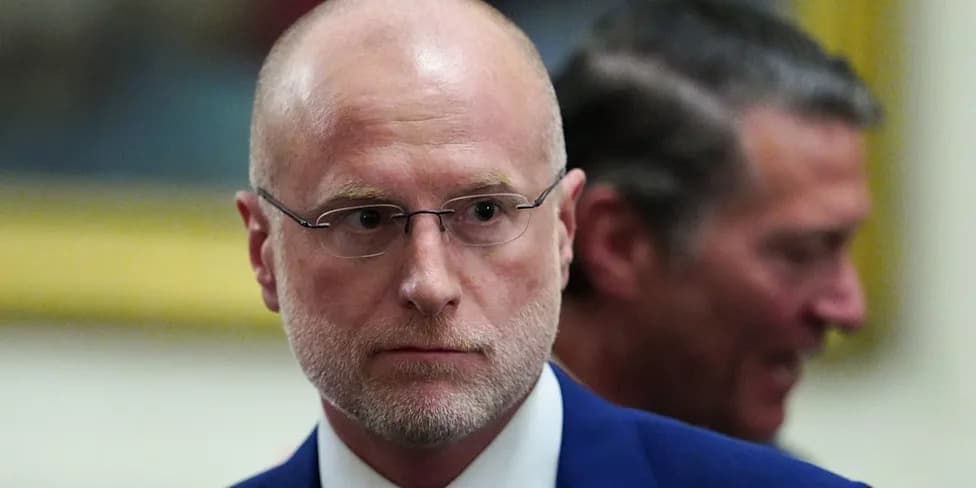
Comedian Jimmy Kimmel announced Wednesday that an interview he conducted with Texas Democratic Senate candidate James Talarico would be published on YouTube rather than aired on the ABC broadcast edition of Jimmy Kimmel Live!. The decision comes amid growing tensions between broadcasters and FCC Chair Brendan Carr, who has invoked the commission's "equal time" framework in scrutinizing network interviews with political candidates.
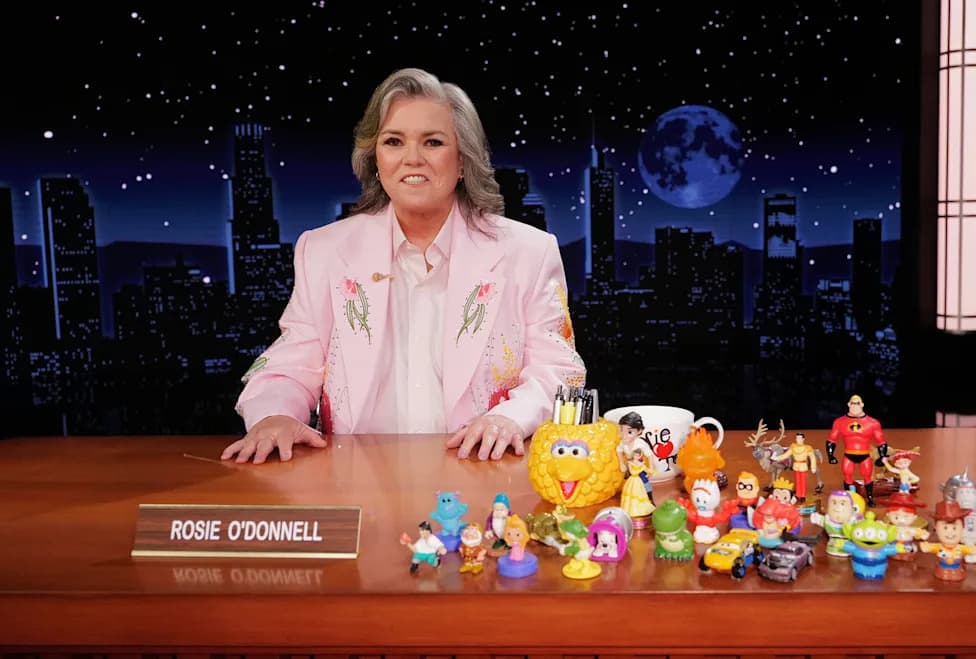
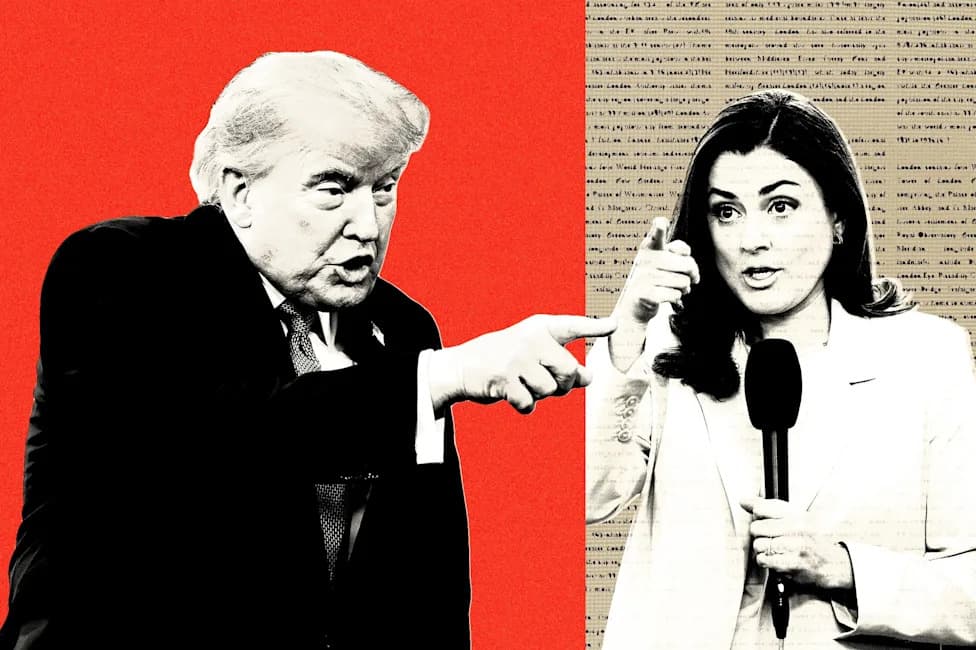
Earlier this year, lawyers for CBS's The Late Show With Stephen Colbert reached the same conclusion after Carr signaled an inquiry into ABC's daytime program The View for booking the same candidate. Networks and hosts say the moves reflect defensive choices to avoid potential regulatory consequences rather than voluntary censorship.
Why Networks Are Shifting Content Online
The FCC's "equal time" provisions require broadcasters to offer comparable airtime to opposing political candidates in certain circumstances. Over time, the FCC and broadcasters have treated late-night and daytime talk formats differently from straight newscasts, and exemptions have been recognized for bona fide news interviews and editorial programming. Still, Carr's recent actions have prompted legal caution: several networks have opted to publish politically sensitive interviews on streaming platforms or online channels to sidestep the risk of regulatory scrutiny.
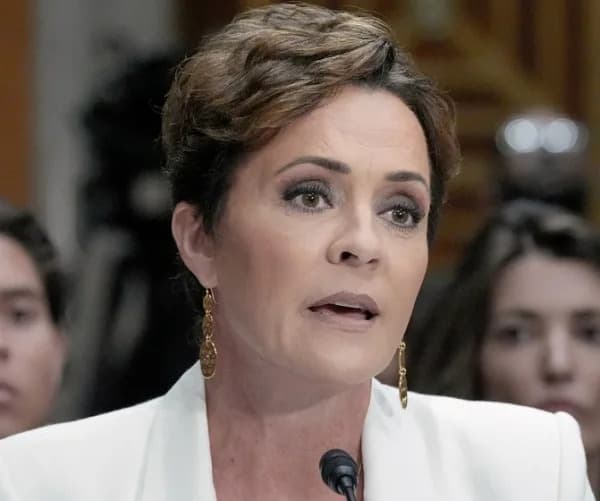
"Jimmy Kimmel's decision to keep his interview with a Senate candidate off the air shows just how far this Administration's campaign of censorship and control has gone," said FCC Commissioner Anna Gomez, the commission's lone Democrat. "No host, local affiliate, or network should have to weigh federal retaliation before booking a guest for a newsworthy interview."
What This Means For Press Freedom
Media watchdogs and journalists argue the pattern amounts to a chilling effect on editorial decision-making: rather than face uncertain enforcement, producers choose safer distribution channels. Critics say this narrows what appears on traditional broadcast airwaves and undermines the public's ability to hear candidates on the platforms where most local audiences still watch.
Related Political Developments
The Kimmel-Colbert episodes have unfolded against the backdrop of high-stakes 2026 midterm politics. President Trump's proposal to offer $5,000 payments to voters drew mixed reactions inside the GOP; Vice President J.D. Vance defended elements of the plan on Fox News, while other Republicans expressed surprise. Senator Bernie Moreno (R-OH) said he would work to codify related ideas into law.
In Pennsylvania, Democrat Bob Harvie has launched an ad calling for a moratorium on new data centers, making artificial intelligence infrastructure a flashpoint in Rep. Brian Fitzpatrick's (R-PA) competitive district. And the Justice Department has warned it may pursue criminal prosecutions of local election officials who refuse to provide voter-roll access after losing in civil court — a move that raises the legal stakes in an ongoing national dispute.
For now, whether the FCC will bring formal sanctions against Disney, CBS or specific programs remains unresolved. But the immediate effect is clear: broadcasters are altering editorial and distribution choices in response to perceived federal pressure, and critics warn that this dynamic is shrinking the space for open political discussion on mainstream television.
Help us improve.