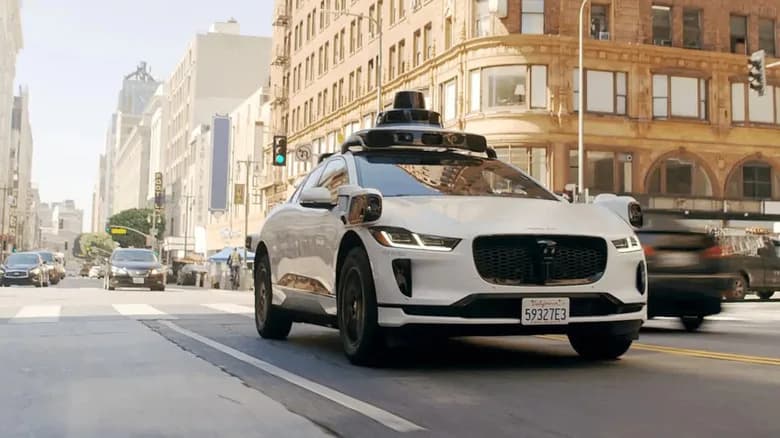
Short Version: The California Teamsters have sued the DMV and other state agencies, alleging newly adopted rules allowing large autonomous trucks were enacted without a required economic study and threaten more than 200,000 jobs. Julie Gutman Dickinson, representing the Teamsters, says the DMV hid the true economic and human costs and must rescind the regulations. Governor Gavin Newsom has vetoed union-backed bills but defends the DMV's attempt to balance worker protections and innovation. The case follows recent incidents and traffic disruptions involving self-driving vehicles.
Newsom Sued as Teamsters Challenge DMV Rules Allowing Self-Driving Trucks — Union Says 200,000 Jobs at Risk
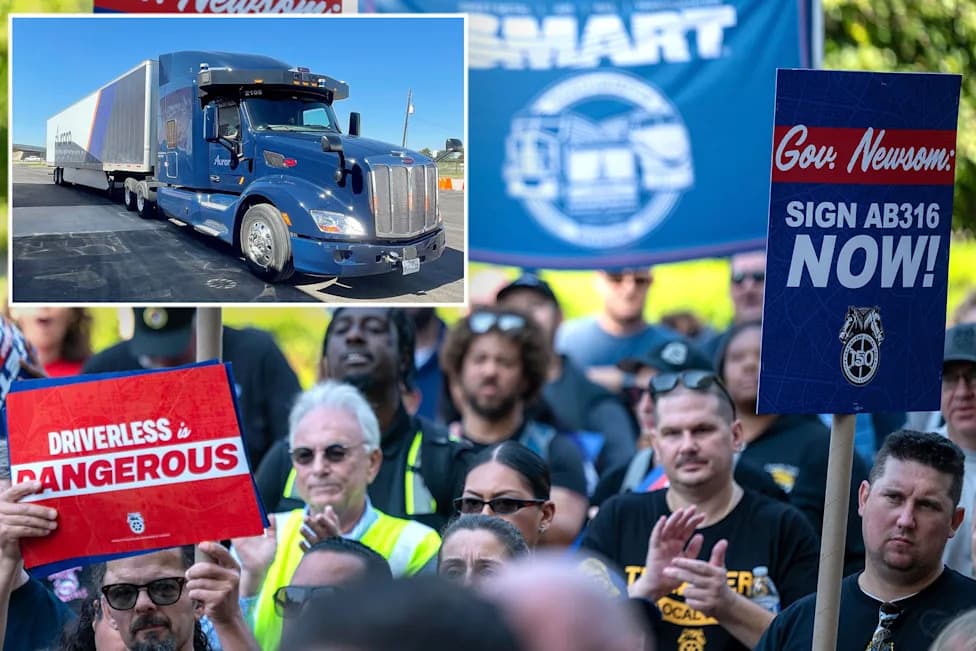
California Gov. Gavin Newsom faces a high-stakes lawsuit after the California Teamsters union accused the state Department of Motor Vehicles and other agencies of improperly adopting new regulations that would allow large autonomous trucks to operate in the state. The union says the rules create an 'existential threat' to about 200,000 transportation jobs and were implemented without proper economic review.
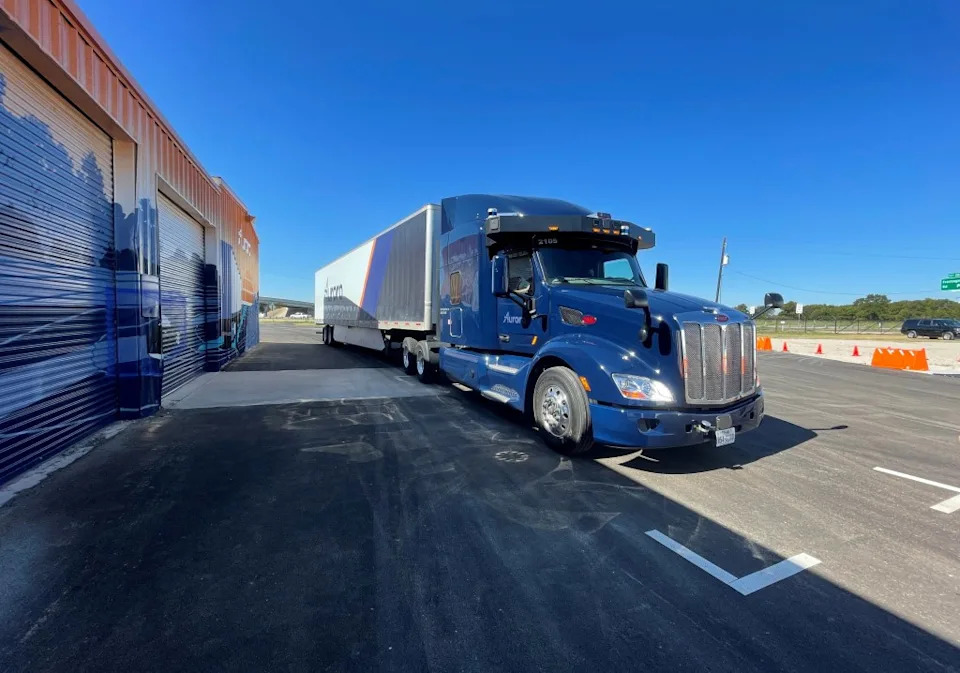
A Peterbilt 579 truck equipped with Aurora's self-driving system is seen at the company's terminal in Palmer, Texas, on Saturday, Sept. 23, 2023. Reuters
Background
Until recently, California was the only state to ban large autonomous commercial vehicles, a restriction largely driven by labor groups worried about widespread displacement of human truck drivers. Earlier this year the DMV moved to rescind that prohibition and adopt regulations permitting autonomous heavy trucks under certain conditions.
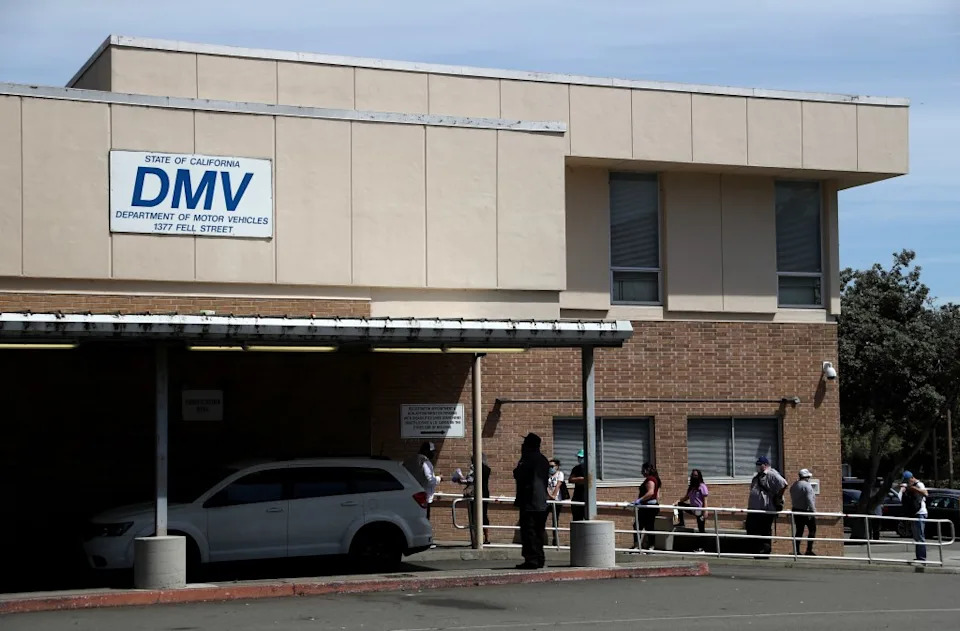
People wait in line to enter a California Department of Motor Vehicles (DMV) office on Friday, May 8, 2020, in San Francisco, California. Getty Images
Lawsuit Allegations
The Teamsters filed suit against the DMV, several state agencies and their leaders, arguing the agencies failed to conduct a required economic impact study and underestimated the economic and human costs of the new rules. The union asserts the DMV's assessment incorrectly concluded autonomous trucks would not eliminate jobs, while Teamsters estimates put the number of affected positions at more than 200,000.
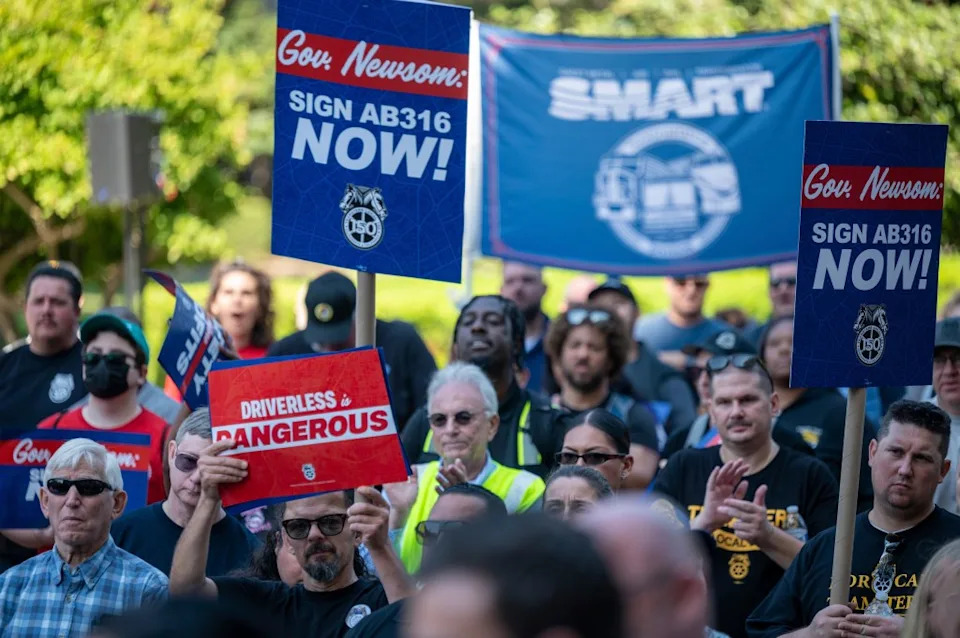
Teamsters union members hold signs urging Gov. Gavin Newsom to sign Assembly Bill 316. AP
Julie Gutman Dickinson, an attorney for the Teamsters, told reporters: 'The DMV irresponsibly, carelessly, and unlawfully kept the public in the dark about the true economic and human costs of the amended Autonomous Vehicle regulations. The only way to protect the public's right to properly scrutinize regulations that will transform transportation in California is for the Court to order the DMV to immediately rescind the illegally enacted regulations.'
Political Context
Governor Newsom has been caught between labor groups and technology companies. He twice vetoed bills backed by unions that would have imposed tighter restrictions on self-driving trucks, saying he believed the DMV's regulatory approach would strike an appropriate balance between worker protections and technological innovation. Unions, including the California Labor Federation, criticized those vetoes as siding with tech interests over safety and jobs.

Governor Gavin Newsom speaks during a press conference. Anadolu via Getty Images
Safety and Operational Concerns
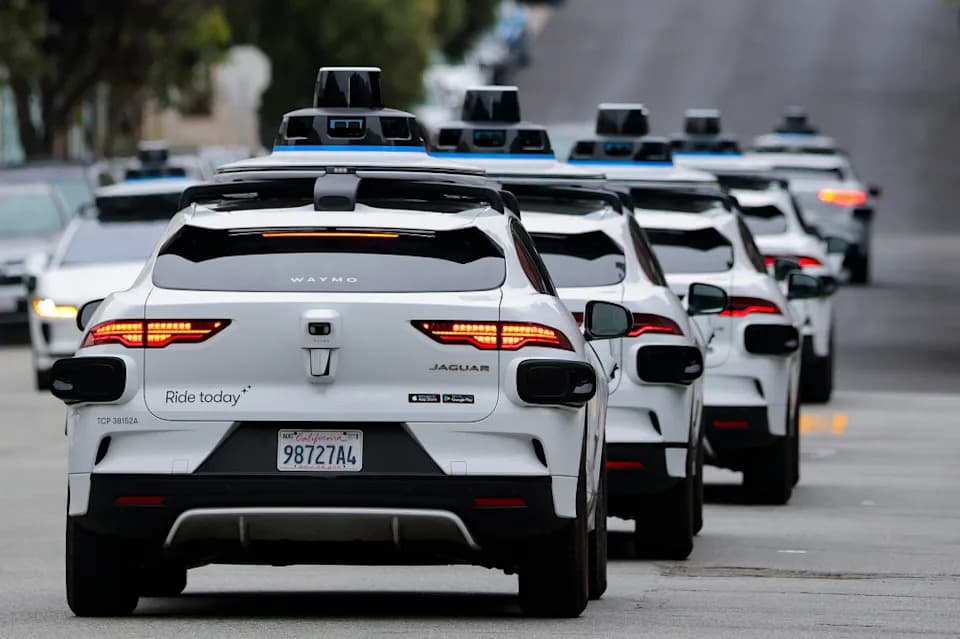
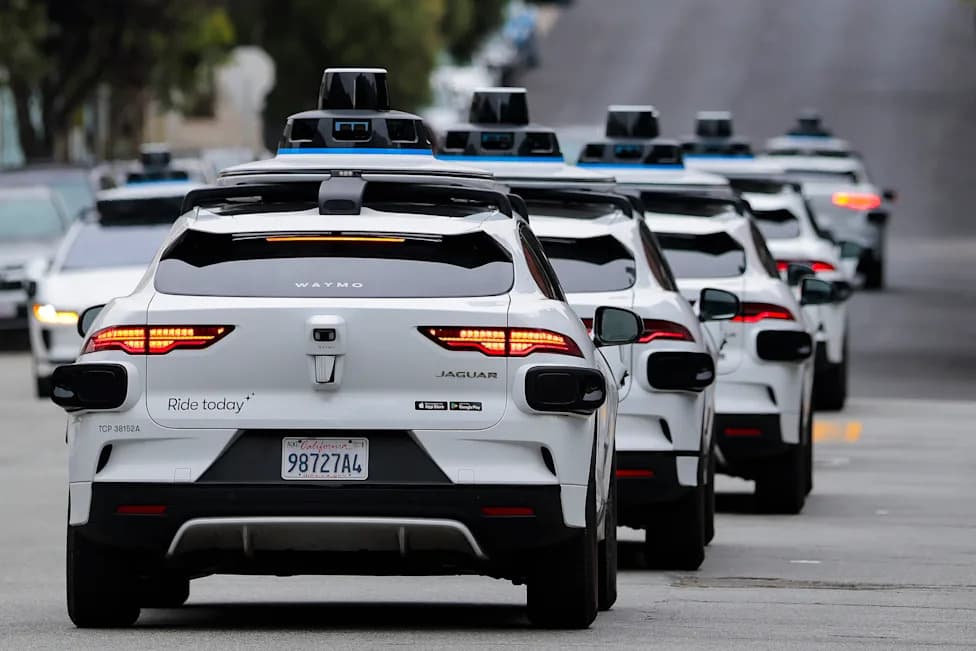
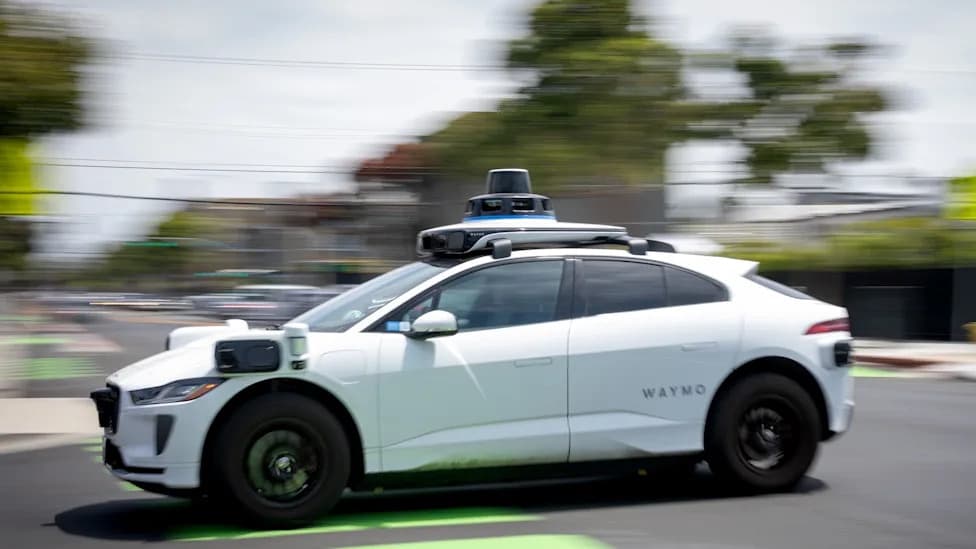
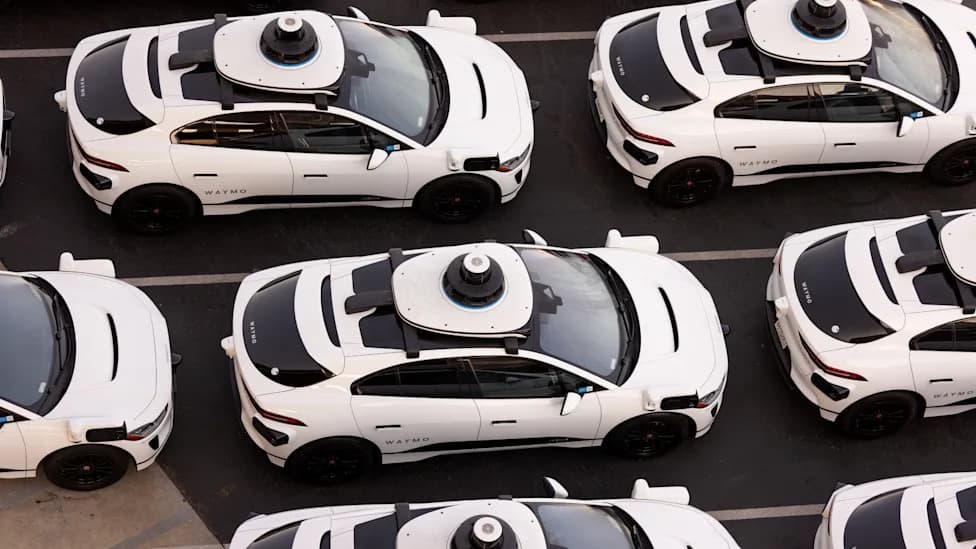
The debate arrives amid recent headlines about self-driving vehicles contributing to traffic problems and safety concerns. For instance, on the Fourth of July multiple Waymo vehicles reportedly sat idle in San Francisco traffic and worsened congestion near a fireworks event. In May, two Waymo cars allegedly behaved erratically and trapped a driver in her vehicle for roughly an hour, prompting a police response.
What Comes Next
The Teamsters are asking the court to rescind the regulations. The DMV and other agencies have declined to comment on the ongoing litigation. A court decision could shape California policy on autonomous commercial vehicles and influence how other states balance labor impacts, public safety and tech innovation.
Image caption: A Peterbilt 579 fitted with an autonomous driving system was photographed at Aurora's terminal in Palmer, Texas, in September 2023.
Help us improve.