California has passed a set of laws limiting workplace uses of artificial intelligence: employers may not rely solely on AI to fire workers, and the state bans AI that infers emotional states or collects neural data. Companies must notify employees if layoffs were driven by AI, and AI surveillance in bathrooms and tracking heat maps is restricted. The measures lack a private right of action and rely on government enforcement, but advocates say the laws could set a model for other states.
California Enacts Sweeping AI Workplace Laws to Protect Workers From Job Loss and Surveillance
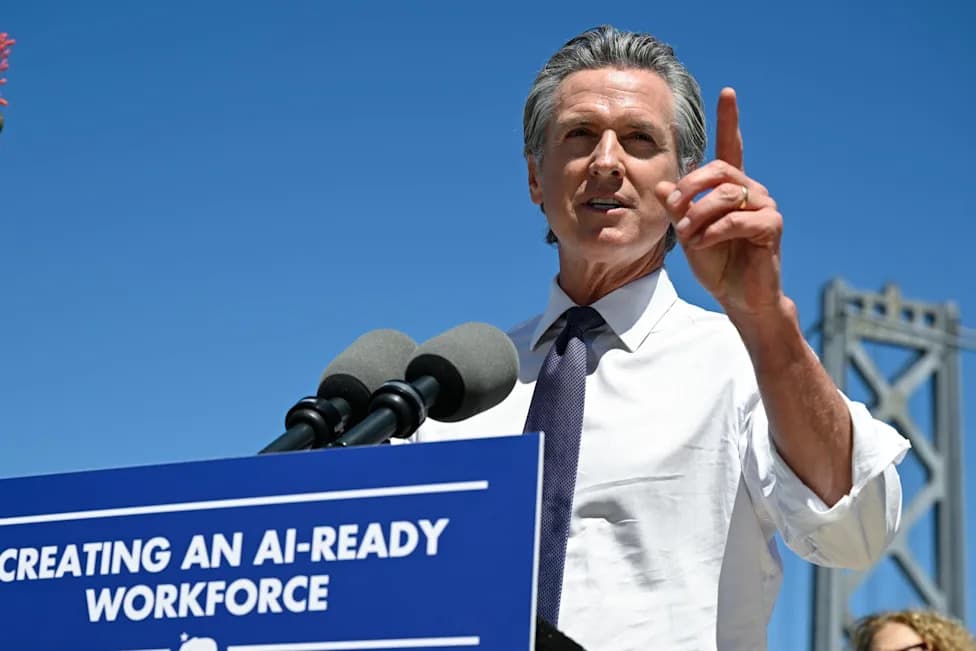
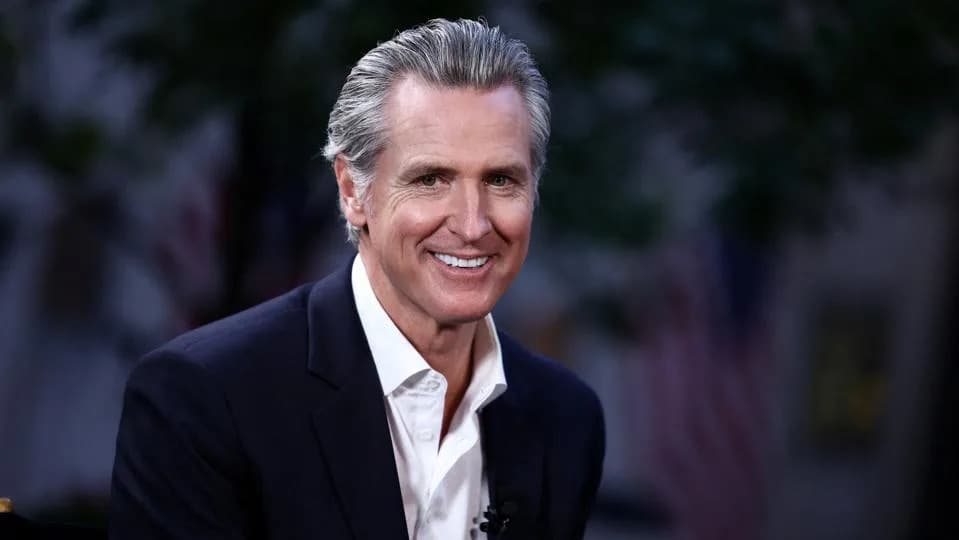
Gavin Newsom speaks at Google's San Francisco office about 'creating an AI-read workforce', a joint effort with some of the world's leading tech companies to help better prepare California's students and workers for the next generation of technology.Photograph: Tayfun Coşkun/Anadolu/Getty Images
California has enacted a package of laws that place new limits on how employers may use artificial intelligence in the workplace, marking one of the most comprehensive state-level efforts to protect workers from automation, discrimination and intrusive surveillance.
What the New Laws Do
Ban Solely AI-Based Firings: Employers may no longer rely exclusively on automated systems to make termination decisions. Human review or involvement is required before final employment actions are taken.
Prohibit Emotional-State Inference and Neural Data Collection: The laws bar AI that predicts or infers employees' emotional states and prohibit the collection or use of neural data derived from electrical signals in the brain or nerves.
Require Notification When Layoffs Are Driven By AI: Companies must inform workers if a reduction in force was caused or significantly influenced by automated decision systems.
Restrict Bathroom Surveillance and Target Movement Heat Maps: AI-powered monitoring in workplace bathrooms is banned, and the statutes target surveillance tools such as heat maps that track employees' movements and time away from workstations.
Context and Reaction
Labor leaders, unions and worker advocates framed the package as a turning point. California, home to many leading AI developers, is positioning itself as a model for other states considering workplace AI rules. Supporters say the laws address both immediate harms — such as timing bathroom breaks or rating nurses' interactions — and less visible risks as AI expands into new uses.
Supporters view the measures as a first step toward broader worker protections and a way to push back against unchecked corporate deployment of AI.
Enforcement, Limits and Concerns
An important limitation: the statutes do not create a private right of action. That means individual workers cannot sue under these new laws; enforcement rests with government agencies. Legal experts say this centralizes enforcement but could slow or limit remedies for workers.
Some employers and lawyers warn the rules may be overly prescriptive or may unintentionally block beneficial safety applications, such as systems that detect if a driver is falling asleep. Others argue the measures do not go far enough and that additional transparency requirements — such as mandatory employer disclosure of AI use — are still needed.
Why It Matters
The laws arrive as major tech companies increase AI investment even while issuing large layoffs, and they follow high-profile worker pushback against workplace monitoring. Advocates hope California's approach will influence legislation in other states and create momentum for stronger workplace safeguards nationwide.
While the practical impact will depend on enforcement and implementation, the package represents a significant regulatory shift: it places explicit limits on certain AI uses at work and requires greater accountability when automation affects employees' livelihoods.
Help us improve.