A global scoping review of 142 studies (1978–2025) reframes snakebite as a largely poverty-linked public-health problem driven by farming, poor housing, seasonal weather and limited healthcare. Agriculture accounted for 59.1% of 47,892 activity-recorded bites, and 79% of 85,593 location-recorded bites struck the lower limbs. The authors argue prevention should prioritize affordable, climate-appropriate protective gear, housing improvements, local responders and faster access to care rather than treating bites as unavoidable accidents.
Snakebite Crisis Is a Poverty Crisis, New Global Review Finds
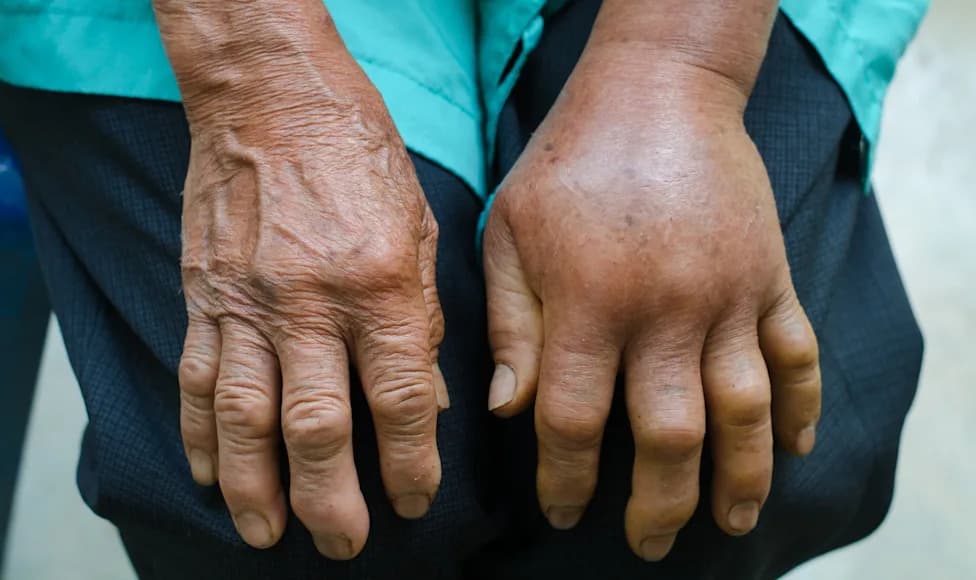
© Ramiz Ali, CC-BY 4.0
A comprehensive new scoping review shows that snakebites are not simply random accidents but often the predictable result of poverty-driven conditions such as agricultural labor, inadequate housing, seasonal weather, unsafe working environments and limited access to healthcare.
What the Review Did
The review, published in PLOS Neglected Tropical Diseases and led by Chandrashekhar Janakiram of Amrita Vishwa Vidyapeetham (India), examined 142 studies published between 1978 and 2025 from Asia, Africa, the Americas, Australia and Europe. More than 60% of those studies came from India. As a scoping systematic review, the paper maps recurring circumstances in the literature rather than calculating precise risk estimates for every factor.
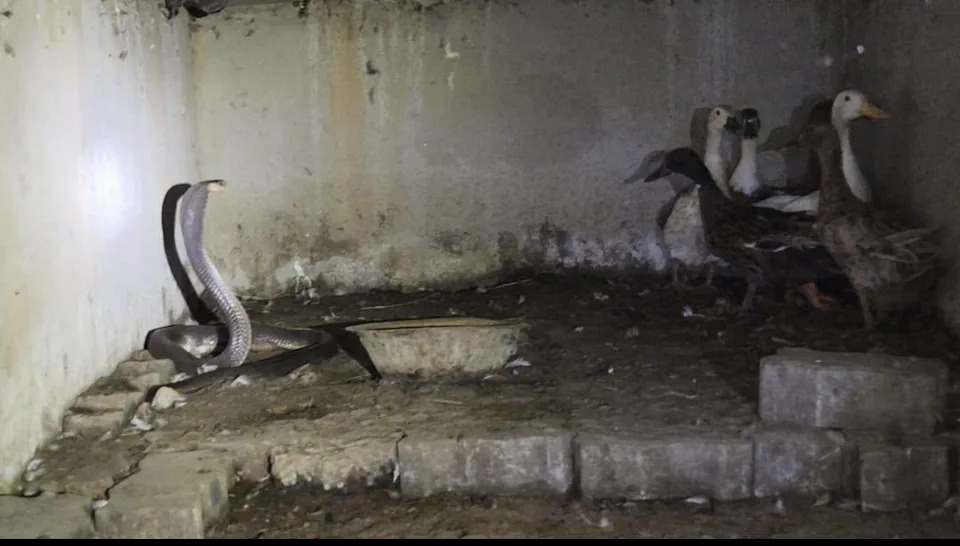
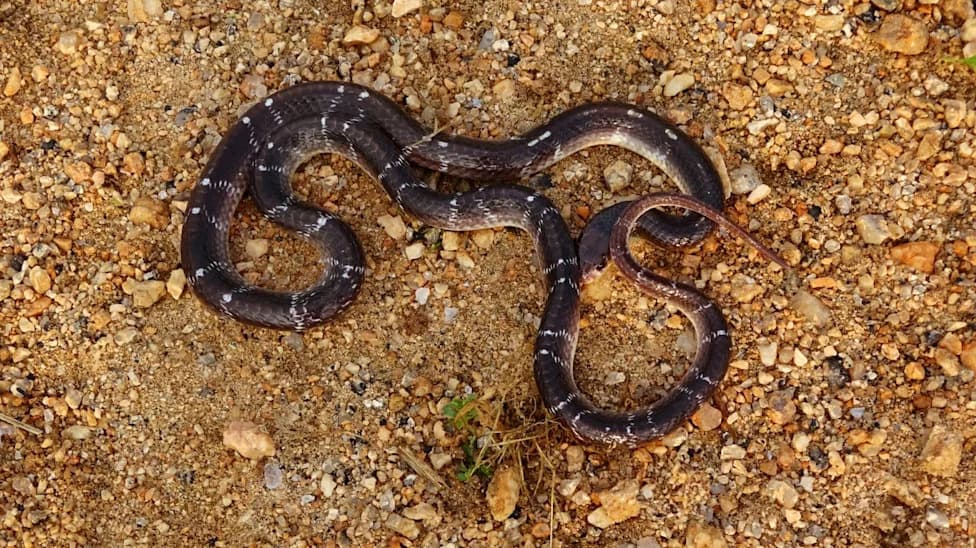
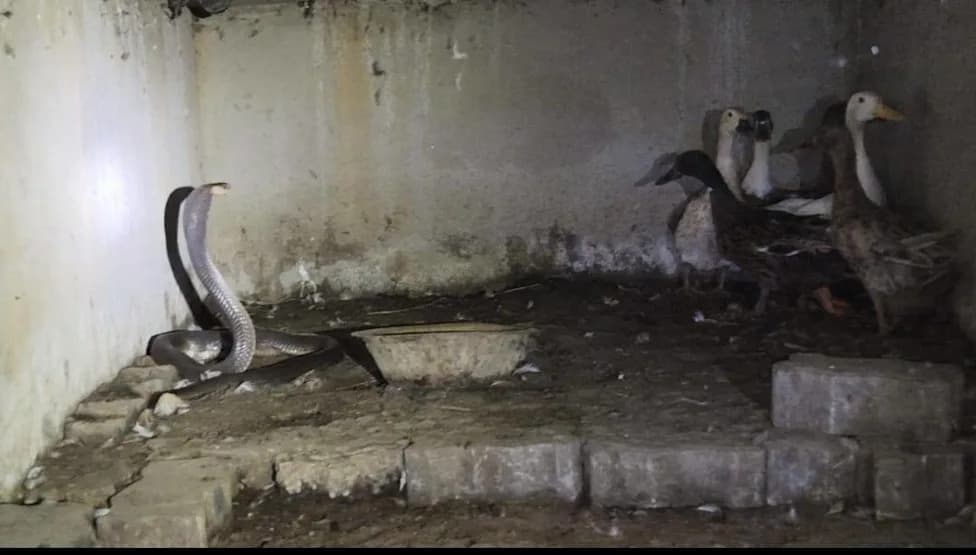
A monocled cobra enters a duck coop in Assam, triggering panic as the ducks frantically attempt to evade the venomous predator.©Ramiz Ali, CC-BY 4.0 –Original/License
Key Findings
- Agriculture Dominates: Of 47,892 activity-recorded bite cases, 59.1% occurred during agricultural or farm work (planting, weeding, harvesting, clearing vegetation, tending livestock and related plantation tasks).
- Lower-Limb Strikes: In 85,593 cases with a recorded bite location, 79% of bites affected the lower limbs and 19.2% the upper limbs—consistent with bites while walking through crops or working close to the ground.
- Timing: Bites were almost evenly split between day and night. The review's detailed table reports 52.6% of bites during daytime (the abstract reports 54.6%), with the largest share between noon and 6 p.m.
- Indoor and Sleep-Related Bites: Sleeping or resting accounted for 2.4% of activity records; risk rises where people sleep on floors or homes have gaps that allow snakes inside.
- Handling Snakes: Handling—trying to catch, move or kill snakes—accounted for 3.6% of reported circumstances and is an avoidable exposure when safer options exist.
- Seasonality and Land Use: Monsoon and post-monsoon periods often increase bites due to flooding, greater snake movement and overlap with planting/harvesting. Habitat change and deforestation can also push snakes closer to farms and homes.
Why This Matters
The pattern of results reframes snakebite as a public-health problem tightly linked to social and environmental conditions—many of them poverty-related. Prevention therefore needs to focus on reducing exposure before bites occur, not only on post-bite clinical care such as antivenom and emergency treatment.
Practical Prevention Priorities
- Affordable, climate-appropriate protective gear (e.g., breathable, flood-resistant footwear and usable gloves).
- Improved housing (sealing gaps, repairing walls and raised sleeping areas) to reduce indoor entry.
- Seasonal warnings and safer field practices timed with planting/harvest peaks.
- Local training for safe snake removal or community responders where professional services are unavailable.
- Faster, affordable transport and access to medical care to reduce severe outcomes after bites.
Limitations
The review has important limits: it did not quantify how much each circumstance increases risk, did not compare bitten people with unbitten controls, relied on heterogeneous study methods (many hospital records may be incomplete), included only English-language studies, and had a heavy representation from India—so regional patterns may vary.

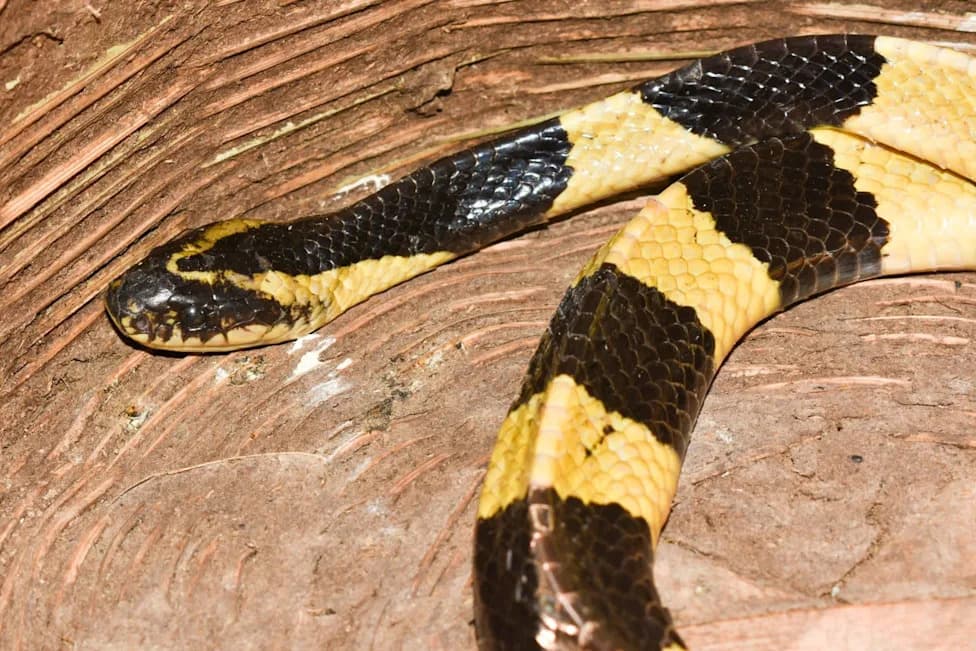
©Ramiz Ali, CC-BY 4.0 –Original/License
Conclusion
Snakebites will never be entirely predictable, but this review shows many encounters occur in repeatable social and environmental settings. By addressing poverty-linked drivers—safer work practices, better housing, affordable protective equipment, local responders and improved access to care—communities can substantially reduce injuries, disability and deaths from snakebite.
Photo credit: Ramiz Ali, CC-BY 4.0
Help us improve.