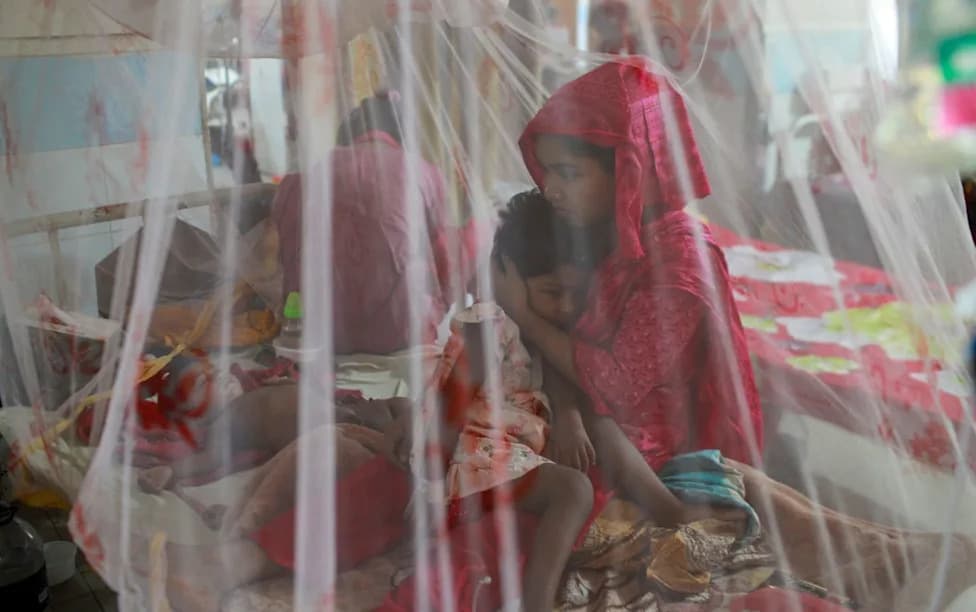
This summer, dengue-carrying Aedes aegypti mosquitoes have contributed to a rise in dengue cases across parts of the U.S., with 1,455 combined local and travel-related infections reported and recent locally acquired cases in Virginia and Florida. Symptoms usually appear about two days after a bite and commonly resolve within a week, but about 1 in 20 patients develop severe disease; six U.S. deaths were reported in 2024. Prevention focuses on repellents, protective clothing and removing standing water; the Dengvaxia vaccine is limited to children 9–16 with prior confirmed infection.
Dengue-Carrying Mosquitoes Are Spreading Across the U.S. — Where To Be Alert
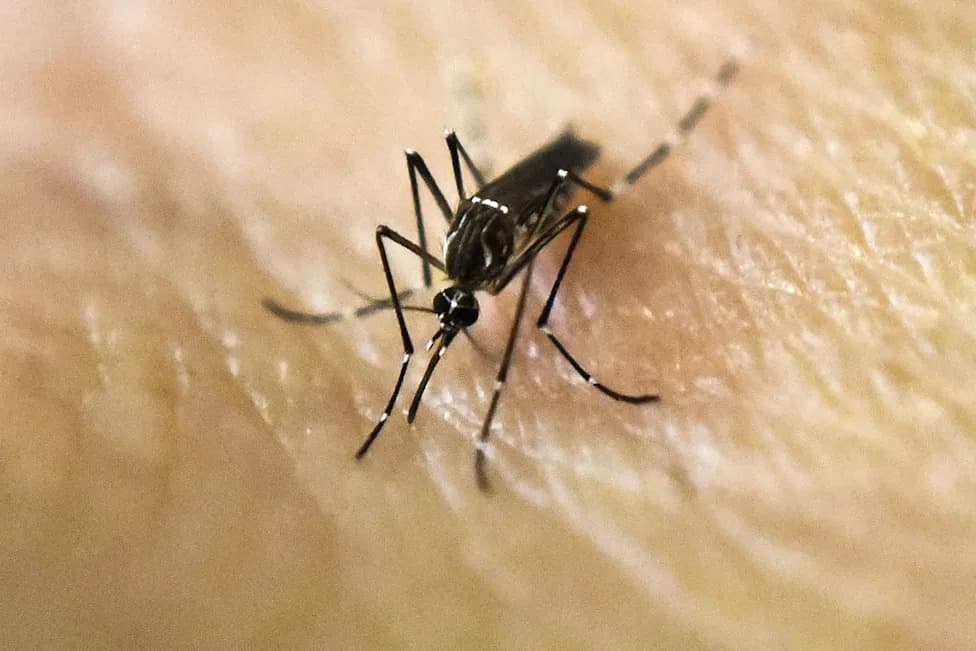
Mosquitoes are spreading dangerous dengue in US states. Here’s where to watch out
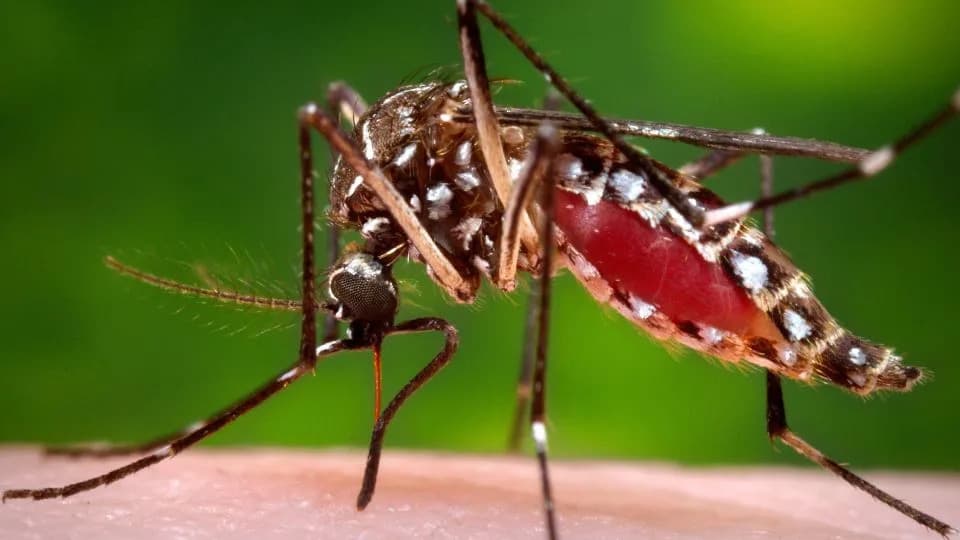
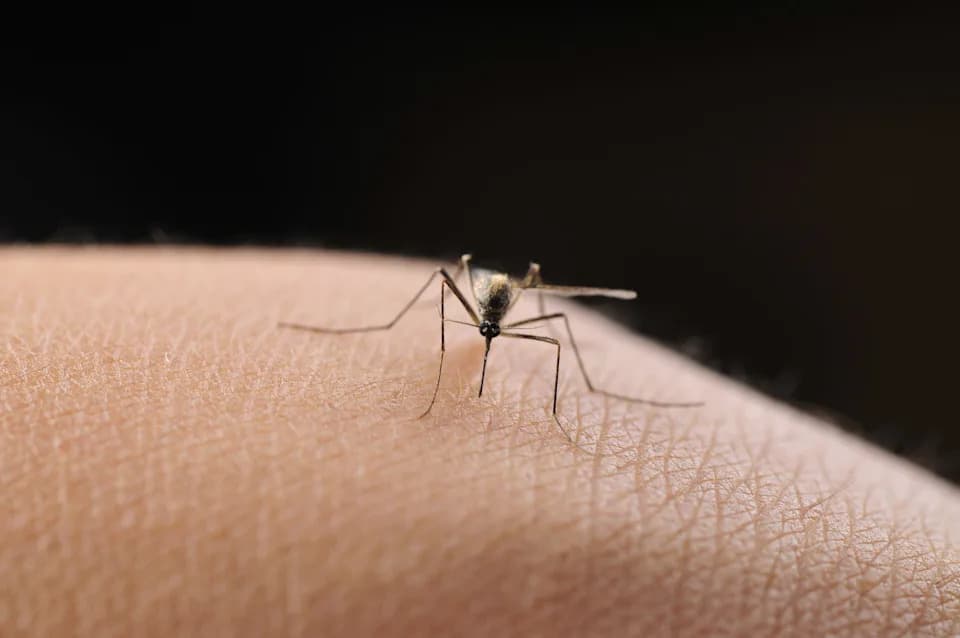
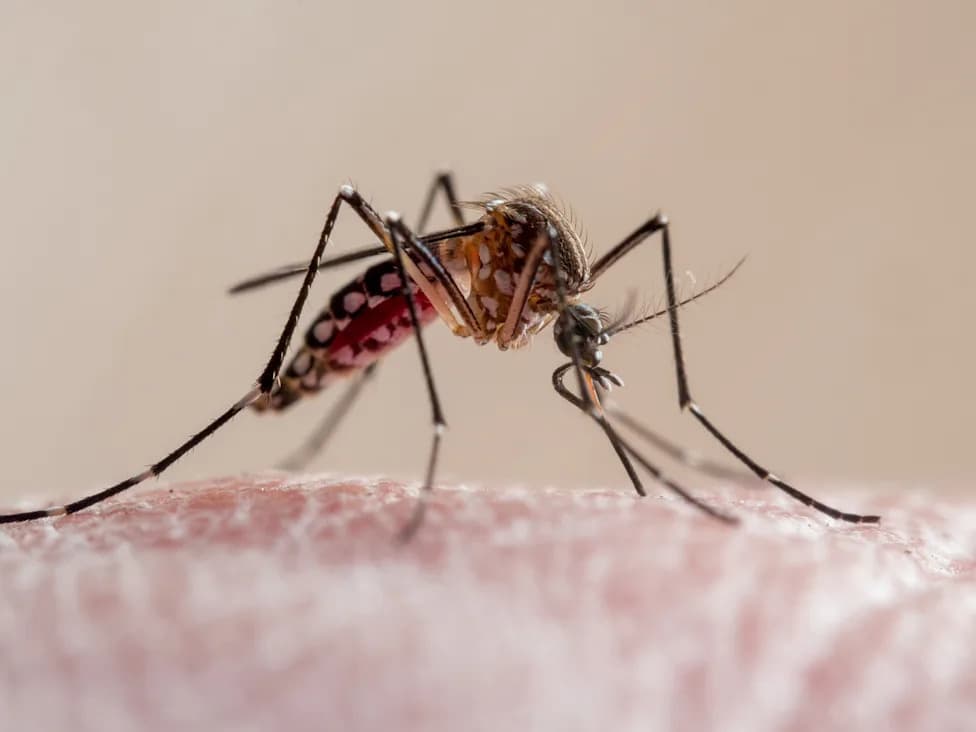
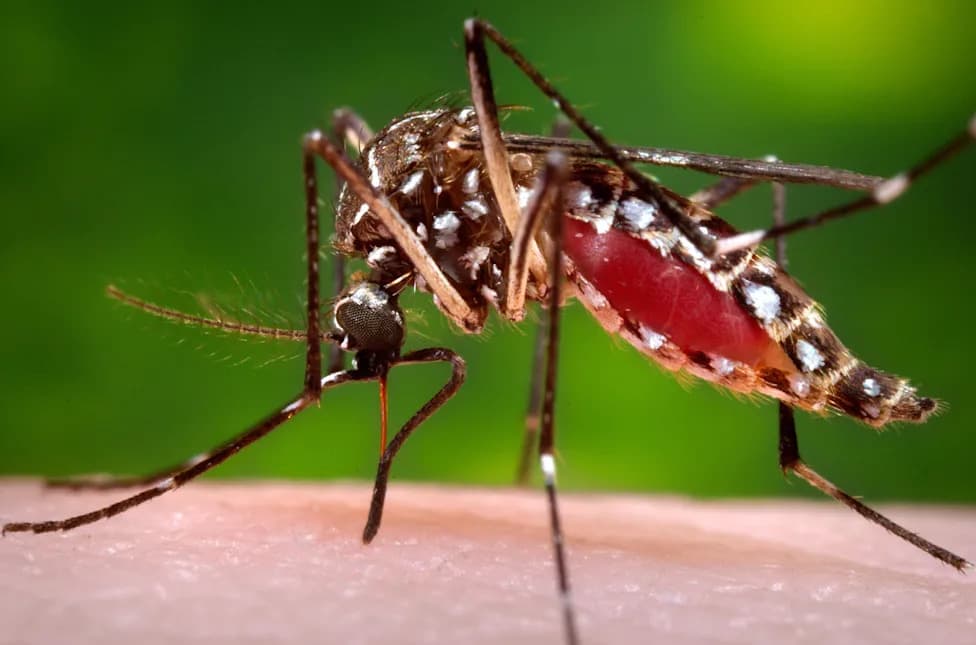
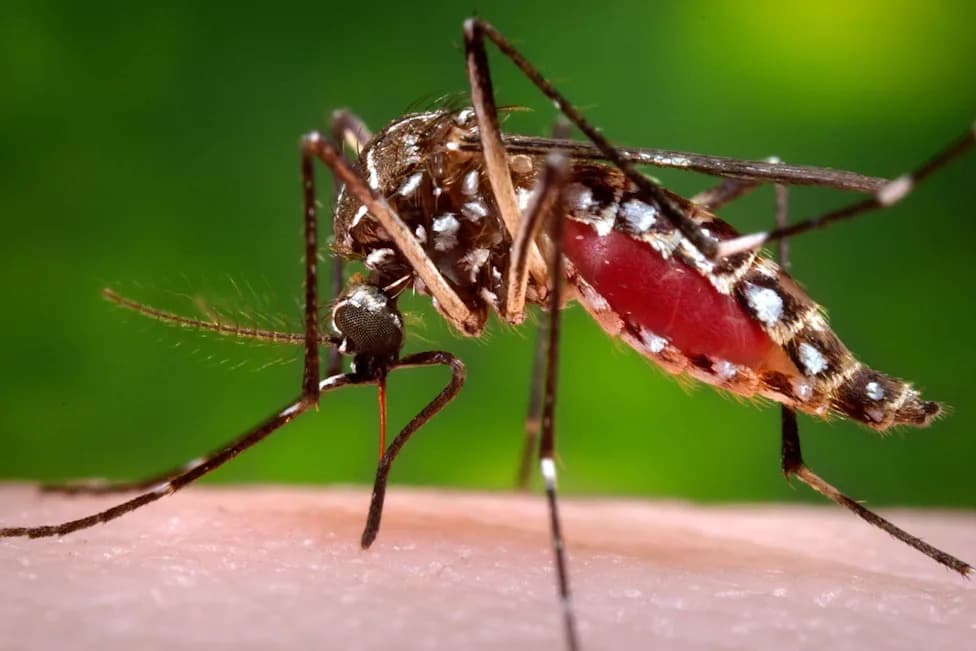
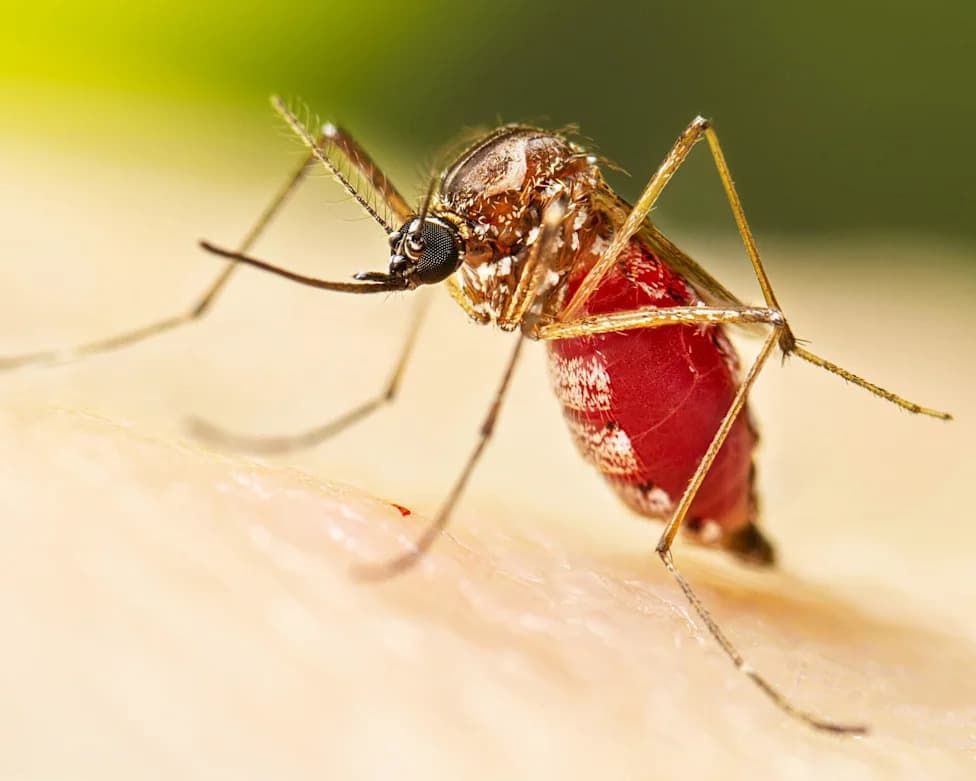
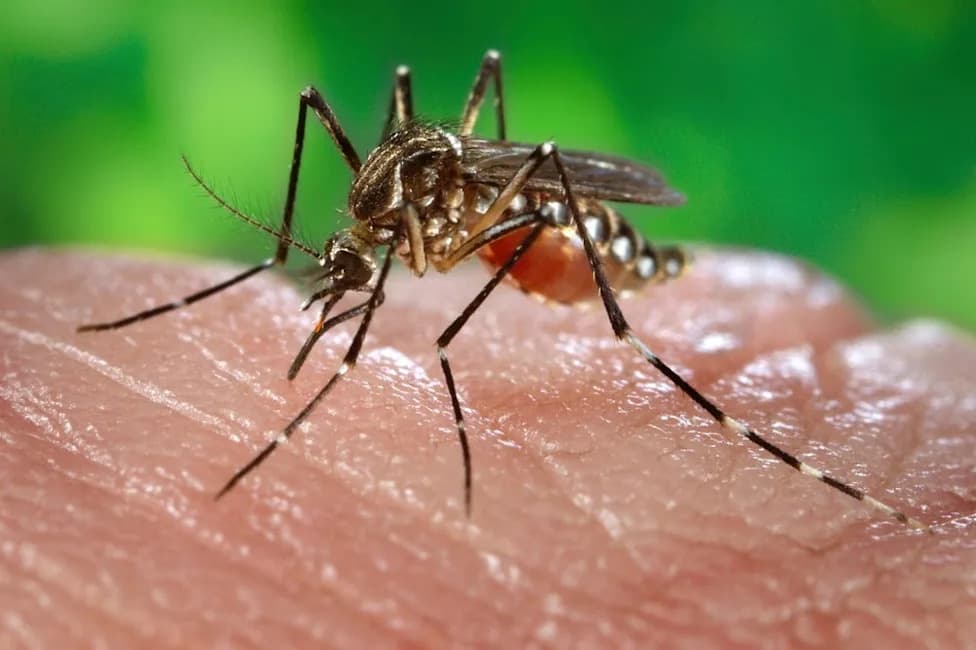
This summer, the mosquito-borne dengue virus has expanded in parts of the United States as Aedes aegypti mosquitoes thrive in southern and eastern states. Federal data list 1,455 combined local and travel-related cases, and health officials recently confirmed locally acquired infections in both Virginia and Florida.
Most U.S. infections have historically been linked to travel abroad, but local transmission has been detected in multiple states, including Texas, New York, California, Georgia and Arizona. A May study found reported dengue cases in 2024 were 359% higher than the 2010–2023 annual average.
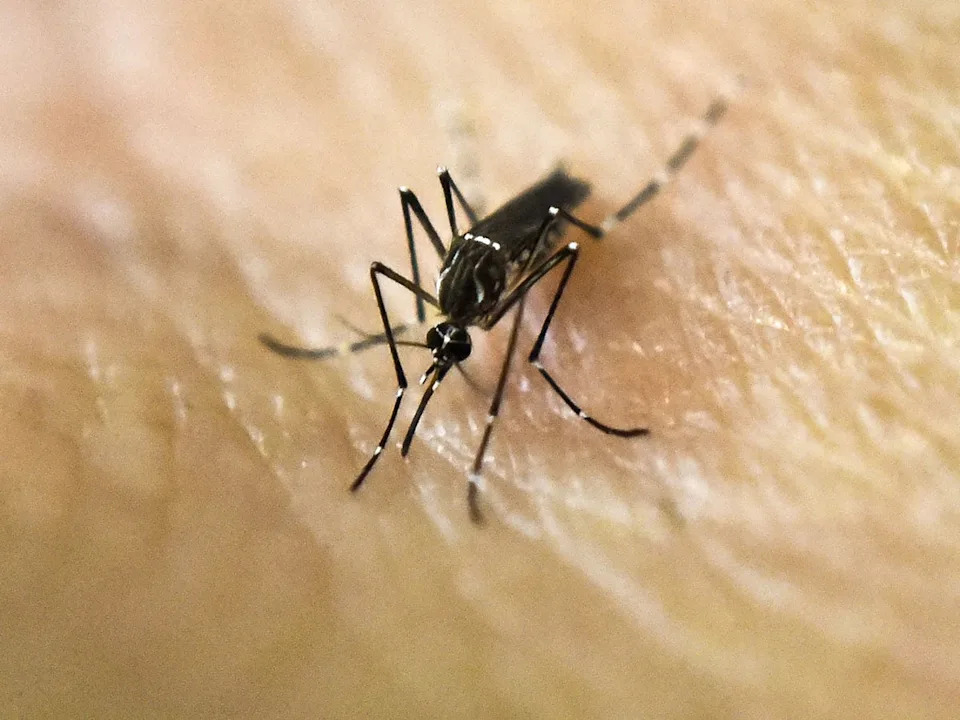
Dengue virus is spreading around the U.S. this summer. There are now more than 1,400 reported cases - including several reported in Virginia and Florida in the last week (LUIS ROBAYO/AFP/Getty Images)
Symptoms, Timing and Severity
Dengue commonly causes fever, headache, vomiting, muscle and joint pain, and a rash. Symptoms typically begin about two days after an infectious mosquito bite and usually last from roughly two days to a week. Most people recover with rest, acetaminophen and fluids, but about 1 in 20 infected people develop severe dengue, which can require hospitalization and, in rare cases, be fatal. The May study reported six dengue-related deaths in the U.S. in 2024.
Treatment
There is no antiviral specifically for dengue. Care is supportive: hydration, pain relief (avoid NSAIDs like ibuprofen until dengue is confirmed), and close medical monitoring for signs of severe disease. Hospitalized patients may need IV fluids and other supportive measures.
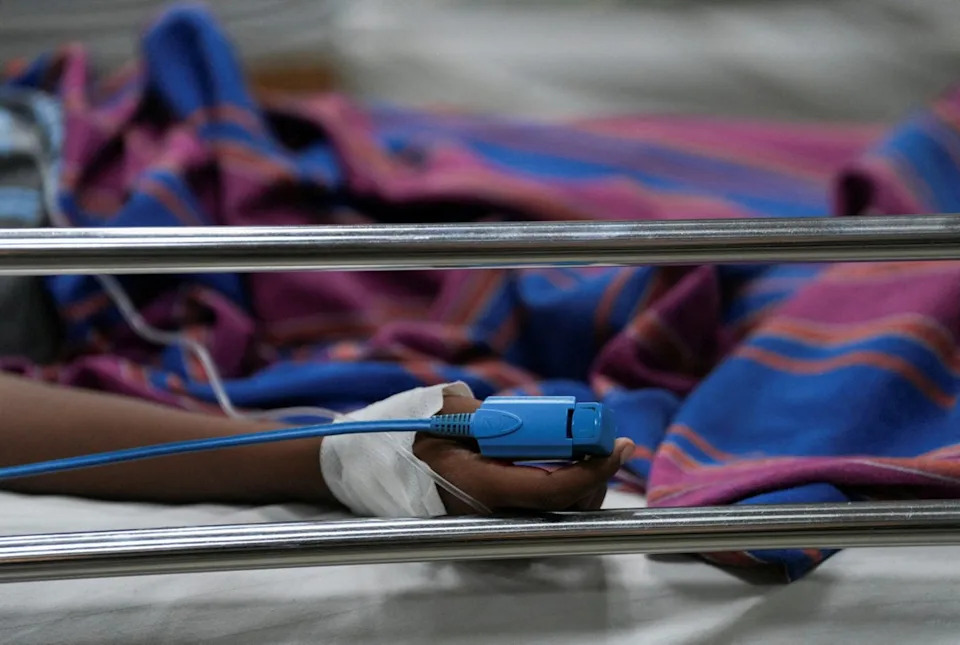
Dengue patients, such as this patient in Sri Lanka, in may develop symptoms such as vomiting, aches and pains and a rash. Symptoms typically clear up after a week, but more severe cases could require hospitalization (Reuters)
How Dengue Spreads
Dengue is most often transmitted by the bite of an infected Aedes aegypti mosquito, the same species that spreads Zika and chikungunya. The CDC also notes rare transmission through blood transfusions, organ transplants, and possible sexual transmission. Pregnant people can pass the virus to their fetus, which can cause serious outcomes such as low birth weight, premature birth or fetal death.
Virginia health officials have said the immediate local risk remains low, and there is currently no evidence of ongoing community transmission in the state.
Prevention
Individuals can reduce their risk with the same measures recommended for other mosquito-borne diseases: use EPA-registered insect repellents, wear long sleeves and long pants when mosquitoes are active, and eliminate standing water around homes to reduce mosquito breeding sites.

Florida mosquito control workers inspect a neighborhood for mosquitoes carrying dengue in Key Largo, Florida, in July 2020. Wearing long-sleeved clothing and long pants helps protect people from potentially dangerous mosquito bites (Getty)
Public-health measures include mosquito surveillance and targeted control efforts where local transmission is detected.
Vaccine And Re-Infection
A vaccine, Dengvaxia, is available but recommended only for children aged 9–16 who have laboratory-confirmed prior dengue infection; the regimen is three doses given six months apart. With insurance coverage the vaccine is typically provided at no cost, though out-of-pocket prices reported by prescription-pricing services can be under $100. People can be infected with dengue more than once, and subsequent infections can increase the risk of severe disease.
Climate And Mosquito Range
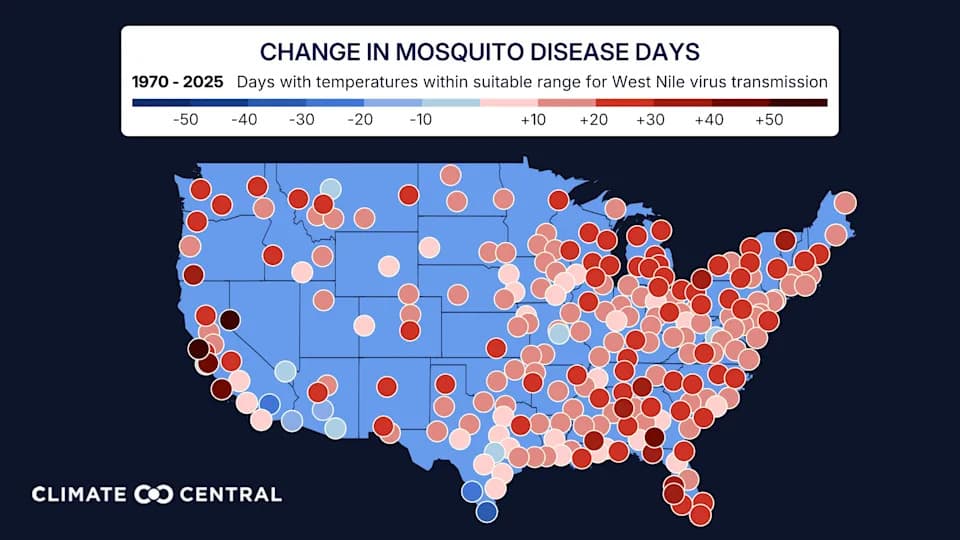
Experts say rising temperatures linked to climate change are contributing to expanded mosquito ranges and greater transmission risk by improving mosquito survival and shortening virus incubation in the insect. This may increase the geographic areas and seasons when dengue transmission is possible in the U.S.
Bottom line: Dengue is uncommon but rising in the U.S. Take standard mosquito-avoidance precautions, be aware of symptoms, and seek medical care if you develop fever and severe pain after a mosquito bite or recent travel to an area with dengue.
Help us improve.