Family members and advocates say 21-year-old Laura Rojas Ortiz and her infant son have been held for more than 40 days at the South Texas Family Residential Center in Dilley after she was detained during an ICE check-in while applying for a U visa. Her mother says Rojas Ortiz, who is five months pregnant and considered high-risk, has not received specialist prenatal care, ultrasounds or blood tests at the facility. Lawmakers who toured the center reported more than 500 people detained; advocates have provided commissary support. DHS officials have previously denied that detainees are being denied appropriate medical care.
21-Year-Old Pregnant Mother and Infant Held More Than 40 Days at Dilley Family Detention Center, Family Says

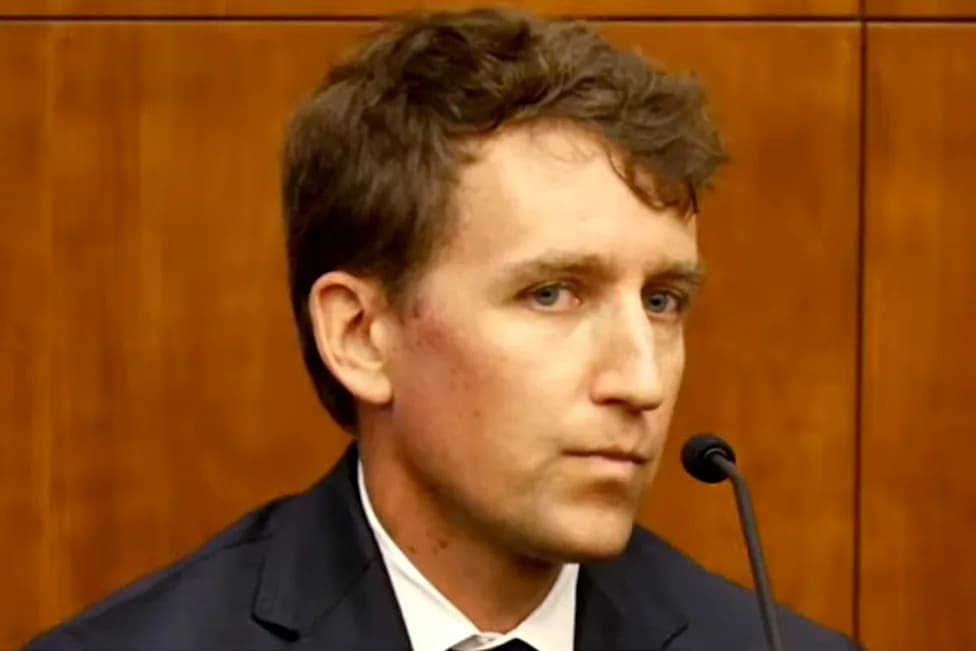
Paola - PHOTO: Rojas Ortiz is 5 months pregnant and has a two-year-old.
A 21-year-old pregnant woman, Laura Rojas Ortiz, and her infant son have been detained for more than 40 days at the South Texas Family Residential Center in Dilley, Texas, her family and an immigrant advocacy group told ABC News.
Background
According to Rojas Ortiz's mother, Paola, Laura was in the process of applying for a U visa — an immigration status for victims or witnesses of certain crimes — when she was detained during a routine check-in with U.S. Immigration and Customs Enforcement (ICE) in Dallas. Paola said her daughter had surrendered at the southern border more than a year earlier with her infant son and partner.
Family's Concerns
Paola and a friend told ABC News that Rojas Ortiz had been wearing an ankle monitor and checking in regularly with ICE prior to her detention, which the family describes as part of an intensified enforcement effort. The family says Rojas Ortiz is five months pregnant and has a high-risk pregnancy.
"She was called to appear [at an ICE office] in Dallas. She showed up like she always does, and they detained her," Paola said in Spanish.
Paola said her daughter has not received specialist prenatal care at the Dilley facility and has not had an ultrasound or blood tests since being detained. The family also alleges that staff moved Rojas Ortiz to a medical room when lawmakers visited, telling her she would be seen by a doctor, and then released her from that room after the visitors left.
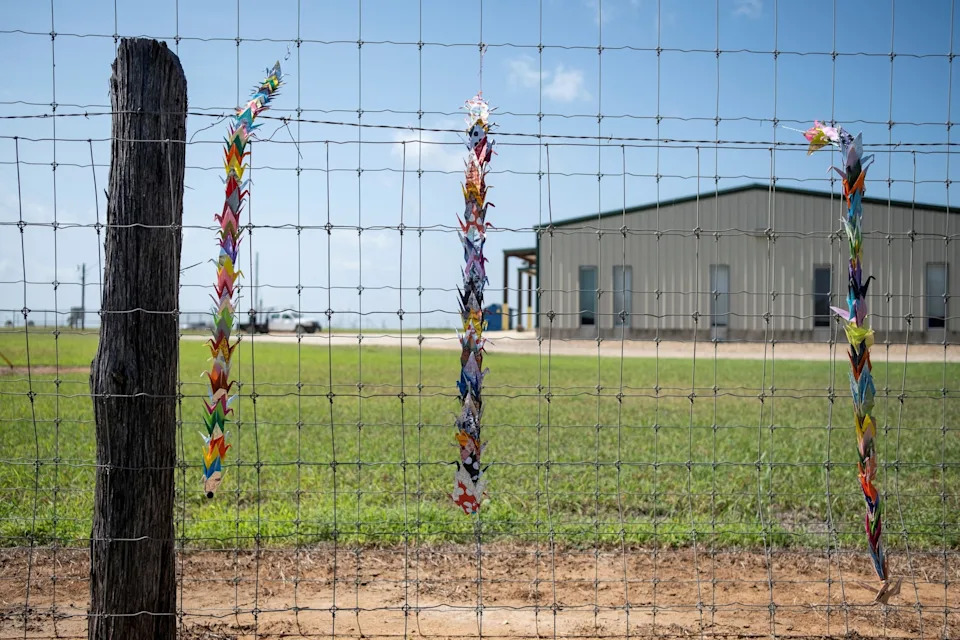
Joel Angel Juarez/Reuters - PHOTO: Origami cranes are pinned on fencing outside the South Texas Family Residential Center in Dilley, Texas, June 27, 2026.
Child Care and Commissary Support
Paola added that her grandson, who usually consumes lactose-free milk, was given whole milk while at the facility. Advocacy groups said they have provided financial assistance to detainees. Casey Revkin, executive director of Each Step Home, said her organization has been funding commissary accounts for families at Dilley so parents can buy food and essentials for their children.
Visits and Oversight
Rep. Joaquin Castro and a group of Democratic lawmakers recently toured the center. Castro said the facility held more than 500 people at the time of his visit and that staff allowed him to meet with only one minor. Officials and advocates have raised concerns about an increase in detentions following more aggressive enforcement actions in certain areas.
Agency Response
A Department of Homeland Security spokesperson did not respond to ABC News' request for comment on the family's specific allegations. DHS Chief Medical Officer Dr. Sean Conley previously told ABC News that allegations of detainees being denied medical care are false and said it is DHS policy to provide timely and appropriate medical, dental, women's health and mental health services, as well as emergency care.
Context
Immigrant advocacy groups point to an ICE directive that advises the agency not to "detain, arrest, or continue to detain individuals known to be pregnant, postpartum, or nursing" except under exceptional circumstances. Advocates, medical professionals and lawmakers have repeatedly raised questions about conditions and medical access at family residential centers.
Note: This article presents the family's account and statements from advocacy groups alongside previously published DHS statements disputing claims of inadequate care.
Help us improve.