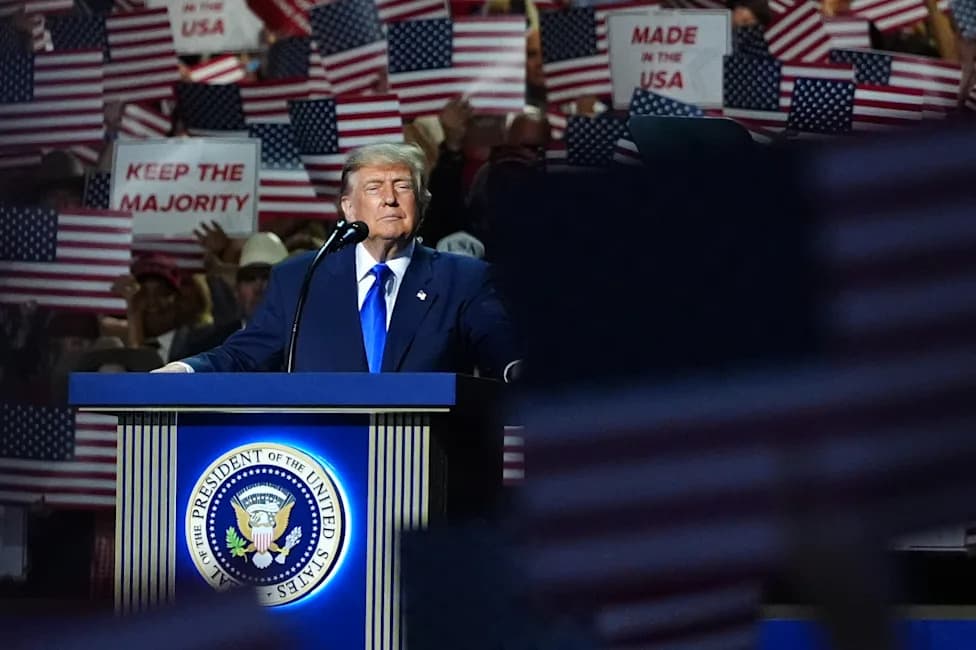
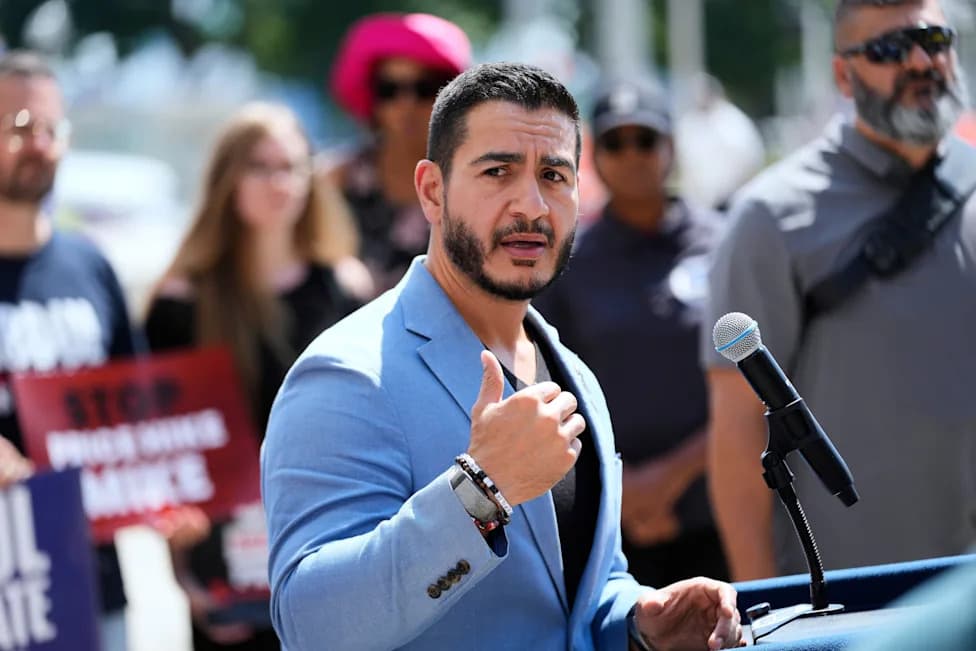
Republicans have highlighted recent Michigan progressive primary wins to argue Democrats are shifting left, with Donald Trump calling Abdul El-Sayed a "Communist loser" on social media. Reuters interviews with advisers to 11 competitive GOP House campaigns show a split: five plan to lean into socialism messaging; six are skeptical and prioritize economic pocketbook issues. Campaigns say ideological attacks land best when tied to concrete policies and costs for voters as Republicans defend narrow congressional majorities this fall.
Republicans Split Over ‘Socialism’ Attack After Michigan Progressive Wins — Trump Amplifies the Message
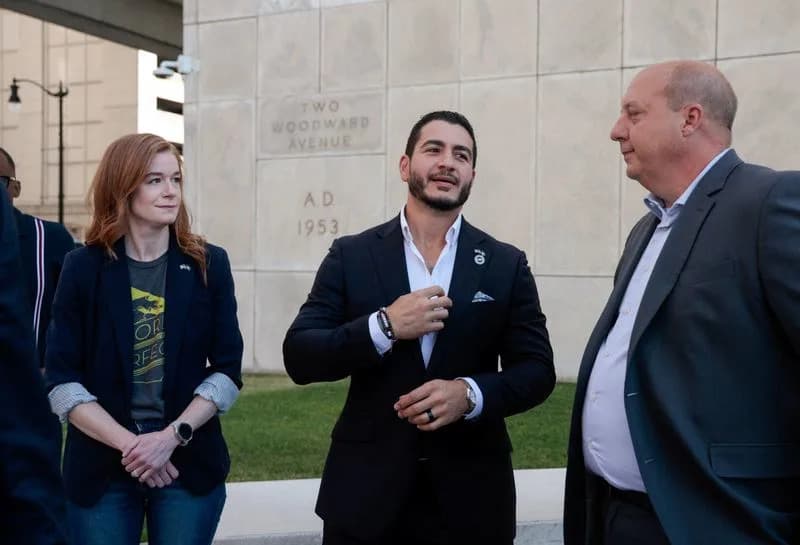
Abdul El-Sayed, winner of Michigan U.S, Democratic primary, waits with Michigan State Senator Mallory McMorrow and Chair of the Michigan Democratic Party, Curtis Hertel, before a press conference in Detroit, Michigan, U.S. August 5, 2026. REUTERS/Rebecca Cook
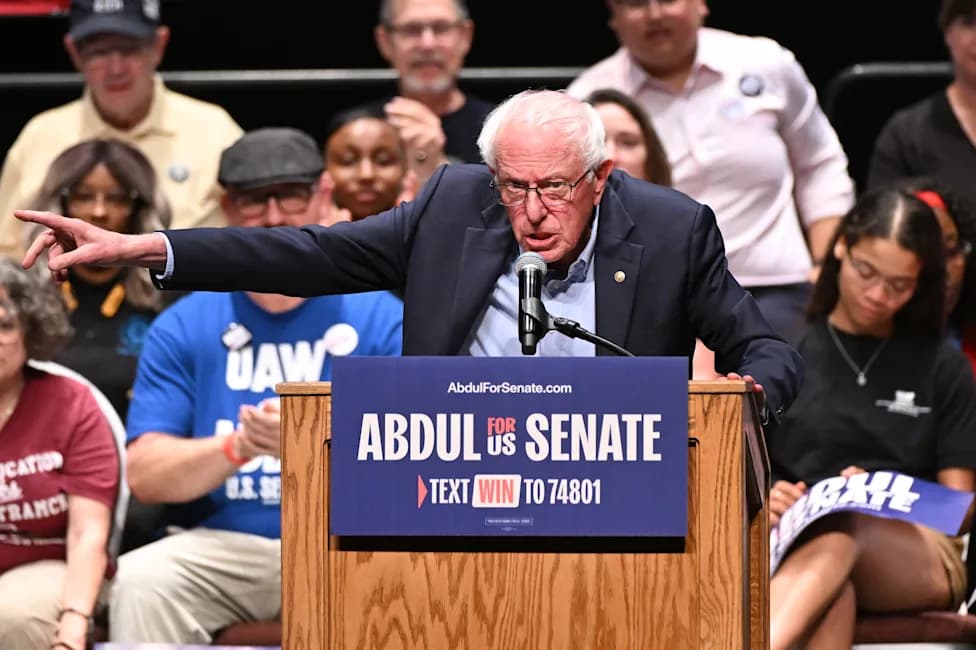
Republicans seized on two progressive primary victories in Michigan to argue Democrats are moving left, with former President Donald Trump branding U.S. Senate nominee Abdul El-Sayed a "Communist loser" on Truth Social after media projections showed him defeat his moderate rival. The episode highlights a broader GOP effort to make socialism and communism central themes for the November midterms — even as many campaigns debate whether that line will resonate with swing voters concerned about everyday costs.
Republican Reaction
National Republicans quickly spotlighted the Michigan outcomes. Minutes after William Lawrence — who has sometimes described himself as a socialist — clinched the Democratic nomination in Michigan's 7th Congressional District, the House GOP campaign arm posted a graphic labeling him "SOCIALIST." Trump posted: "Great news for the Republican Party. El-Sayed, a Communist loser who hates Jews and Israel, is the projected winner in his race with the Socialist." El-Sayed, a progressive who does not identify as a communist, ran on policies such as Medicare for All and ending unconditional military aid to Israel.
Campaign Divisions: 5 vs. 6
Reuters interviewed advisers to 11 Republican campaigns in competitive U.S. House races. Five said they planned to lean into attacks tying Democrats to socialism; six were skeptical or relegated that tactic to a secondary role. Skeptical advisers argued that pocketbook issues — high gas prices, rising living costs and local concerns — are likely to matter more to swing voters than ideological labels, especially as Trump's standing has been affected by global events such as tensions in the Middle East.
Local Strategy Versus National Messaging
Some Republican campaigns view socialism-focused messaging as effective only when tied to specific Democratic policies and their potential costs for voters, rather than as a broad ideological warning. For example, Tom Barrett, the GOP incumbent facing William Lawrence in November, has not built general-election ads around socialism; his campaign says it will emphasize Barrett's record and policy agenda. By contrast, aides to other campaigns — including one for Rep. Derrick Van Orden — plan to link opponents to the socialist movement while still keeping cost-of-living issues at the center of their messaging.
Polling And Stakes
Polling suggests partisan differences in views of socialism: a Cygnal survey cited in reporting found 58% of Democrats said they trusted socialism to deliver positive economic outcomes for Americans, compared with 11% of Republicans and 32% of independents. The stakes are high: Republicans enter the midterms defending narrow House and Senate majorities, while Democrats hope to flip control of one or both chambers.
Bottom Line
Republican operatives face a trade-off between national ideological attacks that fire up the base and a pragmatic focus on local economic concerns that could win swing voters. The party remains divided over which approach will be more effective this fall.
Help us improve.