Researchers at the Weizmann Institute, with U.S. collaborators, report that sildenafil (Viagra's active ingredient) may limit cancer metastasis by impairing tumor cells' access to intracellular cholesterol. The study combined cell and mouse experiments with an analysis of nearly 20 years of health data from about 5 million Clalit members. Authors propose that pairing PDE5 inhibitors with statins could further reduce metastatic potential, but stress that animal data and observational human evidence require prospective clinical trials to confirm safety and effectiveness.
Viagra's Active Ingredient May Slow Cancer Spread, Study Suggests

Viagra's active ingredient, sildenafil, may restrict cancer cells from spreading, a new study suggests. (Getty Images)
New research indicates that sildenafil — the active ingredient in Viagra — may do more than treat erectile dysfunction: laboratory and population data suggest it could limit the ability of some cancer cells to form metastases.
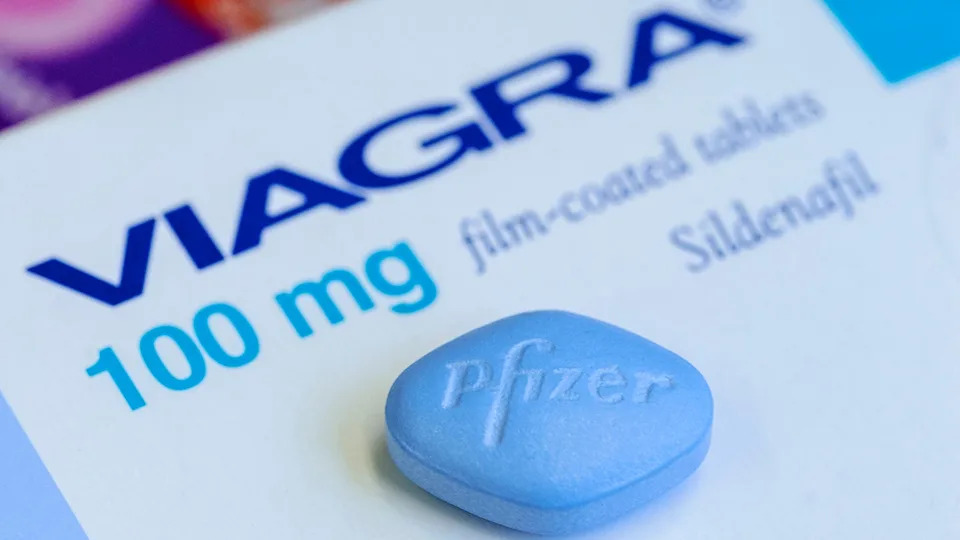
Viagra was originally developed to treat high blood pressure and chest pain caused by reduced blood flow to the heart before researchers discovered its unexpected effect on erectile function during clinical trials.
Study Overview
The study, led by Dr. Yarden Ariav in Professor Ayelet Erez's laboratory at the Weizmann Institute of Science and including collaborators from the U.S. National Cancer Institute, combined experiments on human and mouse cancer cells with genetic analyses and nearly 20 years of health records from about 5 million members of Clalit Health Services, Israel's largest nonprofit healthcare provider and insurer. The medication in question, marketed by Viatris, is a phosphodiesterase type 5 (PDE5) inhibitor whose active molecule is sildenafil.

Combining drugs from the Viagra family with statins – a class of drugs responsible for reducing cholesterol production in the body – may be even more effective in restricting the spread of cancer, the researchers suggested.
Key Findings
Researchers found that sildenafil inhibits the enzyme PDE5 and raises levels of the signaling molecule cyclic GMP (cGMP). Higher cGMP appears to interfere with a protein that transports cholesterol within cells, reducing the intracellular cholesterol available for essential functions. Because cancer cells rely heavily on cholesterol for membrane formation and migration, this reduction can impair their ability to detach from a primary tumor and seed new tumors elsewhere in the body.
Mechanism In Brief
- PDE5 inhibition → increased cGMP.
- cGMP binds to or affects intracellular cholesterol-transport machinery.
- Lower available cholesterol weakens cancer cells' metastatic capabilities.
"We have uncovered a new biological pathway that links a well-known signaling molecule to cholesterol regulation within cells and shown how this pathway can be harnessed to interfere with the ability of cancer cells to form metastases," said Professor Ayelet Erez.
Clinical Implications & Limitations
Based on these results, the authors propose that combining PDE5 inhibitors such as sildenafil with statins (which lower systemic cholesterol production) might more effectively restrict tumor spread by reducing both existing cholesterol and the cells' ability to synthesize new cholesterol. However, the authors emphasize important caveats: much of the mechanistic evidence comes from cell studies and mouse models, and the human component of the analysis is observational, so it can show associations but cannot prove causation.
The team calls for controlled clinical trials to test safety and efficacy before any changes to cancer treatment or prevention strategies are recommended. Fox News Digital contacted the study authors and the medication's manufacturer for comment.
Help us improve.