Finland’s 1939–1940 Winter War saw a vastly outnumbered Finnish force use terrain, winter skills, and improvisation to hold off the Soviet invasion longer than expected. The Mannerheim Line, expert snipers like Simo Häyhä, and improvised anti‑tank tactics (notably the so‑called Molotov cocktail) played key roles. The conflict ended with a negotiated peace but left lasting geopolitical effects, including influencing German plans against the USSR and complicating Finland’s wartime alliances.
How Finland's Winter War Defied the Soviet Giant — And Changed WWII Calculations
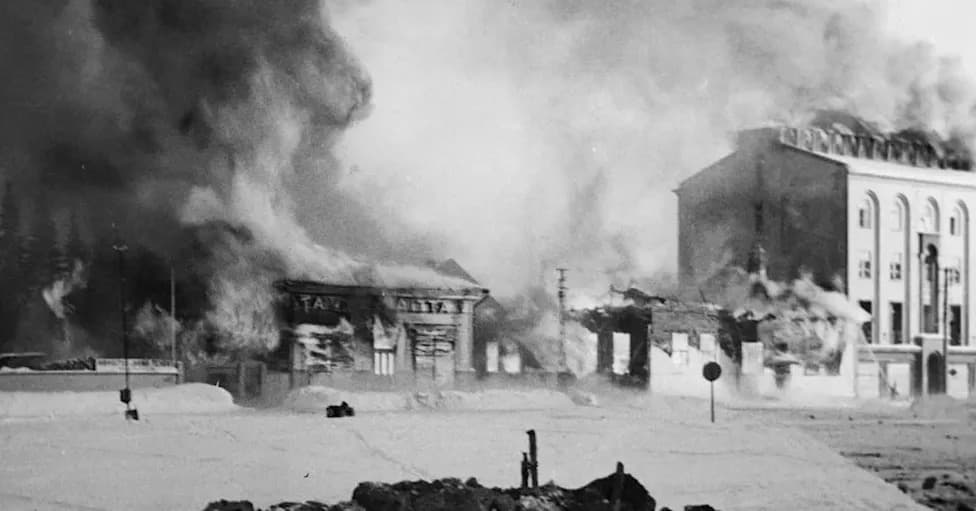
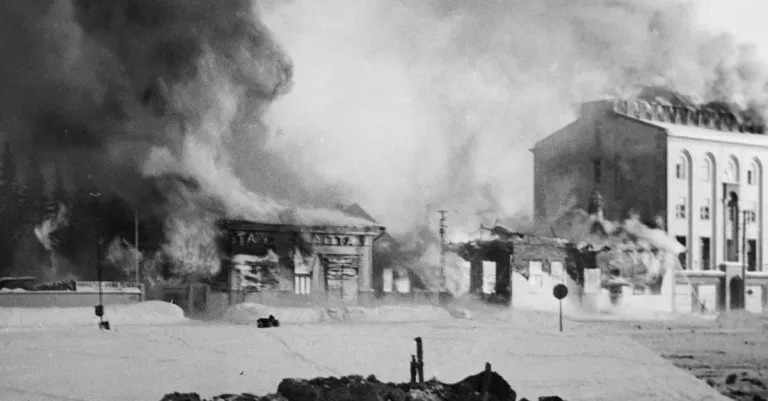
In this undated photo, buildings in a Finnish town burn after Soviet incendiary bombs hit them during the Winter War. (Hulton-Deutsch Collection/Corbis via Getty Images)
When the Winter War began in November 1939, few gave tiny Finland a chance against the Soviet Union. Yet for more than three months Finnish troops turned home‑field advantage, cold weather skills, and improvisation into a formidable defense that surprised the world and altered strategic thinking in Berlin and beyond.
What Sparked the Conflict
The war started after the Soviet Union demanded territorial concessions and a naval base on the Hanko Peninsula; Finland refused. The Soviets then staged a border bombardment and launched a large invasion. Soviet forces committed roughly 450,000 troops supported by thousands of aircraft and armored vehicles against some 180,000 Finnish soldiers with fewer than 200 motor vehicles in the main defensive sectors.
Defense Along The Mannerheim Line
Finland concentrated its defense on the Mannerheim Line, a series of fortifications between the Gulf of Finland and Lake Ladoga named for Field Marshal Baron Carl Gustav Emil Mannerheim. Skilled use of terrain, short fortified sectors, and mobile small‑unit tactics let Finnish forces slow and bleed the Soviet advance far more effectively than many expected.
Winter, Improvisation, And Marksmanship
Harsh winter conditions magnified Soviet logistical and equipment problems: many troops lacked proper cold‑weather clothing and lubricants, and tanks and vehicles often froze or became immobilized. Finnish soldiers exploited these problems by skiing up to stalled vehicles and attacking at close range.
One of the war’s most famous figures was sniper Simo Häyhä, credited with over 500 confirmed kills in some accounts and renowned for operating in white camouflage and minimizing his visible breath. While exact tallies remain debated, Häyhä became a symbol of Finnish marksmanship and determination.
Molotov Bread Baskets And Molotov Cocktails
Soviet propaganda claimed some air operations were humanitarian; Finnish troops mockingly called cluster and incendiary bombs "Molotov bread baskets." In turn, Finnish soldiers improvised incendiary anti‑tank weapons—glass bottles filled with fuel and a wick—that became popularly known as "Molotov cocktails." The origin and naming are matters of historical nuance, but these improvised weapons proved effective against stalled or lightly protected vehicles.
The Outcome And Geopolitical Aftershocks
After months of heavy fighting the Soviets achieved enough breakthroughs that Finland accepted a negotiated peace in March 1940 to preserve its independence, ceding border territory in the settlement. Although Finland remained independent, the narrow outcome left deep scars and strategic consequences.
Perhaps the most ironic legacy: the Winter War helped convince some German planners that the Red Army could be beaten, contributing to the timing and thinking that led to Operation Barbarossa in 1941. Finland’s later co‑operation with Nazi Germany in 1941 — driven by a desire to regain lost territory — complicates the simple narrative of heroic resistance.
Legacy
Today the Winter War is remembered as a striking example of how training, morale, terrain knowledge, and improvisation can offset numerical and material disadvantages. It remains a touchstone in military history for small‑state resilience and the limits of raw force when logistical planning and adaptation are lacking.
Note on Sources: Some details—such as precise equipment counts and individual kill claims—vary across historical sources. Where figures differ, this account uses conservative, widely cited estimates and highlights areas of scholarly debate.
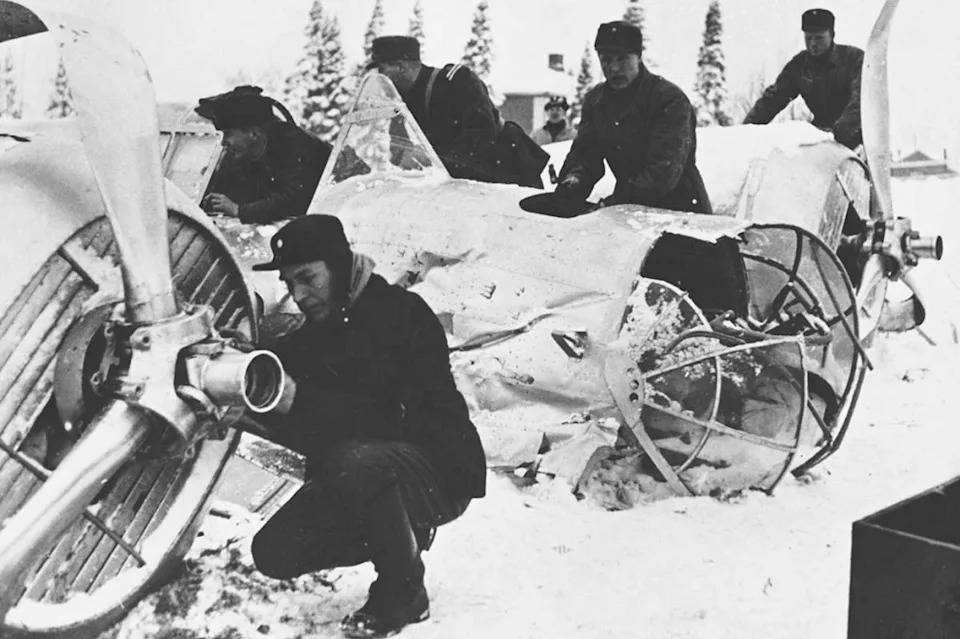
A Finnish anti-aircraft crew inspects the wreckage of a twin-engine Soviet bomber in Finland during the Winter War. (Hulton-Deutsch Collection/Corbis via Getty Images)
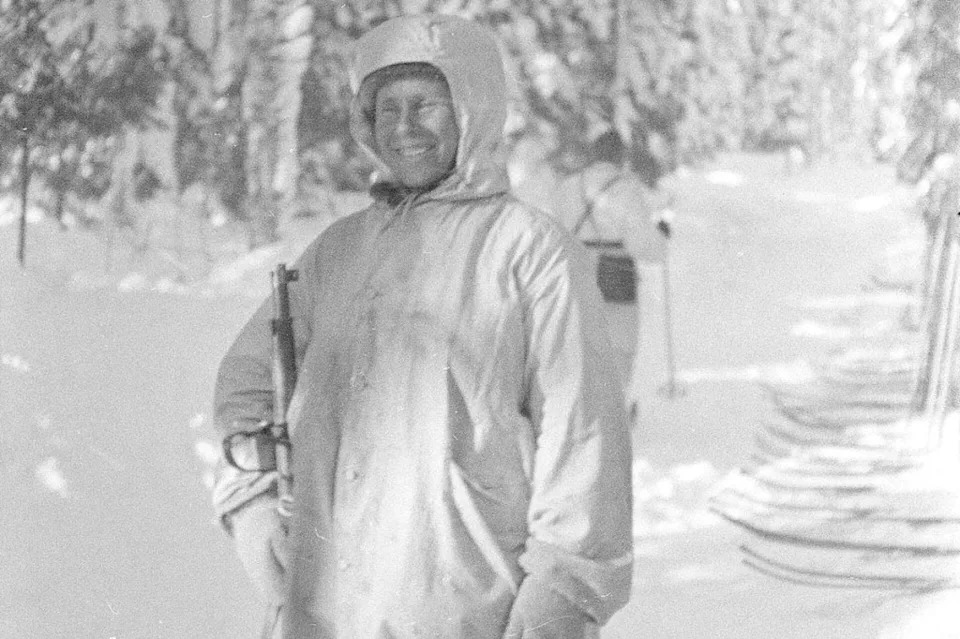
Finnish marksman Simo Häyhä became one of the most acclaimed snipers ever during the Winter War.
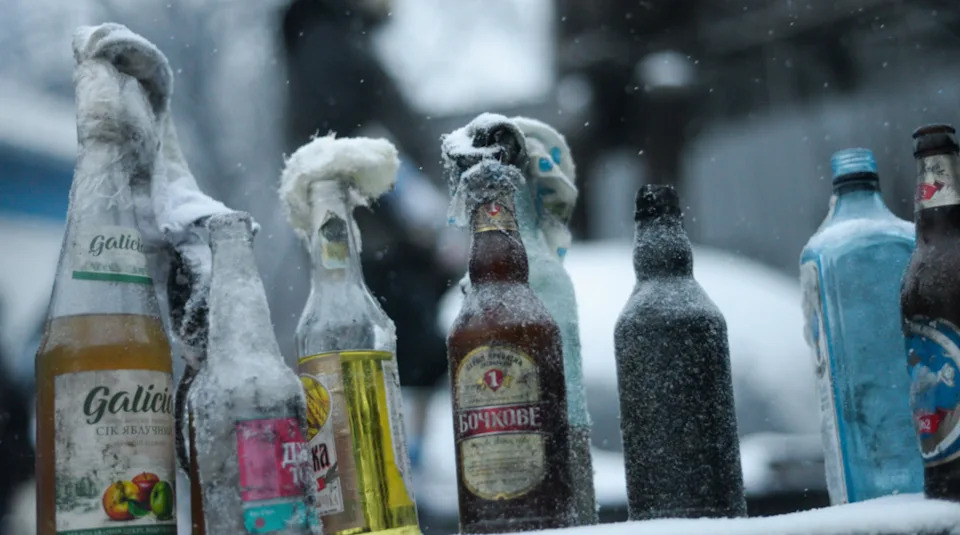
An array of Molotov Cocktails used in a protest during 2013. Image courtesy Wikimedia Commons.
winter war finns good guy
Pin-Ups for Vets 2027 calendar female veteran

Focused Man Managing Finances on Laptop at Home
Luther Herschel Story

Gary Sinise
Robert E. Bush World War II
"Patton"
Christopher Lee
442nd Regimental Combat Team
"Axis Sally"
Help us improve.