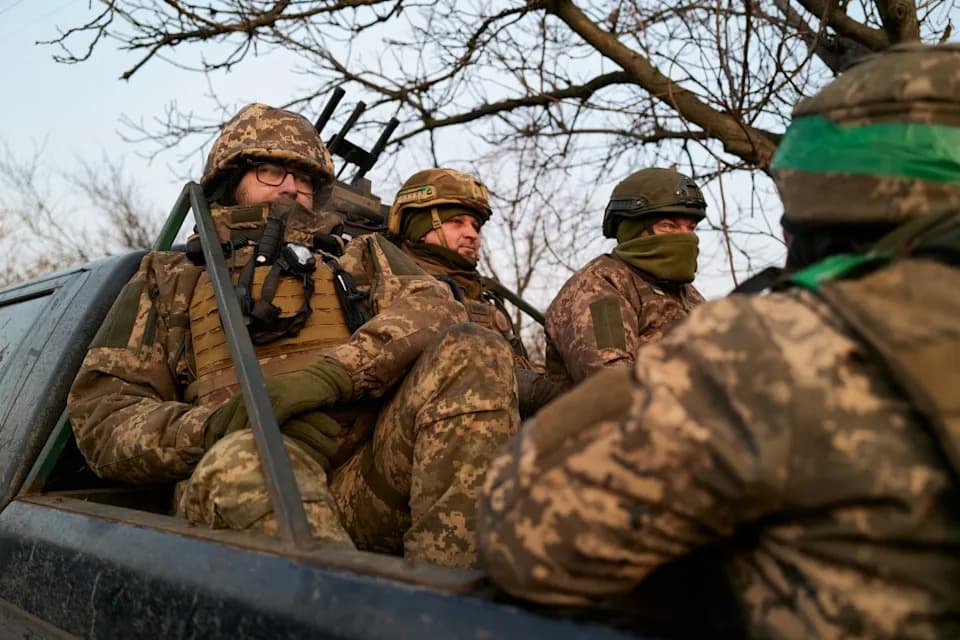
Operation Vivaldi — Ukraine's summer counteroffensive in Donetsk — reclaimed territory and used bomber drones and ground robots to blunt Russian encirclement attempts, with Kyiv reporting about 68 square miles retaken. Analysts warn that as winter approaches Moscow may intensify strikes on energy infrastructure and bridges, threatening Kyiv's logistics and civilian resilience. Observers note a sharp discrepancy between President Putin's claim of 1,301 km² gained in September and ISW's assessment of a 175.18 km² net Russian loss.
Robot-Led Counteroffensive Secures Ground in Donetsk — Ukraine Braces for Harsh Winter and Infrastructure Strikes
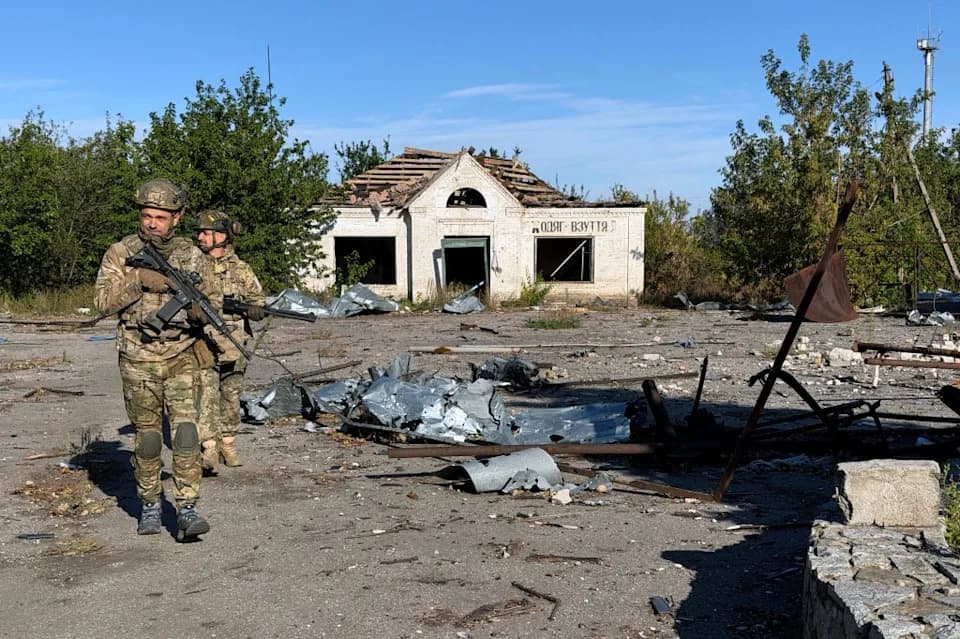
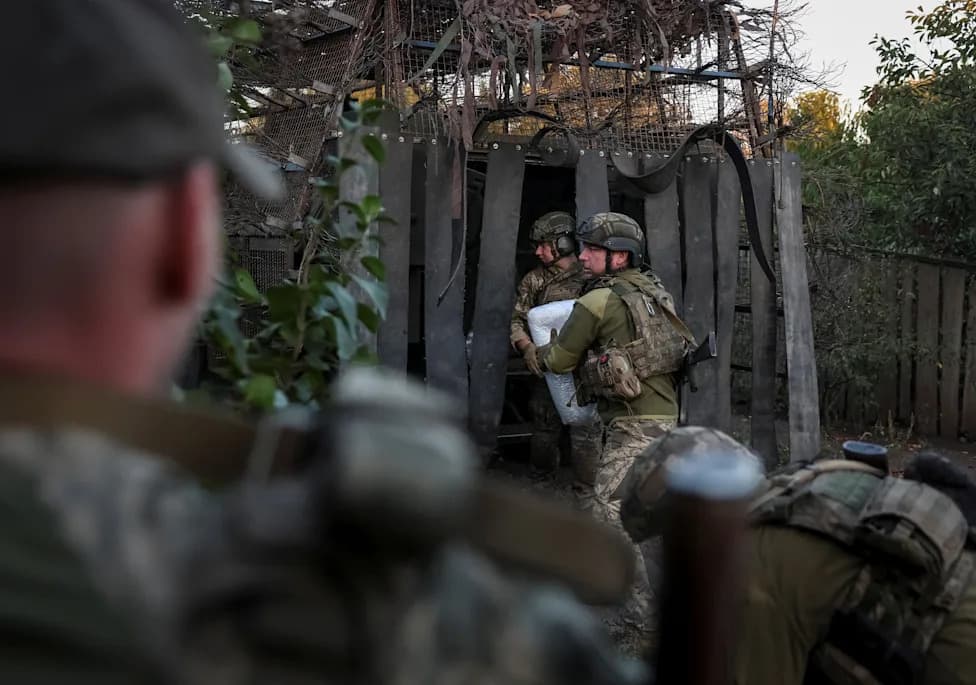
Ukraine's 141st Separate Mechanized Brigade patrols in Malomykhaylivka village in Dnipropetrovsk region on October 2, 2026, amid the Russian invasion of Ukraine.
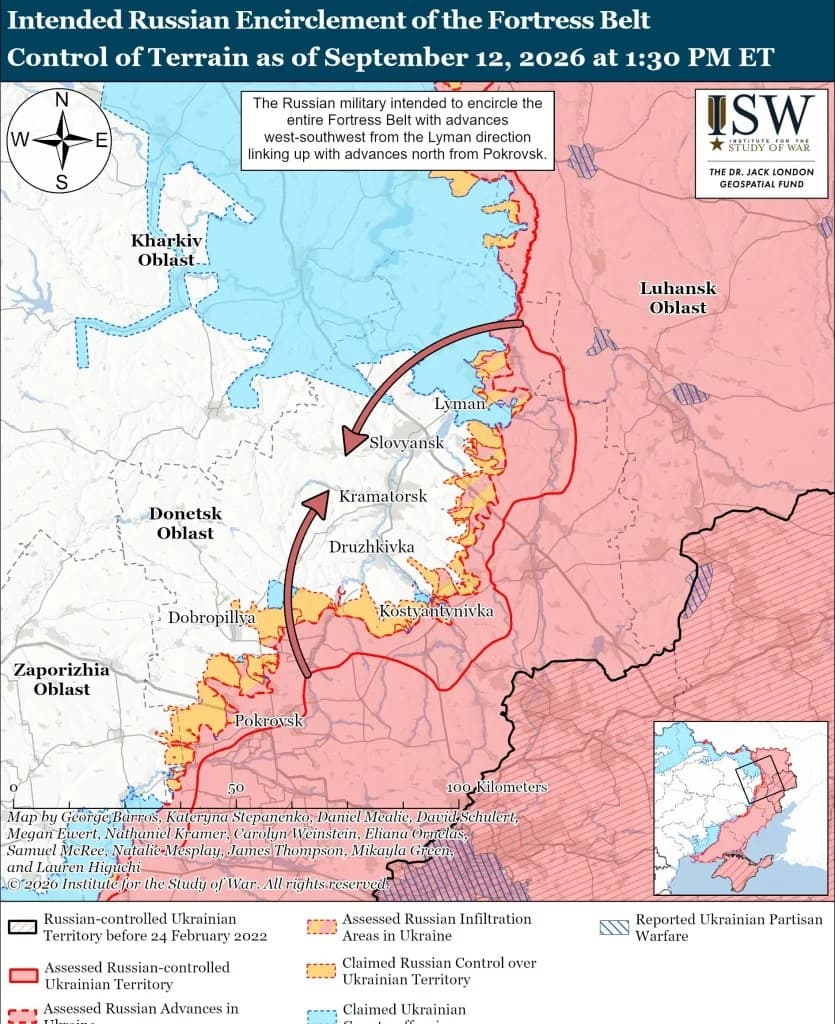
Territorial gains from Kyiv's summer counteroffensive in Donetsk oblast — carried out under the name Operation Vivaldi — have strengthened Ukrainian positions, but Kiev now faces a critical few months as winter approaches and Moscow appears poised to intensify long-range strikes on energy and transport infrastructure.
Robots and Drones Help Win Ground
Ukraine's Third Army Corps credited bomber drones and remote-controlled ground robots with helping blunt Russian attempts to encircle the strategic Fortress Belt that defends the Donbas. According to The Kyiv Independent, Brigadier-General Andrii Biletskyi said Ukrainian units retook roughly 68 square miles of territory during the operation, aided in part by robotic supply platforms and attack robots that operated behind Russian lines.
Biletskyi described a world-first use of attack ground robots penetrating Russian rear positions and an amphibious robotic platform that moved supplies across more than 25 miles of mixed land and water. President Volodymyr Zelensky said Kyiv is preparing a fourth phase of Operation Vivaldi focused on the Lyman area of Donetsk region to disrupt Russian moves to seize the entire Donbas.
Winter Risks: Energy, Bridges and Humanitarian Impact
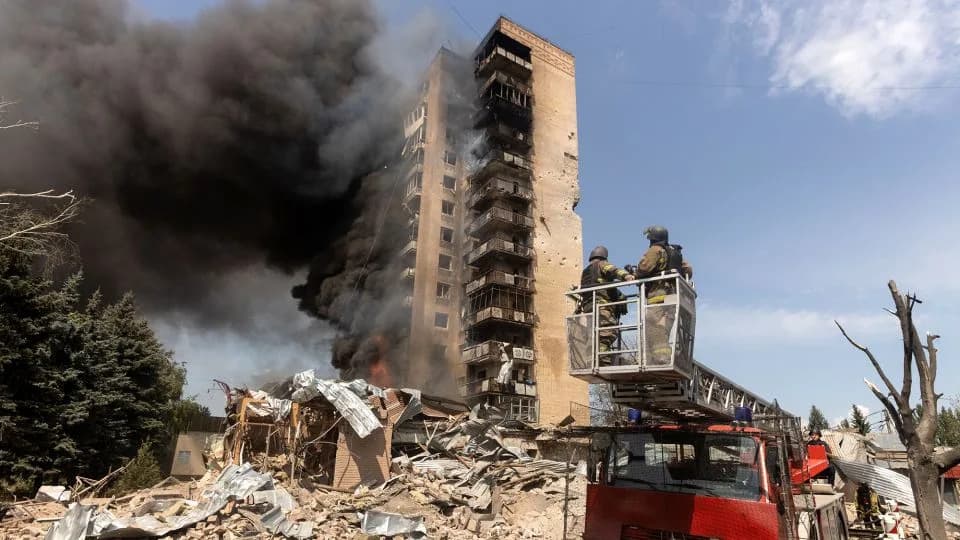
Analysts and Ukrainian officials warn that as temperatures fall, Russia may increase strikes on energy generation and transmission sites, and continue targeting critical river crossings. Over the past week, Russia launched a large combined drone-and-missile campaign that primarily hit energy infrastructure around Kyiv, often using faster jet-powered drones that are more difficult for air defenses to intercept.
Ukrainian officials say Kyiv's southern and northern bridges across the Dnipro have been struck at least six times since October 1, disrupting civilian movement and logistics. Yuriy Boyechko, CEO of Hope For Ukraine, told Newsweek that repeated strikes on these crossings risk splitting the capital's supply lines and turning seasonal outages into a severe humanitarian emergency: "Severing or severely restricting these transport corridors directly paralyzes municipal supply lines," he said.
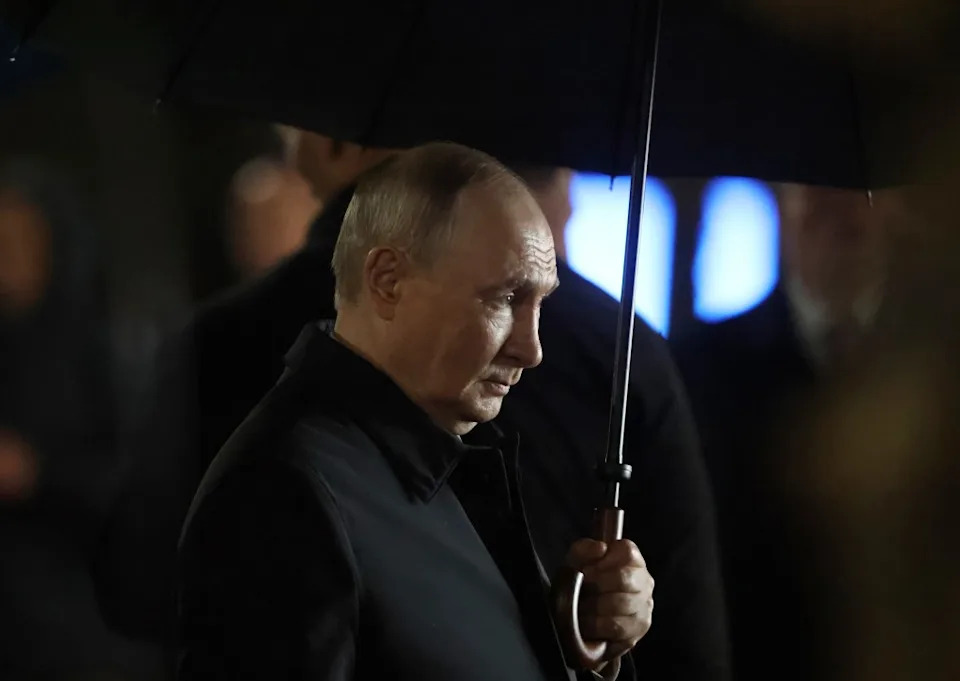
Russian President Vladimir Putin observes military drills of the Collective Security Treaty Organization CSTO on October 2, 2026 in Chelyabinsk Oblast, Russia.
Operational Challenges Ahead
Giorgi Revishvili of the Russia Analyzed Substack warned that autumn and winter conditions could degrade visibility and reconnaissance, and limit strike options for Ukrainian forces. He cautioned that such conditions might offer Russian forces greater opportunities to infiltrate positions or deploy heavier equipment for limited breakthroughs — though whether Moscow can achieve sustained gains remains uncertain.
Kyiv has also highlighted the human cost: it described a battlefield calculus of 46,000 Russian troop losses last month with no territorial gain — a Kyiv claim that underscores the intensity of recent fighting. Russia, for its part, has presented contrasting figures: President Vladimir Putin claimed gains of 1,301 square kilometers in September at the Valdai Forum, while the Institute for the Study of War (ISW) reported a net Russian territorial loss of 175.18 square kilometers for the same period.
Political and International Context
German Chancellor Friedrich Merz visited Kyiv and warned Ukraine faces "decisive weeks" as bombardment continues. Ukrainian Prime Minister Serhiy Koretskyi described the recent campaign as the largest combined strike on energy infrastructure since the end of the heating season in April. Newsweek has reached out to the Russian Defense Ministry for comment.
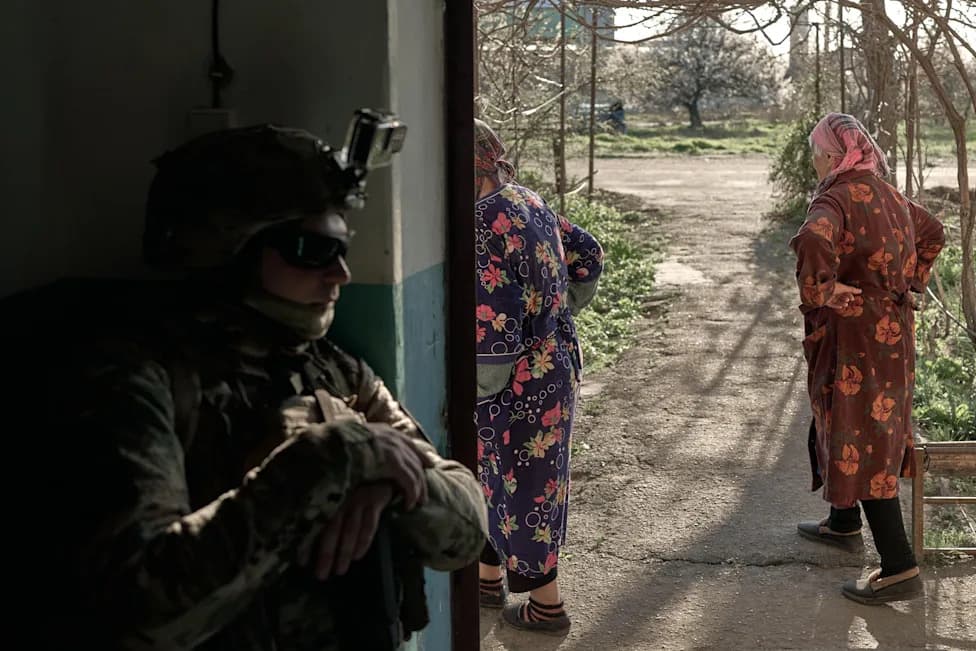
Photographs show Ukraine's 141st Separate Mechanized Brigade patrolling in Malomykhaylivka, Dnipropetrovsk region, on October 2, 2026, amid the Russian invasion.
"Even though Russian losses have been staggering, they are unlikely to alter Putin's ambitions to seize the Donbas in full and continue grinding advances in the coming months," Revishvili told Newsweek.
As Ukraine seeks to consolidate gains from Operation Vivaldi and prepare for a potentially harsh winter, the coming weeks will be decisive for logistics, civilian resilience, and frontline operations. Observers will be watching whether Ukrainian forces can hold and expand recent gains while mitigating threats to energy and transport infrastructure.
Help us improve.