Roughly 20 Finnish MPs reported unexplained break‑ins last year, with at least one finding human faeces left in a lavatory. Officials suspect a coordinated intimidation campaign and say investigators found signs of entry despite no forced entry or theft. The incidents echo Cold War "home intrusion" tactics attributed to Russian intelligence and the Stasi's psychological methods. Authorities are probing the cases as Finland prepares for parliamentary elections amid heightened tensions with Russia.
Alleged Russian-Style Intimidation Targets Finnish MPs: Break-Ins and Lavatory Incidents Under Investigation

Putin has plumbed new depths with his hybrid warfare against the West - Kristina Solovyova/Reuters
Allegations have emerged that operatives linked to Russia entered the homes of roughly 20 Finnish members of parliament last year, leaving signs of intrusion and, in at least one case, human faeces in a lavatory. Officials describe the incidents as a disturbing campaign of psychological intimidation that is now the subject of an official probe.
Ben Zyskowicz, a senior MP for the ruling centre‑Right National Coalition Party, said investigators view the incidents as a deliberate attempt to unsettle legislators. He told reporters: "It's a way for the Russian intelligence service to show that people are being monitored, a way to create confusion or concerns."
Investigation Under Way
Jussi Halla‑aho, the speaker of the Finnish parliament, confirmed authorities are investigating a "significant" series of break‑ins. Investigators reported finding clues—such as moved personal items and open windows—indicating unauthorised entry despite little or no visible damage and no obvious theft.

Jussi Halla-aho (right), the speaker of the Finnish parliament, said the break-ins are being investigated - Emmi Korhonen/Lehtikuva/Reuters
Historical Context And Precedents
Security analysts and Western officials say the reported methods echo long‑standing "home intrusion" tactics attributed to Russian intelligence services and their Cold War predecessors. In 2023 the Wall Street Journal reported that an FSB agent allegedly defecated in the suitcase of a senior US official visiting Russia. Journalists’ accounts—such as those by former BBC correspondent Sarah Rainsford and Guardian reporter Luke Harding—also describe repeated break‑ins and degrading signs left by intruders.
US diplomats and officials documented a revival of Soviet‑era counterintelligence harassment around 2014, including tyre‑slashing and unexplained entries. Analysts trace these approaches to the KGB's 1960s "operational psychology," itself influenced by the East German Stasi's Zersetzung techniques, which sought to destabilise and demoralise targets through subtle manipulations of their private lives.
Political Stakes
Finnish politicians say the incidents are a direct challenge to democratic norms. Finland's accession to NATO after Russia's 2022 invasion of Ukraine and the proximity of the Russian border have heightened concerns, especially with parliamentary elections six months away. Authorities warn they are vigilant for potential sabotage, influence operations, or intimidation campaigns ahead of the vote.
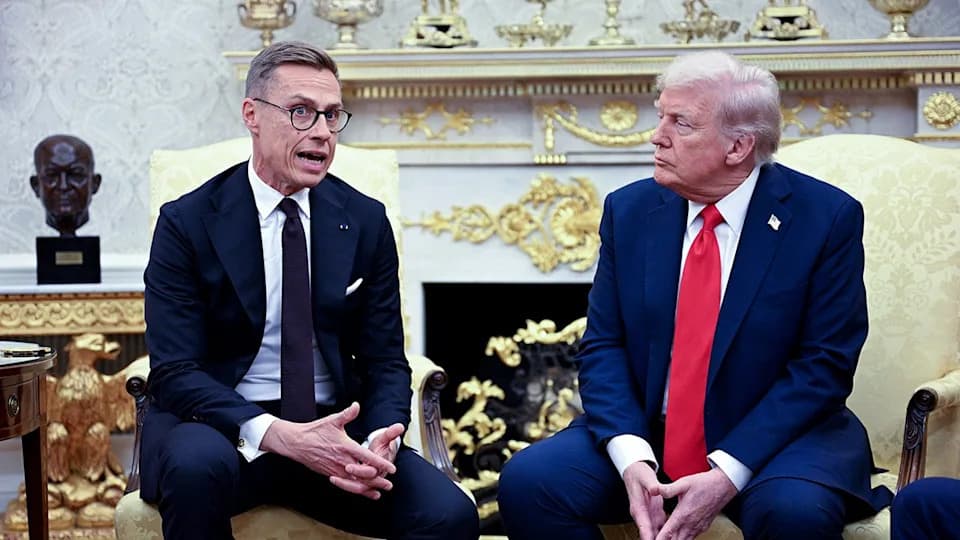
Finnish President Alexander Stubb said: "An attack on a member of parliament is an attack on democracy. It should not be allowed or accepted in any form… I stand in support of every member of parliament."
While multiple officials and observers suspect foreign intelligence involvement, formal public attribution to a state actor has not been universally announced by investigative bodies. Finnish authorities have launched inquiries and say they will pursue the matter as part of safeguarding parliamentary security and public trust.
Help us improve.