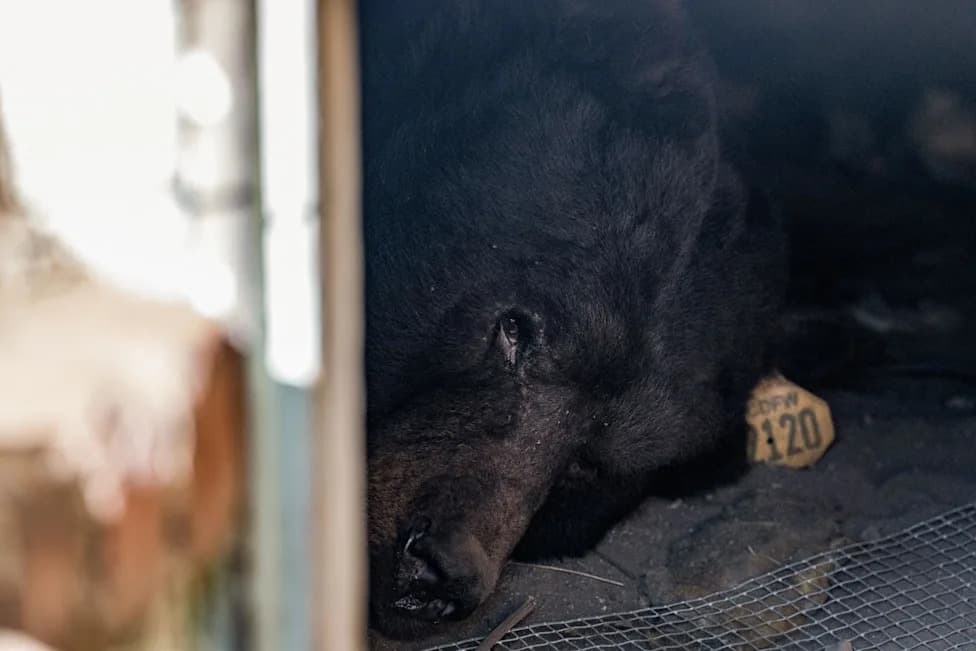
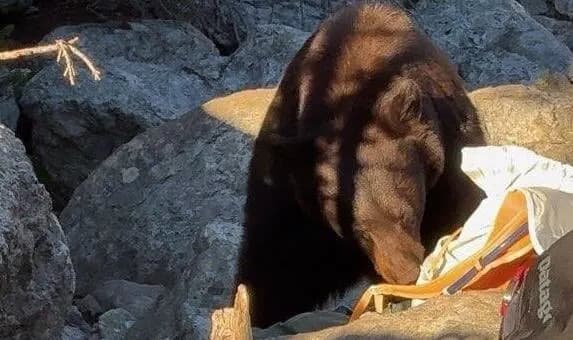
Badger and Banjo, two Karelian bear dogs working with the Nevada Department of Wildlife, use non-lethal aversive conditioning—barking, chasing and sometimes nipping—to haze black bears out of neighborhoods. The program, started in 2001, helps return bears to wild habitat and supports den flushing, rescues and research. Officials note that more than 90% of bear calls involve unsecured food; residents are urged to use bear-resistant bins and remove outdoor attractants to prevent repeat conflicts.
Meet Badger and Banjo: Karelian Bear Dogs Haze Nevada’s Bears to Keep Neighborhoods Safe
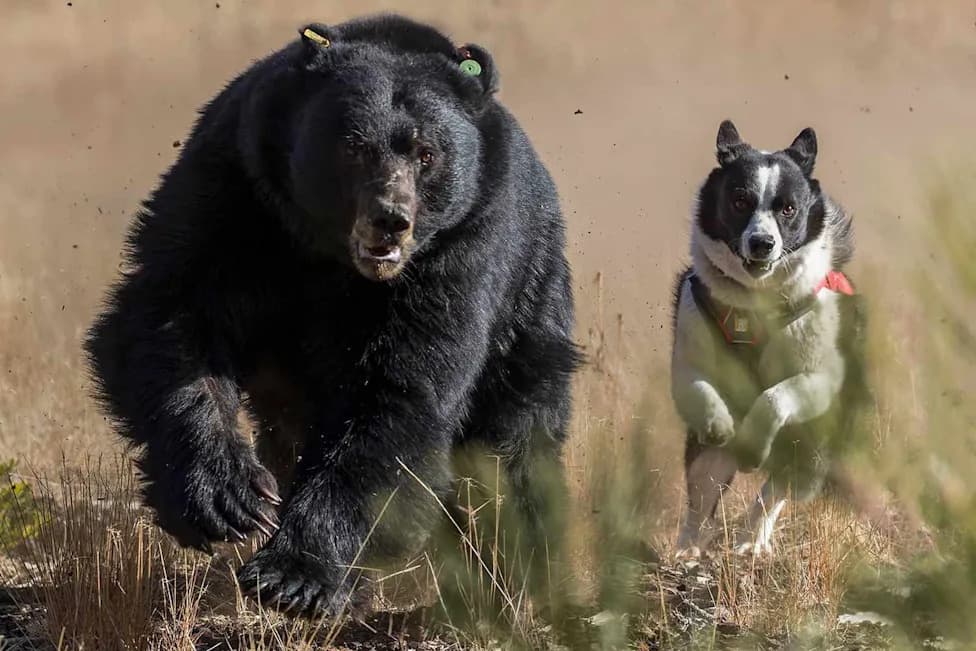
A Nevada Department of Wildlife dog chasing a bearCredit: John T. Humphrey
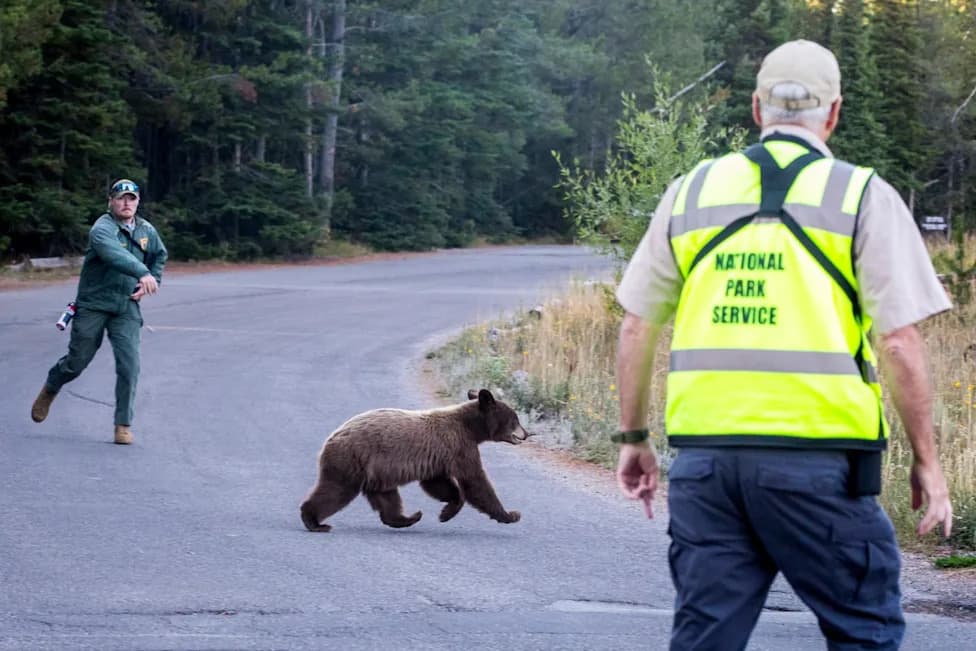
When a black bear wanders into a Nevada neighborhood and becomes too comfortable around people, wildlife officials call in two specially trained Karelian bear dogs: Badger and Banjo. Working with the Nevada Department of Wildlife (NDOW), these dogs use non-lethal hazing techniques to encourage bears to return to wild habitat and avoid people.
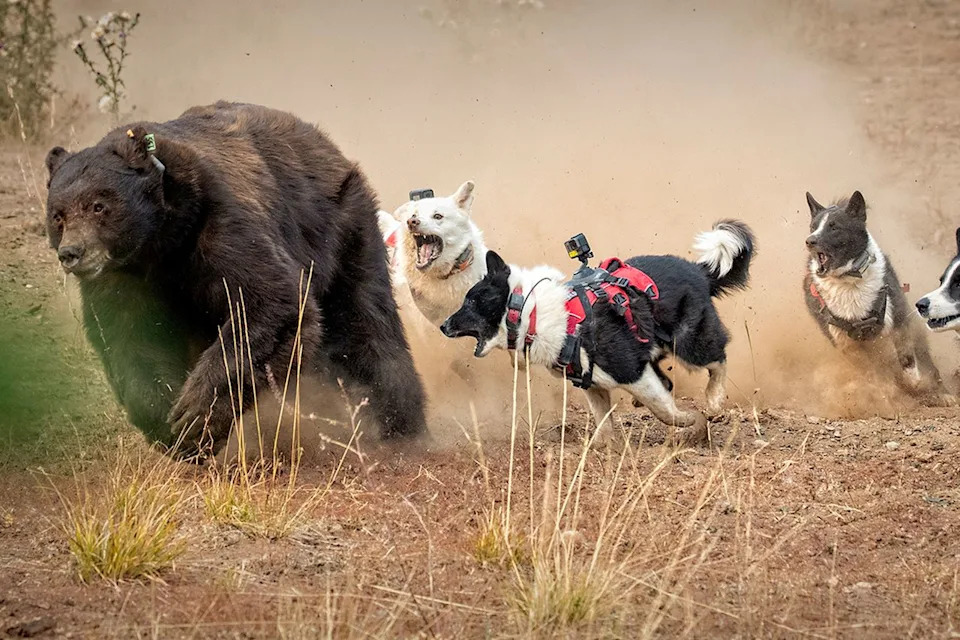
Dogs with the Nevada Department of Wildlife working to drive a bear out of a populated areaCredit: John T. Humphrey
How the Program Works
The dogs bark, chase and sometimes nip to create an unpleasant encounter for bears—an approach known as aversive conditioning. The goal is not to capture or harm the animals but to restore their natural wariness of humans and developed areas so they leave neighborhoods and are less likely to come back.
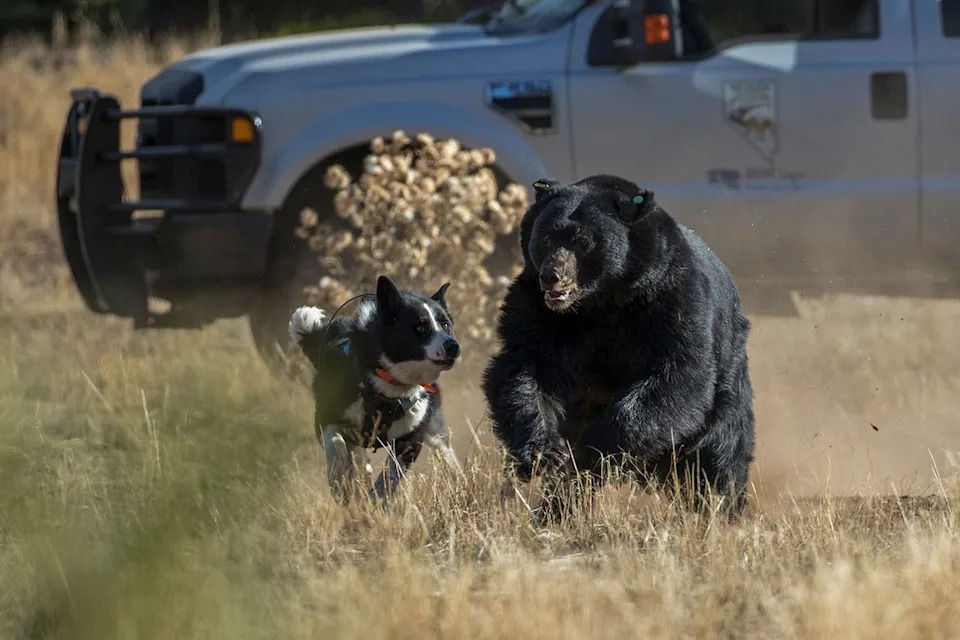
A Karelian bear dog chasing a black bearCredit: John T. Humphrey
What Badger and Banjo Do
Badger and Banjo operate alongside NDOW bear team members such as Carl Lackey and Becca Carniello. Their duties include:
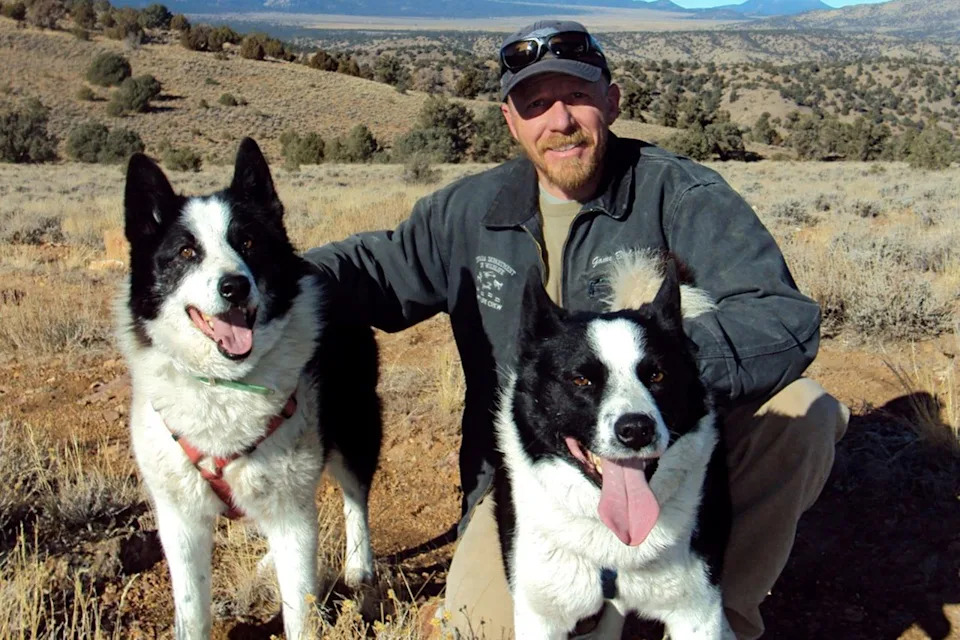
Badger and Banjo with a NDOW handlerCredit: NDOW
- Hazing bears out of yards, alleys and residential streets.
- Flushing bears from urban dens and crawl spaces beneath homes.
- Searching for injured, orphaned or hidden cubs.
- Supporting research and occasional hazing of other species like mountain lions and deer.
Breed and History
The Karelian bear dog was developed in the Karelia region (between Finland and Russia) to pursue large game such as bears and moose. Their high energy, bold temperament and comfort around large animals make them well suited for wildlife management. NDOW began its Karelian program in 2001 with a dog named Stryker, making Nevada one of the earliest agencies in North America to use the breed for bear management.
Why Human Behavior Matters
NDOW stresses that the dogs are only one tool in preventing human-bear conflicts. More than 90% of bear service calls are linked to unsecured garbage or other human-provided food. Once a bear finds an easy meal—trash, pet food, bird seed—it is much more likely to return. Relocating a bear rarely solves the problem if the attractant remains.
Practical Steps for Residents
To reduce visits and help protect both people and bears, officials recommend:
- Use bear-resistant containers with latched lids.
- Store garbage in a garage or locked shed until collection day.
- Place cans at the curb the morning of pickup, not the night before.
- Remove or secure other attractants: bird feeders, coolers, dirty grills and outdoor pet food.
When attractants persist, a bear may become a public-safety risk and could eventually face euthanasia. By combining aversive conditioning, community action and good trash management, NDOW aims to keep bears wild and neighborhoods safe.
Help us improve.