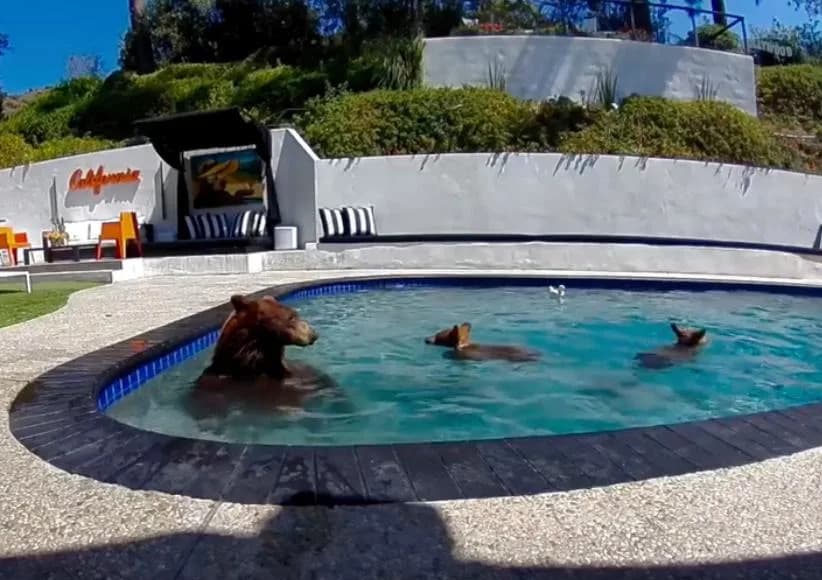
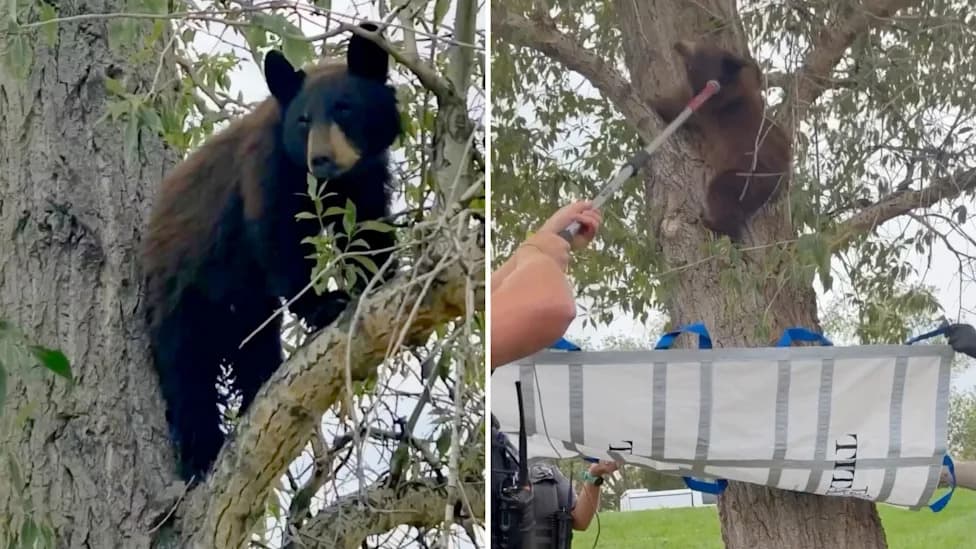
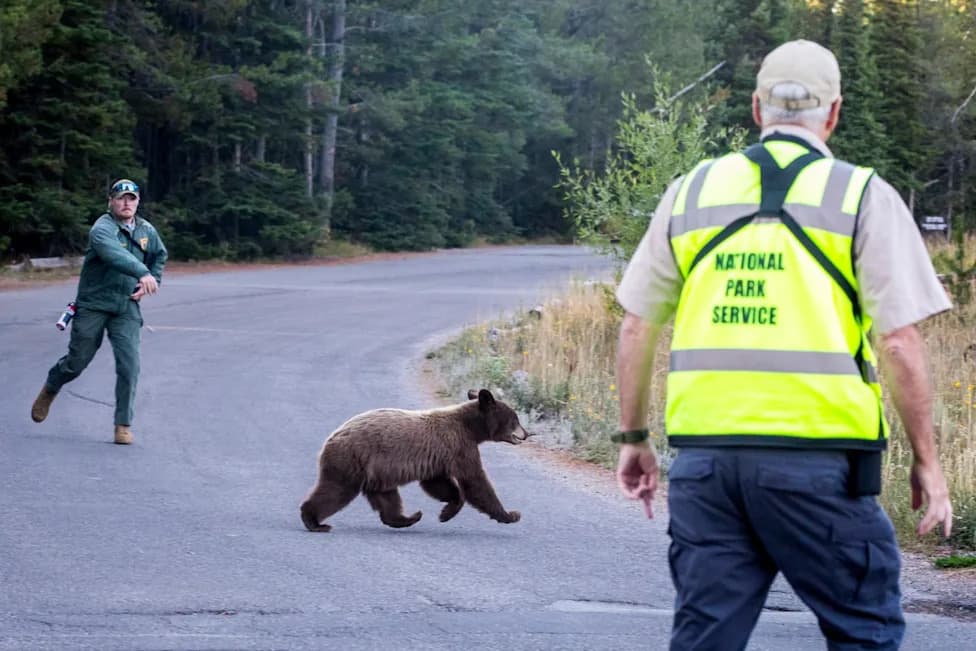
The 550‑lb black bear known as “Yellow 2120” was seen again in Altadena after entering the crawlspace of a Minoru Drive home. Homeowners tried non‑confrontational deterrents and later sealed the access point; the bear left on its own. The animal had previously sheltered under another Altadena house for about two months and was eventually driven out by Bear League volunteers. Experts say bear sightings are rising as development and wildfire displacement push wildlife closer to neighborhoods.
He’s Unbearable: 550‑lb ‘Yellow 2120’ Bear Returns To Altadena, Shelters In Home Crawlspace
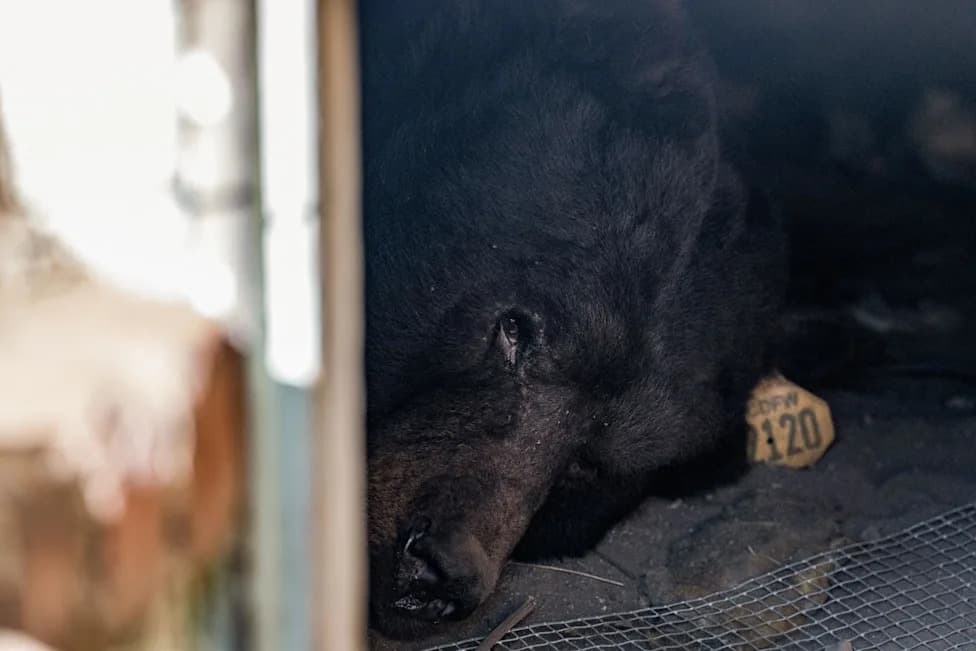
'Yellow 2120' inside a crawlspace under a home in Altadena, California, on 1 December 2025.Photograph: Jae C Hong/AP
A 550‑pound black bear tagged “Yellow 2120” has reappeared in Altadena after being spotted inside the crawlspace of a Minoru Drive home on Monday. Neighbors monitored the animal on security cameras and tried to frighten it away with loud music and a leaf blower; the bear left on its own and the homeowners have since sealed the access point.
How Residents Responded
Steve Clark, whose in‑laws live at the Minoru Drive property, told NBC Los Angeles that the household tracked the bear on camera and attempted non‑confrontational deterrents. "I didn't even realize that the bear could get all the way back to that access point. He has to rip out ductwork and do a bunch of damage to get there," Clark said. Although those efforts failed to dislodge the animal immediately, the bear later vacated the crawlspace without direct human intervention.
Past Encounters And Removal
“Yellow 2120” first drew widespread attention after occupying the crawlspace of another Altadena home for roughly two months. Homeowner Ken Johnson noticed the bear exiting that crawlspace and contacted the California Department of Fish and Wildlife for help. Attempts to lure the bear out with sweet‑scented baits and ammonia‑soaked towels were unsuccessful; volunteers from the Bear League — a nonprofit that helps people coexist with bears — later used paintball guns to encourage the animal to leave.
"He's a nuisance and he's living under my house rent‑free," Johnson told the Orange County Register. "We call him … unbearable, but he's so cute. Once he gets out, we'll call him bearable, but for now it's unbearable."
Wider Context: Wildfires, Urban Growth And More Sightings
Wildlife movements into residential areas increased after the Eaton wildfire swept parts of the Angeles National Forest and damaged areas of Altadena earlier in the year. In the weeks after the fire, several animals — including at least two black bears weighing more than 500 pounds — sought shelter in homes that had been evacuated. Authorities have not confirmed whether "Yellow 2120" was among those displaced.
As urban development encroaches on bear habitat, sightings are becoming more frequent: Los Angeles County recorded 28 bear sightings in 2017 and 455 in 2023. Alex Heeran, a research scientist with the California Department of Fish and Wildlife who studies human responses to wildlife encounters, told The Guardian that interactions typically peak in late summer and early fall as black bears intensify feeding before hibernation. Heeran added that this year appears likely to set a record for reported bear encounters.
What Scientists Say About California’s Black Bears
Black bears are the only bear species living in California and are generally non‑confrontational; there is only one recorded human fatality attributed to black bears in the state's history. Population estimates range from about 49,000 to 71,000 animals, with roughly half residing in the North Coast and Cascade regions and about 40% in the Sierra Nevada.
What Residents Should Know: If you live in bear country, secure trash and food sources, seal gaps beneath homes, and contact local wildlife authorities rather than attempting to handle large wild animals on your own.
Help us improve.