The Parker Police Department released body-camera footage of a traffic stop in which a motorist pulled for going 64 mph in a 45 mph zone blamed the vehicle’s driver-assist system for the speeding. Officers reiterated that driver-assistance features are aids, not replacements, and that the person behind the wheel remains legally responsible. The video prompted broad online reaction and a police reminder to stay attentive, obey speed limits and resolve disputes through official channels rather than at the roadside.
‘I Wasn’t Driving’ — Motorist Blames Autopilot After 64 MPH Ticket; Parker Police Share Body‑Cam
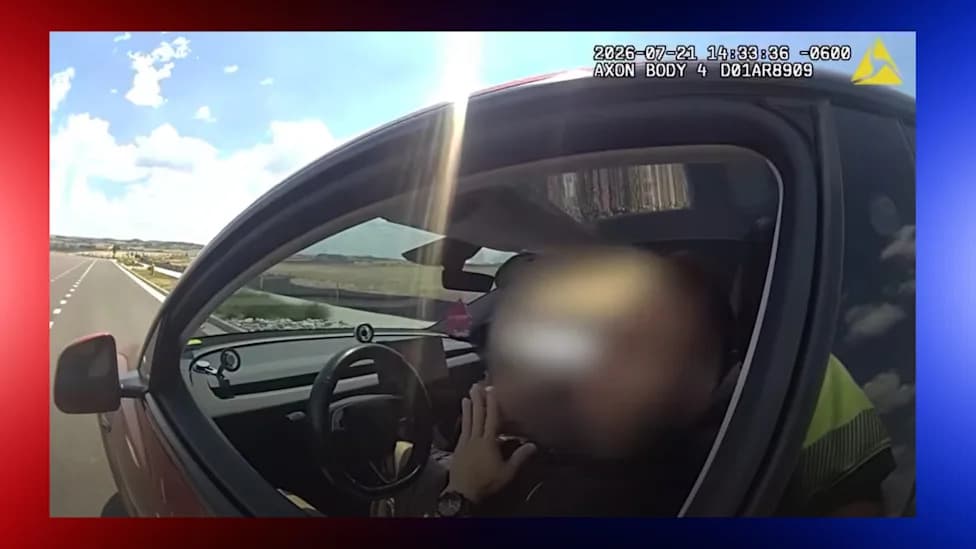
Photo Parker Police Department
A Colorado driver stopped for speeding told officers the vehicle’s driver-assistance system — not the person behind the wheel — was responsible for traveling 64 mph in a 45 mph zone, according to the Parker Police Department. The department released body-camera footage of the exchange, which quickly drew public attention and sparked a wider conversation about the limits of modern driver-assist technology.
What Happened
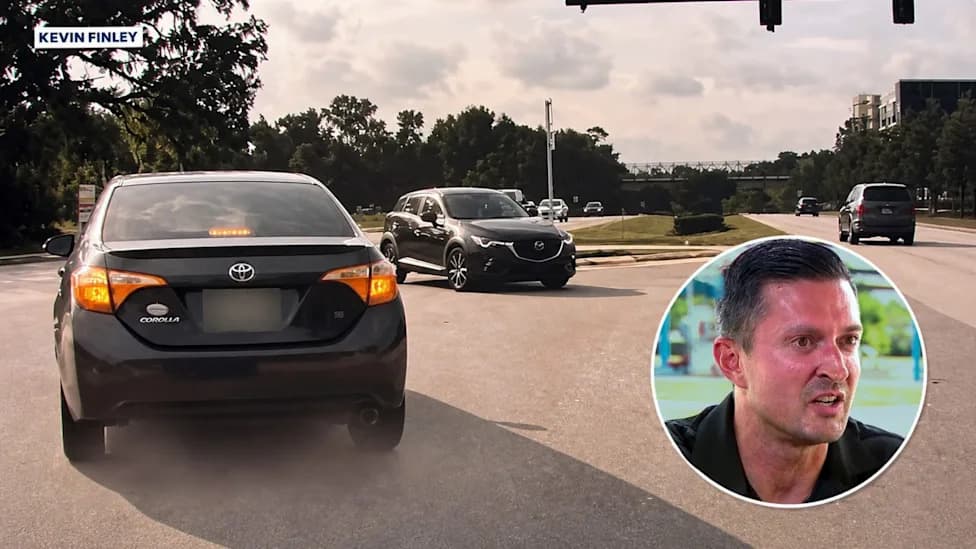
Police say an officer pulled the motorist over after detecting the vehicle was traveling 64 mph in a posted 45 mph zone. Body-camera video shows the driver admitting the measured speed but insisting they should not be held responsible because the car was ‘‘driving itself’’ via driver-assistance features. After the officer issued a citation, the driver demanded to speak with a supervisor.
Officer Response And Police Reminder
The officer explained that the person behind the wheel remains legally responsible for the vehicle’s operation regardless of which driver-assist functions are active. The citation included a complaint number and the officer noted the driver could contest the ticket in court.
'Driver assistance technology does not replace the driver,' the Parker Police Department wrote when it published the video. 'No matter what technology your vehicle has, the person behind the wheel is accountable for the vehicle's actions. These systems are designed to assist you, not drive for you.'
Why This Matters
Police stressed that common features — adaptive cruise control, lane-centering systems, and even marketing terms like 'full self-driving' — do not remove a motorist’s legal duties. Drivers must still obey speed limits, pay attention to road conditions and be ready to take control at any time.
Public Reaction
The posted video generated hundreds of comments. Many commenters pointed out the obvious: 'The car doesn't have a driver's license!' Others noted users set the autopilot speed themselves: 'You literally set the speed of the autopilot.' Several Tesla owners and other drivers weighed in to emphasize these systems require ongoing human supervision.
Practical Advice For Motorists
The incident offers a reminder about how to handle traffic stops: remain calm, comply with lawful directions, and avoid litigating the ticket at the roadside. If you believe you were treated unfairly, document the encounter (preserve any video, note times and witness details) and pursue the matter through the department's complaint process, a supervisor, legal counsel or in court.
Bottom line: Advanced driver-assistance features can help with driving tasks, but they do not transfer legal responsibility away from the person behind the wheel.
Help us improve.