Spea labreae, a newly described extinct spadefoot toad, was identified from two tiny sacro-urostyle fragments in La Brea Tar Pits material excavated in 1929 and reexamined in 2023. Distinctive anatomical features support its designation as a new species, and together with a Mexican burrowing toad fossil, the finds imply wetter, more wooded conditions in ancient Los Angeles. Because amphibians track local water and climate, these fossils provide valuable clues for conservation paleobiology and modern habitat restoration efforts.
Ice Age Toad Unearthed at La Brea: New Species Spea labreae Reveals Ancient L.A. Wetlands
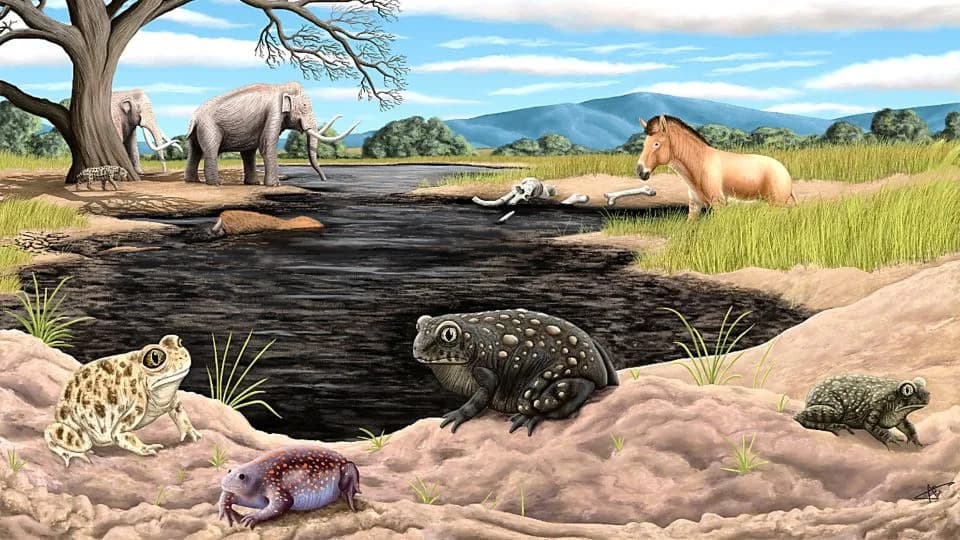
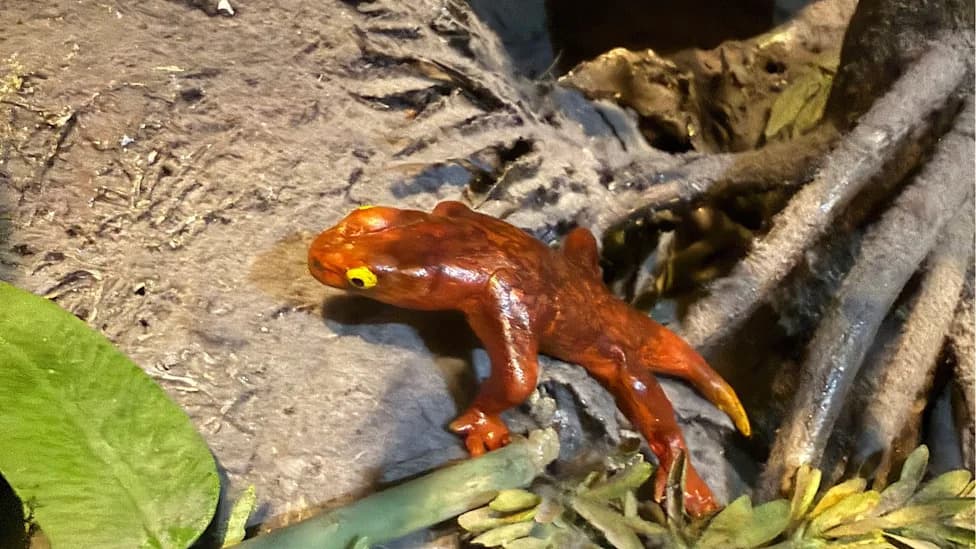
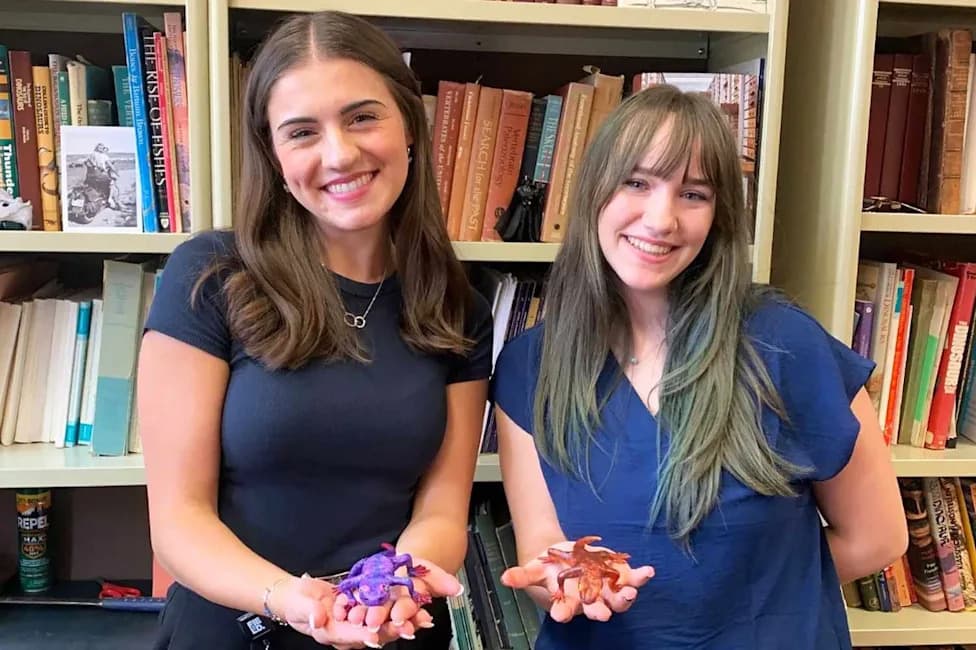
Reconstruction of Spea labreae, sp. nov. (dark spadefoots, center and right) in La Brea Tar Pits compared with Spea hammondii (light spadefoot, left), the species currently present in the area, and the Mexican burrowing toad (Rhinophrynidae, bottom). - Arturo Dávalos
At the heart of Los Angeles, the La Brea Tar Pits—famous for preserving millions of Ice Age fossils—have produced an unexpected small but important discovery: an extinct spadefoot toad newly named Spea labreae. The species is described in a study published in the Journal of Vertebrate Paleontology and represents the first Ice Age amphibian identified from La Brea and only the second extinct Pleistocene amphibian known from North America.
Tiny Bones, Big Insights
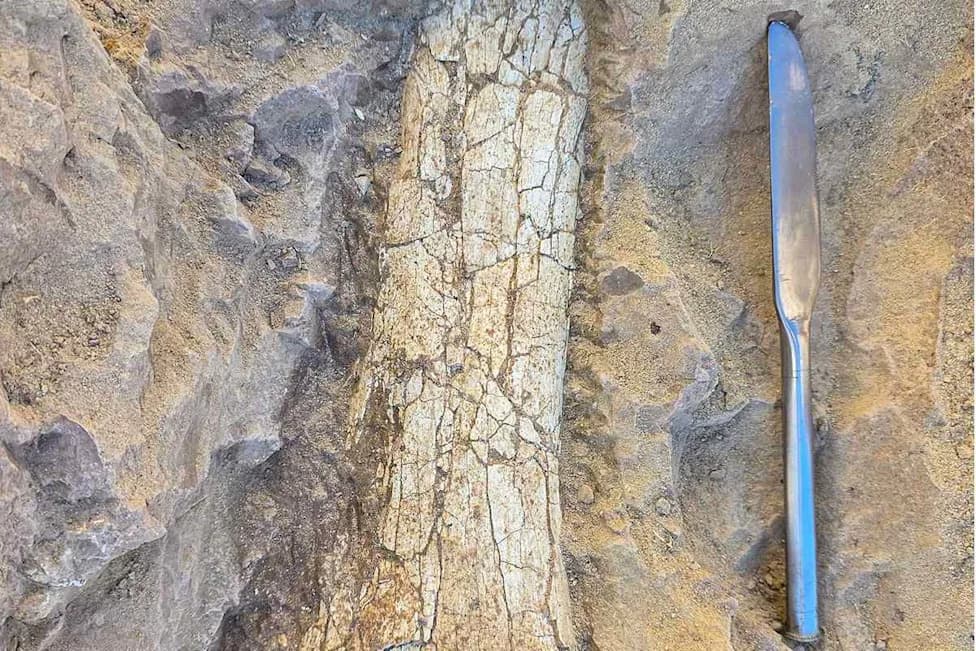
Researchers reexamining material excavated in 1929 uncovered two tiny fragments of the sacro-urostyle—the bone that links the lower spine to the hips—each roughly 1 centimeter long. These fragments were overlooked for decades because small, fragile amphibian bones often received less attention than larger mammal remains. In 2023, Dr. J. Alberto Cruz (La Brea Tar Pits; Quinametzin Paleontological Research Center) recognized anatomical differences after comparing the fossils with specimens from the Natural History Museum of Los Angeles County and the University of California, Berkeley.
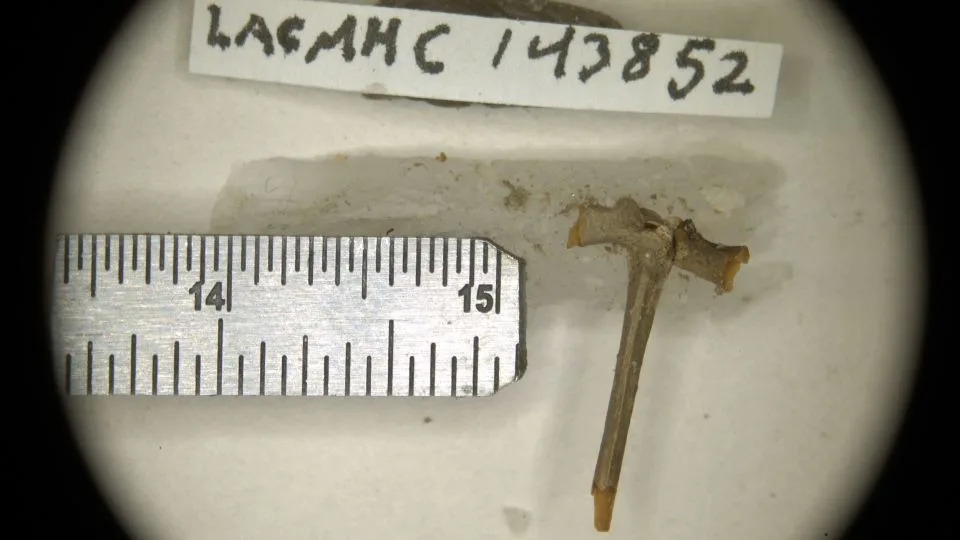
An almost complete sacro-urostyle of a possibly juvenile Spea labrae. - Courtesy La Brea Tar Pits
Distinctive Anatomy
Cruz and colleagues identified diagnostic features, including an unusually small, axe-shaped portion of the sacro-urostyle, that distinguish the fossils from known spadefoot species. Those differences supported naming the new species Spea labreae. Because the bone is delicate, direct radiometric dating would damage the specimen; instead, researchers estimate the toad lived sometime within the last 60,000 years, the period during which the tar seeps have been actively trapping animals.
'I'm more like a paleoecologist and paleogeographer, not a taxonomist. So, it is my first new species. For me, it's very exciting,' said Dr. J. Alberto Cruz.
What The Find Tells Us About Ancient Los Angeles
Amphibians are tightly linked to local water availability and humidity and rarely travel far from breeding sites. As a result, their fossils are valuable indicators of past local climate and habitats. In the same collection, Cruz also identified a fossil of the Mexican burrowing toad (family Rhinophrynidae), an extant species today found more than a thousand miles away in southern Mexico. Its presence at La Brea suggests the Los Angeles region supported wetter, more wooded environments when these amphibians lived there.

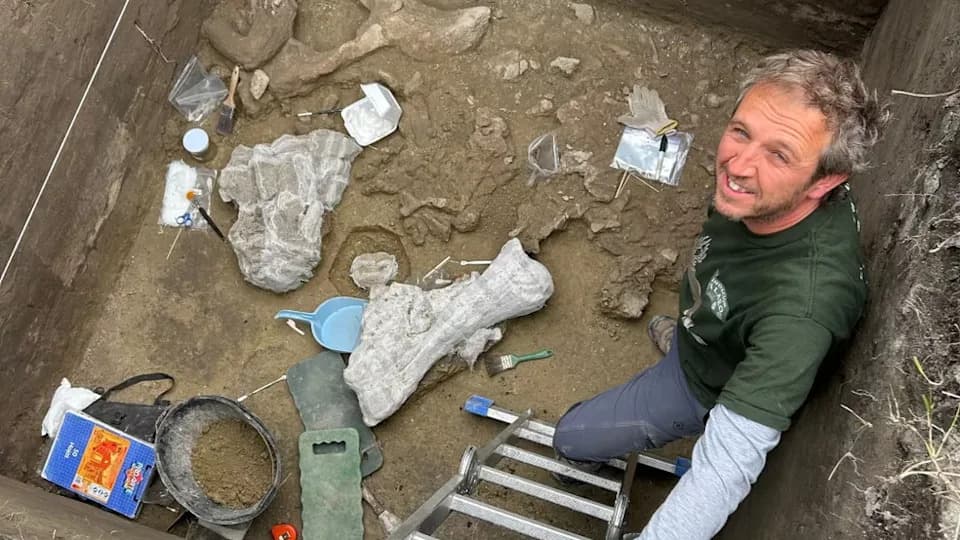
Mammal bones protrude from pit 91 during a media tour at the La Brea Tar Pits, which hold millions of plant and animal fossils. - Mario Tama/Getty Images
Conservation Paleobiology And Future Work
Because amphibians are sensitive to changes in precipitation and temperature, their deep-time record can inform conservation paleobiology—using prehistoric ecosystem evidence to guide modern conservation planning. Coauthor Dr. Emily Lindsey, curator and excavation site director at the Samuel Oschin Center for Global Ice Age Research, emphasized that small fossils were often ignored in early excavations and that renewed attention is revealing previously hidden ecological signals.
Experts caution that small bones can sometimes be transported from their original habitat by predators, but Cruz and colleagues found no evidence that predator transport explains these specimens. The team hopes further study will clarify habitat preferences—such as humidity and food resources—that supported these toads and ultimately why they disappeared from the Los Angeles area.
Why This Matters: The discovery doubles the number of known extinct Pleistocene amphibians in North America, expands our view of Ice Age ecosystems in a major urban area, and highlights the scientific value of revisiting older collections with modern perspectives.
Help us improve.