The GCC plans a 1,352-mile (2,177-km) railway to connect six Gulf states in a US$250 billion project that has gained urgency amid 2020s security shocks, including disruptions to the Strait of Hormuz. The UAE and Saudi Arabia have led recent progress: Etihad Rail launched passenger service Abu Dhabi–Fujairah in June 2026, and GCC authorities reported about 50% completion with an operational target of 2030. Beyond easing reliance on maritime chokepoints, the network could deepen economic integration, open overland links to Europe and Asia, and reshape regional incentives that influence security and diplomacy.
How a GCC Railway Could Rewire Persian Gulf Politics and Global Security
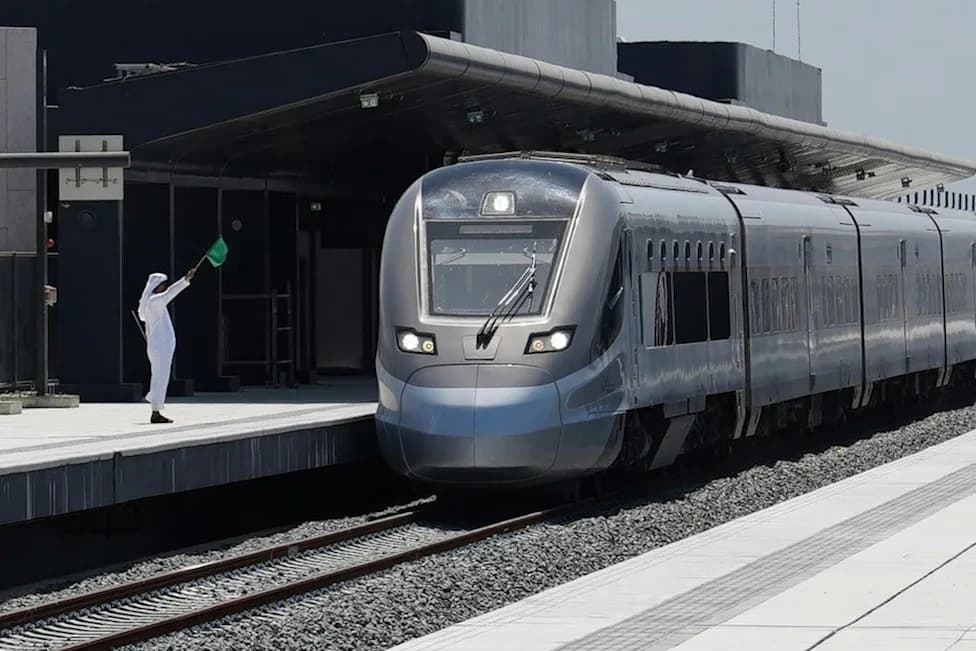
A staff member runs tests of the United Arab Emirates' first passenger railway, Etihad Rail, at a railway station in Fujairah.Xia Xiao/Xinhua via Getty Images
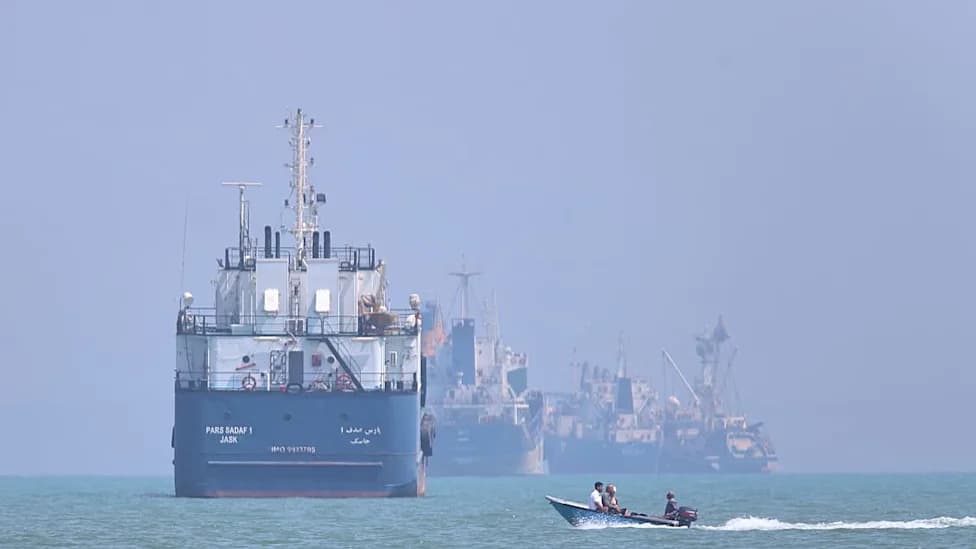
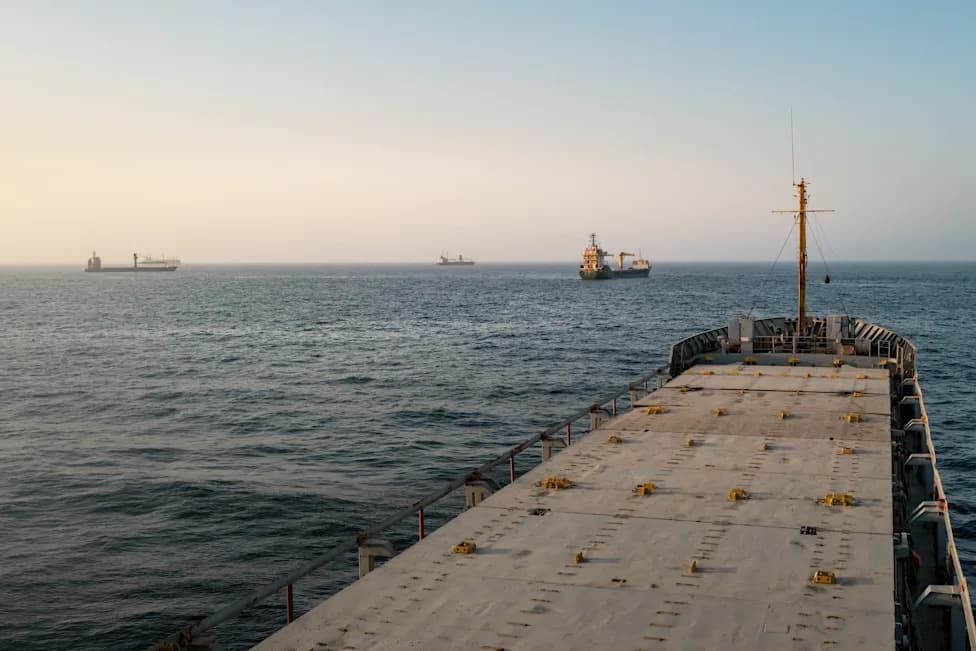
Recent disruptions — from shutdowns in the Strait of Hormuz to heightened tensions in the Red Sea and sudden oil-price shocks — have exposed a strategic vulnerability: Gulf states and global energy markets remain heavily dependent on maritime routes that can be disrupted. While diplomats work to secure these waterways, another transport transformation is quietly gaining momentum: a cross-border railway linking the six members of the Gulf Cooperation Council (GCC).
Why This Project Matters
The GCC railway aims to deepen economic integration across the peninsula, increase resilience to maritime chokepoints and create new overland trade routes to Asia and Europe. Beyond freight and passengers, the network could reshape incentives, economic relations and security dynamics across the wider Middle East.
Project Overview
The plan—first announced at the GCC’s 30th summit in 2009—envisions a 1,352-mile (2,177-kilometer) standard-gauge network linking Bahrain, Kuwait, Oman, Qatar, Saudi Arabia and the United Arab Emirates at an estimated cost of US$250 billion. Design specifications call for mixed freight and passenger services, with freight operating around 50–60 mph (80–100 kph) and passenger trains up to roughly 120 mph (200 kph), using European train-control technologies.
Recent Progress
Slow early progress—partly a consequence of low oil-price periods—accelerated in the 2020s as the UAE and Saudi Arabia took the lead. In April 2026, amid strikes from Tehran and a crisis closure of the Strait of Hormuz, GCC leaders meeting in Jeddah pledged to speed construction and improve regional infrastructure coordination.
Key milestones in 2026 include the UAE launching Etihad Rail passenger service between Abu Dhabi and Fujairah in June and GCC Rail Authority statements that the project had reached roughly 50% completion, with an operational target of 2030. Each member state is responsible for its segment: Saudi Arabia and the UAE have advanced the most, while Qatar, Bahrain and Kuwait are progressing through planning and design.
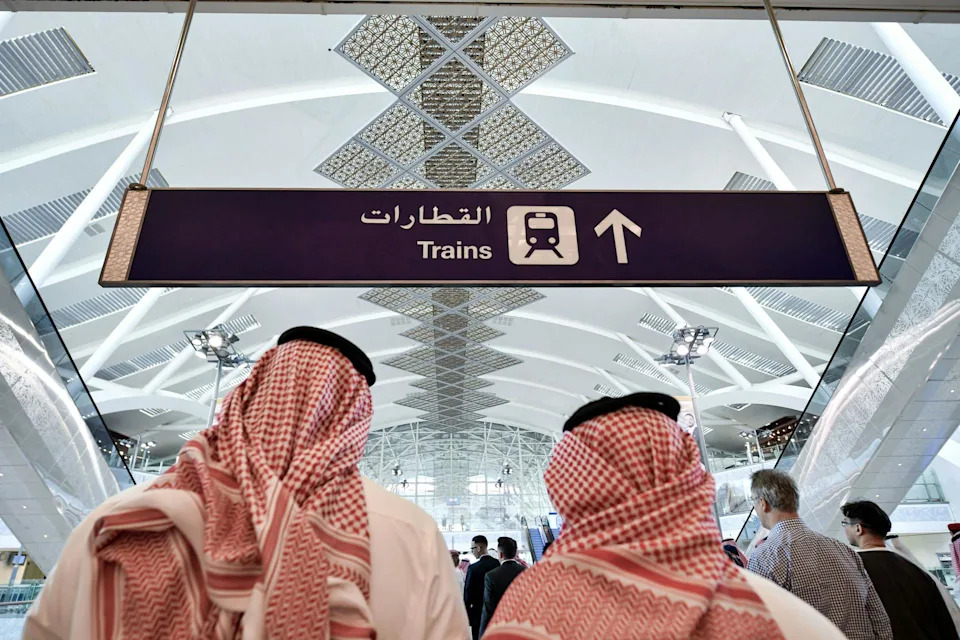
The GCC rail network could help millions of people move around the region.Giuseppe Cacace/AFP via Getty Images
Regional And International Links
Planners and investors are already eyeing routes that extend the GCC network into Europe and the Mediterranean. Possible corridors include:
- From Kuwait through Iraq and Turkey toward Europe.
- Across Saudi Arabia into Jordan, Syria and Turkey.
- Across Saudi Arabia and Jordan to the Israeli port of Haifa.
- Saudi Arabia’s Landbridge to Red Sea ports and onward shipping via the Suez Canal.
Gulf ports on the Gulf of Oman — notably Fujairah in the UAE and Sohar in Oman — would give direct access to the Arabian Sea and Indian Ocean, providing alternatives to the Strait of Hormuz during crises. Complementary initiatives include the India–Middle East–Europe Economic Corridor, Saudi Arabia’s Landbridge, and Iraq’s Development Road Project. In June 2026 Saudi Arabia and Turkey signed an MoU on railway connectivity that contemplates reviving and upgrading the historic Hejaz Railway.
Political, Economic And Social Impacts
Beyond logistics, the railway would enable tens of millions of people to cross borders for business, tourism and daily travel, supporting regional tourism and economic diversification. Improved overland connectivity could reframe relationships: for example, Iraq’s Development Road might shift GCC–Iraq ties toward shared development rather than security rivalry, and new corridors could facilitate post-conflict investment in Syria.
In the near term, deeper integration will likely be used as a strategic counterbalance to Iran; over time, interdependence created by shared infrastructure could lower incentives for confrontation and open new pathways for diplomacy.
Limits And Historical Perspective
Railways are powerful but not panaceas: they cannot eliminate geopolitical rivalries or prevent war. History shows, however, that durable infrastructure often alters economic incentives, social ties and political identities—helping to bind territories together and shape long-term state behavior. Examples include rail-driven expansion in North America, Japan’s postwar recovery and aspects of China’s development strategy.
Conclusion
The GCC railway is more than a transport project. If delivered, it would be a strategic investment in resilience and regional architecture: reducing dependence on vulnerable sea lanes, expanding economic linkages across Asia and Europe, and creating new incentives for cooperation across the Gulf. Its full political effects will unfold over decades, but the network could put regional collaboration on a steadier track.
Attribution: This article is adapted from reporting and analysis originally published by The Conversation. Authors: Stacy D. VanDeveer, UMass Boston; Firmesk Rahim, UMass Boston.
Help us improve.