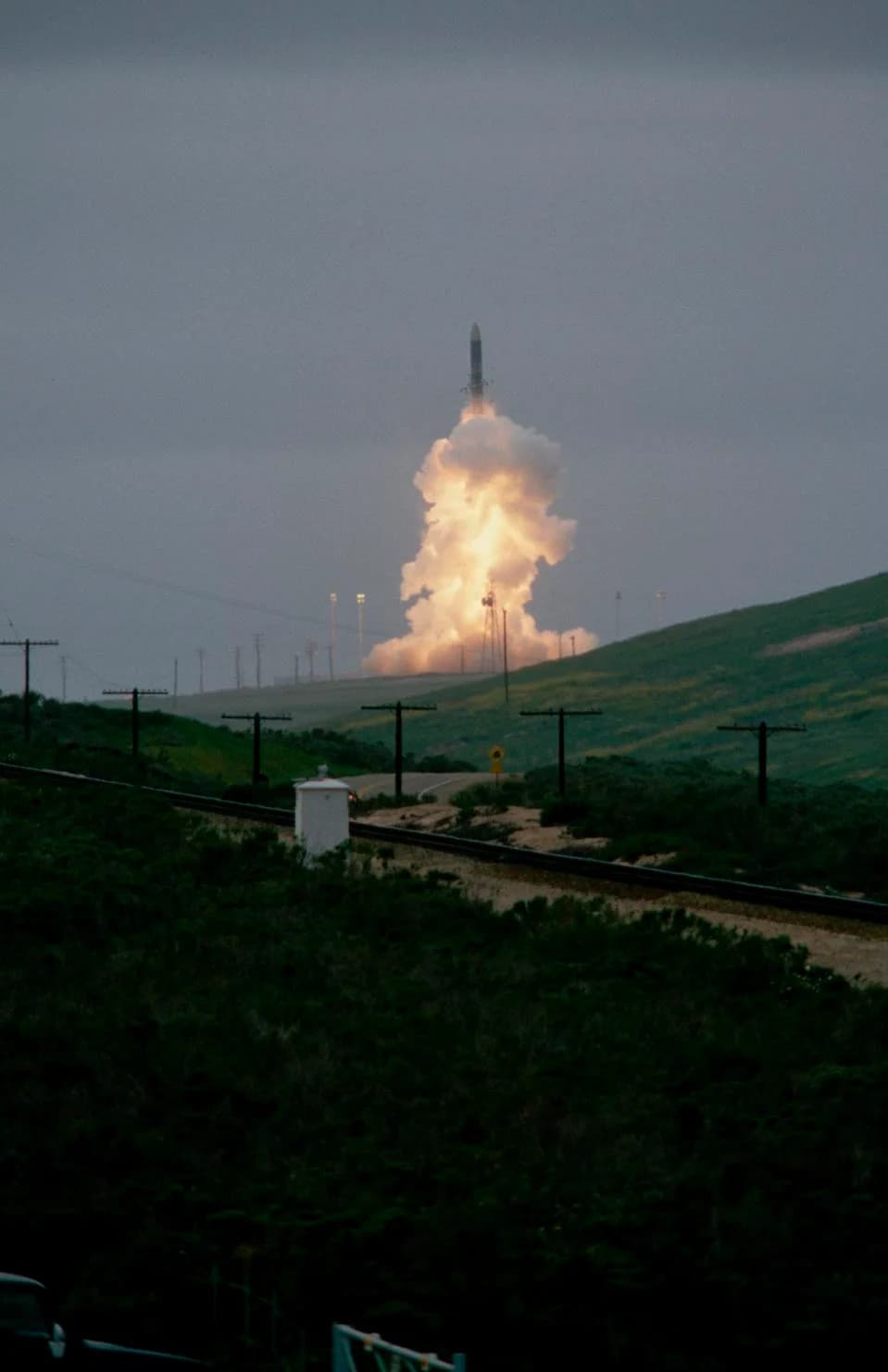
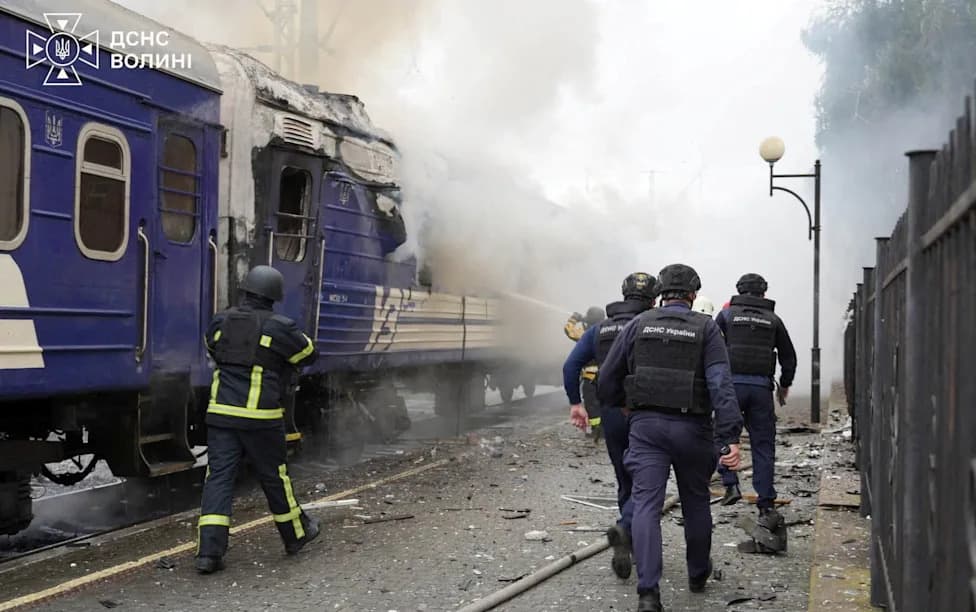
Perimeter — nicknamed Dead Hand and reportedly completed around 1985 — was a Soviet semi-automatic system designed to launch a nuclear counterstrike if leadership and communications were destroyed. Engineers say it used air‑pressure, seismic, and radiation sensors and attempted to contact command centers before issuing automatic launch commands. Though never publicly activated and not dismantled after the USSR collapsed, Perimeter’s existence raises modern concerns about vulnerabilities to hacking, AI-era mistakes, and accidental escalation. A 2025 exchange between Donald Trump and Dmitri Medvedev revived public attention to the system and the lingering risks of automated retaliation.
Dead Hand: The Soviet ‘Perimeter’ System That Could Still Trigger Global Nuclear Retaliation
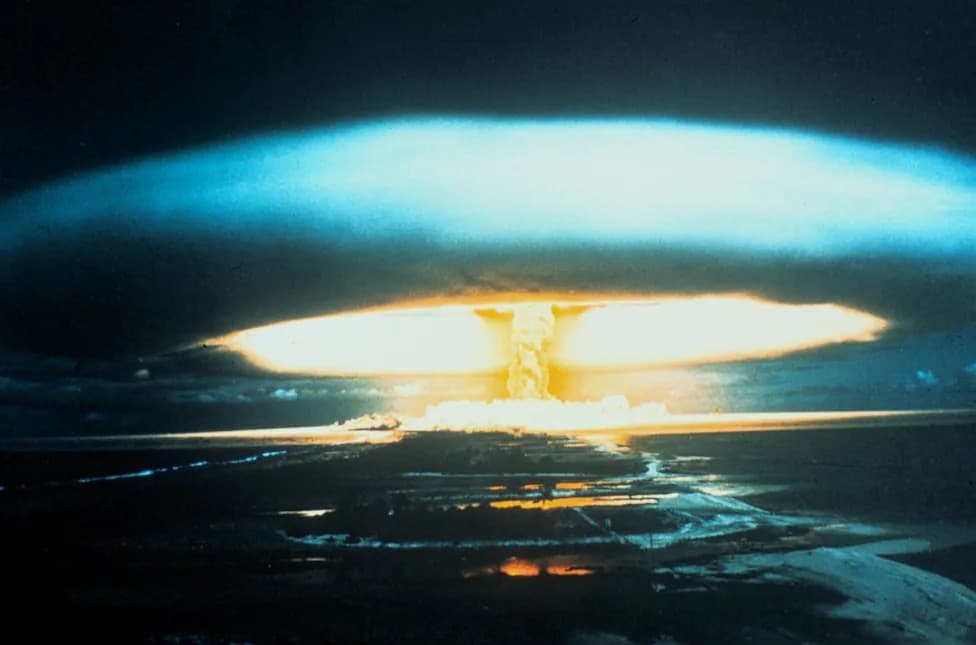
Cold War's Deadliest Machine May Still Be ActivePhoto 12 - Getty Images
When did the Cold War really end — with the fall of the Berlin Wall, the Malta Summit, or the formal collapse of the Soviet Union in 1991? Recent events show the answer may be more complicated. A public spat in 2025 between U.S. President Donald Trump and former Russian president Dmitri Medvedev revived a term that chills national-security veterans: "мёртвая рука" — the Dead Hand.
What Is Dead Hand (Perimeter)?
Dead Hand is the Western nickname for the Soviet-era automated retaliatory system officially called Perimeter (Периметр). Conceived in the 1980s and reportedly completed around 1985, Perimeter was designed to ensure that the Soviet Union could order a nuclear counterstrike even if political and military leadership had been destroyed.
Why It Was Built
During decades of nuclear standoff, the doctrine of mutually assured destruction (MAD) kept direct nuclear use at bay: each superpower feared guaranteed, catastrophic retaliation. But emerging U.S. technologies — most notably the Strategic Defense Initiative (SDI) announced in 1983 — alarmed Soviet planners. They feared an American capability that could survive or mop up after a U.S. first strike, enabling a decapitating attack without effective Soviet response. Perimeter was intended to remove sole reliance on surviving leaders and to preserve a retaliatory ability under the worst conditions.
How Perimeter Worked (As Reported)
Former Strategic Rocket Forces officer Valery Yarynich, among others involved in the project, described Perimeter as a semi-automatic system. It required initial activation by human controllers at moments of extreme crisis. Once armed, the system monitored multiple signals — air-pressure sensors, seismic detectors, and radiation alarms — to determine whether a nuclear strike had occurred.
If Perimeter detected the signs of a large-scale attack, it would attempt to contact the command chain. If communication with the General Staff or the war room remained intact, humans could abort the sequence. If those links were dead, Perimeter would infer that leadership had been wiped out and automatically broadcast launch commands to surviving forces.
What Happened After the Cold War?
The system was never publicly known to have been activated. It was not dismantled after the USSR collapsed, and Russian officials and former engineers have tacitly acknowledged an automated retaliatory capability exists. That lingering existence, combined with rapid advances in cyber operations and artificial intelligence, has renewed concern about both accidental and malicious triggers.
Modern Risks
Two competing worries dominate today: a techno-optimist view that modern cyber defenses and verification tools could neutralize or safely retire an old system, and a darker view that an aging automated protocol could be vulnerable to hacking, spoofing, or misconfiguration — especially in a more crowded global cyber ecosystem. The prospect that a decades-old automated launch protocol could be accidentally or maliciously activated is unsettling.
Why It Matters Now
When Dmitri Medvedev used the phrase "мёртвая рука" in 2025, it reminded policymakers and the public that Cold War-era architectures continue to cast long shadows. Whether Perimeter remains armed, dormant, or dismantled is a matter of limited public certainty. That uncertainty alone is reason for continued attention: the possibility that an automated retaliatory mechanism could still issue orders makes the question of whether the Cold War ever truly ended an urgent strategic and moral problem.
Bottom line: Perimeter was designed to guarantee retaliation even if leadership and communications were destroyed. Its reported technical safeguards relied on multiple sensors and human fail-safes; its political risk stems from its continued secrecy, aging infrastructure, and the modern cyber threat environment.
Help us improve.