German security services say they are tracking a wave of Russian-linked disinformation aimed at influencing state elections in September. Hundreds of videos — many bearing fake German media logos and shared on platforms including X — have targeted all major parties except AfD and BSW. Authorities link the activity to the "Matryoshka" operation from last year and warn it forms part of a long-term hybrid threat that increasingly uses tools like artificial intelligence.
Germany Warns Of Russian Disinformation Targeting September State Elections
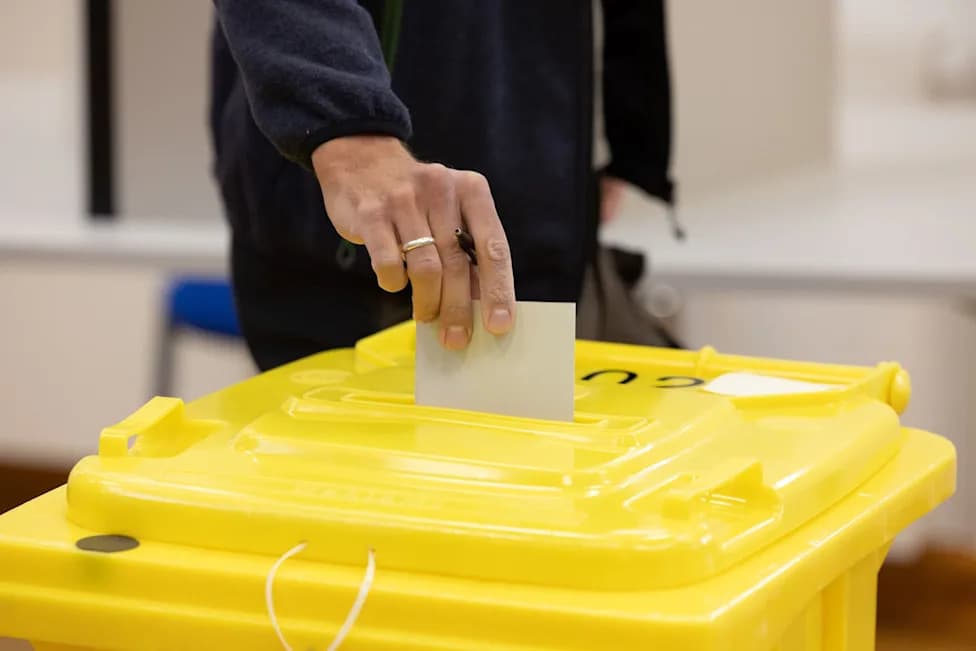
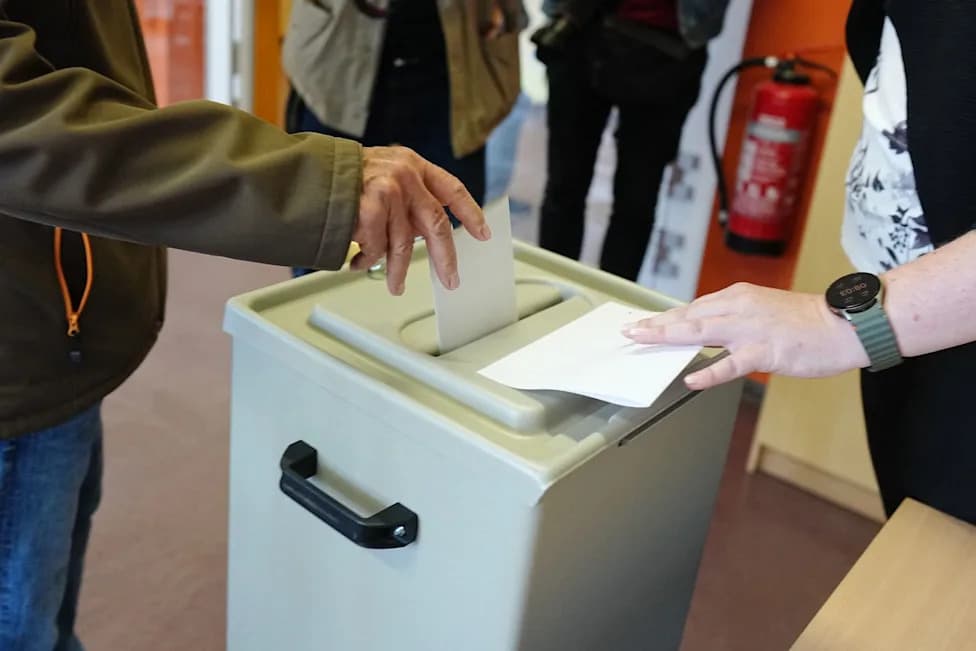
FILE PHOTO - A voter casts his vote in a ballot box in the voting room as the state of Lower Saxony elects a new parliament. (is associated with: «Germany monitors Russian disinformation ahead of state elections») Friso Gentsch/dpa
German security authorities say they are closely monitoring a wave of reported Russian disinformation aimed at influencing multiple state elections in September.
What Authorities Report
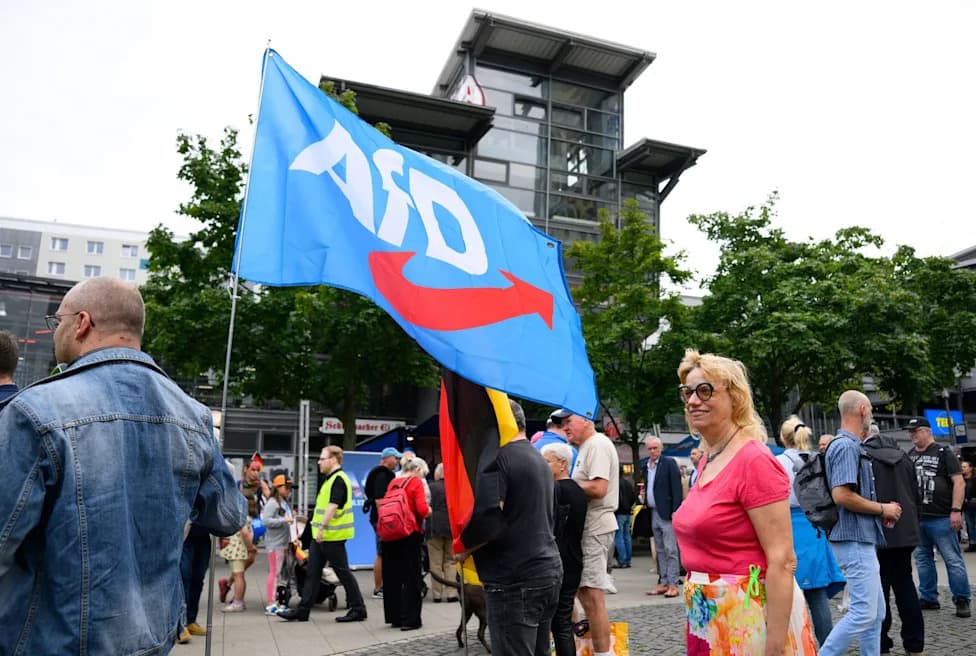
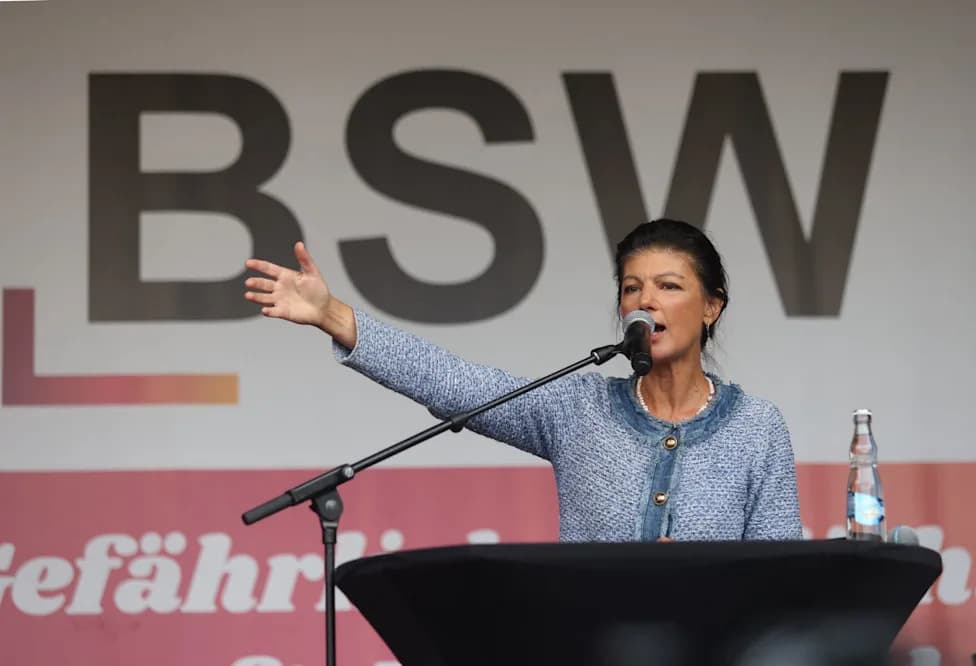
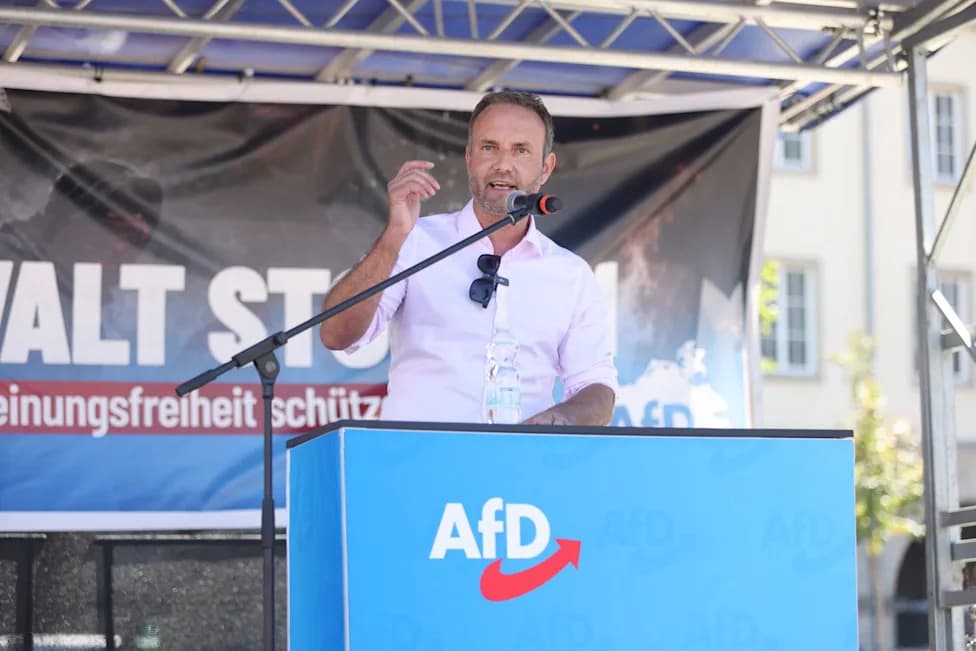
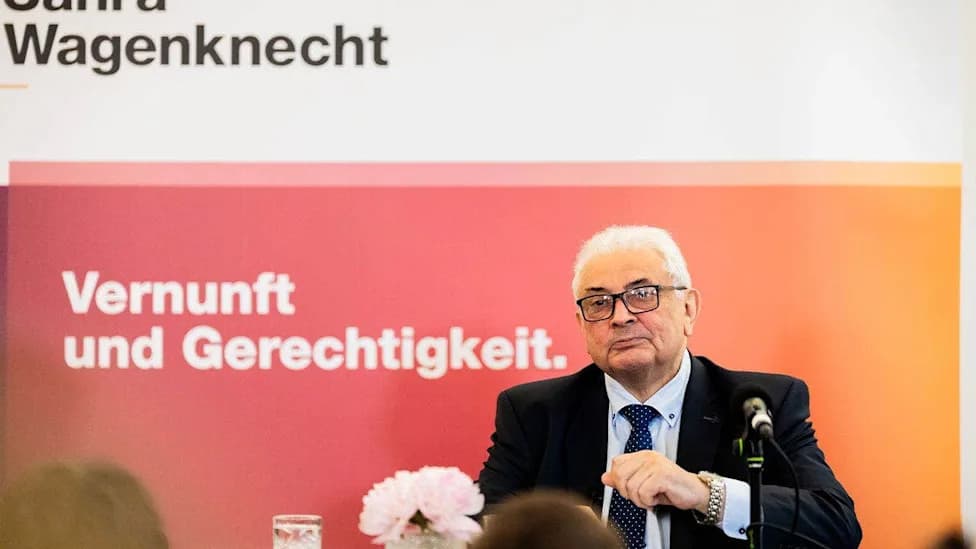
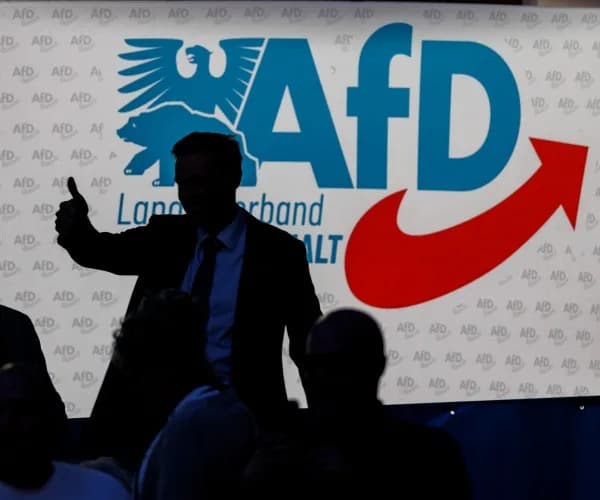
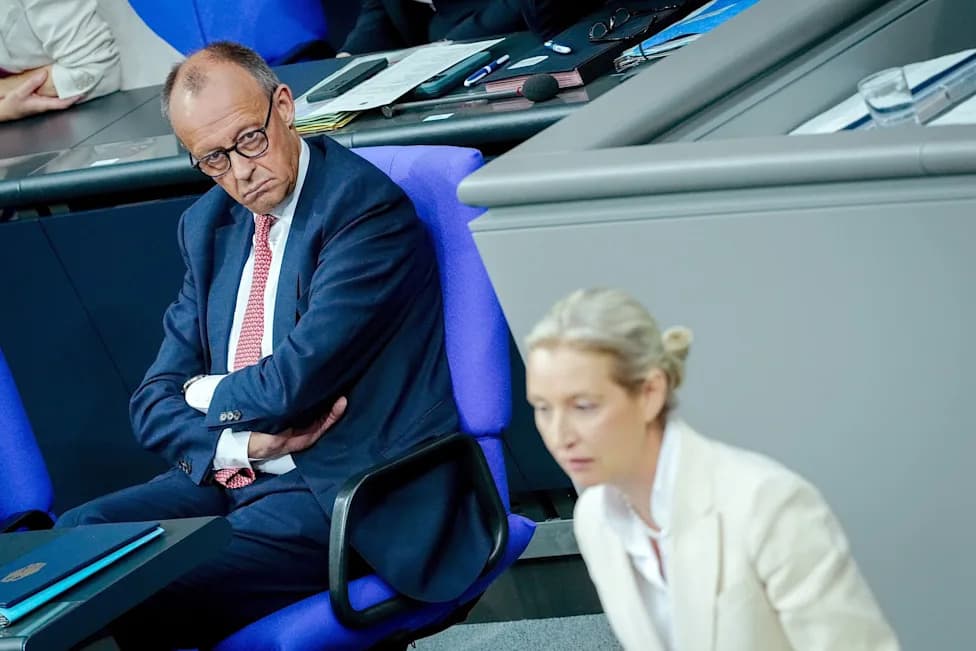
Security sources told reporters that hundreds of short videos have circulated online seeking to discredit politicians and parties judged not to be friendly toward Russia. Officials say the material appears to target every major party except the far-right Alternative for Germany (AfD) and the Sahra Wagenknecht Alliance (BSW).
Many of the clips carried the logos of established German media outlets in an apparent attempt to lend credibility and were shared on social platforms including X, although a substantial number have since been removed.
Links To Past Operations And Tactics
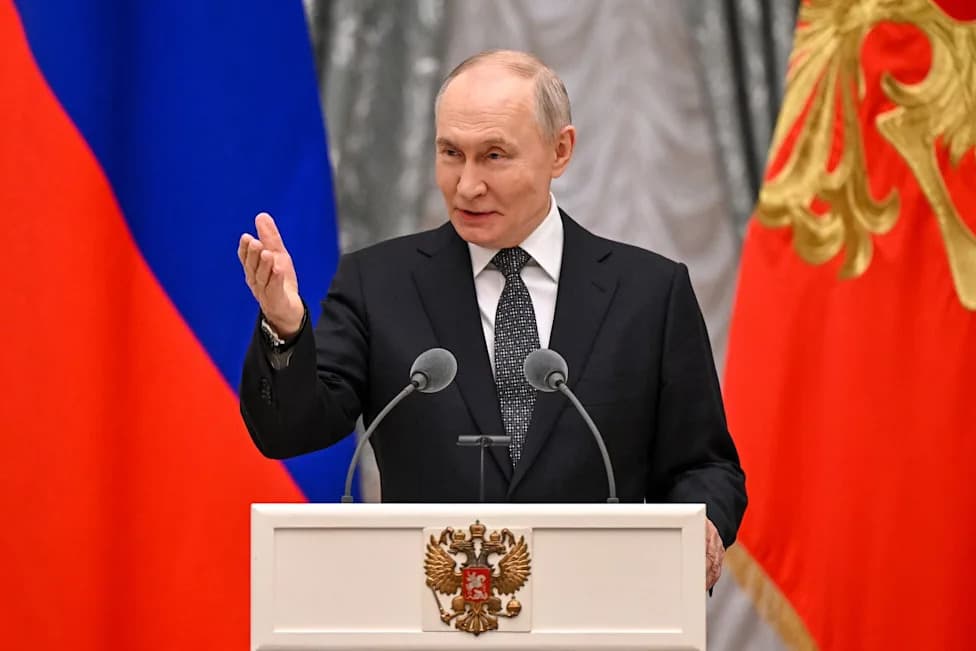
Authorities have linked the activity to the so-called "Matryoshka" (Russian doll) operation, which was also observed during last year’s federal election. According to security services, the campaigns form part of a broader, long-term hybrid-threat strategy that involves both state and non-state actors.
Experts warn: The disinformation ecosystem is evolving, increasingly using tools such as artificial intelligence to create and spread content more quickly and convincingly.
Targets And Timeline
Security officials say the initial aim was to deepen divisions between eastern and western Germany — for example, by spreading false claims that children from eastern states were being bullied in schools in the west. The campaigns later shifted toward personalised smears, including false accusations of embezzlement or sexual offences against local politicians.
- Scope: Videos are believed to be in the low hundreds.
- Platforms: Distributed across multiple social networks, including X.
- State elections to watch: Saxony-Anhalt (Sept 6); Mecklenburg-Vorpommern and Berlin (Sept 20).
Government sources emphasise that while the immediate goal is to polarize and destabilize public debate ahead of regional ballots, the activity should be seen as part of a sustained campaign to influence German politics and public opinion.
Authorities urge media outlets, platforms and the public to remain vigilant, verify sources, and report disinformation.
Help us improve.