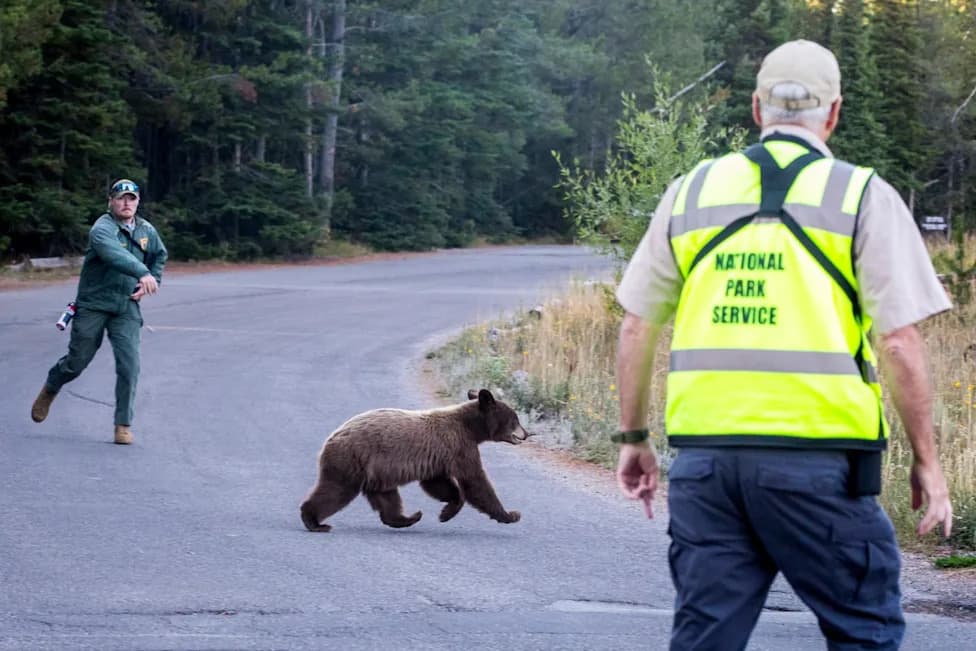
An experimental November 2025 release in Northern California returned rehabilitated bear cubs to the wild so they could hibernate naturally. GPS tracking showed the animals established dens, survived winter hibernation, and reemerged healthy this spring. One cub was euthanized before release due to illness; five were released after rehabilitation. Officials say fall releases may reduce time in captivity, lower human habituation risks, and ease strain on rehab centers.
Fall Release of Rehabilitated Bear Cubs Succeeds in California: Cubs Hibernated Wild, Returned Healthy
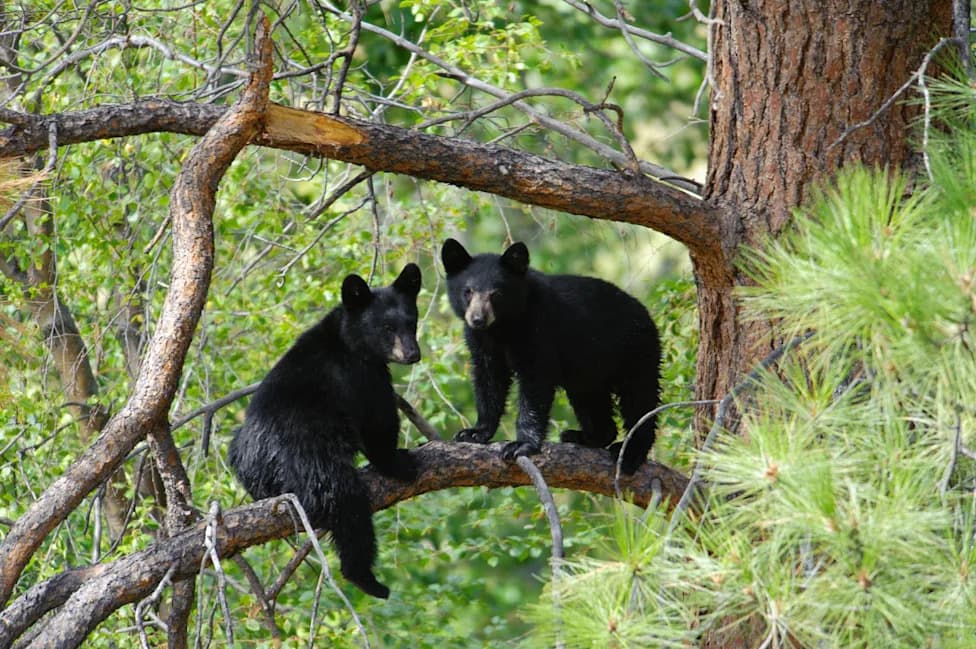
Photo Credit: iStock
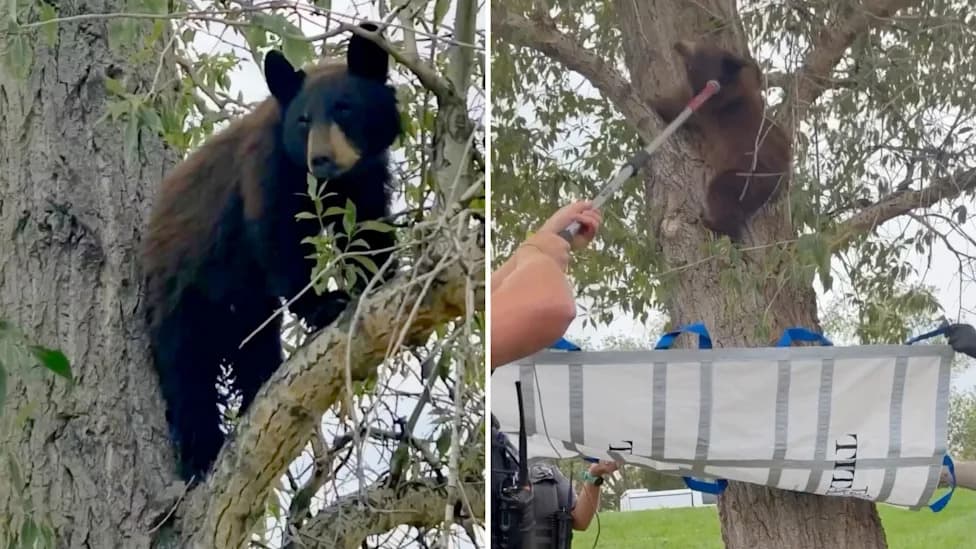
An experimental fall release of rehabilitated black bear cubs in Northern California has been described by state wildlife officials as a "massive win." The animals survived a season of wild hibernation and reemerged this spring healthy and active, suggesting an alternative approach to the traditional spring release for orphaned cubs.
How the pilot worked
According to a June 8 news release from the California Department of Fish and Wildlife (CDFW), the pilot involved cubs taken in from multiple rescues across the state and returned to habitat in the counties where they were found in November 2025. Agency staff fitted each animal with tags, microchips, and GPS collars to monitor movements and denning behavior.
Rescues, rehabilitation and release
The young bears originated from several incidents: two female siblings discovered near Nevada City (Nevada County) in May 2025, a lone male found near South Lake Tahoe (El Dorado County) in July 2025, and a group of three male siblings located in Arnold (Calaveras County). In total, wildlife centers received multiple cubs; one was too ill to return to the wild and was euthanized. Five cubs were released in November after rehabilitation at facilities including Sonoma County Wildlife Rescue and the San Diego Humane Society’s Ramona Wildlife Center.
Tracking confirmed wild hibernation
Tracking data from GPS collars showed the released bears successfully established dens, hibernated through winter, and reemerged on the landscape this spring. CDFW noted this outcome demonstrates that autumn release can allow cubs to experience their first natural hibernation in the wild rather than overwintering in captivity.
"These bears spent their first winter hibernating naturally in the wild as opposed to staying overwinter in a facility," the department said, adding that fall release can reduce time in rehabilitation and the risk of bears becoming comfortable around people.
Why this matters
Releasing orphaned cubs in the fall could shorten their time in human care, lowering costs and operational strain on rehabilitation centers. It may also reduce the likelihood of human–bear conflicts that arise when young bears become habituated to people in neighborhoods, campgrounds, along roadways and on rural properties. The practice is modeled after methods already used in states such as Nevada and Washington.
Next steps
Wildlife officials will continue monitoring the collared animals and evaluating whether fall release is an option that should be adopted more broadly across California. If successful at scale, the approach could help wildlife centers allocate resources more efficiently and focus on other injured or orphaned animals.
Help us improve.