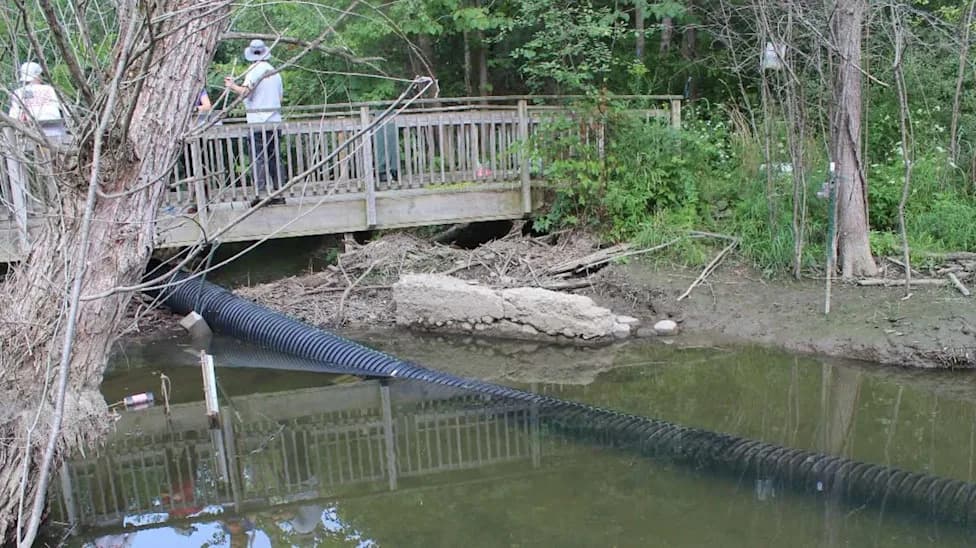
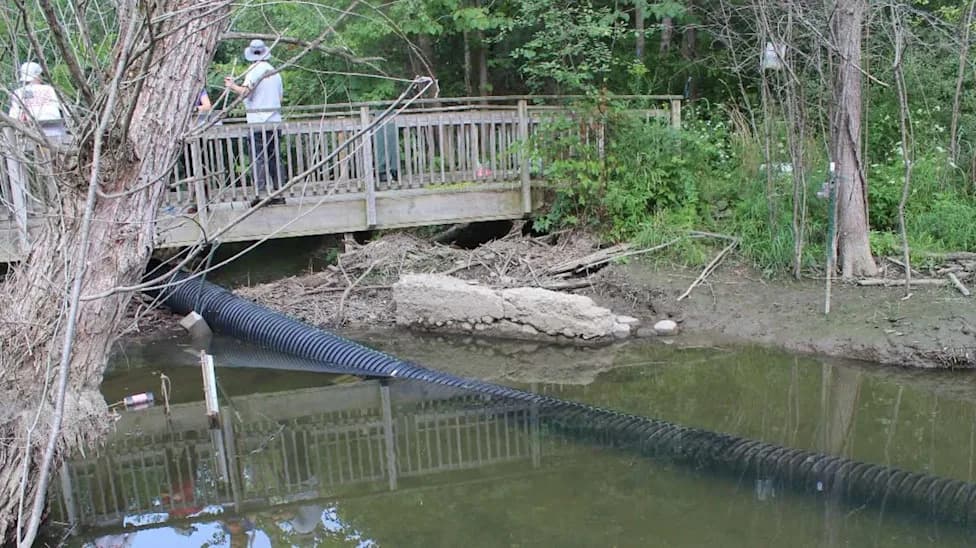
Tribal leaders rediscovered an ancient beaver pictograph and used that insight to help launch California's first beaver restoration program in more than 70 years. Beginning in 2023, relocated beavers built a 328-foot dam at Tásmam Koyóm, increasing water coverage by over 22% (CDFW, April 2025). The program — a partnership between tribes and the California Department of Fish and Wildlife — aims to boost drought resilience, improve water quality and reduce wildfire risk, and was made permanent by Assembly Bill 2196 in 2024.
California Reintroduces Beavers After 70 Years — Tribal Partnership Restores Water, Wildlife and Heritage
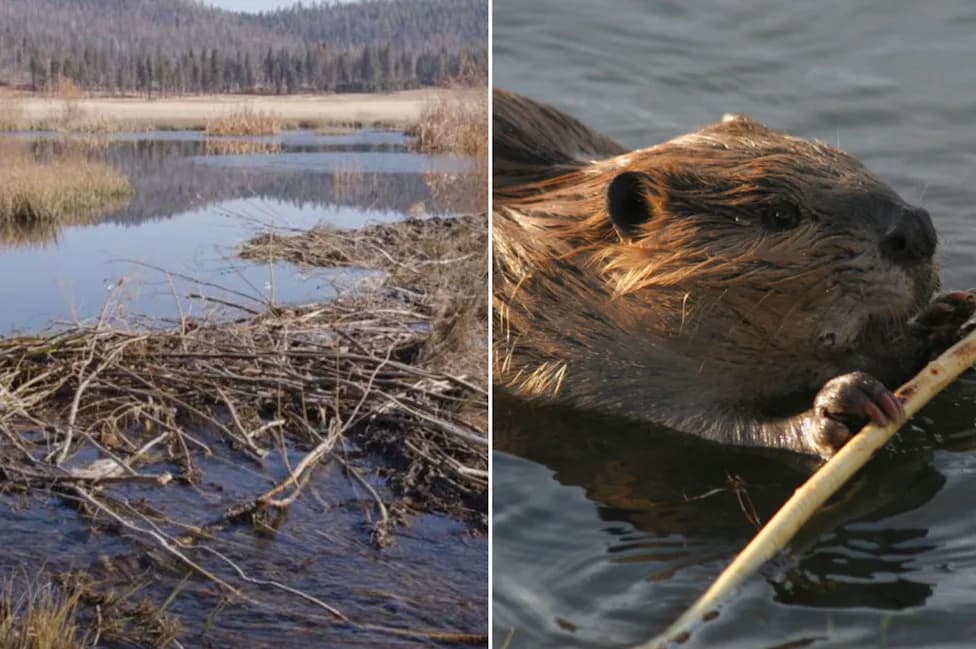
Checking in on California's beaver project.
Deep in the Sierra Nevada foothills on the Tule River Indian Reservation, tribal member Kenneth McDarment had for decades passed an ochre-red pictograph of a beaver — a simple image of four paws and a paddle tail estimated to be 500–1,000 years old. When a severe drought struck the reservation about a decade ago, McDarment and other tribal leaders looked again at that ancient artwork and began to see ecological knowledge encoded in the image: if beavers once lived here and helped manage water, might restoring them help now?
Origins of the Restoration Effort
That insight set in motion what became California's first organized beaver restoration program in more than 70 years. After years of advocacy and planning by the Tule River Tribe and the Maidu Summit Consortium, the state of California — in partnership with the California Department of Fish and Wildlife (CDFW) — launched the program in 2021. The initiative marked a shift away from seeing beavers as nuisances and toward recognizing their role as ecosystem engineers.
Relocations and Early Results
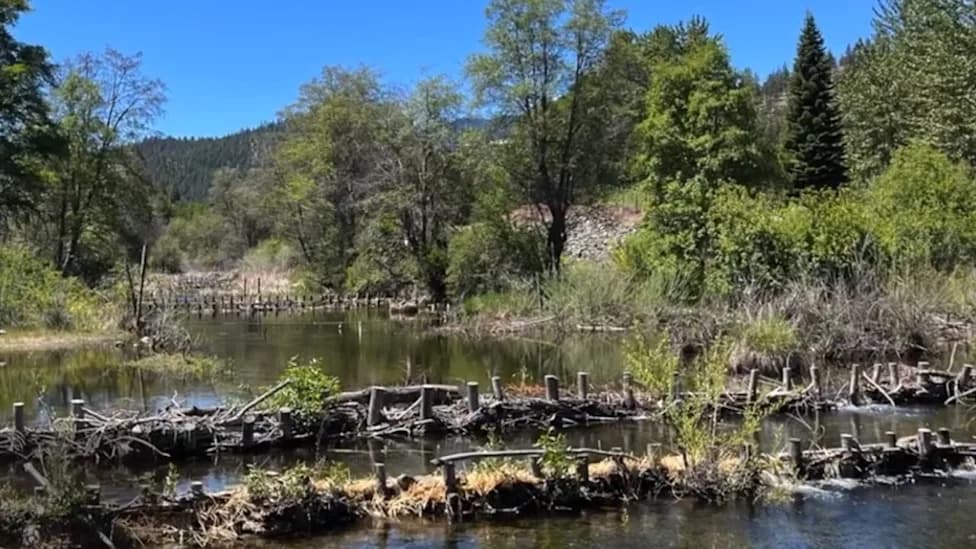
On October 18, 2023, seven beavers were released into Tásmam Koyóm, a 2,325-acre valley in Plumas County. By September 2024, the program had relocated 28 beavers across five release sites. At the Maidu Summit Consortium's Tásmam Koyóm meadow, relocated beavers built a 328-foot dam that created an expansive wetland complex. According to CDFW's April 2025 report, water coverage in that meadow increased by more than 22%.
"You just saw this tiny brown furball, this little nugget, catch a ride on the back of his sibling's tail, and it looked like he was surfing. I don't think it set in for days afterward, but that moment will go down as one of the highlights of my entire career. I think we were very proud of what we had done, and really optimistic about the potential that this represents for us and the good we think we can do moving forward." — Valerie Cook, Beaver Restoration Program Manager, CDFW
"We can make our future different from our past. Our past is one where we treated these animals and others as varmints, as nuisances, and our culture over time ran them off the landscape. That can't be our future." — Charlton H. Bonham, Director, CDFW
Ecological and Cultural Benefits
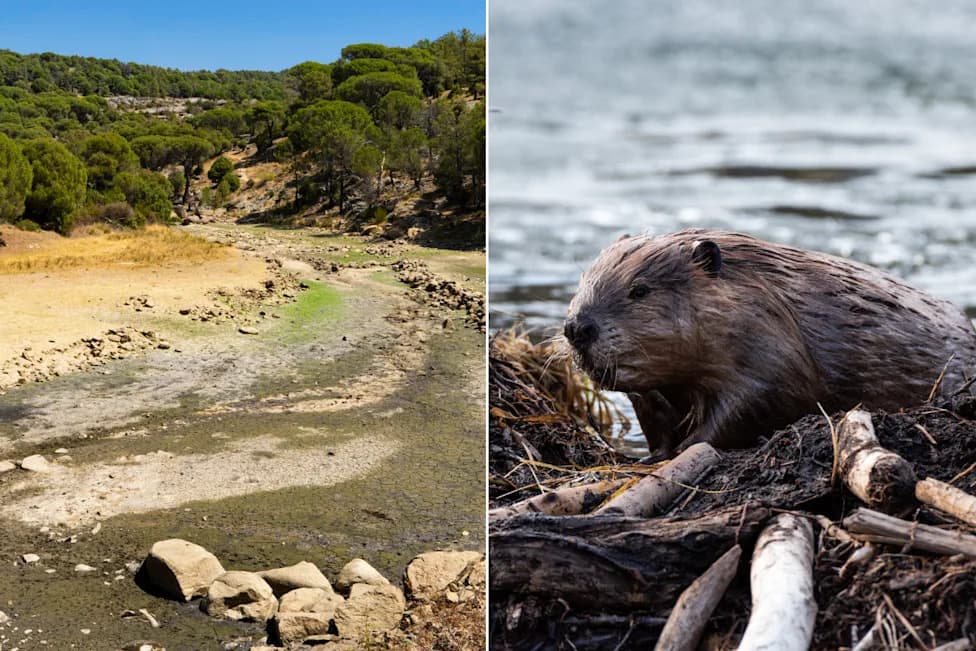
Beavers are increasingly recognized as powerful "ecosystem engineers." Their dams and ponds can transform landscapes by:
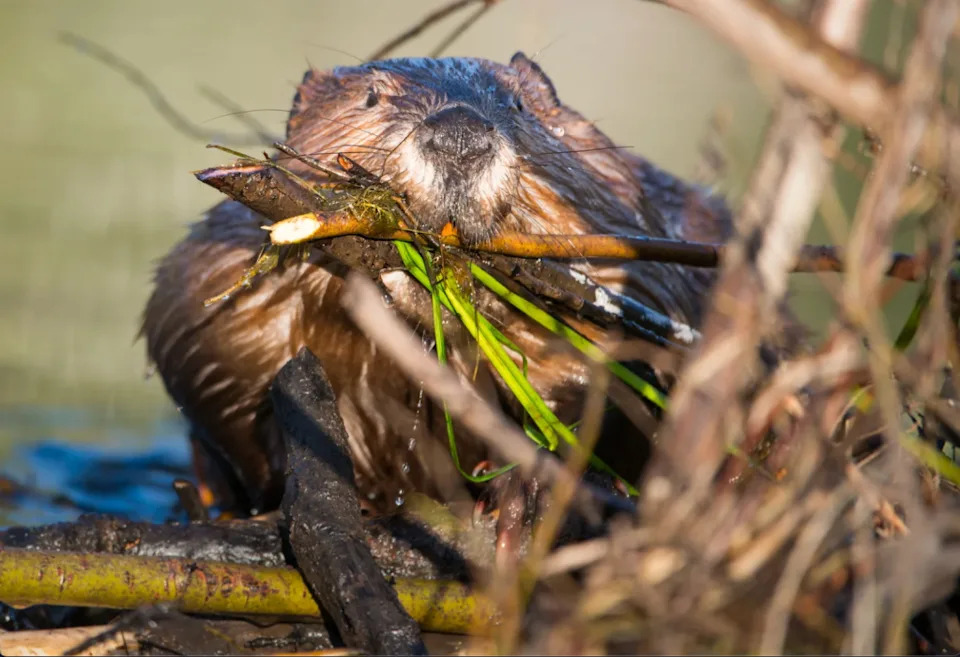
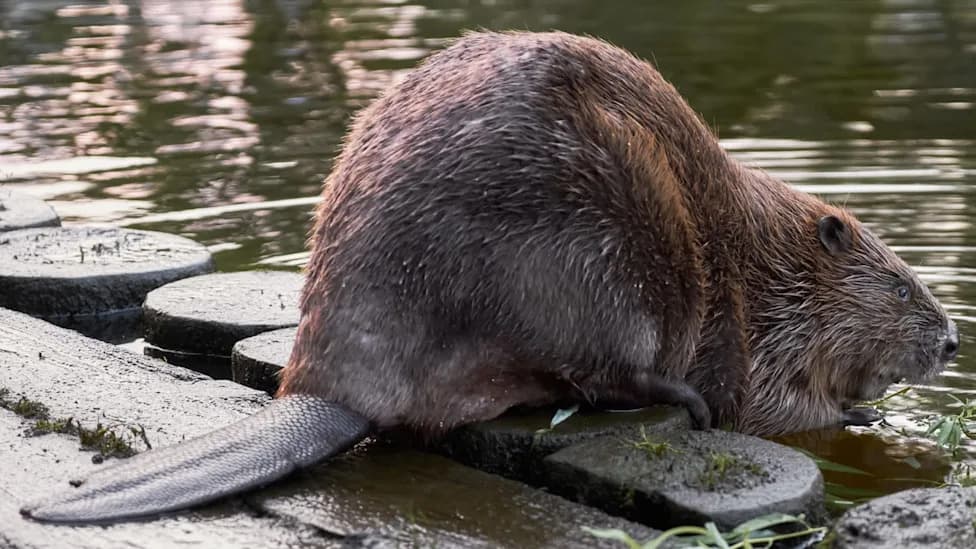
A beaver with a mouth full of sticks. Photo credit:Canva
- Increasing water storage: Dams spread and slow water, recharging groundwater and creating natural reservoirs that release water during dry spells.
- Improving water quality: Ponds trap sediments, filter pollutants and support biological processes that reduce excess nutrients.
- Enhancing fire resilience: Wetlands maintained by beavers typically burn less severely and can act as natural firebreaks because of their higher moisture content.
For the Mountain Maidu and Tule River tribes, the return of beavers carries deep cultural and spiritual meaning. Tásmam Koyóm Meadow — returned to the Mountain Maidu in 2019 after nearly two centuries of dispossession — saw beavers (called hi-chi-hi-ne and regarded as family) reintroduced four years later, a moment many described as healing and restorative.
Challenges and Next Steps
Not every release has succeeded. The Tule River site has faced tougher conditions, and several releases since 2024 have not yet produced stable populations. The program's leaders continue to monitor relocated animals, adapt site management, and work with local communities to reduce conflicts and maximize ecological benefits.
Recognizing the potential of this nature-based approach, California lawmakers made the program permanent when Governor Gavin Newsom signed Assembly Bill 2196 in 2024. Advocates hope growing "beaver literacy" — public awareness of beavers' ecological roles — will expand support for relocation and wetland restoration across the West.
Note: This article was updated from an earlier version to reflect subsequent developments and official reporting.
Help us improve.