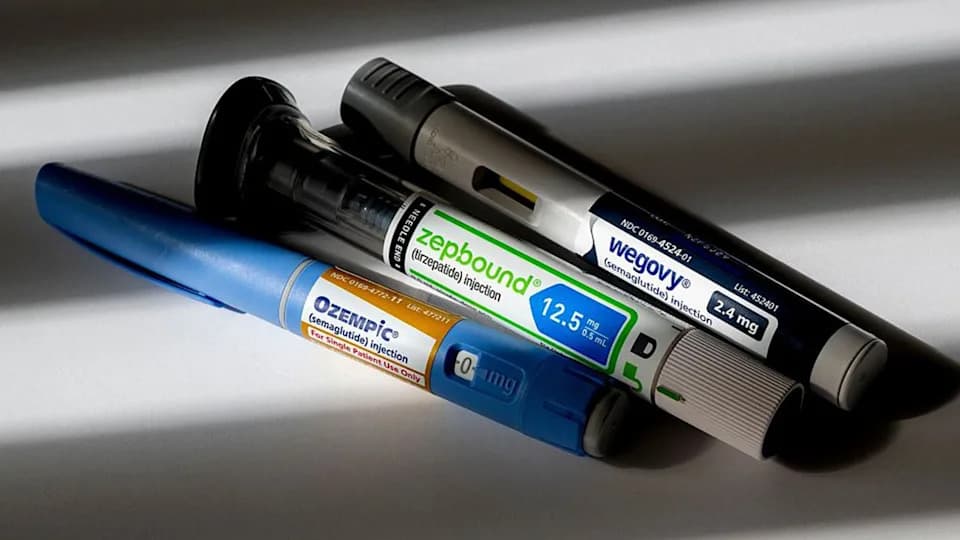
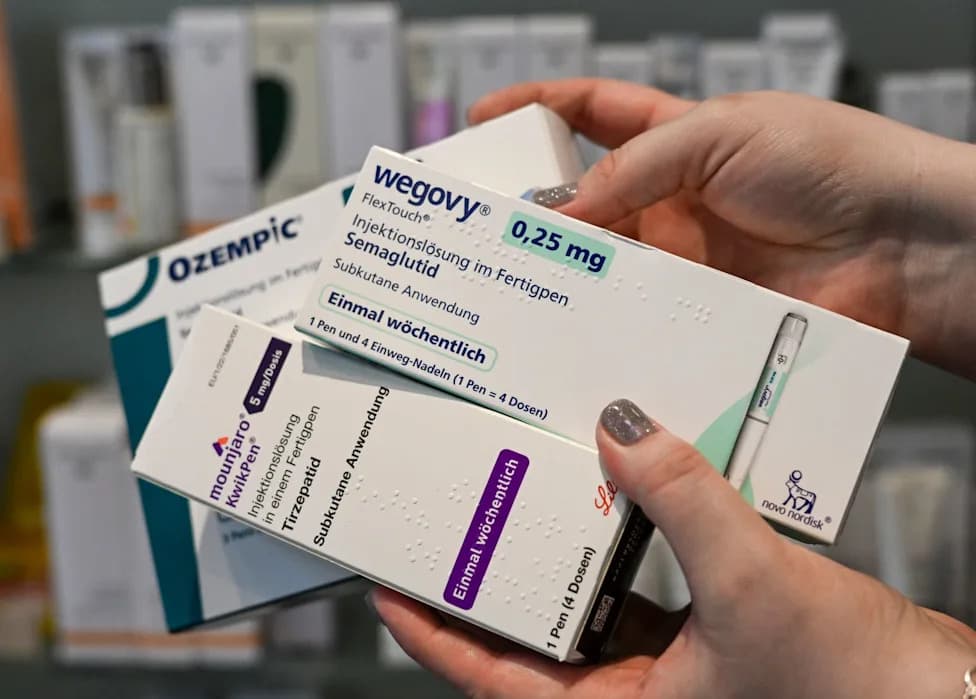
Researchers analyzed data from over 157,000 older adults with obesity but without diabetes and found that users of GLP‑1 therapies (liraglutide, semaglutide, tirzepatide) had an estimated 18% lower risk of developing age‑related macular degeneration compared with users of other weight‑loss drugs. The reduction rose to about 30% for unspecified AMD cases; no association was seen for wet AMD and the reduced risk for dry AMD was not statistically significant. The authors emphasize that the study is observational, follow‑up was short, and further prospective and mechanistic studies are needed.
Study Finds GLP‑1 Weight‑Loss Drugs Linked With Lower Risk Of Age‑Related Macular Degeneration

(Maria Korneeva/Moment/Getty Images)
New observational research suggests that GLP‑1 receptor agonists, a class of drugs increasingly used for weight management, may be associated with a reduced risk of age‑related macular degeneration (AMD) in older adults with obesity. The study, published in Diabetes, Obesity and Metabolism, analyzed data from a large matched cohort and highlights a possible protective signal that requires further confirmation.

YouTube Thumbnail
Study Details
The analysis, led by Cheng‑Hsien Hung of Chung Shan Medical University (Taiwan), examined records for more than 157,000 matched patients aged 60 or older who had obesity but did not have diabetes. Participants were split into two roughly equal groups: about 79,000 people who started GLP‑1 therapies (liraglutide, semaglutide, or tirzepatide) for weight management, and about 79,000 who began other non‑GLP‑1 weight‑loss medications.

In the study, GLP–1 usage was associated with an estimated 18 percent lower rate of developing AMD over time. (imyskin/Canva)
Main Findings
Over the follow‑up period, GLP‑1 users experienced a lower incidence of AMD compared with the non‑GLP‑1 group. Overall GLP‑1 use was associated with an estimated 18% reduction in the risk of developing AMD within the study window. For cases where the AMD subtype in the data was unspecified, the estimated reduction rose to about 30%.

Subscribe to ScienceAlert's free fact-checked newsletter
The investigators did not find a clear association between GLP‑1 use and the wet (exudative) form of AMD. There was a trend suggesting reduced risk for dry (nonexudative) AMD, the more common subtype, but that trend did not reach statistical significance.
Possible Explanations And Limitations
The authors propose two nonexclusive explanations: a direct retinal neuroprotective or anti‑inflammatory effect of GLP‑1 receptor agonists (for example, through suppression of the NLRP3 inflammasome), or an indirect effect mediated by greater weight loss in GLP‑1 users compared with other therapies. Weight loss itself reduces systemic inflammation and oxidative stress, which could plausibly lower AMD risk.
Because the study is observational, it cannot prove causation. The authors note that the median follow‑up was relatively short: about 1 year for GLP‑1 users and 2.5 years for the comparison group, and they call for mechanistic experiments and prospective longitudinal studies to confirm and characterize the finding.
What This Means For Patients
These results are intriguing but preliminary. Clinicians and patients should not change treatments based on this single observational study. Decisions about GLP‑1 therapy should continue to be guided by approved indications, individual risks and benefits, and shared decision‑making. Further randomized and mechanistic research is needed to determine whether GLP‑1 drugs have a true protective effect on the retina, or whether observed differences are driven by weight loss or other confounding factors.
Study citation: Cheng‑Hsien Hung et al., Diabetes, Obesity and Metabolism.
Help us improve.