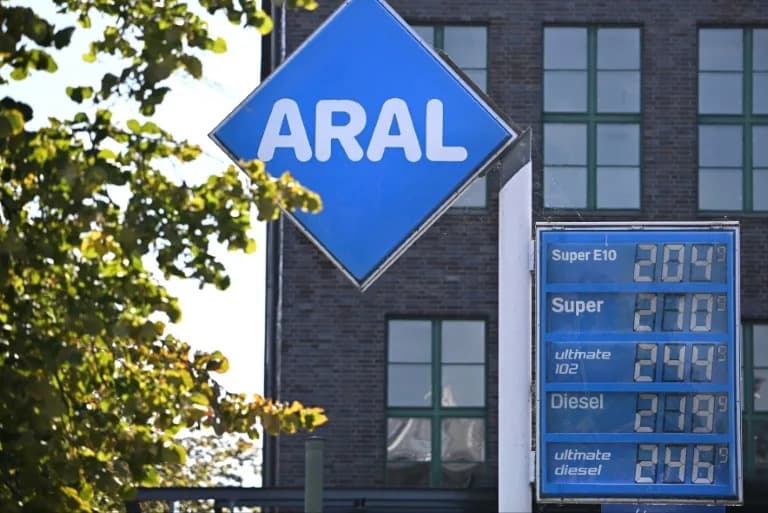
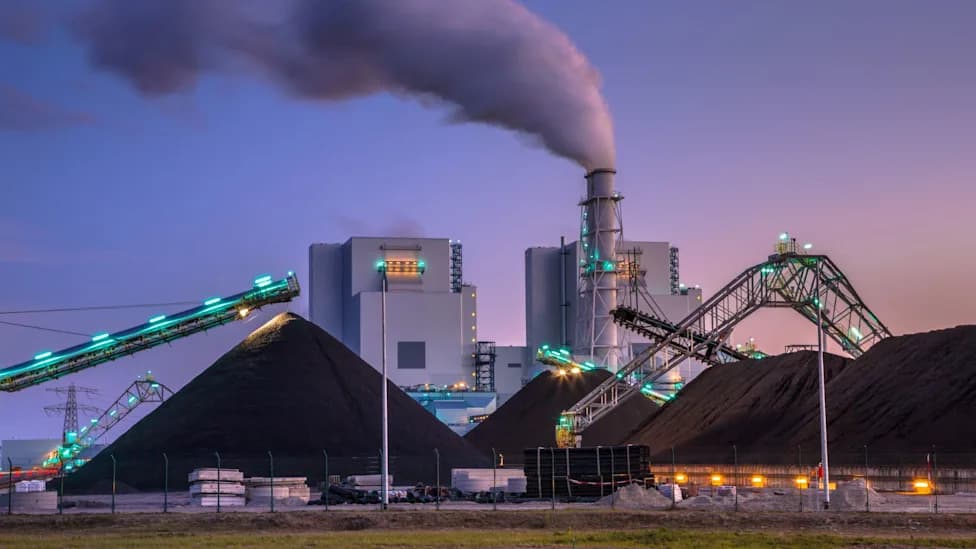
Australia directed AU$16.3 billion (about US$10.7 billion) in subsidies to coal, oil and gas in 2025–26, a 9.4% rise from the prior year, according to the Australia Institute. The fuel tax credit scheme — roughly AU$10.8 billion — was the largest single support and mainly benefited mining companies. Critics from unions, industry and economists, including Joseph Stiglitz, say the payments slow electrification and conflict with Australia’s international commitments. Householders can adopt rooftop solar, batteries and EVs to reduce exposure to fuel prices, but broader decarbonisation will hinge on policy reform.
AU$16.3 Billion To Fossil Fuels In 2025–26 — Critics Say Subsidies Are Slowing Australia’s Clean-Energy Shift
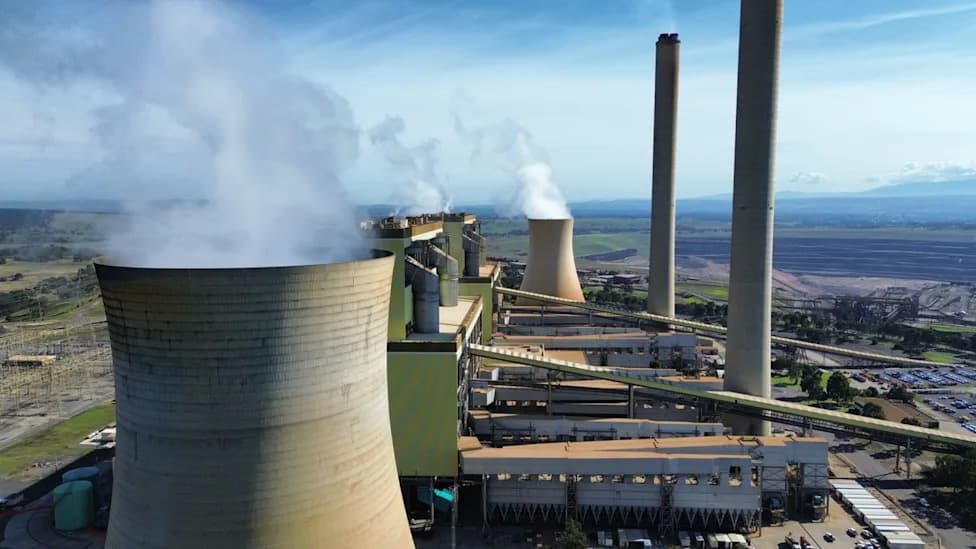
Photo Credit: iStock
The Australian government handed AU$16.3 billion (about US$10.7 billion) in subsidies to coal, oil and gas companies in the 2025–26 financial year, according to new analysis from the Australia Institute. That figure represents a 9.4% increase on 2024–25 and works out to roughly AU$31,000 every minute being directed to fossil fuels.
The largest single item identified was the fuel tax credit scheme, estimated at about AU$10.8 billion for 2025–26, with mining firms among the main beneficiaries. Observers say this level of support undermines Australia’s stated climate ambitions and slows investment in cleaner technologies.
What Experts and Critics Are Saying
A YouTube explainer by The Electric Viking (@electricviking), drawing on the Australia Institute report, framed the subsidies as a key reason the energy transition is proceeding too slowly. The video and subsequent discussions have drawn commentary from unions, industry leaders and economists.
“You cannot subsidize the old technology by $10 billion a year and then wonder why that new technology is taking its time getting here,” The Electric Viking said.
Pressure for reform is not limited to environmental campaigners. The Australian Council of Trade Unions, the chair of the Climate Change Authority and miner Fortescue have all called for changes to major fossil-fuel supports. Economists, including Nobel laureate Joseph Stiglitz, have urged policymakers to “follow the money” — suggesting higher taxes on resource extraction as one approach.
Budget, Climate and Household Impacts
Critics warn that billions in public money flowing to fossil-fuel firms can slow electrification and deployment of renewables, battery storage and electric vehicles. A slower transition risks prolonged exposure to volatile fuel markets, higher greenhouse-gas emissions and fewer public funds for services or investments that could reduce energy costs over time.
Householders can still reduce exposure to fuel prices through rooftop solar, home batteries and electric vehicles, but large-scale decarbonisation will depend heavily on national policy choices and subsidy reform.
“If you want to know what a government actually believes, don't listen to what it says — look at where the money goes,” The Electric Viking added.
International Commitments and the Political Debate
At international climate talks in Brazil, Australia signed a declaration recognizing the need to phase out inefficient fossil-fuel subsidies, even as total support levels continue to climb. The growing public debate — reflected in online commentary, union demands and industry statements — has put subsidy reform squarely on the agenda ahead of future policy decisions.
Bottom line: The Australia Institute concludes that fossil-fuel subsidies both harm the federal budget and contribute to worsening climate outcomes. The scale and growth of those subsidies are prompting calls from a wider set of voices for a rethink of how Australia supports its energy sector.
Help us improve.