Park rangers confirmed that on August 2 a cub of first-time mother "Bear 335" was killed by another female brown bear downstream from the Riffles platform at Katmai National Park. The cub climbed into a tree occupied by three other cubs; the defending mother pulled the intruder out and fatally injured it. Rangers recovered the carcass and removed it from Brooks River. The incident follows a similar recent killing captured on a livestream, and park staff say maternal "intolerance" has increased, with spring cub survival estimated at 33%–50%.
Second Bear Cub Killed in Days at Alaska’s Katmai National Park
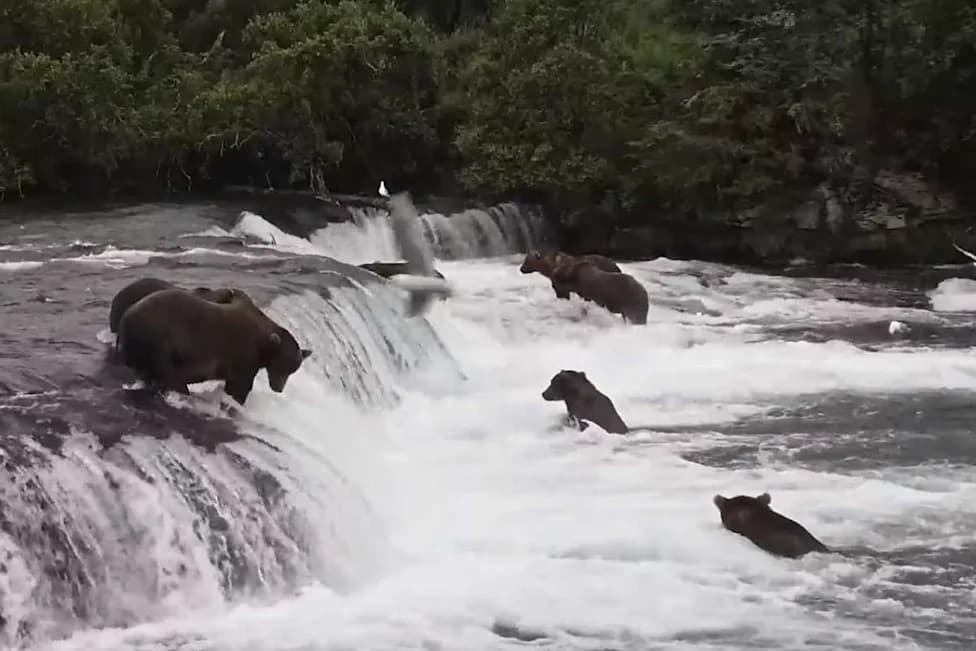
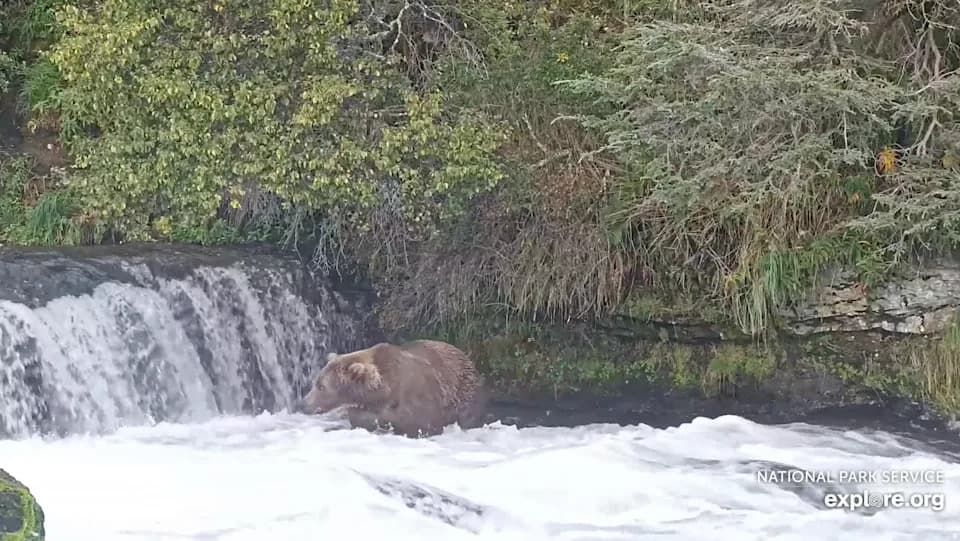
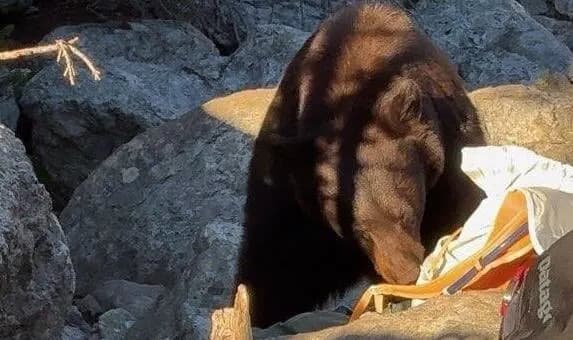
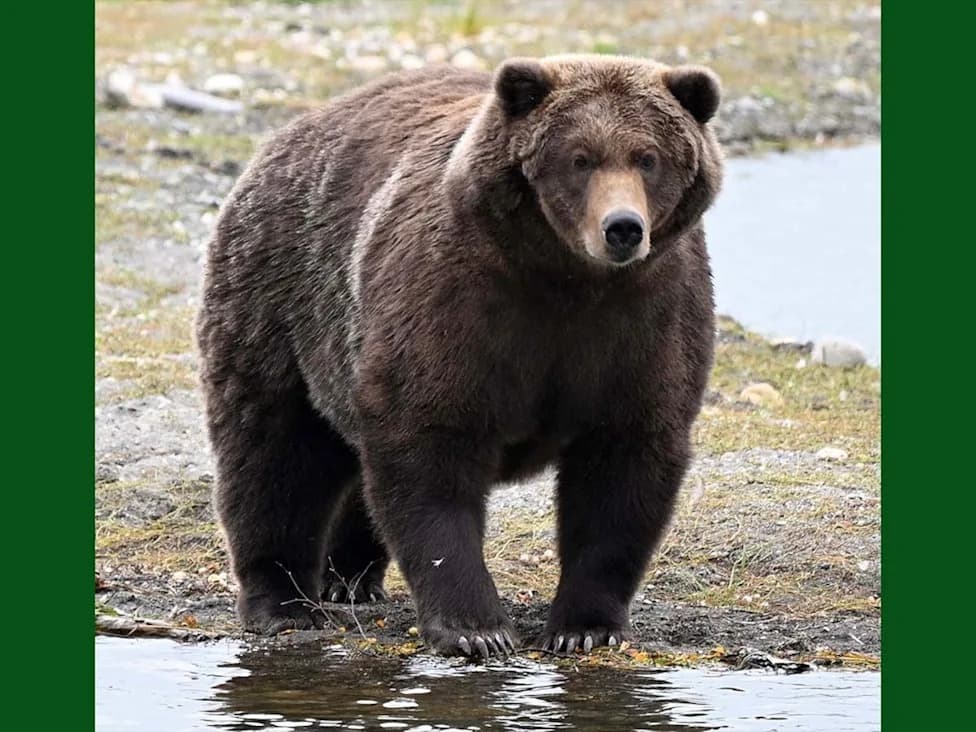
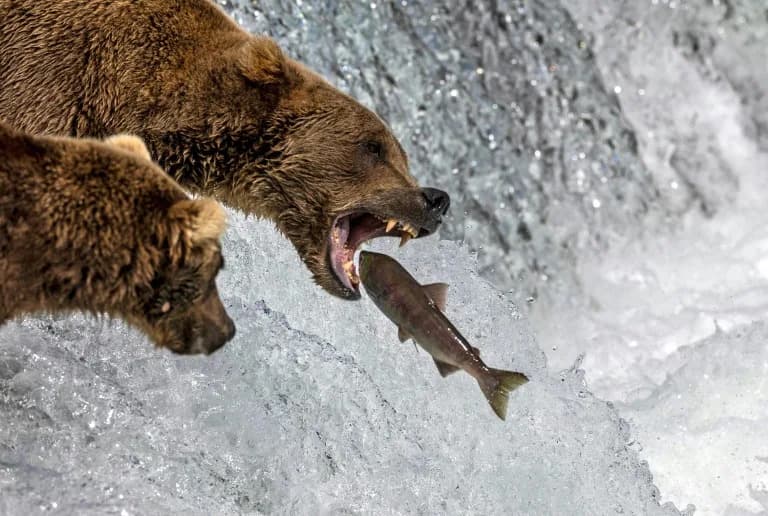
A photo of bears at Katmai National Park.Credit: NationalParkService.org
Park rangers confirmed that on August 2 a cub of first-time mother "Bear 335" (nicknamed "Jolly") was fatally attacked by another adult female brown bear at Katmai National Park, Alaska. The confrontation occurred downstream from the Riffles platform, in an area not covered by the park's popular livestream cameras, and was reported after visitors recorded video of the incident.
What Happened
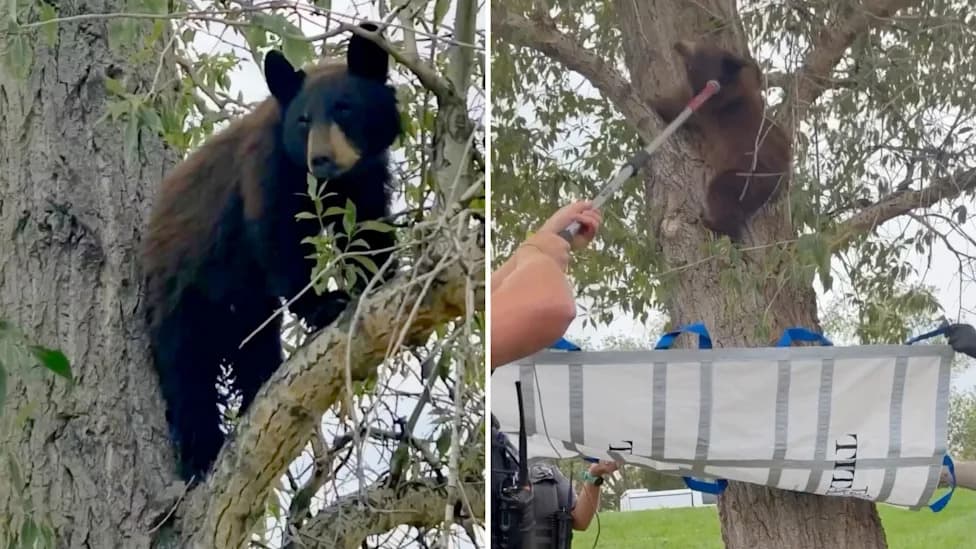
According to park staff, three cubs belonging to a different female were perched in a tree when one of Bear 335's cubs climbed up to join them. The defending mother followed, pulled the intruding cub from the tree and inflicted serious injuries. Rangers later recovered a carcass and removed it to a remote location.
“Unfortunately the cub did pass,” Ranger Sarah Bruce said in a livestream. She explained that removing deceased bears from the Brooks River area is routine because carcasses can endanger people and other animals and can create problematic situations along the river.
Context And Recent Incidents
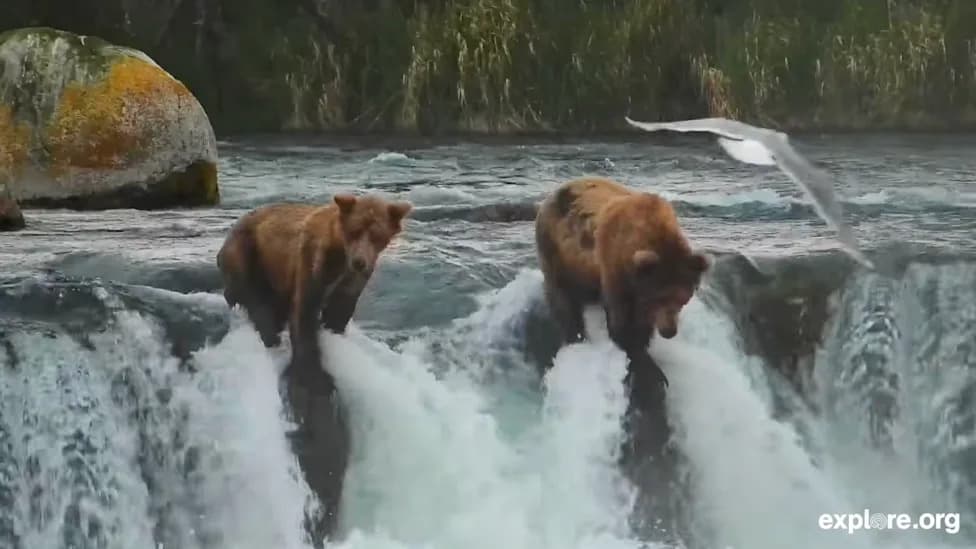
This incident follows a similar event days earlier in which an adult identified as "Bear 806" fatally attacked a cub of "Bear 909," an event captured on Explore.org’s livestream. Park staff say they have observed increased maternal "intolerance" among sows in the Brooks River area recently.
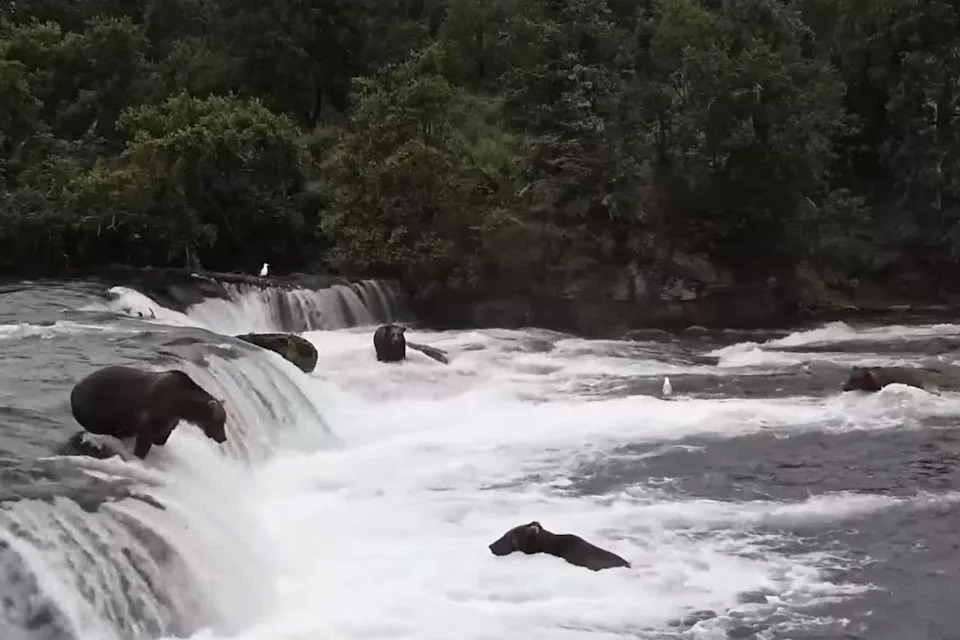
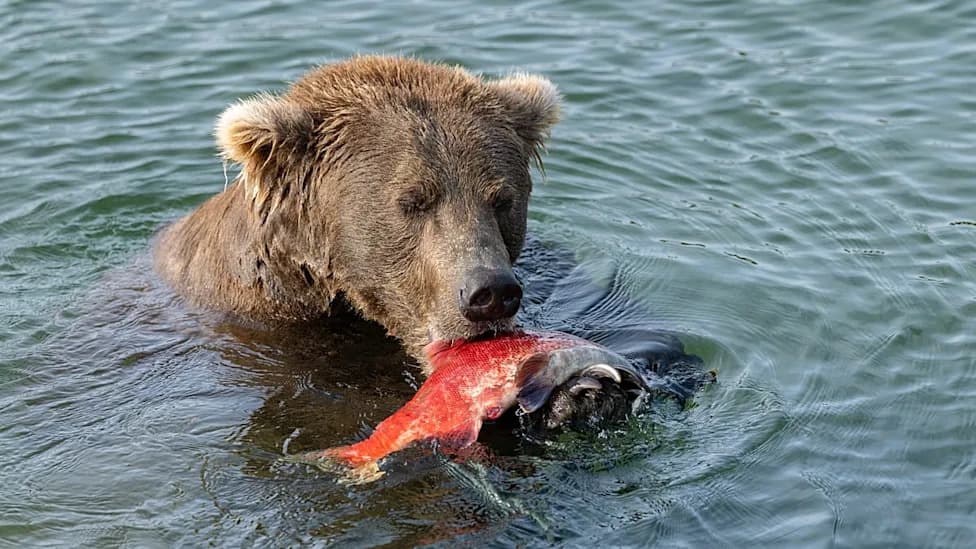
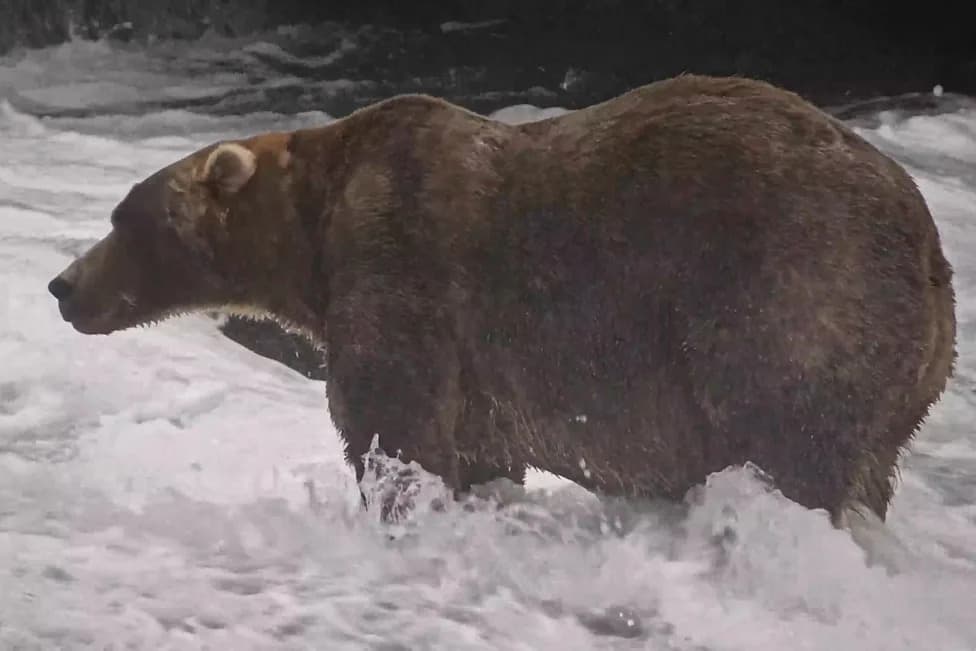
A photo of brown bears at Katmai National Park in Alaska.Credit: NationalParkService.org
Bruce estimated Bear 335 is about six years old and a first-time mother. She remained in the area with her two surviving cubs and has been observed pacing, huffing and searching the riverbank—behaviors consistent with a sow that may be grieving before she eventually moves on.
Park Management And Survival Rates
Rangers noted there were "at least 25 spring cubs" in the Brooks River area a few days ago, though that number may have changed. Park staff estimate spring cub survival at Katmai is roughly 33%–50%, reflecting the harsh realities of life in the wild. Katmai manages wildlife without human intervention; the webcams provide an unfiltered view of natural behavior, including both joyful and difficult moments.
Why Rangers Remove Carcasses: Removing a deceased bear from the Brooks River helps reduce human-bear conflicts, prevents scavenging that could concentrate bears near visitor areas, and preserves safety for both people and animals.
Reporting credits: Katmai National Park staff, ranger Sarah Bruce, Explore.org livestreams and local reporting on recent incidents.
Help us improve.