Bear 910 and Backpack (Bear 89) are the finalists in Katmai National Park's Fat Bear Week, with public voting ending Tuesday evening. The 12th annual contest highlights roughly 2,200 brown bears and how they gorge on returning salmon to build fat reserves for hibernation. The bracket began with 16 bears and included five family groups — organizers say "fat bears are successful bears." Watch live on explore.org and vote at www.fatbearweek.org.
Final Fat Bear Face-Off: Bear 910 vs. Backpack in Katmai's Fat Bear Week
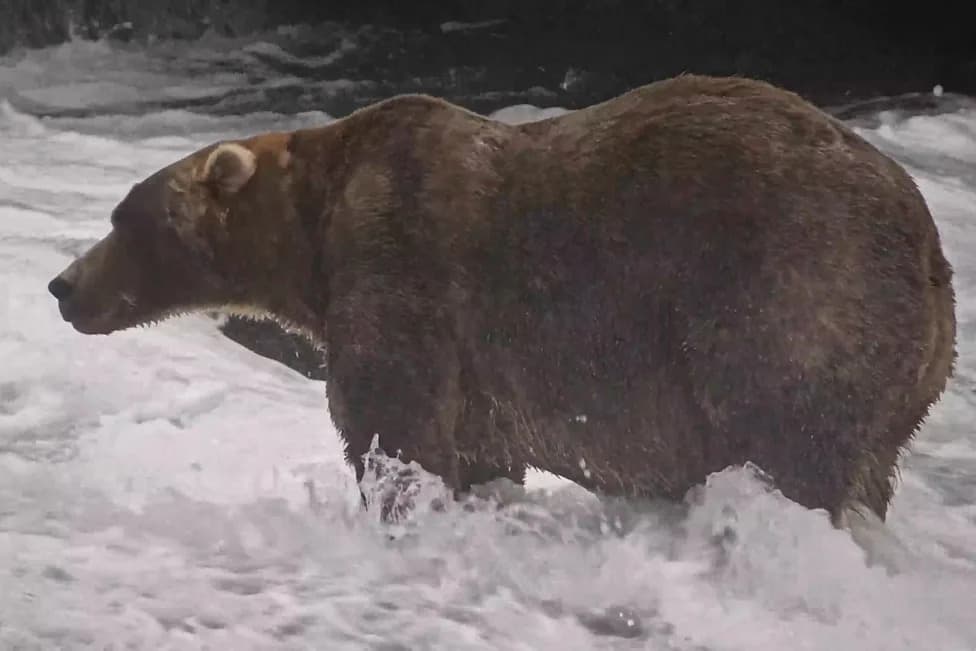
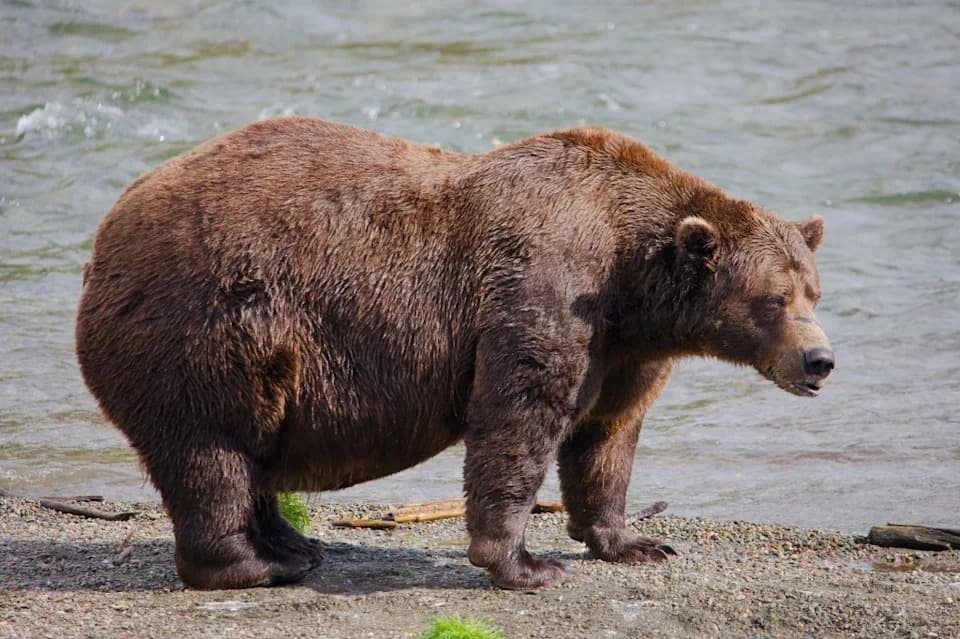
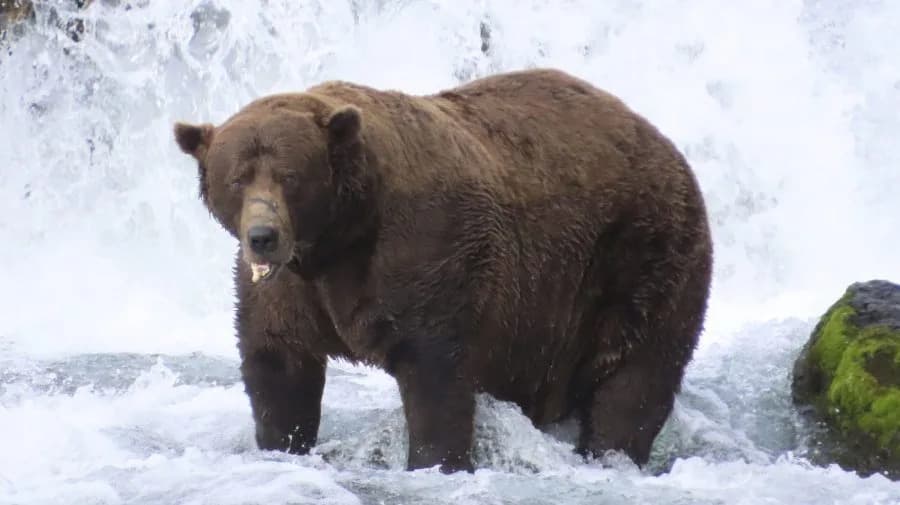
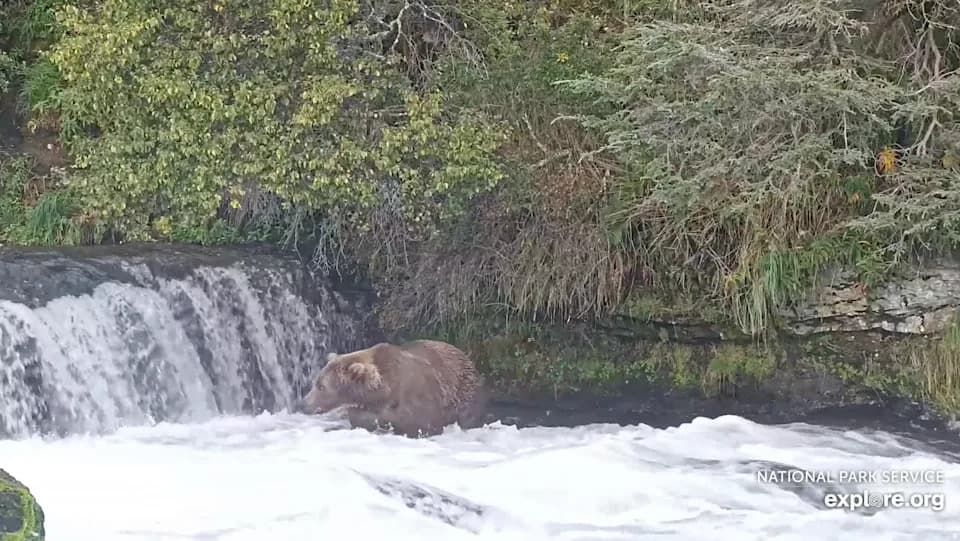
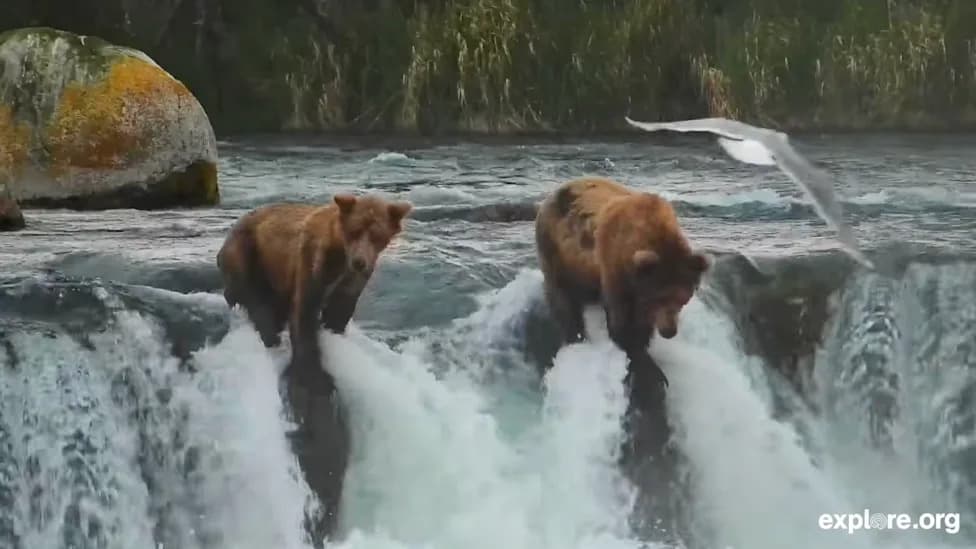
This image from video provided by explore.org shows a brown bear known as "Backpack," officially named Bear 89, wading through Brooks River on Sept. 8, 2026, in the Katmai National Park and Preserve in Alaska. (explore.org via AP)(explore.org via AP)
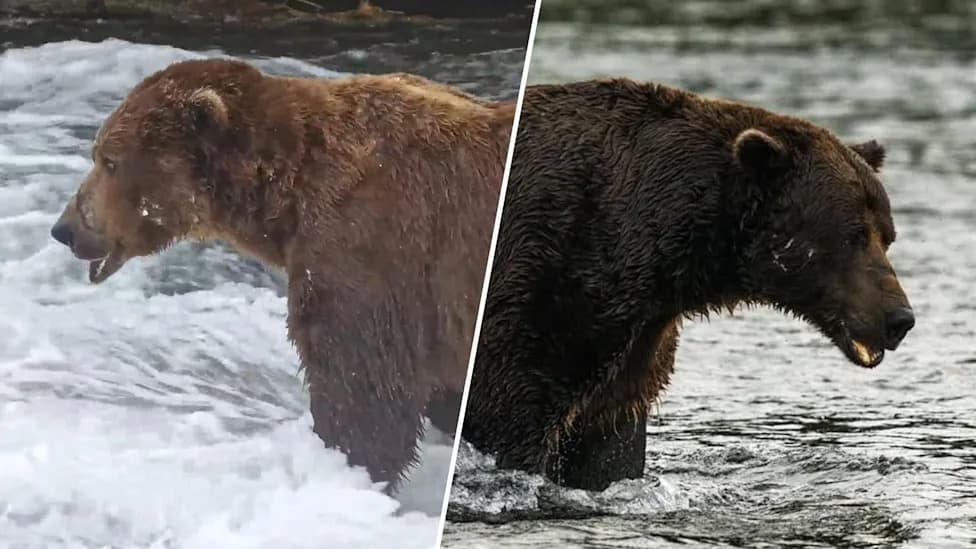
After a week of online voting, two heavyweights — Bear 910 and Backpack (Bear 89) — have reached the final round of Katmai National Park and Preserve's annual Fat Bear Week. The public will choose the champion when voting closes Tuesday evening.
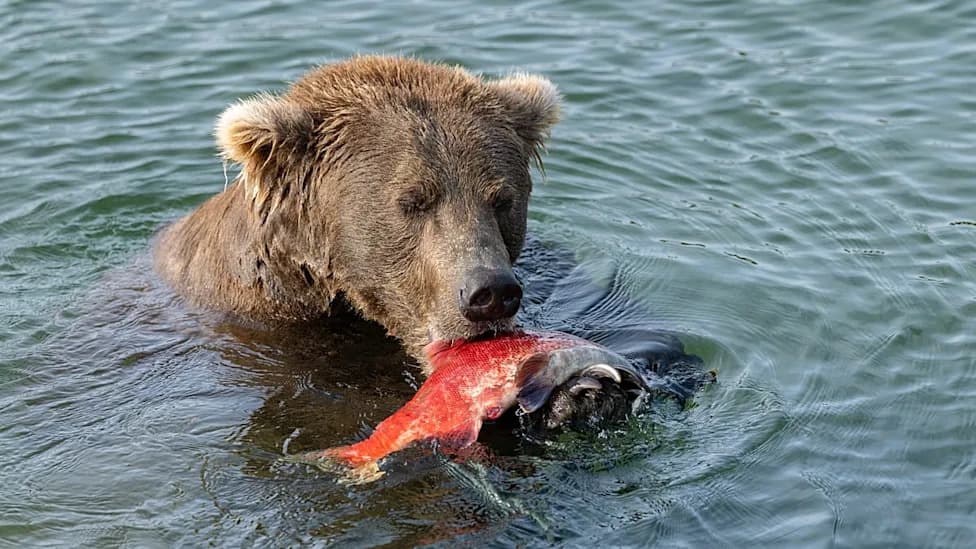
The 12th annual tournament celebrates the endurance and seasonal feeding success of roughly 2,200 brown bears that inhabit the Alaska Peninsula. Launched in 2014, Fat Bear Week is an interactive public education event that highlights how these coastal brown bears bulk up on salmon to survive winter hibernation.
This year’s single-elimination bracket began with 16 contenders. Last year's champion, Chunk (Bear 32), estimated at about 1,200 pounds, was eliminated in the opening round by Bucky, who then lost to Backpack. Voting runs at www.fatbearweek.org, and viewers can watch the bears live on explore.org's livestream cameras before casting their votes.
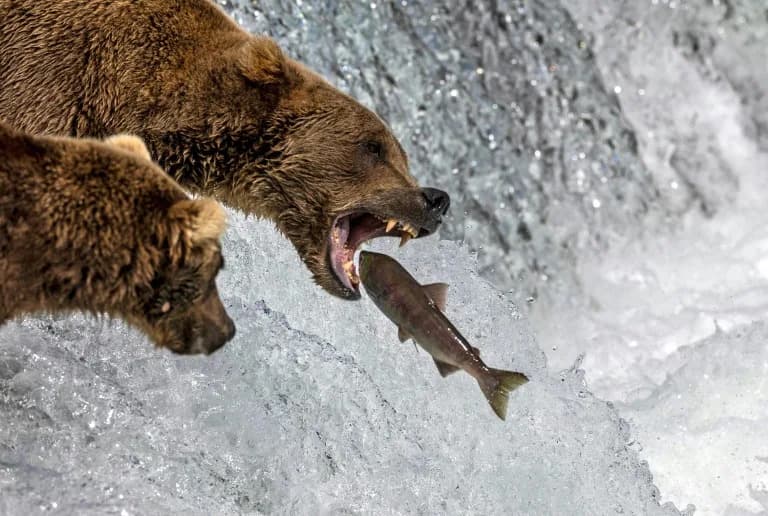
"Fat bears are successful bears," organizers say, explaining that Brooks River's abundant returning salmon allow the bears to gorge and build essential fat reserves.
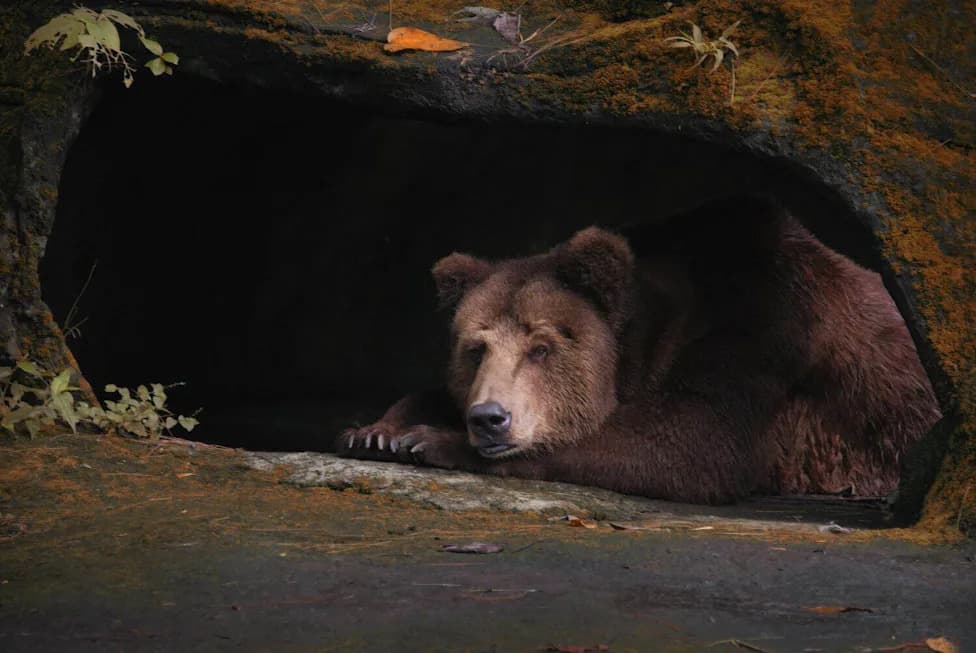
Typical adult male brown bears weigh between 600 and 900 pounds (about 270–410 kg) in midsummer; large males can exceed 1,000 pounds (454 kg) before hibernation. Females are roughly one-third smaller. During peak feeding season some bears may eat as many as 30 salmon a day as they attempt to consume most of their annual calories within roughly six months. During winter hibernation bears neither eat nor drink and can lose about one-third of their body weight.
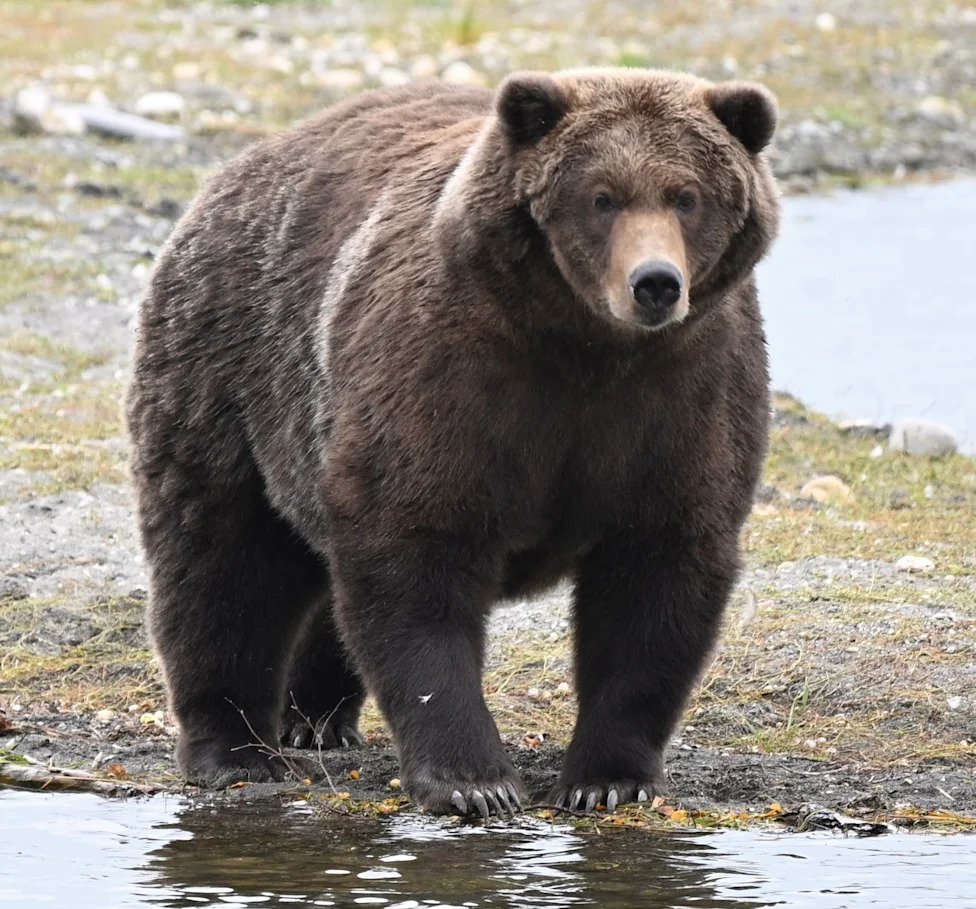
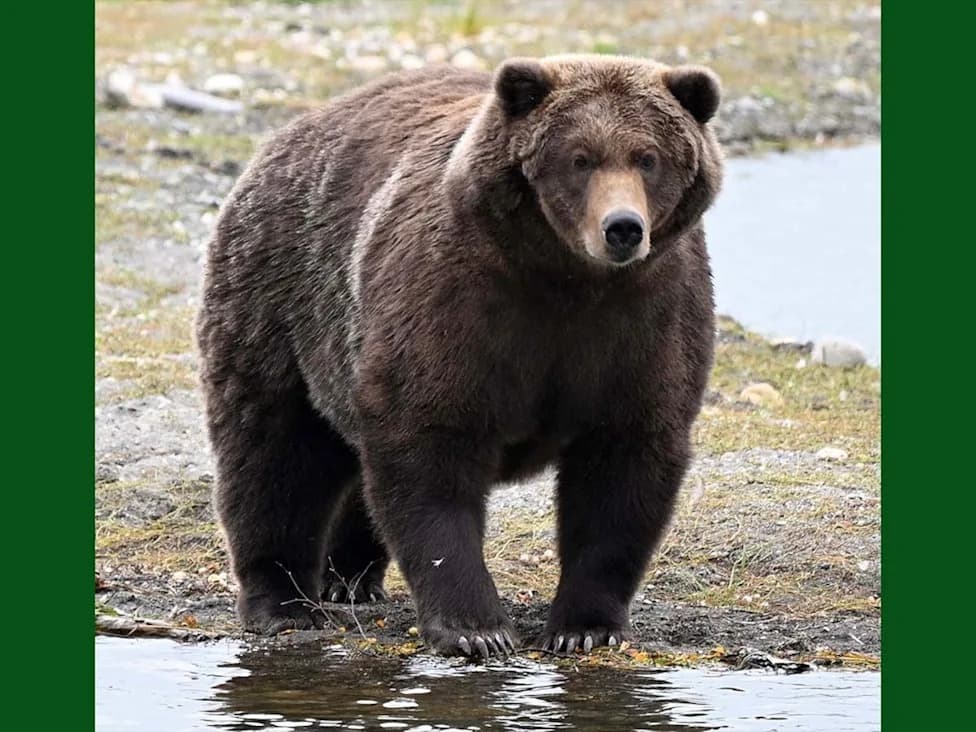
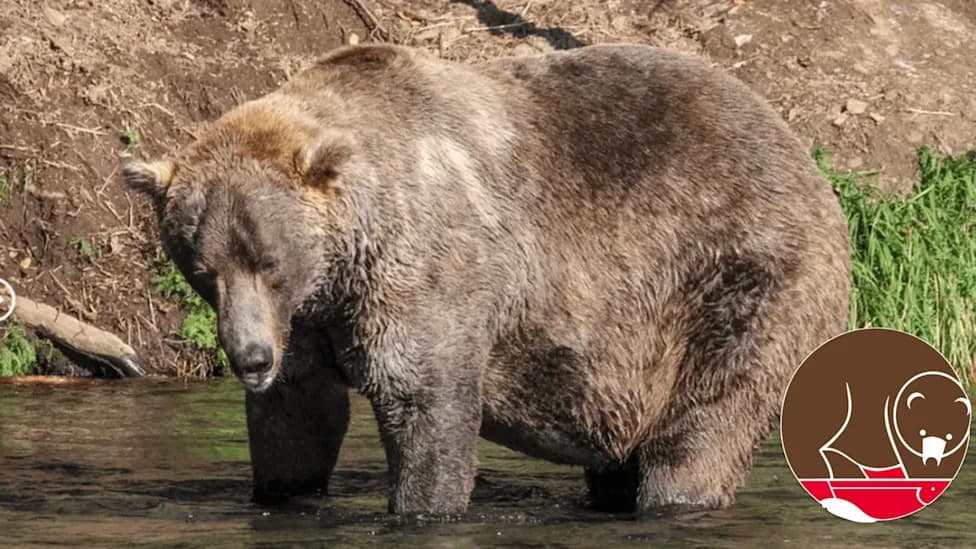
This Sept. 9, 2026 photo provided by the National Park Service shows Bear 910 standing along the Brooks River in Katmai National Park and Preserve in Alaska. (C. Loberg/National Park Service via AP)(National Park Service via AP)
Backpack is the son of former champion Holly and was first brought to Brooks River as a first-year cub in 2006. He earned his nickname for climbing onto his mother's back while swimming and is noted for a relatively gentle demeanor toward other bears. Bear 910 is a daughter of past champion 409 Beadnose; her profile notes a distinctive habit of frequent "head lifts" that helps observers identify her.
This year's field also recognized five bear families to reflect a record number of mothers and cubs using Brooks River. Mothers face the dual challenge of feeding and protecting cubs while also building enough fat to survive hibernation. Bear 132 and her three spring cubs advanced to the semifinals before losing to Bear 910; earlier this summer one of Bear 132's cubs briefly became separated from the group before being reunited.
Organizers will declare the final winner Tuesday evening after polls close. For live viewing and to vote, visit www.fatbearweek.org.
Associated Press writer Jamie Stengle contributed from Dallas.
Help us improve.