The Democratic Socialists of America has expanded into the largest socialist organization in the U.S., reporting more than 100,000 members and chapters in every state. Its Workers Deserve More platform calls for universal healthcare, tuition-free higher education, a shorter workweek, stronger labor rights, and bold political reforms like changes to the Senate and Electoral College. While many DSA-backed candidates run as Democrats, the group itself is a membership organization—not a political party—and many of its proposals would require major legal or constitutional changes. The DSA’s rise has reshaped progressive debates and drawn strong criticism from political opponents.
What to Know About the Democratic Socialists of America: Growth, Goals, and Controversies
What to Know About the Democratic Socialists of America
The Democratic Socialists of America (DSA) has grown from a relatively small activist group into one of the most visible forces on the American left, backing and helping elect a number of progressive officials.
What Is the DSA?
The DSA is the largest socialist organization in the United States, reporting more than 100,000 members and active chapters in all 50 states. It is a membership-based political organization—not a political party—and it is not formally part of the Democratic Party. The group endorses candidates, advocates policy priorities, and mobilizes volunteers to support like-minded campaigns.
Ideology and Internal Diversity
The organization is ideologically diverse. Members range from pragmatic organizers focused on winning elections to activists and factions that identify with democratic socialism or Marxist perspectives. As the DSA has expanded, debates within the group have intensified over strategy: whether to work primarily inside the Democratic Party or to pursue an independent path; and whether endorsements should be limited to candidates who explicitly embrace democratic socialism or broadened to Democrats who support many of the DSA’s priorities.
Platform: "Workers Deserve More"
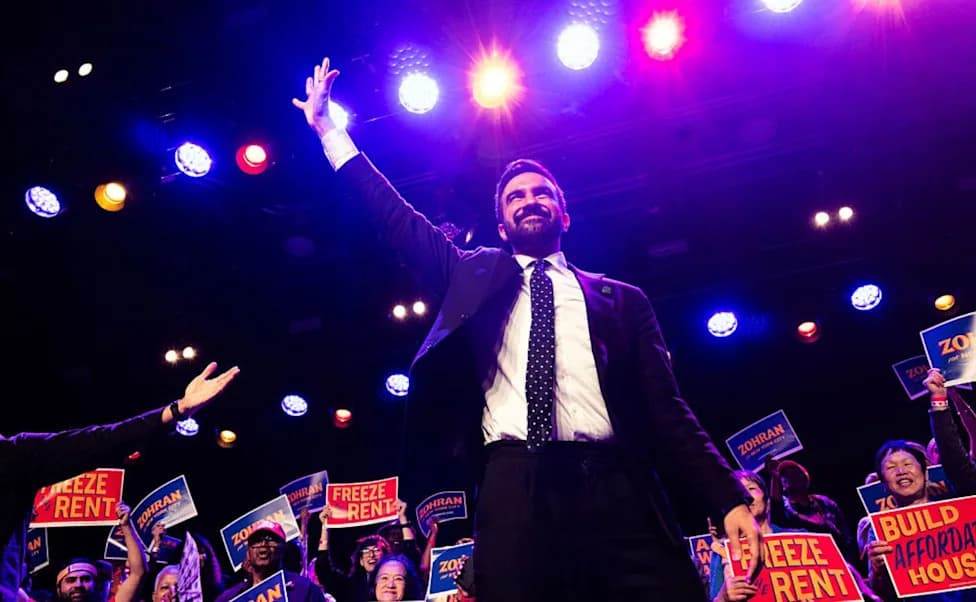
In its Workers Deserve More platform (launched July 14), the DSA outlines an expansive progressive agenda. Key policy proposals include universal healthcare, affordable housing, tuition-free higher education, a 32-hour workweek with full pay and benefits, paid family leave, higher taxes on the wealthy, and aggressive climate action. The platform also calls for stronger labor rights and greater public ownership or democratic control in key sectors of the economy.
Institutional, Foreign Policy, and Immigration Proposals
The platform includes sweeping political reforms—some highly ambitious—that would require major legal or constitutional changes. These proposals range from abolishing the Senate and the Electoral College to expanding the House of Representatives, encouraging a multiparty system, and instituting publicly funded elections with tighter limits on lobbyists and undisclosed political spending.
On foreign policy and immigration, the DSA platform advocates abolishing Immigration and Customs Enforcement (ICE), significantly reducing Pentagon funding, closing many overseas military bases, and curbing U.S. military involvement abroad.
Political Influence and High-Profile Endorsements
The DSA has raised the profile of progressive candidates in recent years. Notable figures who have been associated with or endorsed by the organization include Rep. Alexandria Ocasio-Cortez, Rep. Rashida Tlaib, and other elected officials who identify with its platform. The group’s endorsements have helped some candidates win competitive races, while in other cases relationships have frayed and endorsements have been withdrawn amid policy disputes.
Public Awareness and Criticism
Public familiarity with democratic socialism and the DSA remains mixed. A CNN poll released July 30 found that about one-third of Democrats identify as democratic socialists, while a Reuters/Ipsos survey published two days earlier reported that roughly 47 percent of Americans said they did not understand democratic socialist policies. Many Republican leaders have criticized the DSA’s agenda, characterizing it as radical or extreme, while supporters argue it addresses long-standing economic and political inequalities.
Outlook
Many of the DSA’s proposals face steep legal and political hurdles, especially those that would require constitutional amendments or large-scale institutional reforms. Still, the organization’s growth and electoral activity have made it an increasingly consequential voice on the progressive left, shaping debates about healthcare, labor rights, climate policy, and the role of public institutions.
Note: The DSA is one strand within a broader progressive movement. Many politicians and voters support similar policy goals without formally identifying as democratic socialists or joining the organization.
Help us improve.