Researchers publishing in Geophysical Research Letters report that global warming has accelerated: 2015–2025 warmed at about 0.35°C per decade versus ~0.2°C per decade from 1970–2015. The study used five global temperature datasets and controlled for El Niño, solar and volcanic influences, yielding >98% statistical confidence in the acceleration. Authors warn this pace could push temperatures past the 1.5°C Paris target before 2030 unless CO2 emissions fall rapidly.
Alarm Raised: New Study Finds Global Warming Is Accelerating — 1.5°C Threshold At Risk Before 2030
Shutterstock / Futurism
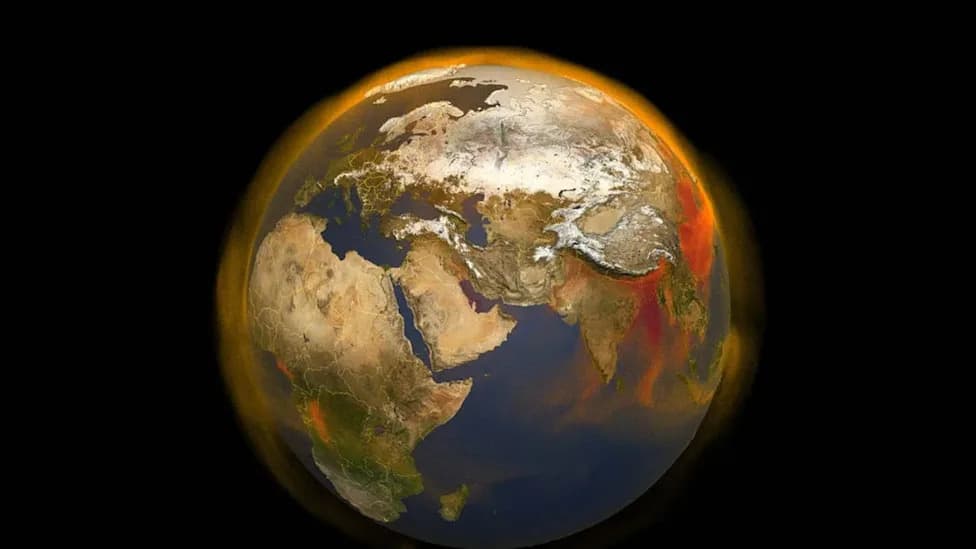
A new study in Geophysical Research Letters finds that global warming is not only continuing — it is speeding up. By analyzing multiple temperature records and filtering out natural variability, the authors report a marked increase in the recent warming rate that could push the world past critical climate thresholds sooner than expected.
The team examined five independent global temperature datasets and statistically adjusted for non-human influences such as El Niño cycles, solar variability and volcanic eruptions to reduce noise in the observational records. Their analysis shows that the warming rate over 2015–2025 averaged about 0.35°C per decade (≈0.63°F per decade), compared with roughly 0.2°C per decade (≈0.36°F per decade) from 1970–2015.
Crucially, the acceleration in the warming rate comes with more than 98% statistical confidence, which the authors describe as the first statistically significant evidence that global warming is accelerating rather than remaining steady.
What the Authors Say
"We filter out known natural influences in the observational data, so that the 'noise' is reduced, making the underlying long-term warming signal more clearly visible," said study co-author and retired statistician Grant Foster.
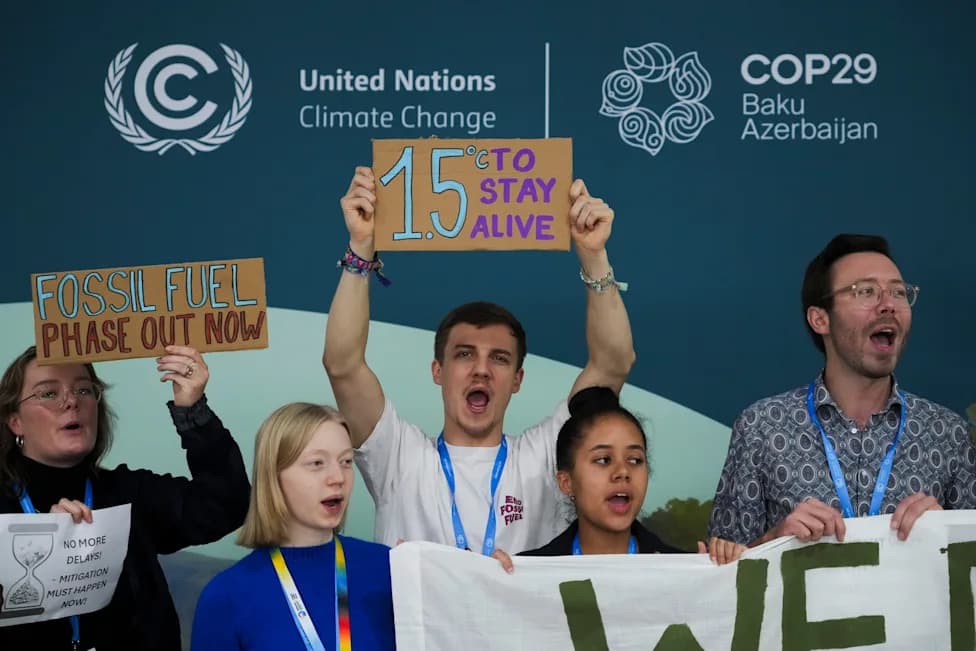
Co-author Stefan Rahmstorf warned in the press release that if the recent rate continues, the world could exceed the 1.5°C limit referenced in the Paris Agreement well before 2030. "How quickly the Earth continues to warm ultimately depends on how rapidly we reduce global CO2 emissions from fossil fuels to zero," Rahmstorf said.
Implications
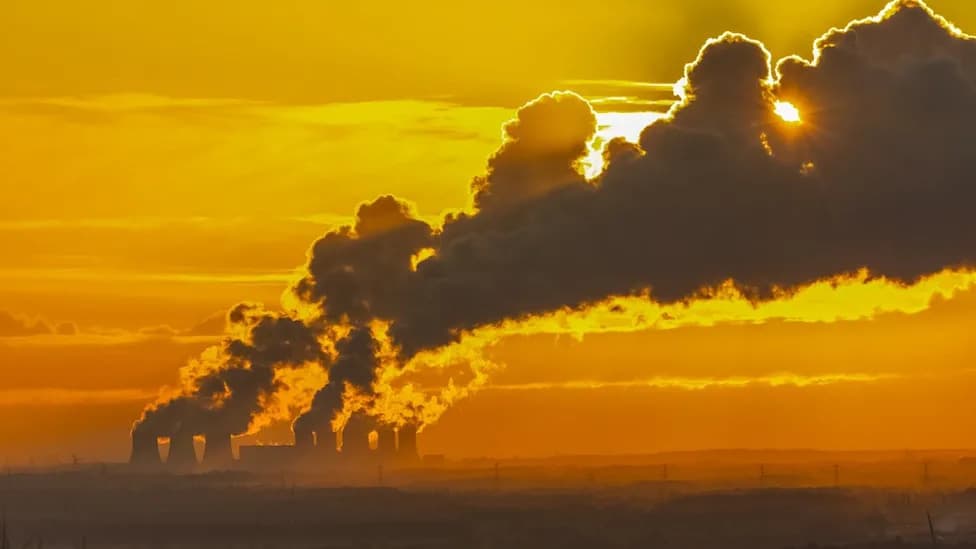
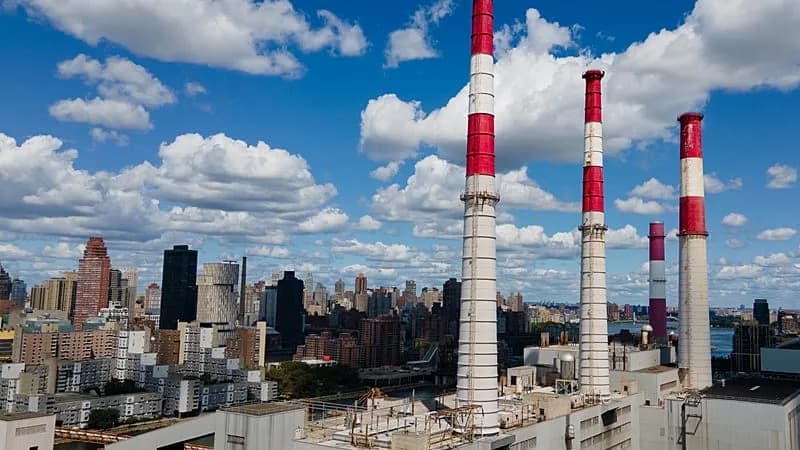
The finding underscores the urgency of rapid emissions reductions. An accelerating warming trend amplifies the risk of surpassing temperature thresholds associated with severe impacts on ecosystems, extreme weather, sea-level rise and human health. While natural variability can mask short-term trends, the study's multi-dataset, adjusted approach strengthens confidence that recent acceleration is a real and concerning signal.
Bottom line: The planet appears to be warming faster now than in previous decades, and sustaining this rate could bring the world past 1.5°C of warming within years unless CO2 emissions are cut rapidly.
Help us improve.