Researchers analyzed an undisturbed, nearly 1,900-year-old block of Roman concrete from Hadrian’s Villa and found evidence that slow internal chemical reactions made the material stronger over centuries. Roman mixes — often containing volcanic ash and lime — promoted long-term mineral growth that healed and reinforced the concrete. Modern concrete focuses on early strength, speed and steel compatibility, but studying ancient techniques may inspire longer-lasting, lower-maintenance mixes for future infrastructure.
What Makes Roman Concrete Last Millennia? New Clues From a 1,900-Year-Old Sample
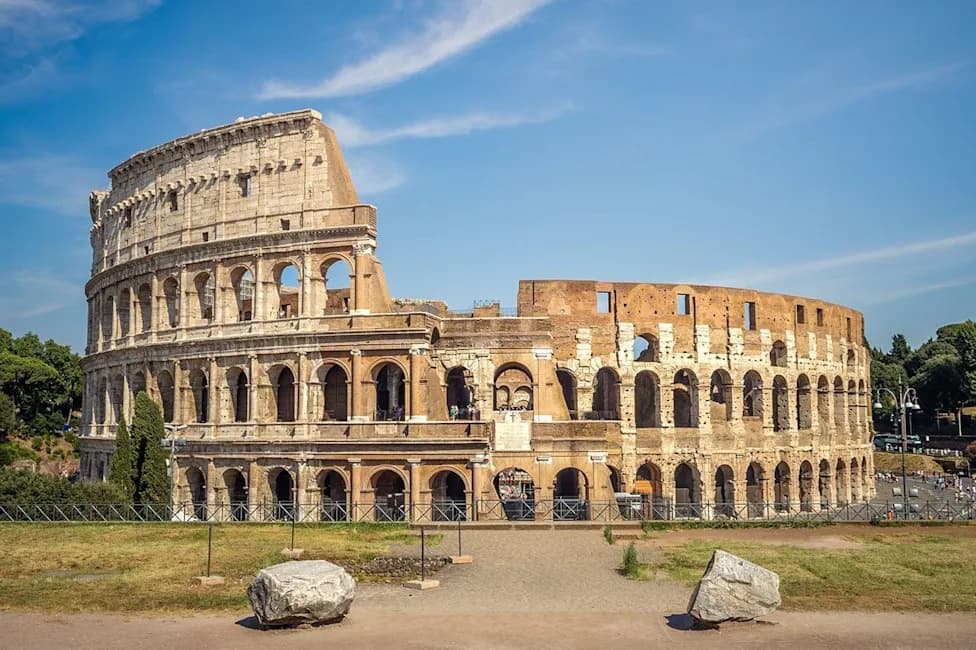
Clement LEONARD/Getty Images
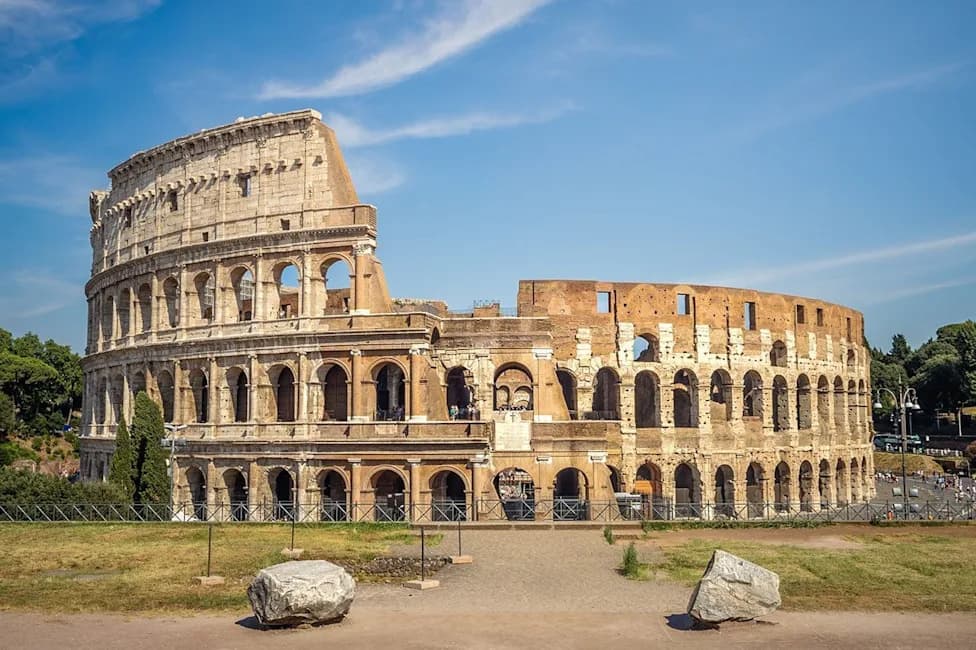
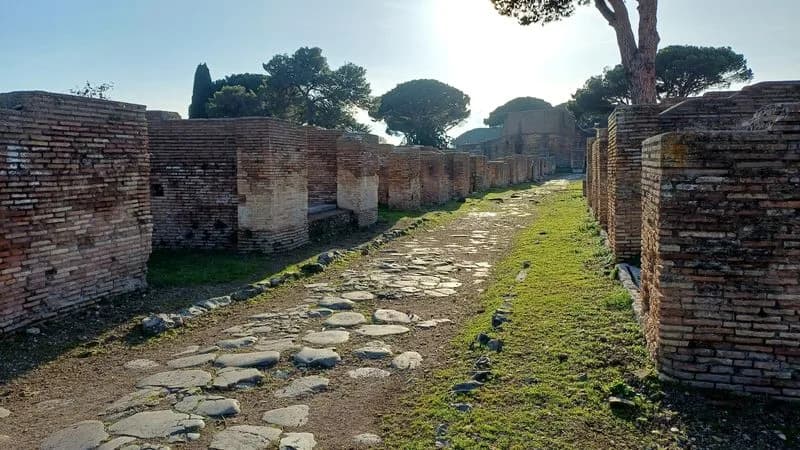
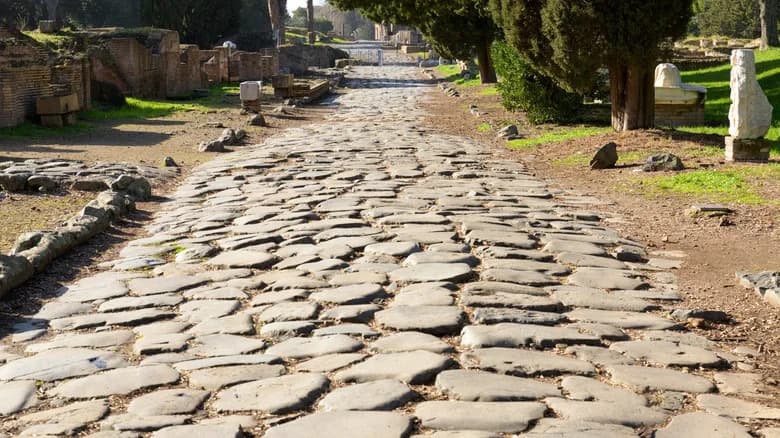
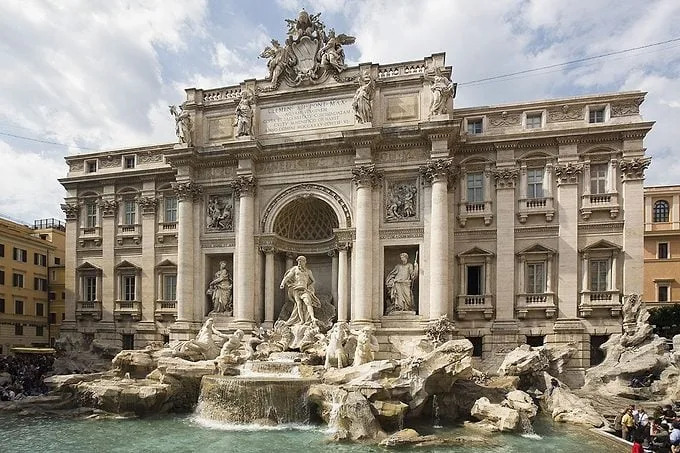
When you walk through ancient cities, it’s easy to focus on the history that happened there and overlook the buildings themselves. Houses, temples, roads, aqueducts and harbors built thousands of years ago have survived centuries of rain, wind, earthquakes, shifting climates and constant wear — a reminder that the materials behind a project matter as much as craftsmanship.
What Researchers Studied
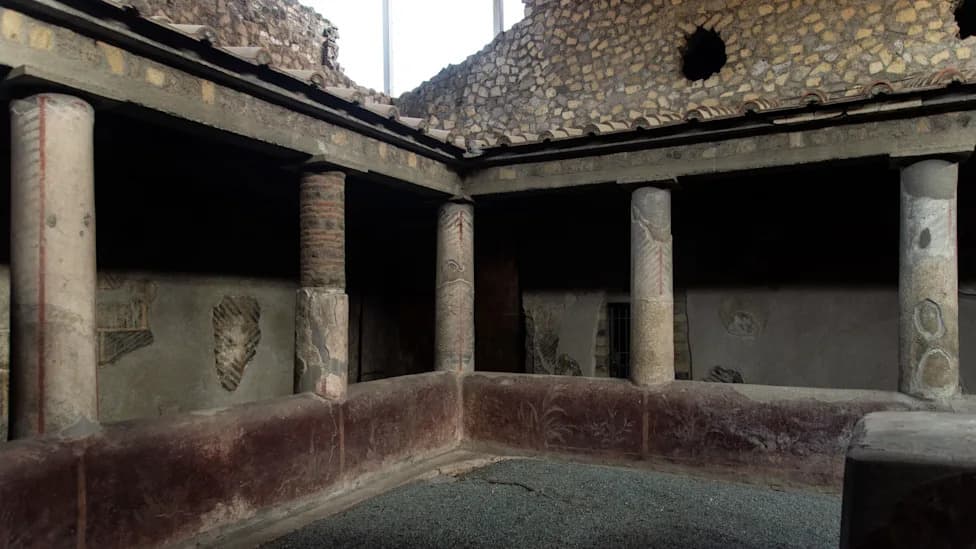
Scientists examined an undisturbed block of Roman concrete from Hadrian’s Villa in Italy that is nearly 1,900 years old. Because the sample was intact and largely untouched by repairs or exposure, researchers had a rare opportunity to observe slow chemical changes that occur in concrete over centuries.
Key Findings
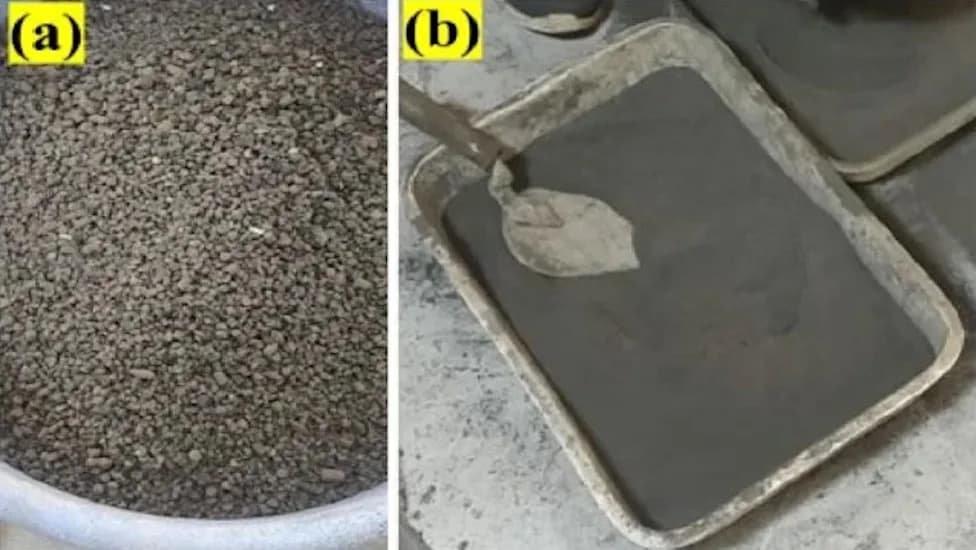
The team’s analysis suggests Roman concrete actually grew stronger with age. Ongoing internal chemical reactions — driven in part by volcanic ash (pozzolanic materials) mixed with lime — continued to alter and reinforce the material over long periods, helping cracks seal and the matrix densify.
“This study shows how exploring ancient engineering techniques can lead to important revelations,” said Paulo J. M. Monteiro, a study co-author and civil engineer at the University of California, Berkeley. “We hope that by unlocking Roman secrets for enhancing concrete durability, we can someday attain sustainable modern infrastructure development.”
Why Modern Concrete Is Different
Modern concrete is formulated to meet different needs: predictable early strength, rapid construction, cost control and compatibility with embedded steel reinforcement. Steel makes modern structures vulnerable to corrosion, a challenge Roman builders seldom faced because they relied on different design and material choices.
Implications For Today’s Construction
Studying ancient mixes may point the way to designs that encourage long-term chemical healing — for example, mixes that naturally seal small cracks or form durable mineral phases over time. If adapted successfully, those approaches could reduce maintenance and extend the service life of roads, bridges, seawalls and buildings.
While modern construction requires different performance trade-offs, the Roman example offers practical ideas for developing more durable, lower-maintenance and potentially more sustainable concrete in the future.
Help us improve.