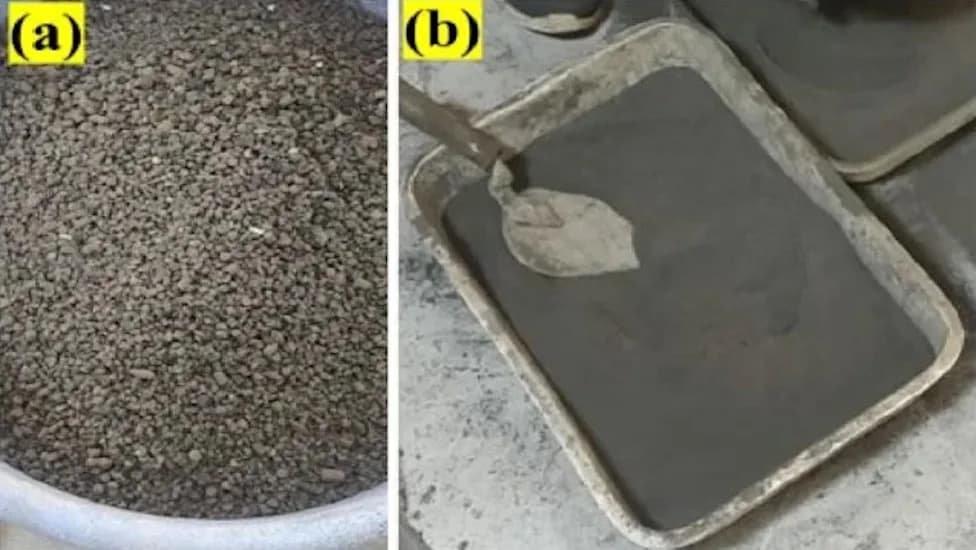
Researchers analyzed an undisturbed, nearly 1,900-year-old block of Roman concrete at Hadrian's Villa and found that internal chemical reactions continued to strengthen the material over centuries. Unlike modern mixes — which prioritize early strength, speed and compatibility with steel reinforcement — Roman recipes relied on long-term mineral formation (often from lime and volcanic ash) that improved durability. Scientists hope to adapt these slow-forming processes to create modern concretes that self-seal cracks, reduce maintenance and extend infrastructure life.
Why Roman Concrete Lasts Millennia — New Clues from Hadrian's Villa
Clement LEONARD/Getty Images
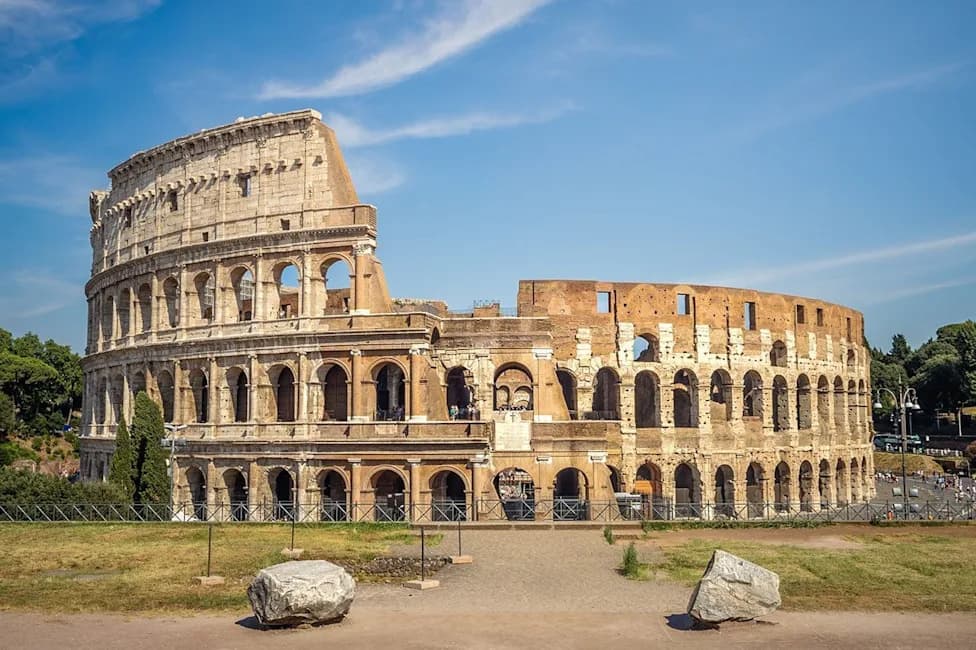
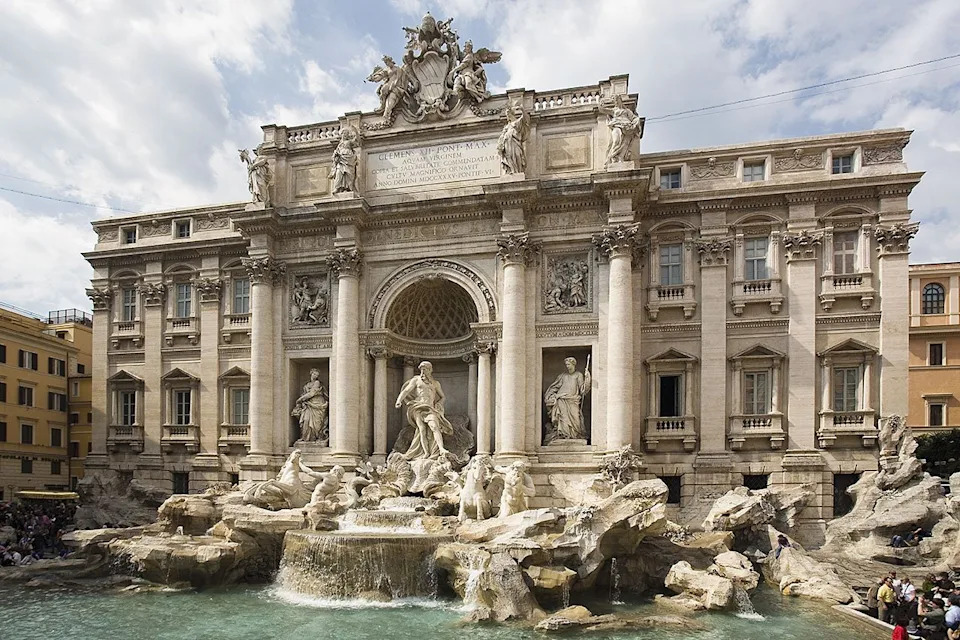
When you walk through historic cities, it's easy to focus on the events that took place there and overlook the remarkable materials that have kept those places standing. Houses, temples, roads, aqueducts and harbors built millennia ago have endured centuries of rain, wind, earthquakes, changing climates and daily wear — reminding renovators and homeowners that material choice matters as much as craftsmanship.
Researchers described in Smithsonian Magazine examined an undisturbed section of Roman concrete at Hadrian's Villa in Italy and uncovered fresh clues about why some ancient constructions remain so durable. The team studied a nearly 1,900-year-old block of concrete that had remained untouched for centuries, giving scientists a rare window into how the material changed naturally over long timescales.
The researchers' analysis indicates that Roman concrete grew stronger with age because chemical reactions continued inside the material, slowly altering its microstructure and increasing its durability over centuries. Ancient Roman recipes commonly combined lime with volcanic ash (known as pozzolana), producing minerals that could crystallize and fill voids over time — processes that modern mixtures do not typically rely on.
"This study shows how exploring ancient engineering techniques can lead to important revelations," said Paulo J. M. Monteiro, a civil engineer at the University of California, Berkeley and a co-author of the study. "We hope that by unlocking Roman secrets for enhancing concrete durability, we can someday attain sustainable modern infrastructure development."
Implications for Modern Construction
Modern concrete is formulated to meet different priorities than Roman mixes. Contemporary structures must withstand a wider range of climates, heavy traffic and continuous loads, and they typically use embedded steel reinforcement that can corrode. For those reasons, modern mixes prioritize predictable early strength, speed of construction, cost-effectiveness and compatibility with steel.
Studying Roman methods helps researchers ask whether similar slow-forming chemical mechanisms can be adapted to modern formulations. If scientists can develop concretes that naturally seal tiny cracks or produce protective minerals over time, maintenance costs could fall and the service life of roads, bridges, seawalls and buildings could be extended — with potential environmental benefits through reduced material replacement and lower lifetime carbon emissions.
Translating ancient techniques into practical, code-compliant modern materials is not simple: engineers must balance long-term chemical behavior with the need for predictable performance, reinforcement compatibility and construction schedules. Still, the Smithsonian report underscores that nearly two-thousand-year-old structures can offer practical lessons for designing more durable and sustainable infrastructure today.
Sources: Smithsonian Magazine, "How Has Roman Concrete Lasted for Millennia? A 1,900-Year-Old Latrine Offers New Clues About the Material's Impressive Durability"; Smithsonian Magazine, "The Secrets of Ancient Rome's Buildings".
Help us improve.